Idler Roller Basics and Selection
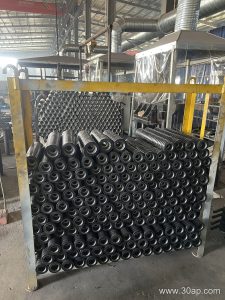
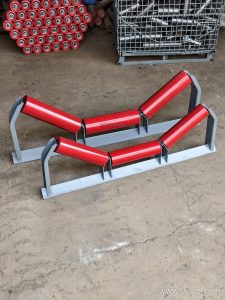
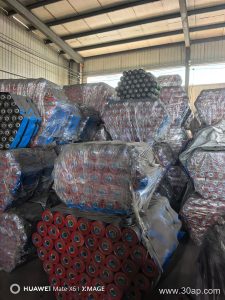
An idler roller supports the belt and reduces friction in bulk handling. Choose load rating, diameter, bearing type, and seal class for your duty.

Purchasing Tips
- Match roller to belt width and speed.
- Prefer sealed bearings in dusty or wet sites.
- Check shaft fit, lagging, and balance.
Buy from suppliers offering material certificates, wear tests, and spare-part availability.
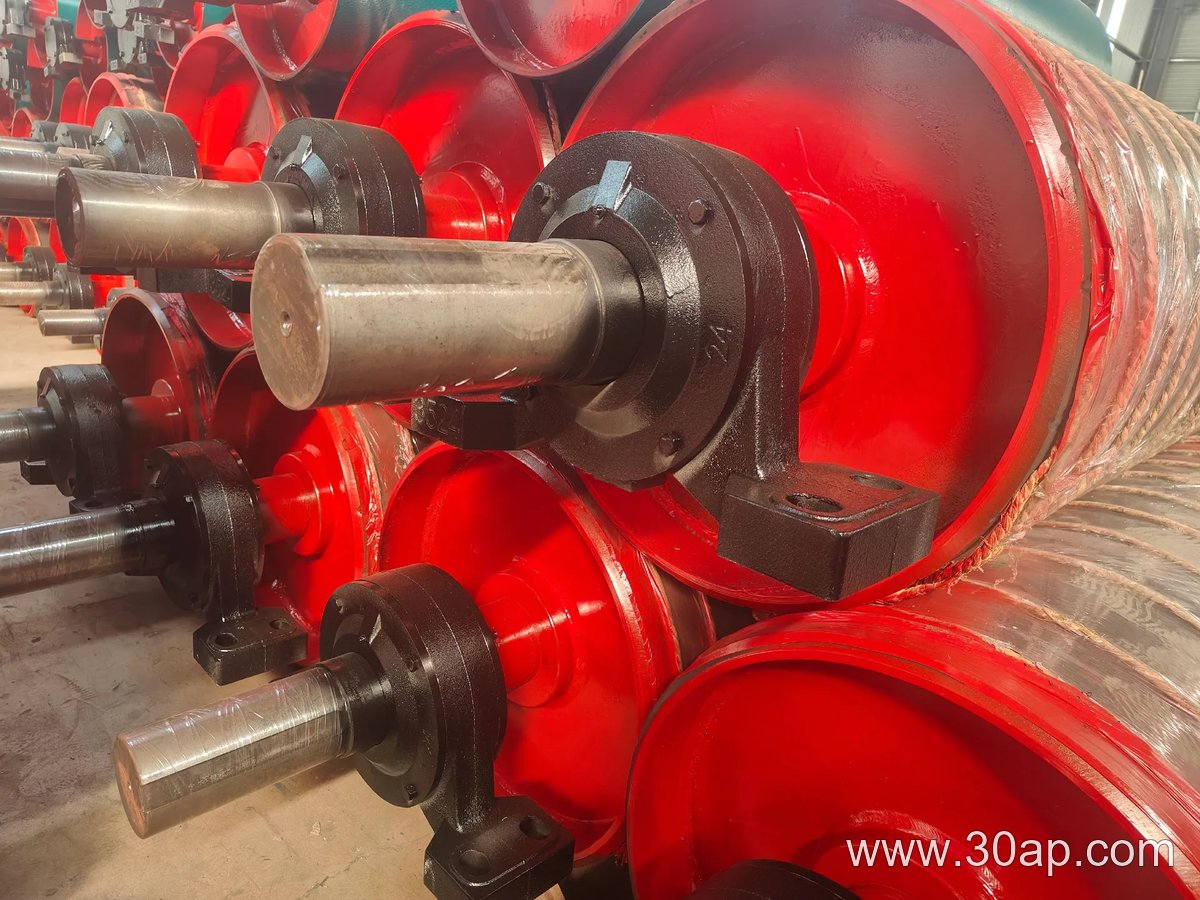
Conveyor Pulley: Key to Efficient Material Handling
A conveyor pulley drives or redirects the belt, directly affecting system reliability. Choose based on belt width, tension, and environment.
Selection Tips
- Match pulley diameter to belt thickness and speed
- Choose lagging for grip in wet or dusty conditions
- Verify shaft and bearing load ratings
Purchasing Advice
Request certified dynamic balance and runout tolerances. For harsh sites, specify sealed bearings and abrasion-resistant lagging. Compare total cost, not just price.
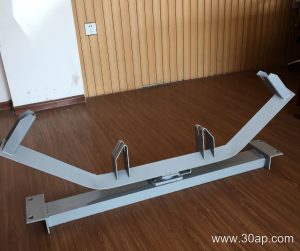
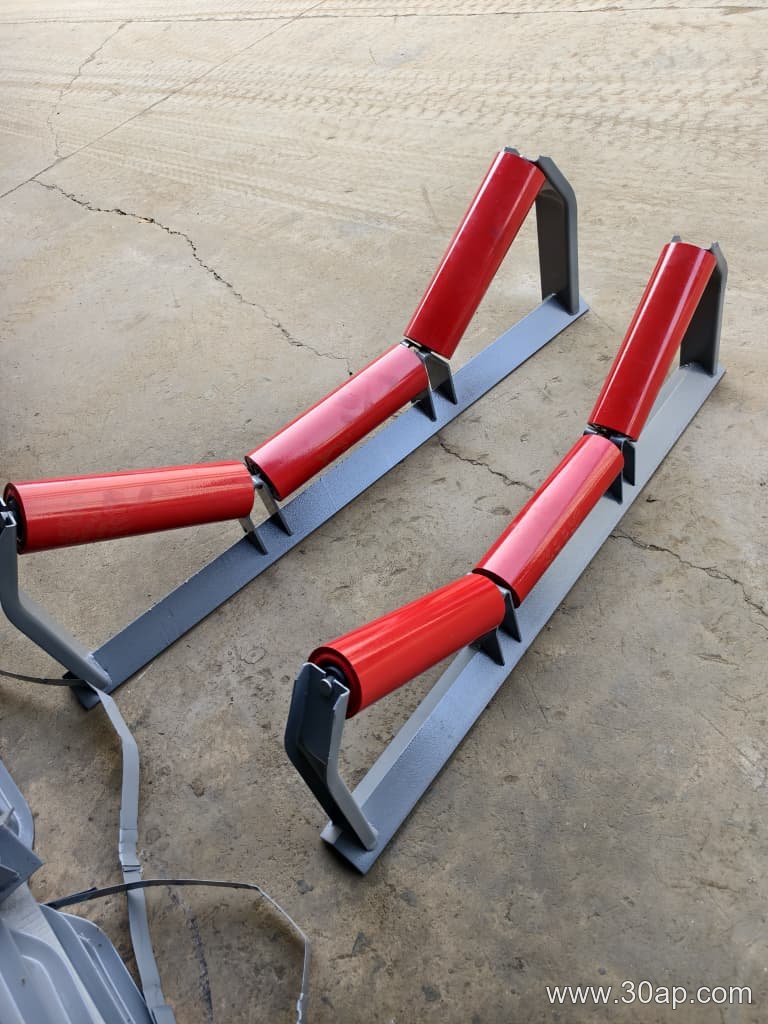
Conveyor Bracket Essentials
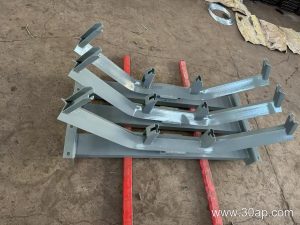
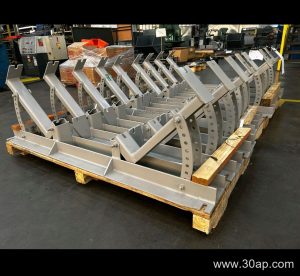
A conveyor bracket supports idlers, rollers, and frames, ensuring alignment and load stability. Choose the right bracket to reduce wear and downtime.
Key Selection Factors
- Check load capacity and belt width compatibility.
- Match material to environment: mild steel, stainless, or polymer.
- Confirm mounting hole pattern and adjustable slots.
Purchasing Advice
Buy from suppliers offering dimensional drawings and corrosion options. Standardize brackets across lines for easier maintenance.
Conveyor Belt Selection and Purchasing Guide
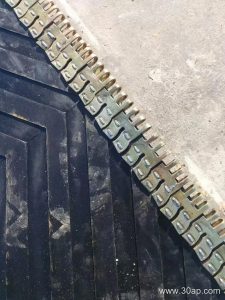
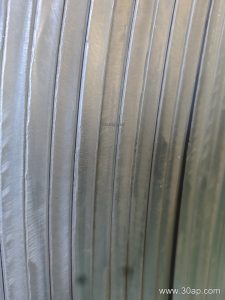
A conveyor belt is the core of any bulk handling line. Match cover compound, carcass strength, and splice type to your material, load, and climate before you buy.

Key Selection Factors
- Material: abrasive, hot, oily, or food-grade.
- Load and speed: determine belt width and ply rating.
- Environment: UV, moisture, and temperature range.
Purchasing Advice
Request test certificates, confirm HS code and export packing, and compare warranty terms. Buy from a supplier who offers technical support and spare splicing kits.