What a Diamond Mine Belt Tracker Does
A Diamond Mine Belt Tracker is a conveyor belt alignment device built to keep the belt centred on the idler roller path in diamond mining and other heavy-duty bulk material handling. In a diamond mine, ore travels from primary crushing through screening and dense medium separation, often over long inclined conveyors exposed to abrasive dust, uneven loading and frequent starts. When the belt drifts, edges rub the frame, spillage increases and the belt itself can be damaged. A belt tracker, also called a conveyor belt alignment device or 输送带纠偏器, detects the drift and applies a corrective steering action to a training idler so the belt returns toward the centre line.
The tracker does not replace good installation, adequate tension or proper pulley alignment. It is a corrective aid for belts that drift because of load variation, frame tolerance or normal operating wear. Buyers should treat it as one part of a conveyor alignment strategy that also covers pulley condition, idler roller freedom and loading geometry.
How the Device Is Built
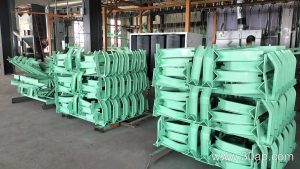
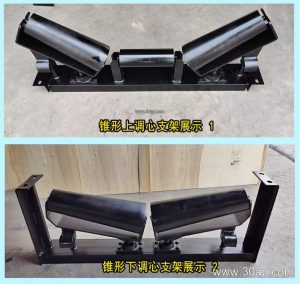
A typical tracker combines a sensing roller or edge sensor with a steering frame that carries training idlers. When the belt edge touches the sensor, the frame pivots slightly and the angled training idlers guide the belt back. Mechanical, pneumatic and hydraulic variants exist, and some designs add position feedback to a PLC for remote monitoring. The pivot, bearings and return spring are the parts most exposed to dust and impact, so seals and housing material matter in diamond mine conditions.
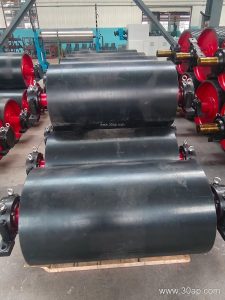
The tracker is mounted on the conveyor bracket or frame, usually on the carrying or return strand. It is separate from the drive pulley, tail pulley and bend pulley, which serve different functions and are not interchangeable with a tracker. A conveyor pulley transmits power or changes belt direction; the tracker only steers alignment.
Where It Fits in the Plant
Diamond mine conveyors often run at high tonnage with variable ore size. A tracker is commonly considered at transfer points, before and after crushers, on inclined sections and on the return strand where the belt is lightly loaded. Similar needs appear in coal mining, cement plants, power plant coal handling, steel plants, quarries and sand and gravel operations. The material carried may be abrasive, wet or dusty, so the belt selection and the tracker housing should suit the same environment.
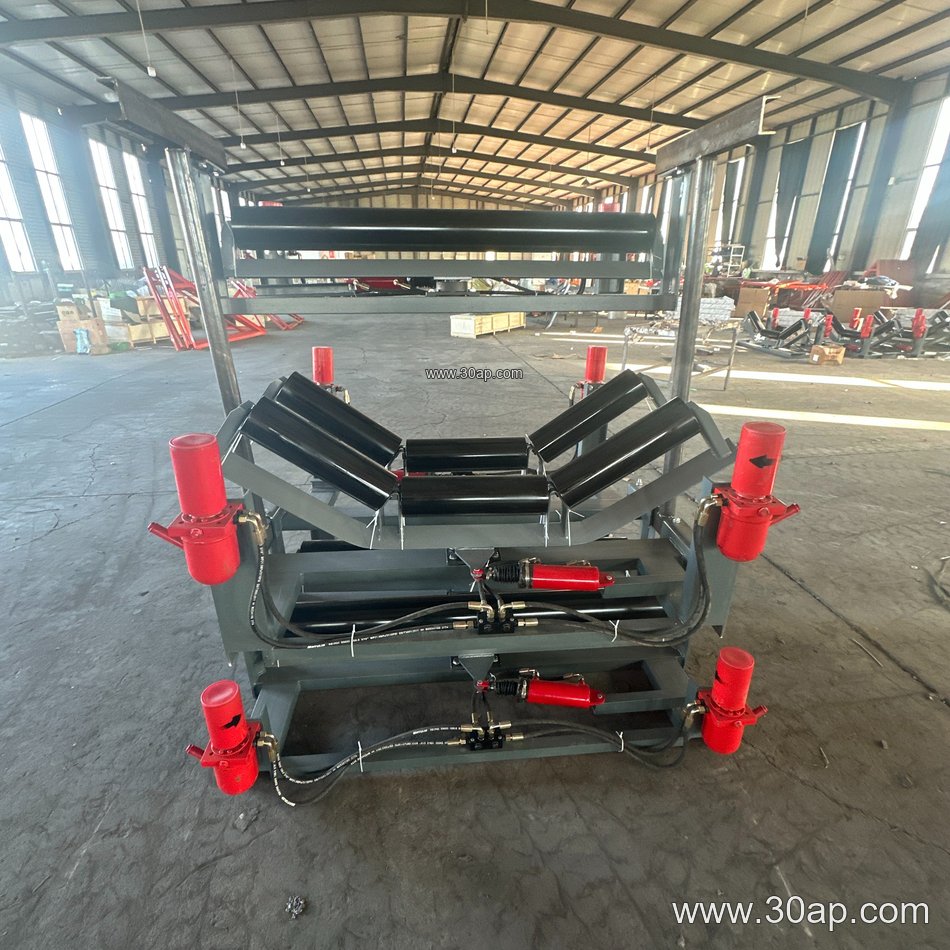
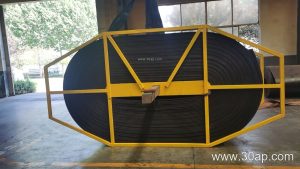
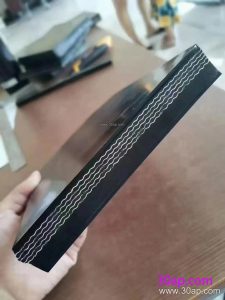
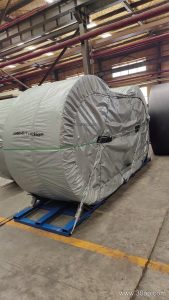
Related belt choices include abrasion resistant conveyor belt, flame retardant conveyor belt for underground coal mining conveyor belt duties, and EP conveyor belt or steel cord conveyor belt for high tension routes. A heavy-duty mining conveyor belt with a thick cover tolerates impact better, while a pipe conveyor belt or corrugated sidewall conveyor belt follows a different alignment logic and should be reviewed with the tracker supplier.
Selection Points for Buyers
No single size fits every conveyor. Belt width, belt speed, running direction, carrying or return position, frame dimensions and available mounting space all affect the choice. A 1200 mm wide conveyor belt and a 2000 mm wide belt may need different tracker frames and idler lengths, and shaft diameter cannot be assumed from belt width alone. The table below lists reference data categories, not a supply list.
| Item | Reference examples | Why it matters |
|---|---|---|
| Belt width | 800 mm, 1000 mm, 1200 mm, 1600 mm, 2000 mm | Sets frame and idler length range |
| Belt type | EP200, EP400, NN300, ST1600, PVG800S | Affects stiffness and tracking behaviour |
| Position | Carrying strand, return strand | Changes sensor and idler layout |
| Action | Mechanical, pneumatic, hydraulic, sensor-assisted | Defines maintenance and control needs |
| Mounting | Conveyor bracket, frame rail | Must match site drawings |
Ask for the belt width, speed, direction, trough angle, idler roller type, frame drawing and observed drift pattern. Confirm whether the tracker is for one-way or reversing operation, and whether alarm-only detection or active correction is required. Do not assume that a wider belt automatically needs a larger shaft or that two belts of the same width can swap trackers.
Installation and Maintenance Notes
Stop the conveyor, isolate energy and prevent unexpected start-up before any adjustment or inspection near moving parts. Check that pulleys run true, idlers rotate freely and the belt is not damaged at the edges. After fitting a Diamond Mine Belt Tracker, observe the belt at a safe distance during running and record whether drift is local or along the whole route. Persistent misalignment may point to structural or loading faults that a tracker cannot correct.
For enquiries, send the conveyor layout, belt specification, operating hours and photos of the existing bracket area. Clear input helps match the tracker to the conveyor without guessing dimensions or performance.