What a PVC Conveyor Belt Is
A PVC conveyor belt is a light-to-medium duty belt built around a synthetic fabric carcass coated and covered with polyvinyl chloride. In many plants it is simply called a PVC belt, and the accurate equivalent name is polyvinyl chloride conveyor belt. It is a distinct product from rubber-heavy designs such as an EP Conveyor Belt or a Steel Cord Conveyor Belt, and it should not be confused with PVG belts, which use a different cover compound for tougher underground duty.
The PVC Conveyor Belt is common in food processing, packaging, logistics sorting, recycling lines, light assembly, and general material handling where a clean, flexible, and low-maintenance surface matters more than extreme tensile strength.
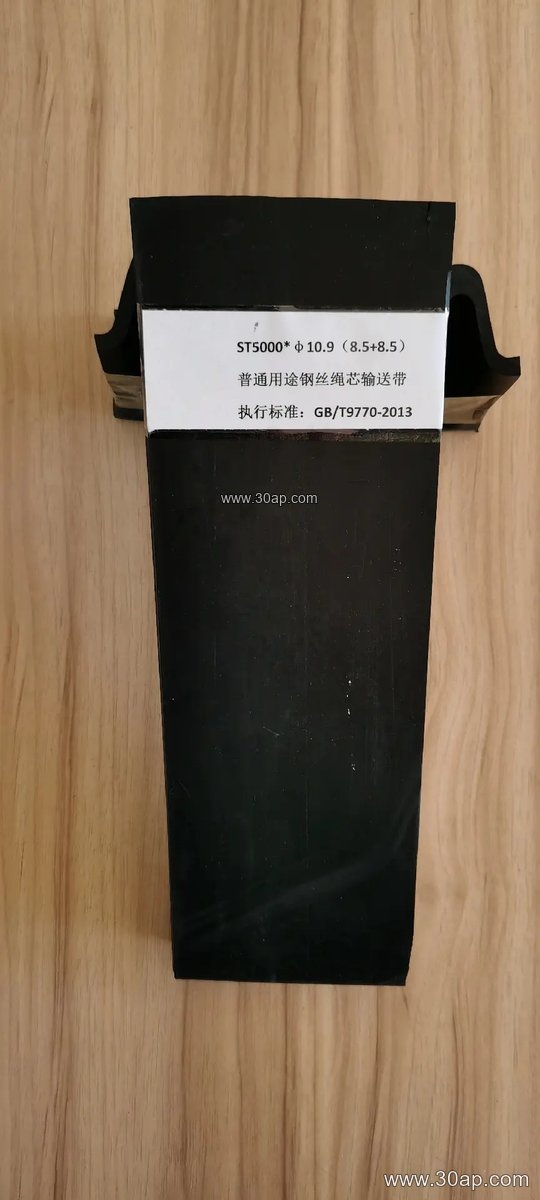
How the Belt Is Built
A typical construction stacks several layers into one composite:
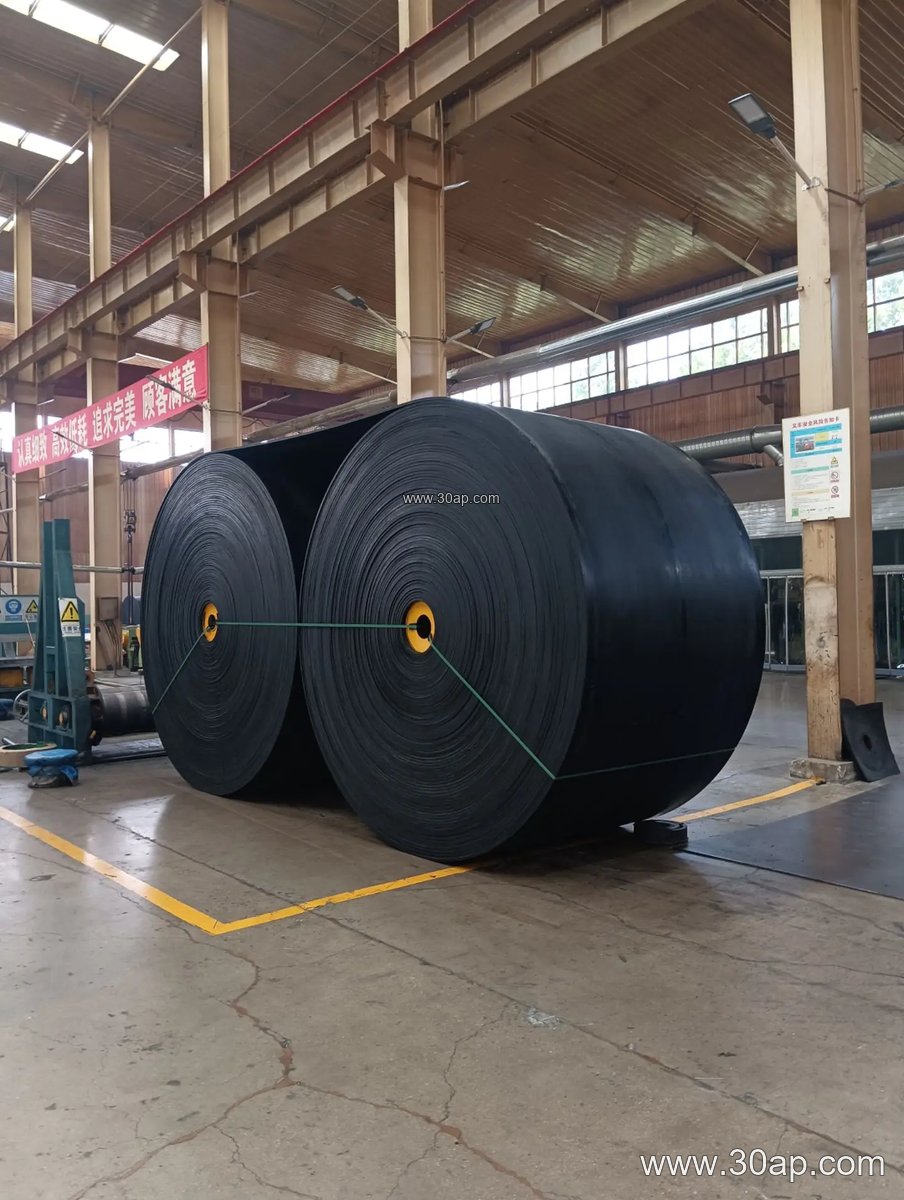
- Carcass: one or more plies of polyester or other synthetic fabric, sometimes with a rigid or monofilament warp for length stability.
- Impregnation: the fabric is saturated with PVC paste so the plies bond and resist moisture wicking.
- Covers: top and bottom PVC layers protect the carcass and define surface friction.
- Surfaces: smooth, matte, glossy, or embossed patterns; cleats, guide profiles, and sidewalls can be welded on.
- Joints: belts may be supplied as an Endless Conveyor Belt with a vulcanized or stepped splice, or as open lengths joined on site with mechanical fasteners.
Because the cover is thermoplastic, it can be heat-welded and cleaned easily, which is why food-grade and hygienic versions are widely specified.
Where It Fits on the Line
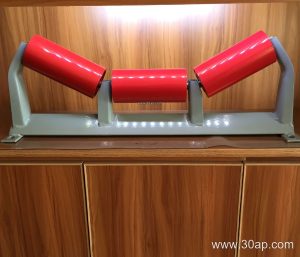
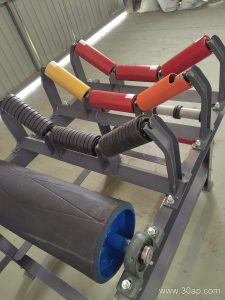
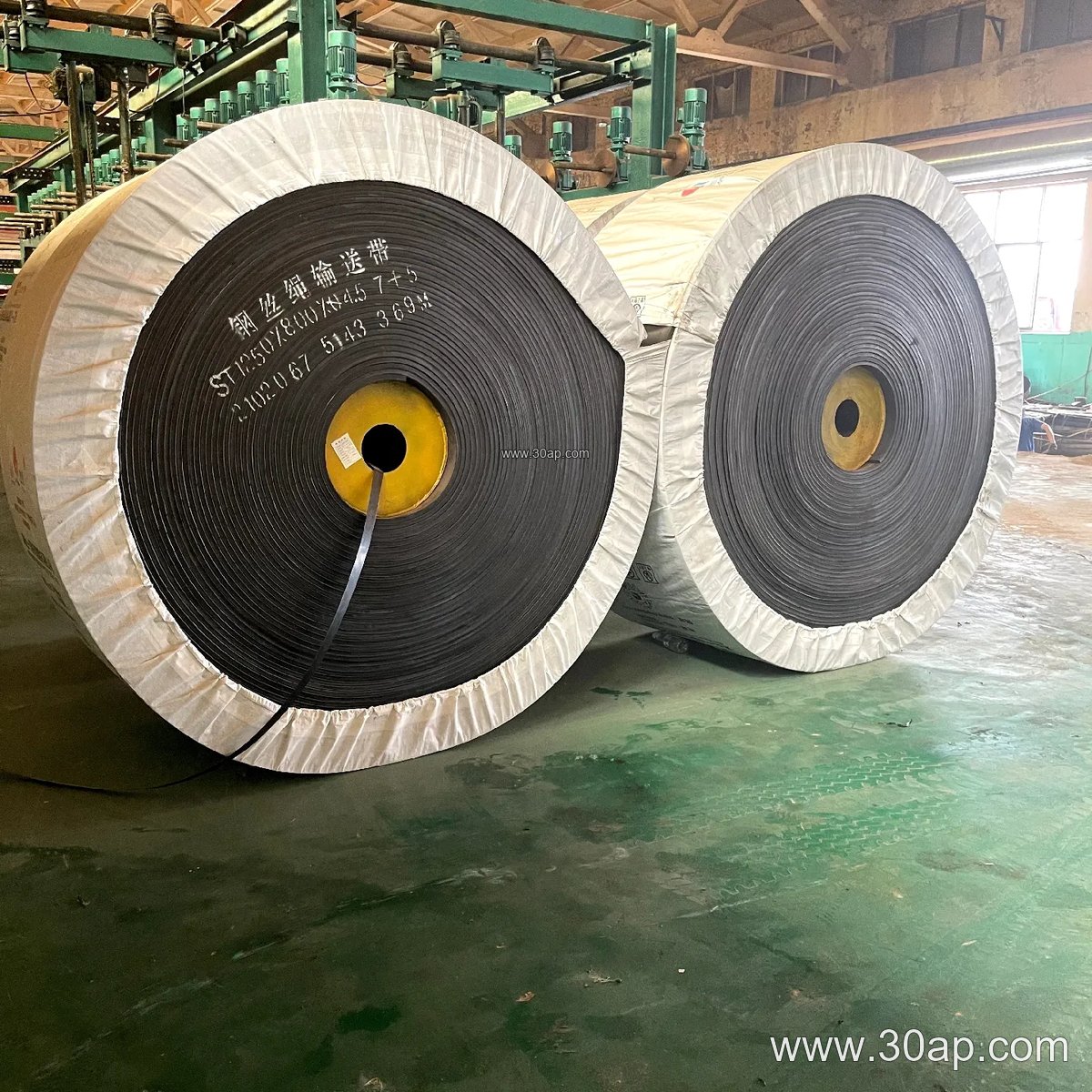
PVC belting works well on relatively short to medium center distances with small to medium pulley diameters. It runs over a conveyor pulley at the head and tail, supported by an idler roller or a slider bed, and tensioned through a conveyor bracket assembly. In a quarry or cement plant, the heavy primary flow usually belongs on an abrasion-resistant rubber belt, while a PVC Conveyor Belt may handle packaged additives, filter cake, or secondary trim. In a coal mining or underground application, flame-retardant and anti-static requirements usually point to PVG or a Flame Retardant Conveyor Belt built to the relevant standard, so PVC belting is normally reserved for surface and clean-side duties.
Typical service environments include:
- Food and beverage lines needing washdown and non-toxic covers
- Parcel and baggage handling with frequent starts and stops
- Recycling and sorting stations handling film, paper, and light scrap
- Electronics, ceramics, and small-parts assembly
- Agricultural grading and packing sheds
Common Specifications and How to Read Them
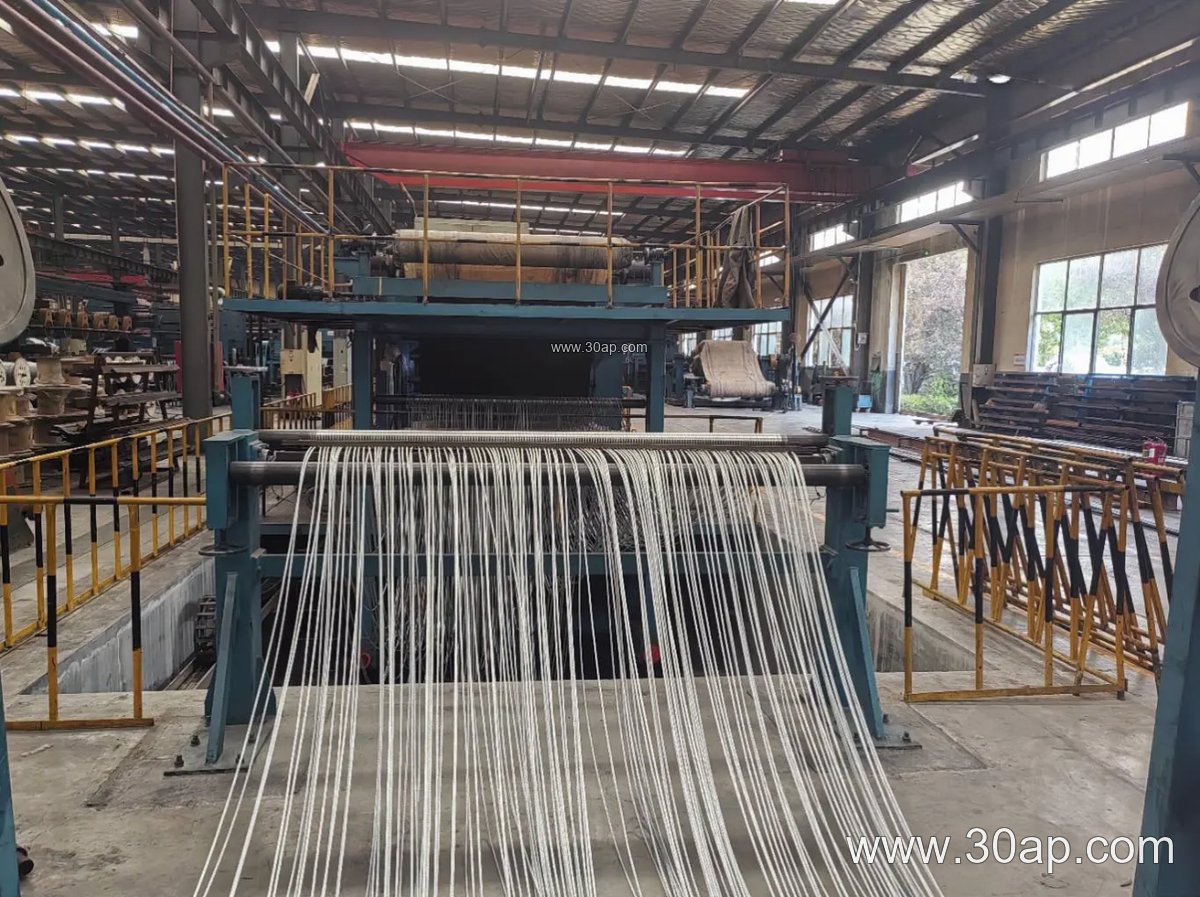
Buyers usually specify the belt by carcass type, number of plies, overall thickness, cover thickness, width, and joint method. The figures below are typical reference ranges, not a fixed catalogue, and actual values vary by manufacturer and design.
| Parameter | Typical reference values | Notes |
|---|---|---|
| Belt width | 500, 650, 800, 1000, 1200, 1400 mm | Match to load and pulley face; wider belts need larger pulleys |
| Number of plies | 2 to 4 plies | More plies raise tensile strength and stiffness |
| Overall thickness | 3 to 8 mm | Thicker covers resist abrasion and cuts |
| Cover thickness | 1.0+0.5, 2.0+1.0, 3.0+1.5 mm | Top cover plus bottom cover |
| Surface | Smooth, matte, embossed, cleated | Choose grip and release behaviour for the product |
| Joint | Endless spliced or mechanical | Endless reduces snagging on small pulleys |
For comparison, a Multi-Ply Fabric Core Conveyor Belt in EP or NN construction is chosen when tensile demand rises above what a PVC carcass can offer. A Chevron Conveyor Belt handles inclined transport of loose bulk, and a Corrugated Sidewall Conveyor Belt contains material on steep lifts. None of these replaces the PVC product where its clean, flexible surface is the reason for selection.
Selection and Care Notes
- Check the pulley and roller package: small-diameter pulleys and closely spaced idler rollers suit thin PVC belting; undersized pulleys cause ply fatigue.
- Confirm temperature: standard PVC covers are not designed for hot clinker or sinter; a Heat Resistant Conveyor Belt is the correct family there.
- Watch oils and solvents: some lubricants and fats soften PVC; an Oil Resistant Conveyor Belt or a different polymer may be needed.
- Plan tension and tracking: allow for stretch in the first weeks, keep the conveyor bracket and pulley alignment true, and re-tension gradually.
- Clean and inspect: check splice edges, cleat welds, and cover wear at the loading point, where impact and abrasion concentrate.
For buyers comparing suppliers, ask for the carcass data, cover compound, splice method, and recommended minimum pulley diameter in writing. A PVC Conveyor Belt specified against real operating conditions will outlast one chosen only by width and price, whether the line serves a food plant, a port terminal, or a light-duty section of a cement works.