What a Conveyor Carrying Bracket Does
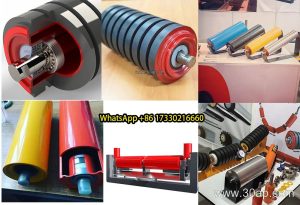
A conveyor carrying bracket is the structural support that holds the carrying-side idler rollers in position along a belt conveyor. It keeps each idler at the correct height, spacing and trough angle so that the conveyor belt stays properly supported under the load. In many plants the bracket is a simple fabricated steel part, yet it directly affects belt tracking, spillage control and the working life of both the belt and the rollers.
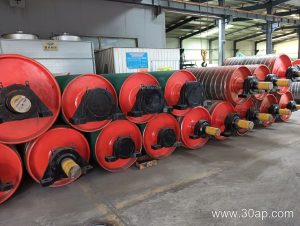
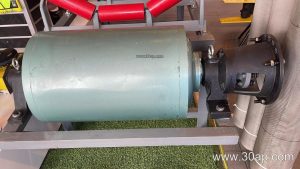
Buyers often meet this part under related names such as a carrying idler frame, troughing bracket or conveyor support bracket. These describe the same product family. The carrying bracket should not be confused with a bend pulley or a tail pulley, which are rotating drums rather than stationary frames.
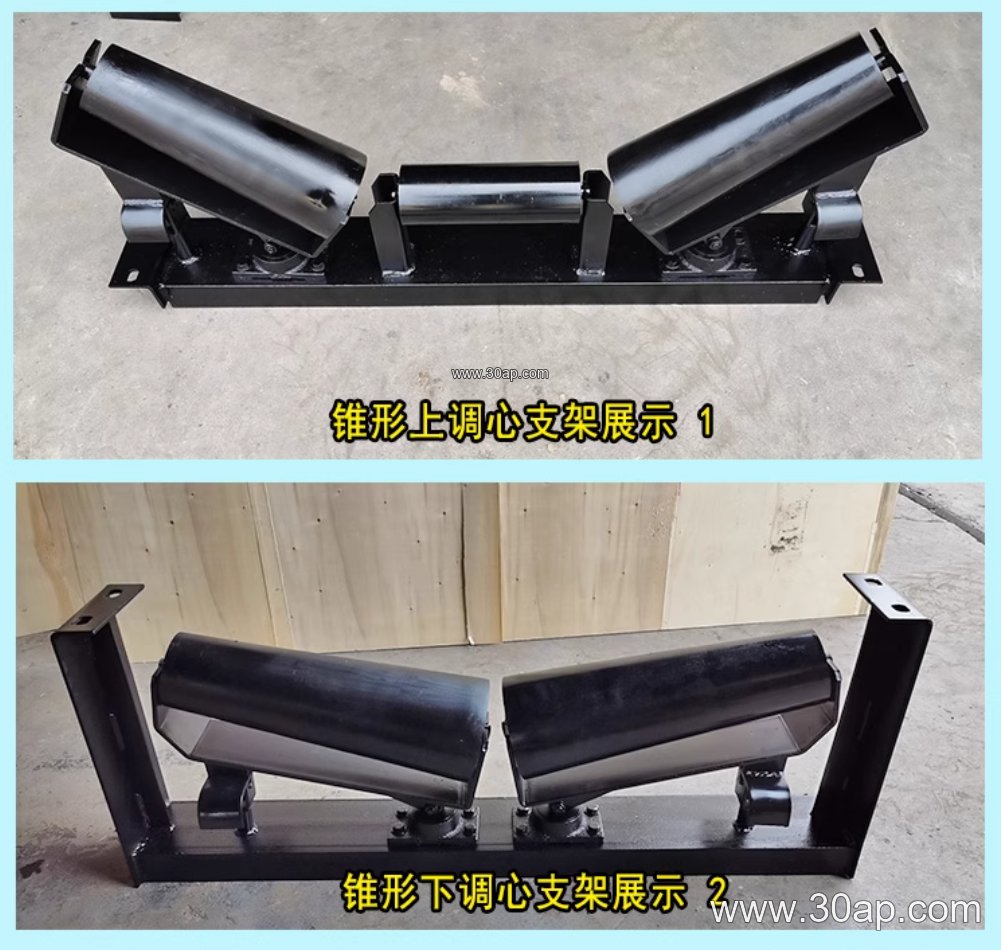
Construction and Common Forms
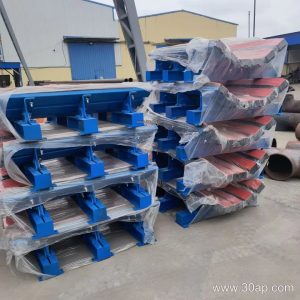
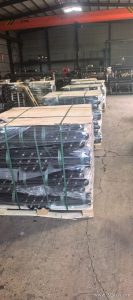
Most carrying brackets are made from angle steel, channel steel or folded steel plate, welded or bolted into a rigid frame. The frame carries the mounting slots or holes for the idler shafts, and the crossbeam length and hole spacing usually follow the belt width and trough angle rather than a single fixed figure.
Common forms include fixed troughing brackets, transition brackets near the head and tail, and adjustable brackets that allow the trough angle to be changed on site. A slight forward tilt of about 1.5 to 2 degrees is sometimes built into the bracket to help the belt center itself. Relevant dimensions are usually quoted together, for example B800, 35 degrees, Ø108, or B1200, 45 degrees, Ø133.
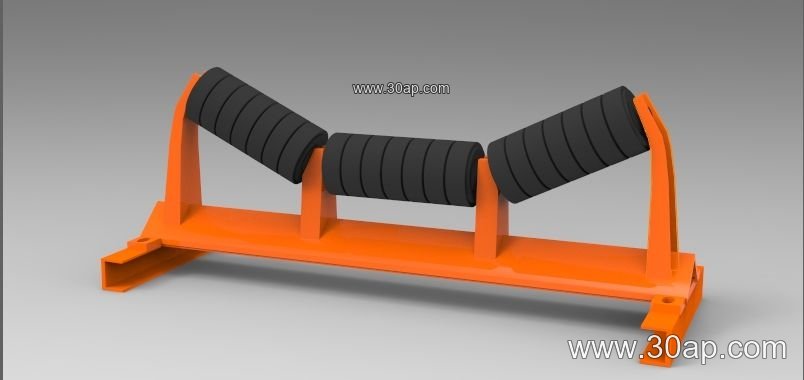
Typical Reference Values
| Item | Common Range |
|---|---|
| Belt width | B500 to B2200 |
| Trough angle | 20, 30, 35, 45 degrees |
| Idler diameter | Ø89, Ø108, Ø133, Ø159, Ø194 |
| Material | Angle steel, channel steel, folded plate |
These values are reference data. Final hole spacing, beam length and plate thickness are determined by design for each conveyor.
Where Carrying Brackets Are Used
Carrying brackets appear wherever a belt conveyor moves bulk material. In a coal preparation plant or a power station coal yard, they support the troughing idlers beneath a flame retardant conveyor belt or a PVG800S conveyor belt. In a limestone quarry or a crushing and screening line, heavy-duty brackets hold impact and carrying idlers under an abrasion resistant conveyor belt fed by a crusher.
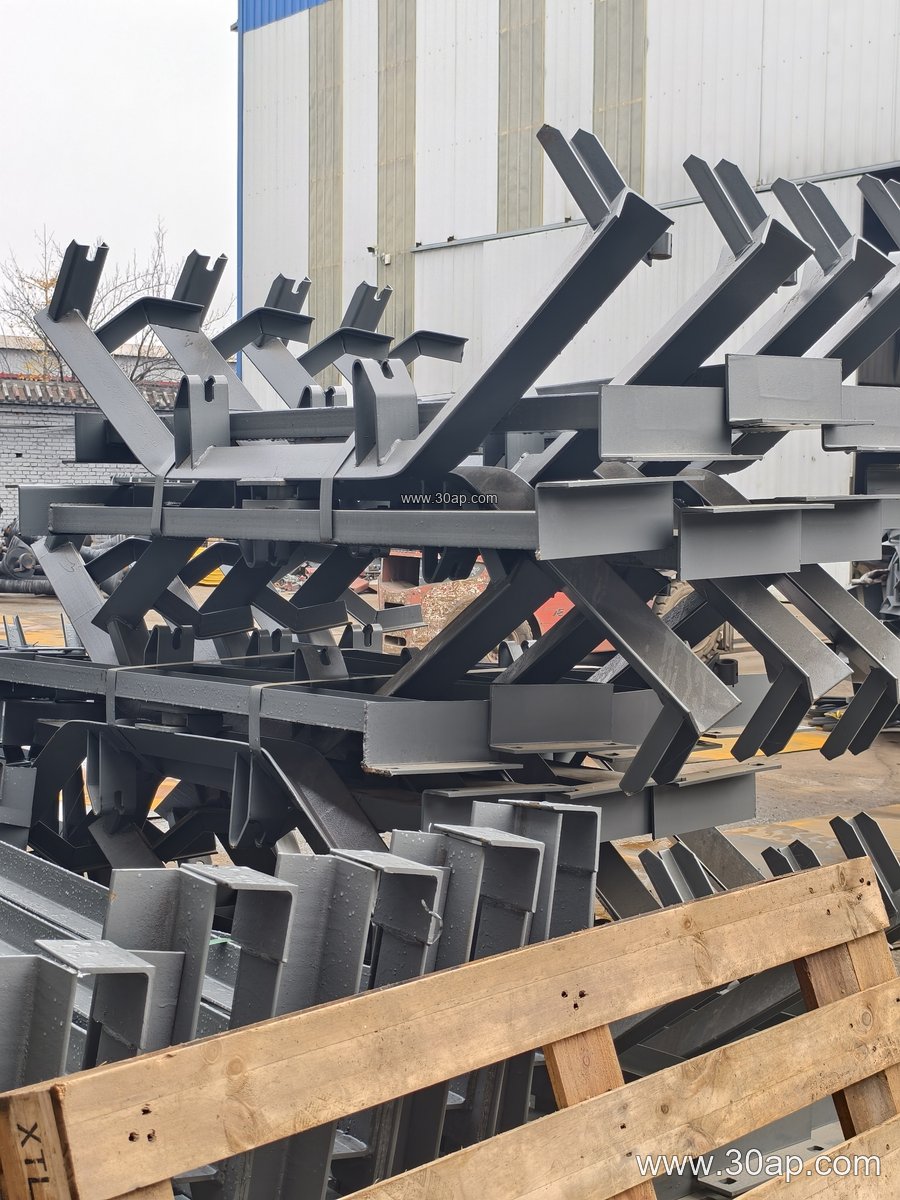
They are equally common in cement plants, steel works sintering lines, port ship loaders and aggregate yards. A belt conveyor in a sand making plant may use a narrower B650 frame with Ø89 idlers, while a wide B1800 main haulage conveyor in an iron ore operation will need a much heavier bracket and larger rollers. Whatever the site, the bracket must match the belt width, the idler diameter and the expected load.
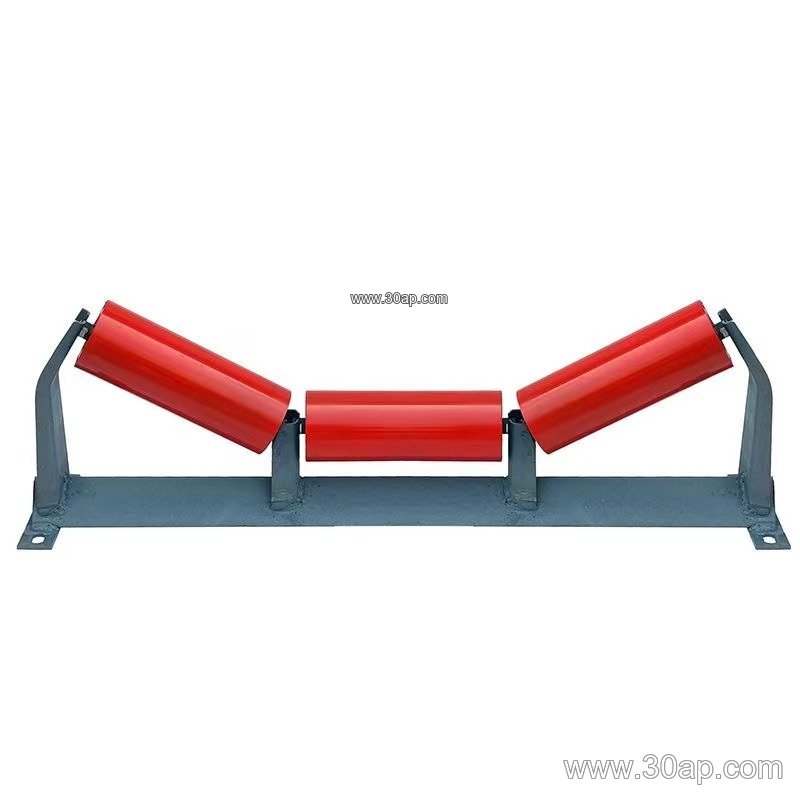
Matching the Bracket to Belt and Idlers
The carrying bracket, the conveyor belt and the idler roller work as one system. A bracket that is too light will deflect under load, which disturbs the trough profile and encourages belt mistracking and material spillage. A bracket with the wrong trough angle may pinch the belt edges or fail to contain the load.
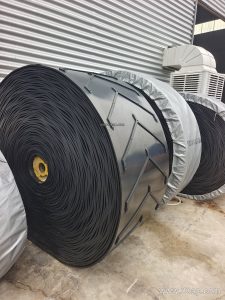
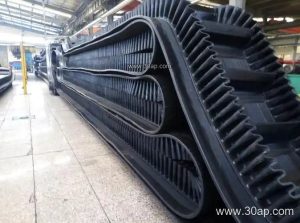
For a multi-ply fabric core conveyor belt or an EP conveyor belt running at moderate tension, a standard 35 degree trough is often used. For a steel cord conveyor belt on a long overland route, the designer may prefer a deeper 45 degree trough to increase capacity. In transition zones, a transition bracket gradually changes the trough angle so the belt is not over-stressed near the pulleys.
When specifying, give the belt width, the idler diameter, the trough angle and the mounting hole pitch required. Confirming these details avoids a frame that cannot accept the rollers supplied.
Buyer Checklist and Maintenance Notes
- Confirm belt width and idler diameter before ordering; do not assume one belt width fits only one roller size.
- Check that the trough angle suits the material and belt type.
- Verify hole spacing and crossbeam length against the actual idler frames.
- Inspect welds and surface treatment, especially in wet or dusty plants.
- During service, check for loose bolts, bent beams and worn mounting slots.
A well-chosen carrying bracket is a low-cost part that protects far more expensive items such as the conveyor belt and the conveyor pulley. Regular inspection during shutdowns keeps the whole conveyor line running smoothly in mines, quarries, cement works and power plants alike.