What Conveyor Belt Tracker Response Time Means
In any bulk material handling system, a belt that drifts off its center line can cause spillage, edge damage, and unplanned downtime. A conveyor belt tracker (also called a belt alignment device or self-aligning idler) automatically corrects misalignment. But how quickly it reacts—its response time—determines whether a small deviation is nipped in the bud or escalates into a major problem. Response time is the delay between the belt beginning to wander and the tracker applying a corrective force. It is influenced by the tracker’s design, the belt speed, the load, and the nature of the misalignment. Understanding this parameter helps buyers specify the right unit for applications ranging from a quarry conveyor belt to an underground coal mining conveyor belt.
How a Belt Tracker Works and Why Response Time Varies
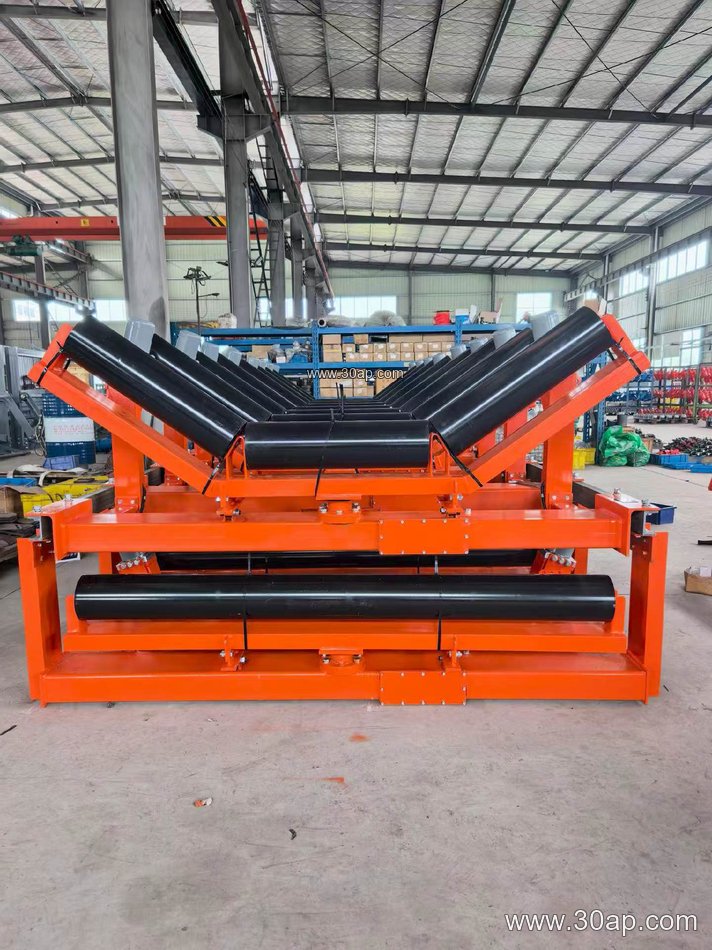
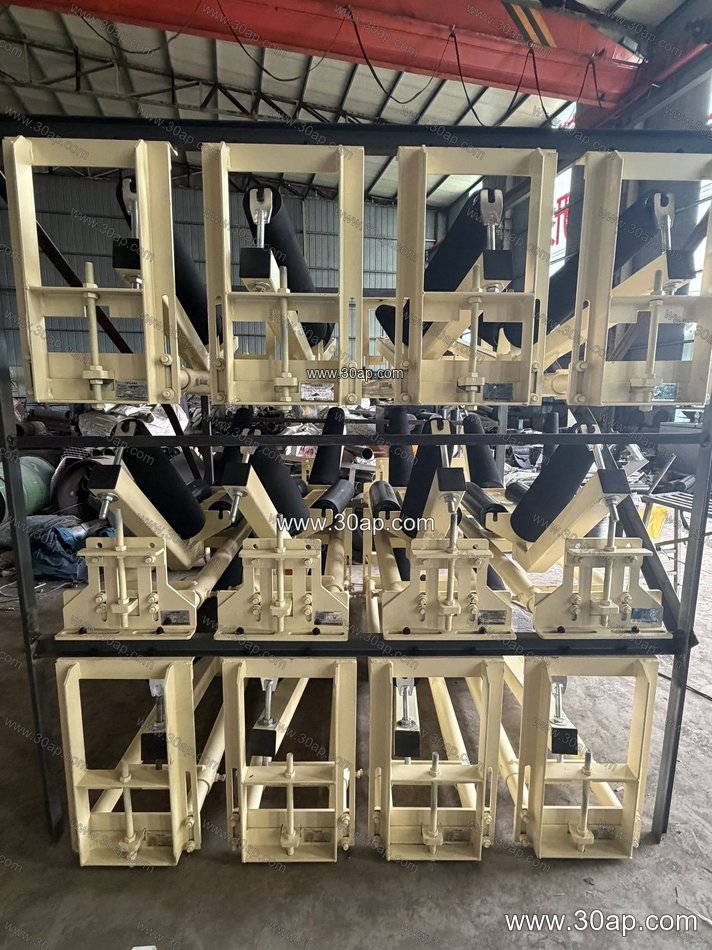
Most trackers use a pivoted frame carrying idler rollers. When the belt contacts the roller at an angle, the resulting friction generates a side force that swings the frame, steering the belt back. The response time depends on the type of tracker: mechanical (four-bar linkage), hydraulic, pneumatic, or electric with sensors and PLC control. Hydraulic and electric systems can be tuned for faster reaction, but they add complexity and cost. Mechanical trackers are simpler and often slower but robust. Response time also depends on belt speed—higher speeds mean less time per revolution for the tracker to act. In a power plant conveyor belt or a cement plant conveyor belt, where uptime is critical, a tracker with a well-matched response time can prevent belt edge wear and material spillage.
Key Factors That Affect Response Time
- Belt speed and direction: Reversing belts need bidirectional trackers; unidirectional trackers may respond slower if the belt runs backward.
- Load and material: A heavy-duty mining conveyor belt carrying iron ore or copper ore may need a tracker with higher actuating force, which can slightly increase response time.
- Installation location: Trackers on the carrying side versus return side see different belt tensions and sag, affecting reaction.
- Tracker type: A four-bar linkage tracker may have a different delay than a conical roller design. Some trackers use a pivoting idler roller that responds quickly to small angles.
- Maintenance: Seized bearings or accumulated debris can slow any tracker.
Buyers should ask for the tracker’s actuation threshold and response characteristics under expected belt speed. No universal response time exists—it must be matched to the conveyor’s dynamics.
Where Response Time Matters Most
In a stone crushing plant, a fast-responding tracker on the crusher conveyor belt prevents rock from wedging between belt and structure. In port ship loading, a slow response could cause spillage into the water. For underground coal mining conveyor belts, flame retardant conveyor belt and anti-static properties are critical, but response time still affects safety by reducing friction and heat from misalignment. Similarly, in a steel plant conveyor belt handling hot sinter, a heat resistant conveyor belt paired with a responsive tracker minimizes edge damage. The table below lists typical belt widths and matching tracker considerations—these are examples, not fixed rules.
| Belt Width (mm) | Example Tracker Type | Response Note |
|---|---|---|
| 600 | Mechanical four-bar | Suitable for moderate speeds; check actuation angle |
| 800 | Conical roller | Good for reversing belts with proper setup |
| 1000 | Hydraulic | Faster response possible with adjustable flow |
| 1200 | Electric with sensor | PLC control allows tuning; needs power supply |
| 1600 | Heavy-duty mechanical | Higher force may slightly increase response time |
Remember: belt width alone does not dictate tracker size or response time. Always confirm with the conveyor manufacturer and provide details such as belt speed, load, and pulley arrangement. Drive, tail, and bend pulleys each play distinct roles; a tracker near the tail pulley may behave differently than one near the drive.
Buyer Checklist for Specifying Response Time
- Define the misalignment problem: Is it occasional, load-dependent, or constant?
- Provide belt speed, width, and type (e.g., EP conveyor belt, steel cord conveyor belt, or chevron conveyor belt).
- State operating environment: dust, moisture, temperature, and whether the area is hazardous.
- Ask for the tracker’s response mechanism and any adjustable settings.
- Confirm installation position and available space—trackers need room to swing.
- Consider maintenance access and spare parts availability.
For abrasive conditions such as a quarry conveyor belt handling aggregate, pair the tracker with an abrasion resistant conveyor belt to reduce wear. In food or chemical plants, ensure the tracker materials are compatible.
Conclusion
Conveyor belt tracker response time is not a single number—it is a performance characteristic shaped by design, application, and maintenance. By understanding the factors and specifying clearly, buyers can select a tracker that reacts fast enough to protect the belt, structure, and production schedule. For assistance with trackers and related components like idler rollers, conveyor pulleys, and conveyor brackets, consult your supplier with complete application details.