What a Wear-Resistant Idler Does on the Line
On a loaded conveyor, the idler roller carries the belt and the material above it, and it takes a beating every shift. A wear-resistant idler is built for that job: its shell, shaft, bearing arrangement and seals are chosen so that abrasive dust, fines and grit do not grind the roller out of service too quickly. In practice, the roller is also a wear indicator for the whole conveyor, because worn idlers drag on the belt and raise power demand.
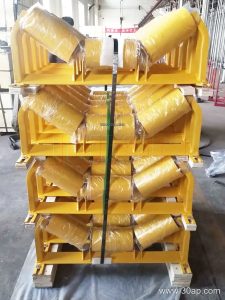
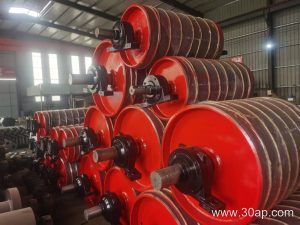
The part works alongside the conveyor belt, the conveyor pulley at the head or tail, and the conveyor bracket that holds each station. A wear-resistant idler does not replace a drive pulley or a bend pulley, and it should not be confused with them; those are separate components with different duties. The idler is the rotating support between them.
How the Roller Is Put Together
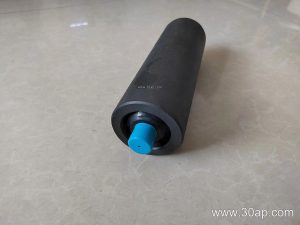
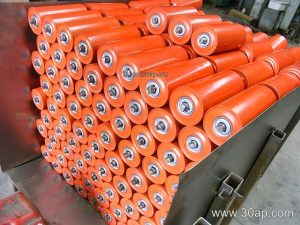
Most heavy-duty rollers use a steel tube shell with machined bearing housings at each end. The shaft is fixed to the brackets while the shell turns on bearings, commonly 6205, 6305 or 6306 depending on load and roller diameter. Sealing is where wear resistance really starts: a labyrinth seal plus a dust lip keeps fine material away from the bearing cavity, and good grease retention extends service life in dusty plants.
Roller surface choice matters in abrasive service. A plain steel shell is the standard, while a nylon or ceramic-faced roller can be used where sticky or highly abrasive material tends to cling. Rubber rings appear on impact idlers rather than on standard carrying rollers, so the surface form should match the station, not just the material.
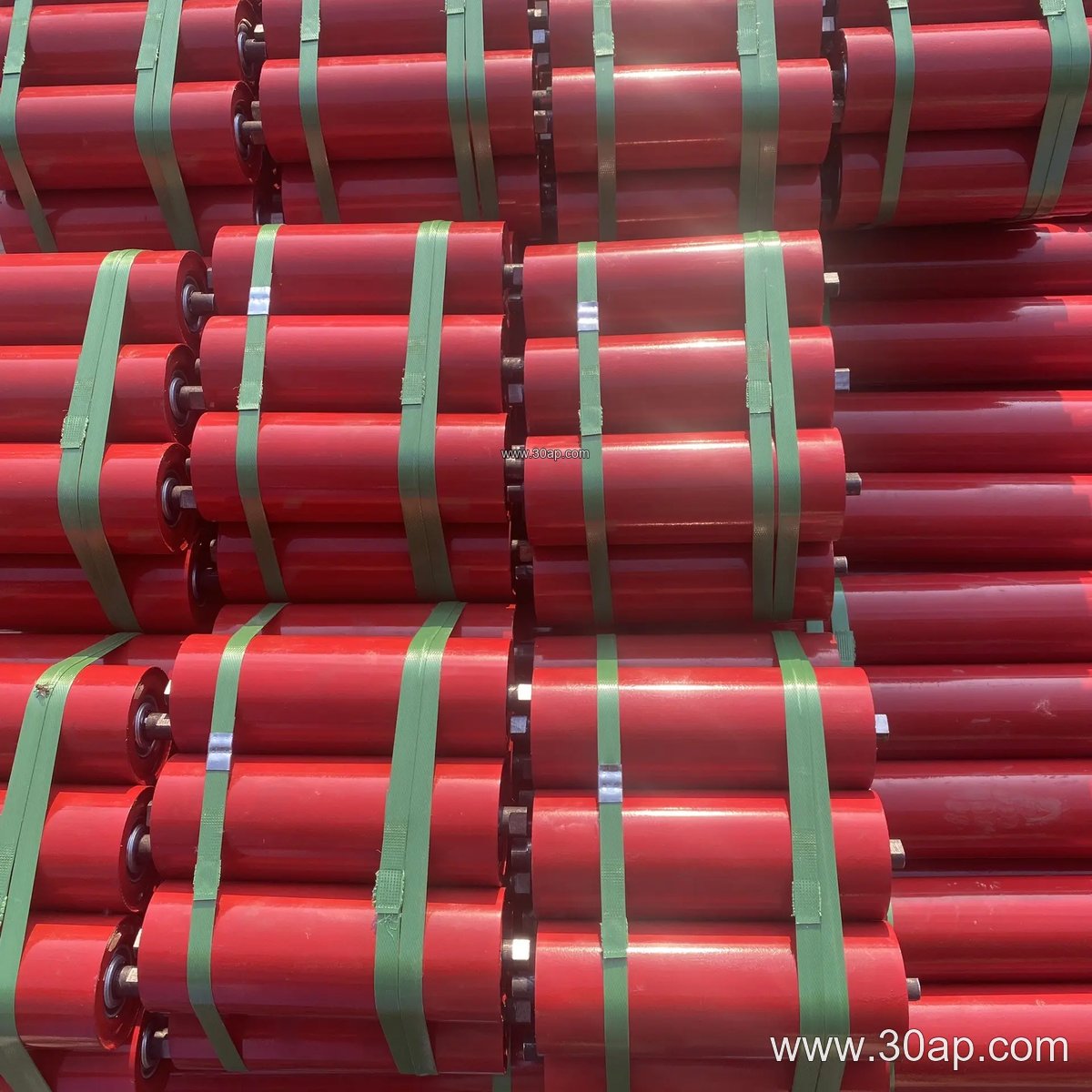
- Shell: steel tube, sometimes nylon or ceramic faced
- Bearings: 6204 to 6310 series, selected by load and speed
- Sealing: labyrinth, dust lip, grease-filled cavity
- Shaft ends: flattened or threaded for bracket fixing
Common Roller Diameters and Belt Widths
Roller diameter is chosen with belt width, belt speed and load. Typical diameters include Ø89, Ø108, Ø133, Ø159 and Ø194; larger rollers suit wider, heavier belts, while Ø63 to Ø89 often appears on smaller lines. Belt widths run from B400 and B500 up to B2000 and B2400 on large installations. These are reference ranges, not fixed pairings, and the final size is set by the conveyor designer.
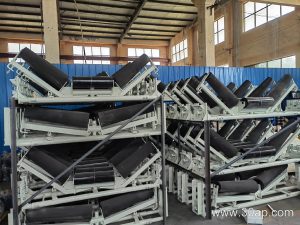
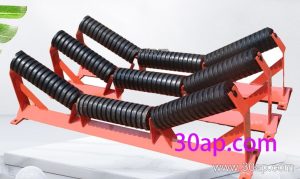
For a three-roll troughing station, roller length changes with belt width and trough angle. The values below are common examples only; side rollers and the centre roller can differ.
| Belt width | Typical roller length (three-roll trough) |
|---|---|
| B500 | about 200 mm |
| B650 | about 250 mm |
| B800 | about 315 mm |
| B1000 | about 380 mm |
| B1200 | about 465 mm |
| B1400 | about 530 mm |
| B1600 | about 600 mm |
Trough angles of 20, 30, 35 and 45 degrees are common. A steeper trough centres the load better on a wide belt, but it also increases the load on the side rollers, so the roller and bearing selection should follow the angle rather than assume one standard station.
Where the Abrasion Is Worst
In a quarry or sand and gravel line, the belt leaving the crusher carries sharp stone and dust that attacks every roller. In a coal preparation plant or a power station coal yard, fine coal and moisture create a different kind of wear, and a flame retardant conveyor belt is often specified for safety alongside the rollers. Cement plants see hot clinker and alkaline dust, and here a heat resistant conveyor belt may run over the same idler stations.
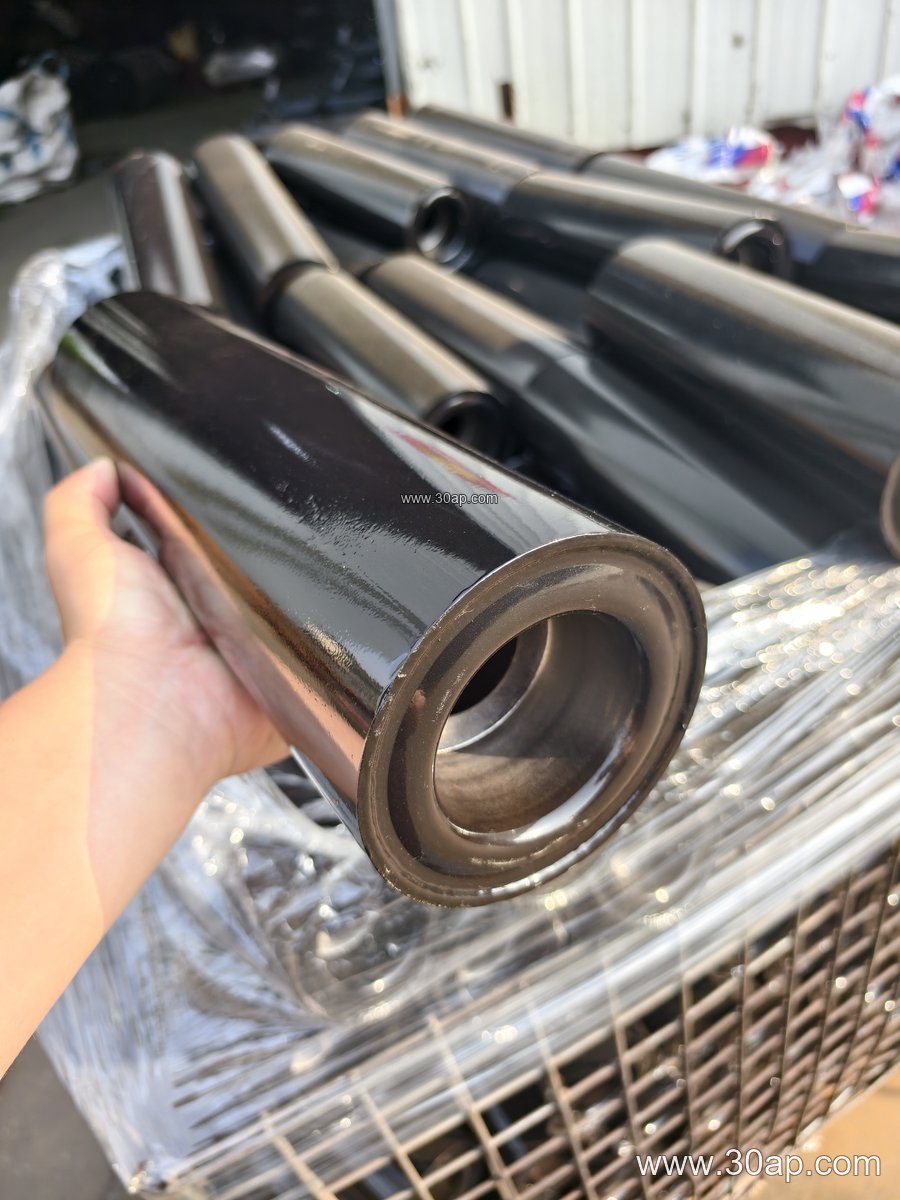
Heavy-duty mining conveyor systems, iron ore and copper ore handling, and port ship loading all put high loads on the troughing rollers. In these places a wear-resistant idler with a thick shell and strong seal usually pays for itself through fewer stoppages. The same logic applies on an aggregate conveyor belt or a crusher conveyor belt where impact and abrasion arrive together.
Selecting and Maintaining the Right Roller
Buyers should confirm the belt width, the trough angle, the roller diameter and the shaft end form before ordering. Check the load per station, the belt speed and the environment: wet, dusty, hot or corrosive. Ask how the seal is built, what grease is used and whether the bearing size suits the duty. For a conveyor bracket, confirm the fixing centres so the new roller drops in without modification.
Maintenance is mostly inspection. Listen for squealing bearings, watch for a roller that has stopped turning, and check for material build-up on the shell. A seized roller can wear through a belt quickly, especially on an abrasion resistant conveyor belt carrying rock. Replace rollers in sets where alignment matters, and keep spare stations ready for the carrying side and the return side.
For plants that also specify EP conveyor belts, steel cord belts or a multi-ply fabric core belt, the idler selection should follow the belt’s load and speed rather than the other way round. A well-matched wear-resistant idler keeps the belt tracking straight and protects the conveyor pulley and frame from unnecessary strain. See more conveyor components and idler options at beltconveyorparts.com wear-resistant idler.