What a Belt Tracker Does and Why Selection Matters
A conveyor belt tracker is a self-adjusting idler assembly that senses belt misalignment and steers the belt back toward the center line. In mining, coal preparation, cement plants, power station coal yards, quarries, and aggregate crushing circuits, even a small persistent offset can wear the belt edge, spill material, and damage the conveyor pulley or idler roller. The Conveyor Belt Tracker Selection Criteria therefore deserve the same attention as belt specification and pulley sizing. A tracker is not a substitute for correct installation, but a well-matched unit can reduce edge damage and extend the service life of a rubber conveyor belt or steel cord conveyor belt.
How a Tracker Is Built
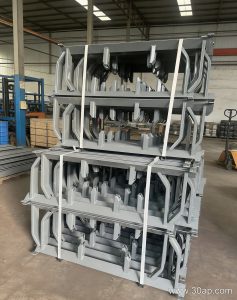
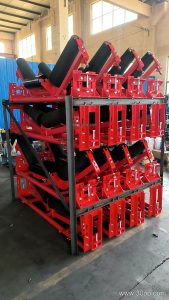
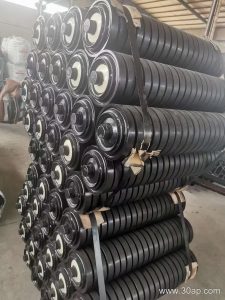
Most trackers use a pair of angled rollers mounted on a pivoting frame. When the belt drifts, it contacts one roller, creating a steering force that rotates the frame and guides the belt back. The frame may be mechanical, hydraulic, electric, or pneumatic, and some designs add sensors, feedback, or PLC control for active correction. Detection-only devices that simply alarm are not the same as active trackers. The mounting position matters: carrying-side trackers see the loaded belt, while return-side trackers work on the empty strand. A tracker must fit the conveyor bracket and frame without interfering with the conveyor pulley, and it must match the belt width and running direction.
Key Selection Criteria
Buyers should evaluate the tracker against the actual conveyor, not against a generic catalogue page. The following points form a practical checklist.
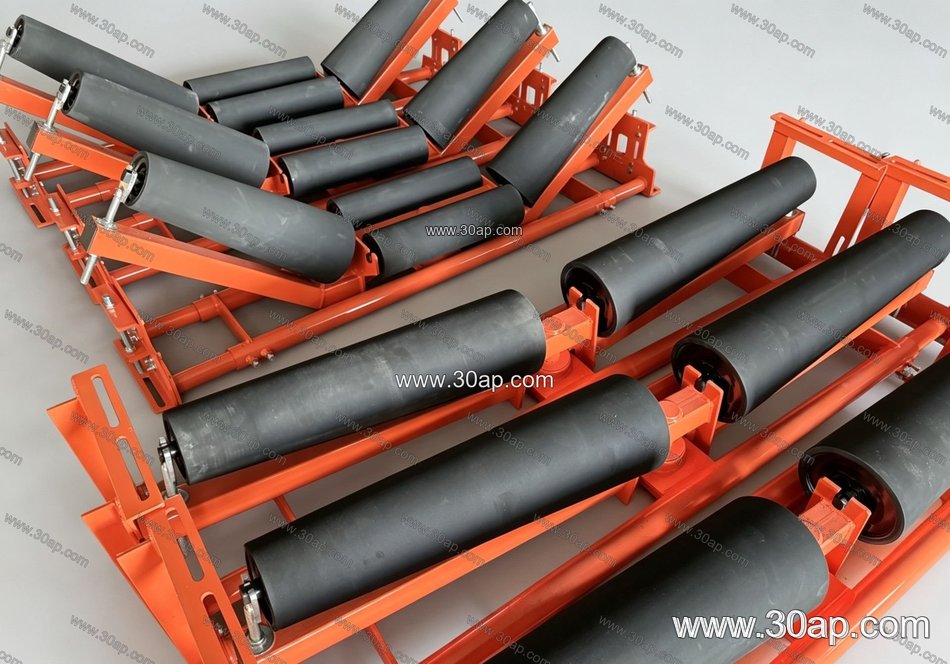
- Belt width and frame dimensions: A 600 mm, 800 mm, 1000 mm, 1200 mm, or 1600 mm belt requires a tracker sized to the frame and roller length. Belt width alone does not determine shaft diameter or roller diameter.
- Carrying or return position: Loaded belts and empty return strands behave differently. A tracker for the carrying side must tolerate material load and impact; a return-side unit may need a different roller profile.
- Running direction: Single-direction and reversible conveyors need different steering logic. A tracker for a one-way conveyor may not work correctly after a direction change.
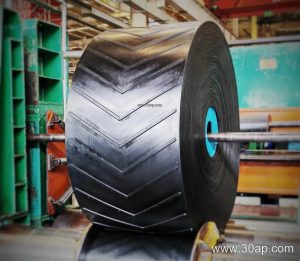
- Belt construction: A heavy-duty mining conveyor belt, a chevron conveyor belt, or a corrugated sidewall conveyor belt may need clearance and roller shapes that avoid contact with cleats or sidewalls.
- Environmental conditions: Dust, moisture, temperature, and corrosion affect bearing seals and frame materials. In coal mining or underground mining, flame retardant and anti-static properties of nearby components may be relevant, but they must be verified for the specific tracker.
- Mounting space and maintenance access: The tracker must fit the existing conveyor bracket and allow inspection without removing the belt.
Matching the Tracker to the Conveyor System
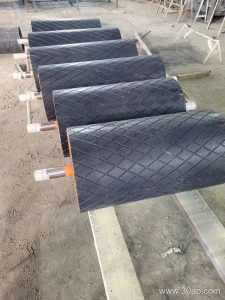
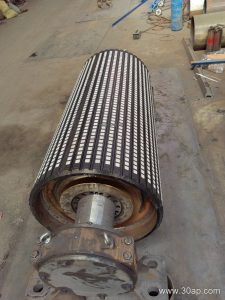
The tracker works with the conveyor belt, idler roller, conveyor pulley, and conveyor bracket as a system. A drive pulley, tail pulley, and bend pulley each have a distinct role, and none of them can be replaced by a tracker. If the belt mistracks at the tail pulley, the cause may be pulley alignment rather than a missing tracker. Similarly, a bend pulley with buildup or a worn idler roller can create local mistracking that no tracker can fully correct. For a quarry conveyor belt or crusher conveyor belt, impact and abrasive material often cause idler seizure, which then leads to belt drift. Selection should therefore include a check of the entire idler set and pulley alignment before adding a tracker.
Installation and Maintenance Notes
Install trackers according to the manufacturer’s instructions and the site drawing. Before adjustment, stop the conveyor, isolate the energy source, and prevent accidental start-up. Observe belt tracking only from a safe position while running. Do not touch moving parts. Keep the tracker frame free of accumulated material, and inspect rollers for flat spots or seized bearings. A tracker that is installed at the wrong angle or with insufficient clearance can make tracking worse. After installation, monitor the belt for a period and record any change in edge wear or spillage.
Information to Prepare for a Supplier Inquiry
To select a suitable conveyor belt tracker, prepare the belt width, conveyor length, belt speed, running direction, carrying or return location, belt type (for example, EP conveyor belt, NN conveyor belt, or steel cord conveyor belt), frame dimensions, and a description of the mistracking pattern. Photos of the conveyor bracket and the belt path help. If the conveyor is reversible or if the belt has cleats or sidewalls, state this clearly. These details allow a supplier to recommend a tracker that fits the application rather than a generic unit.