What a Coal Mine Belt Conveyor Pulley Does Underground
In a coal mine, the belt conveyor is often the main artery for moving raw coal from the face to the surface. At the heart of that system is the coal mine belt conveyor pulley—the rotating drum that drives, tensions, or redirects the conveyor belt. Unlike a simple idler roller, this pulley transmits torque and carries the full belt tension, so its construction and surface treatment directly affect reliability in dusty, damp, and often hazardous conditions.
Operators in underground coal mining, wash plants, and surface stockyards rely on these pulleys to keep the coal mining conveyor belt tracking and turning without slippage. A well-matched pulley also protects the belt from edge damage and premature wear, which is why selection deserves more attention than a quick glance at a catalog.
Drive, Tail, and Bend Pulleys Are Not Interchangeable
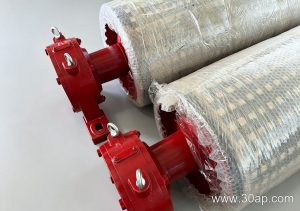
The term “conveyor pulley” covers several distinct roles. A drive pulley (also called the head or drive drum) is connected to the gearbox and motor; it grips the belt and pulls the load. A tail pulley sits at the loading end and usually runs free, while a bend pulley changes the belt’s direction without driving it. Each position imposes different loads, so they should never be treated as drop-in replacements for one another.
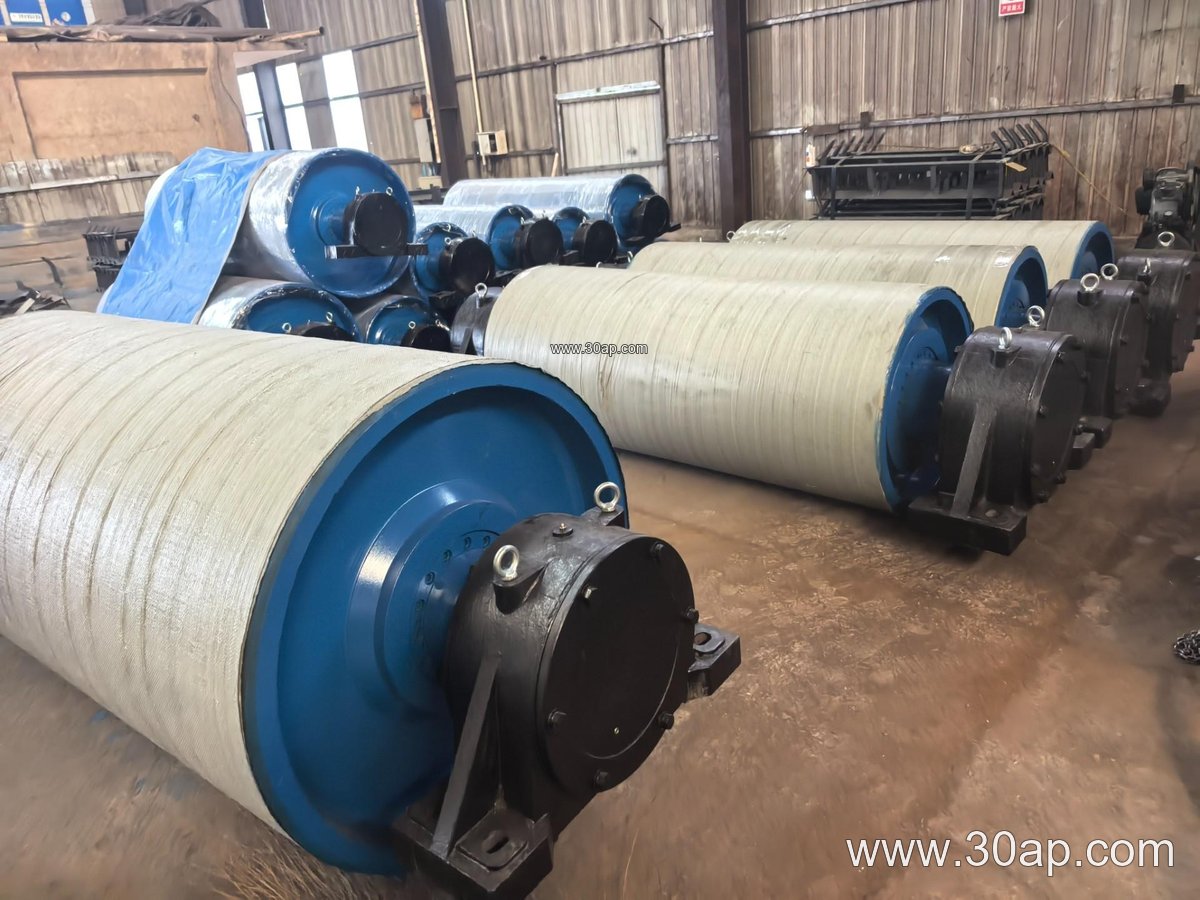
In some long underground panels, a tension pulley or take-up pulley maintains belt slack, and an electric pulley with an integrated motor may be used where space is tight. For comparison only, a wing pulley can shed sticky material in certain bulk handling lines, but it is not a substitute for the main drive drum in a coal mine. Recognizing the exact duty of each pulley is the first step in avoiding costly misapplication.
Construction and Surface Options
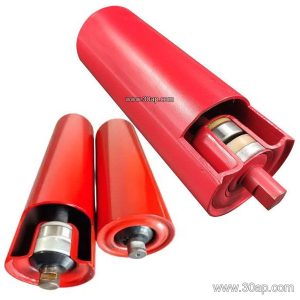
A typical coal mine belt conveyor pulley is built around a steel shell, welded to end discs and a shaft. The shaft diameter is determined by torque and load—not by belt width alone—so common sizes such as Ø80, Ø100, Ø120, or Ø160 mm should be confirmed by the designer. The shell is often covered with rubber lagging to improve grip and protect the belt.
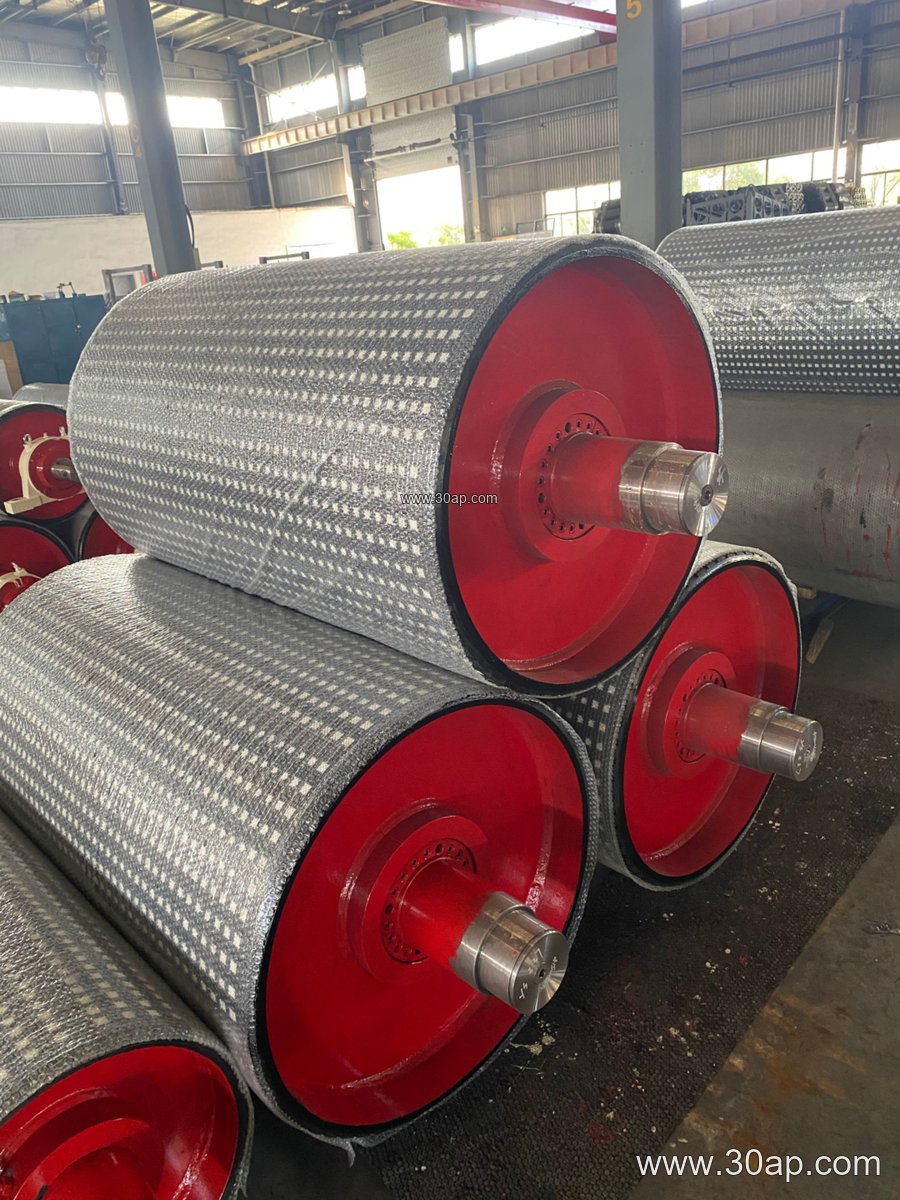
- Plain surface – used where friction requirements are modest.
- Diamond or herringbone lagging – helps water and fines escape, improving traction on wet coal.
- Ceramic lagging – offers high wear resistance for abrasive service.
- Hot-vulcanized or cold-bonded rubber – common methods for applying 8, 10, 12, 15, or 20 mm thick lagging.
The pulley face width usually exceeds the belt width to allow for tracking. For example, a B800 belt might run on a pulley with roughly 950 mm face width, while a B1200 system could use about 1400 mm. These are typical references, not fixed rules; the final dimensions come from the conveyor design.
Matching the Pulley to the Belt and the Environment
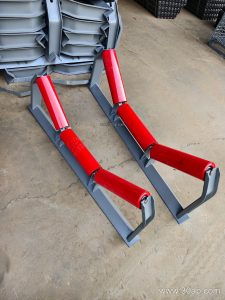
The pulley never works alone. It interacts with the conveyor belt, the idler roller, and the conveyor bracket that holds everything in line. In coal mines, a flame retardant conveyor belt and anti-static conveyor belt are often specified for safety, and the pulley lagging should be compatible with those belt surfaces.
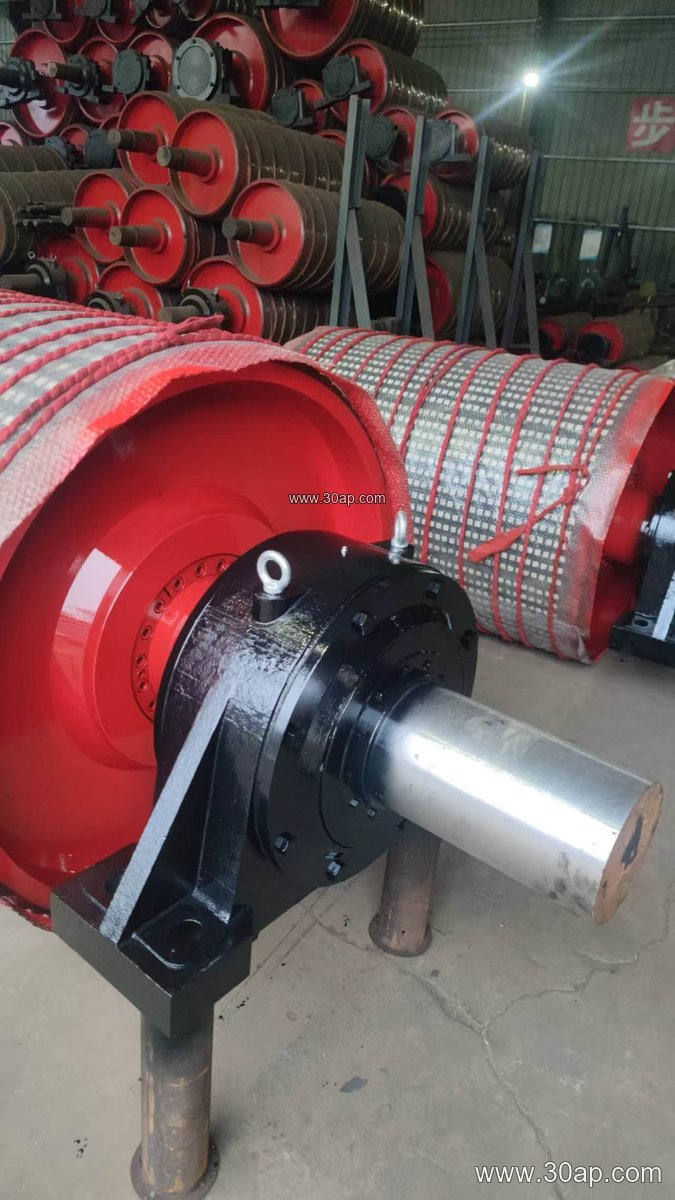
Material type matters too. A steel cord conveyor belt may require a larger drive pulley diameter to limit bending stress, while an EP conveyor belt or multi-ply fabric core belt may run on smaller drums depending on tension. In a cement plant or power plant coal yard, abrasion resistant conveyor belt grades pair well with ceramic-lagged pulleys to handle sharp fines. Quarry and aggregate lines may use a heavier-duty mining conveyor belt, but the pulley’s shaft and bearing selection still follow the actual load case.
Common Reference Dimensions
The table below lists typical combinations often seen in coal handling and related bulk material systems. Use it as a starting point for discussion, not as a guaranteed specification.
| Belt width (B) | Typical pulley diameter | Approx. face width | Common shaft range |
|---|---|---|---|
| B650 | Ø400 – Ø500 | 750 mm | Ø60 – Ø90 |
| B800 | Ø500 – Ø630 | 950 mm | Ø70 – Ø100 |
| B1000 | Ø630 – Ø800 | 1150 mm | Ø80 – Ø120 |
| B1200 | Ø800 – Ø1000 | 1400 mm | Ø90 – Ø140 |
| B1400 | Ø800 – Ø1250 | 1600 mm | Ø100 – Ø160 |
| B1600 | Ø1000 – Ø1400 | 1800 mm | Ø120 – Ø180 |
Other diameters such as Ø200, Ø250, Ø315, Ø320, and Ø1800 exist for specific duties. Larger drums reduce belt bending stress but take up more space, so the trade-off is part of the selection process.
Buyer Checklist Before Ordering
- Confirm the pulley’s role: drive, tail, bend, take-up, or snub.
- Provide belt width, belt type (e.g., EP1000, NN300, ST1600, PVG800S), and maximum tension.
- State the lagging preference and thickness—8 mm to 20 mm is common.
- Check shaft diameter against torque, not just belt width.
- Consider the environment: wet coal, dust, or corrosive water may call for special seals and coatings.
Regular inspection of lagging wear, shaft alignment, and bearing condition helps prevent unplanned stops. When a pulley is matched correctly to the coal mine belt conveyor system, it supports smoother trips, less spillage, and longer service life for the entire conveyor line.