What an EP Conveyor Belt, 10mm Thick Actually Is
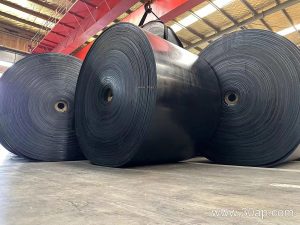
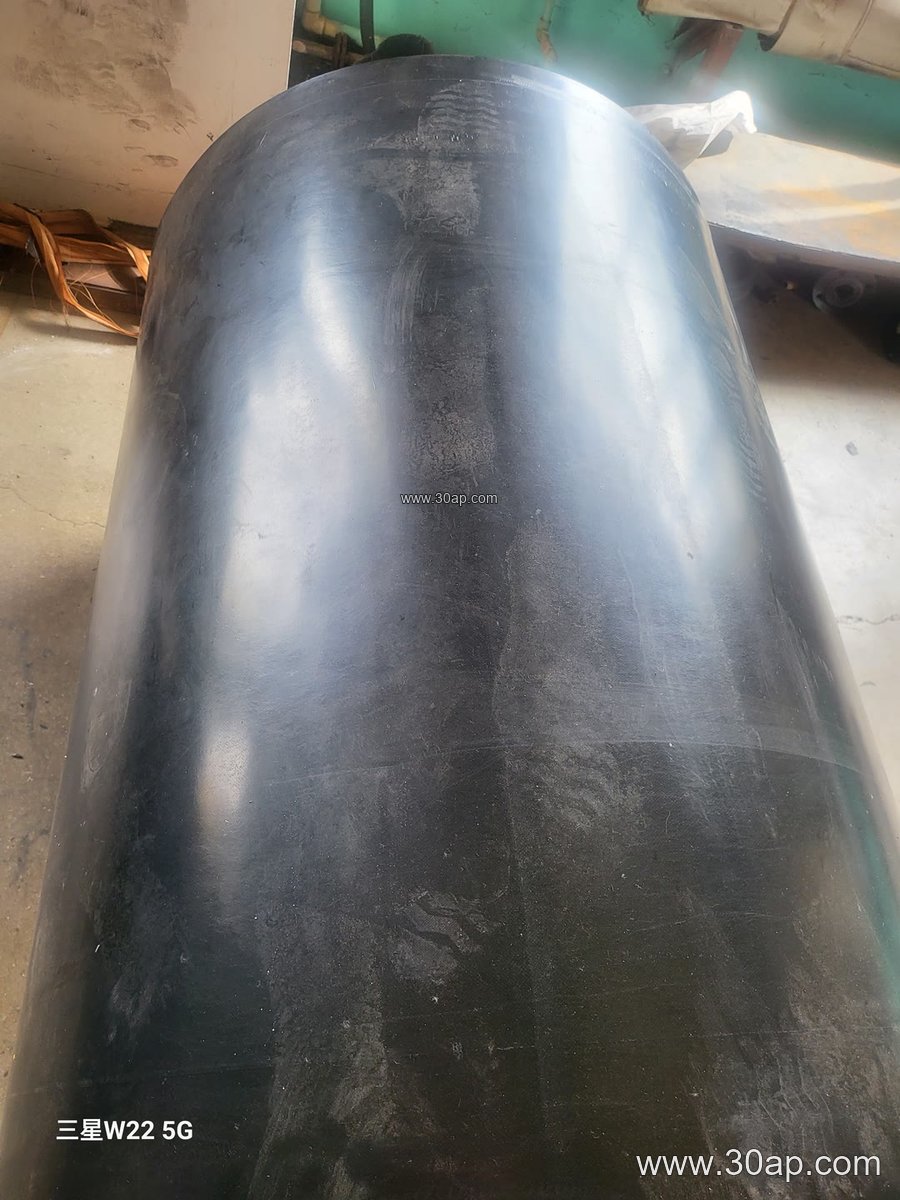
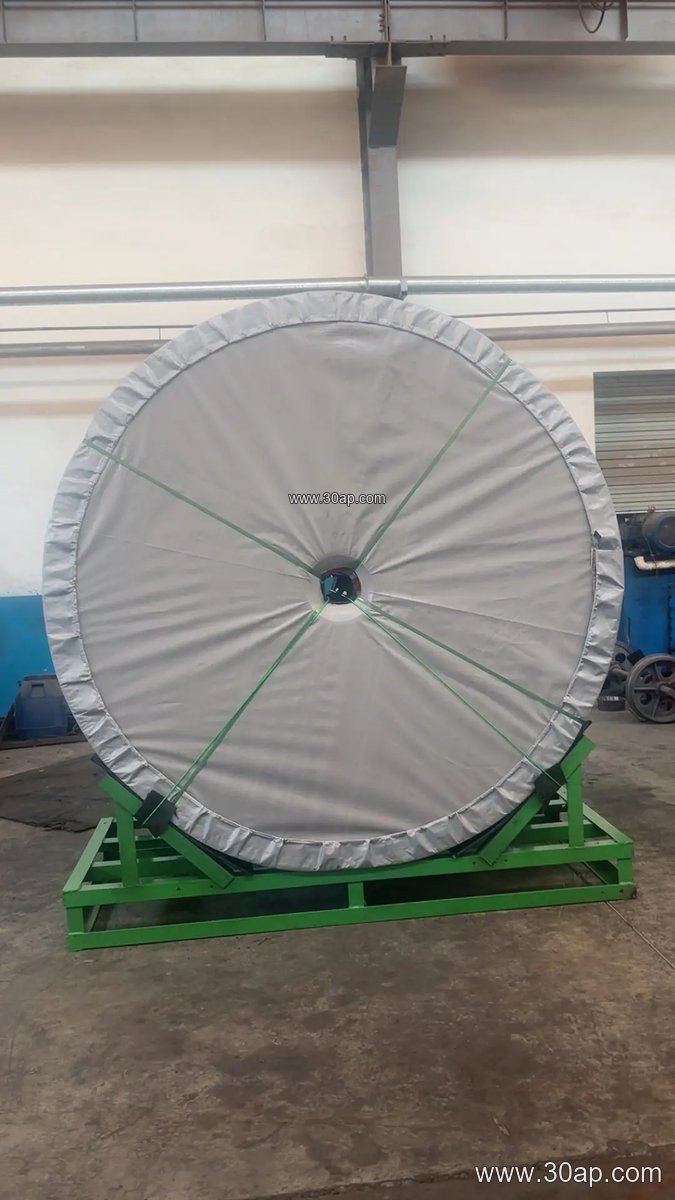
An EP conveyor belt, 10mm thick, is a fabric-core belt built with polyester (E) warp and nylon (P) weft yarns. This construction gives the belt high strength, low elongation, and good resistance to impact and fatigue. The 10mm thickness refers to the total belt gauge, typically combining cover rubber, fabric plies, and sometimes a skim layer. It is a common choice for medium to heavy-duty conveying where a balance between flexibility and load support is needed.
In the field, this product is often called an EP rubber conveyor belt or EP fabric core conveyor belt. These are accurate synonyms for the same item, and they appear on specification sheets and purchase orders across mining, cement, and aggregate operations.
How the Belt Is Built
Fabric Core
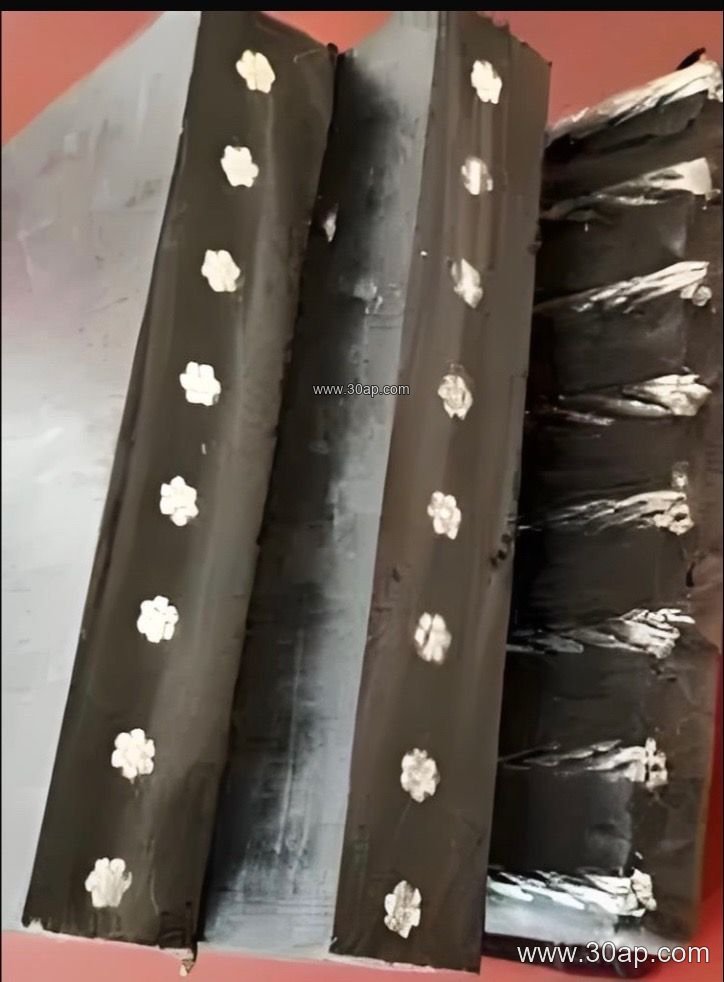
The carcass consists of multiple plies of EP fabric. Common constructions range from 2 to 6 plies, depending on the required strength class. EP belts are available in strength grades such as EP200, EP315, EP400, EP500, EP630, EP800, EP1000, EP1250, and higher. A 10mm thick belt often falls in the mid-range of these grades, though thickness and strength are separate parameters.
Cover Rubber
Top and bottom covers protect the carcass from abrasion, moisture, and impact. Typical cover thicknesses for a 10mm belt might be 4+2 mm, 5+2 mm, or 6+2 mm, with the first number indicating the top cover. The cover compound can be tailored for specific conditions: abrasion resistant, heat resistant, oil resistant, flame retardant, anti-static, or cold resistant. For underground coal mining, flame retardant and anti-static properties are often required by site regulations, not by the belt alone.
Thickness and Width
While 10mm is the focus here, belt width is selected separately based on the conveyor design and material lump size. Common widths include 500mm, 650mm, 800mm, 1000mm, 1200mm, 1400mm, 1600mm, 1800mm, and 2000mm. A 10mm thick belt can be supplied in any of these widths according to the application. There is no fixed rule that a specific width must match a specific pulley diameter; that relationship is determined by conveyor engineering.
Where It Fits in the Plant
This belt type is at home in harsh, continuous-duty environments. You will see it in:
- Mining and coal mining operations, including underground mining conveyor systems where flame retardant and anti-static grades are common.
- Quarries and aggregate plants, moving crushed stone, sand, and gravel.
- Cement plants, handling clinker, limestone, and additives.
- Power plants, conveying coal and ash.
- Steel plants and foundries, where heat and abrasion resistance may be needed.
- Ports and ship loading facilities, where high strength and wide belts are typical.
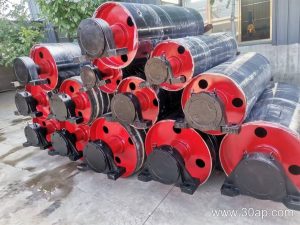
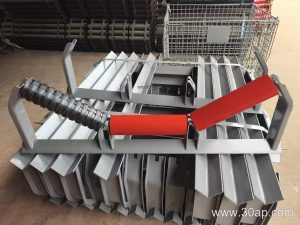
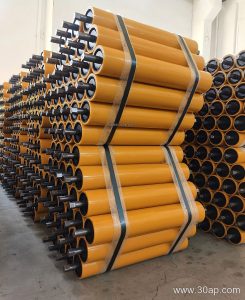
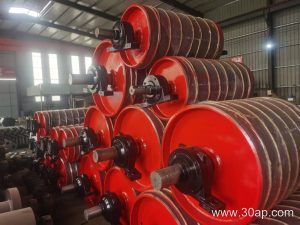
In these settings, the belt works alongside conveyor pulleys, idler rollers, and conveyor brackets. Drive pulleys, tail pulleys, and bend pulleys each have distinct roles and are not interchangeable. The belt must be compatible with the pulley diameters, troughing angles, and take-up arrangements specified for the conveyor.
Key Selection Points for Buyers
When specifying an EP conveyor belt, 10mm thick, consider the following:
- Strength class: EP200 to EP1000 are common; higher grades like EP1250 or EP1600 may be needed for long runs or high tonnage.
- Cover thickness and compound: Match to the material and environment. Abrasion resistant covers for sharp rock, heat resistant for clinker, oil resistant for recycled materials, and flame retardant for underground coal.
- Width: Determine from the conveyor design, not from the belt thickness.
- Ply count: Usually 2 to 6 plies; more plies add strength but reduce flexibility.
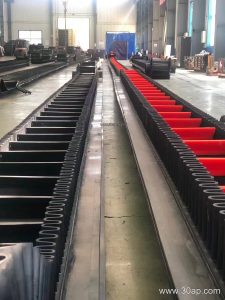
- Special features: Chevron or corrugated sidewall profiles can be added for inclined conveying, but these are different subtypes and should be specified separately.
For comparison, a steel cord conveyor belt offers higher strength for very long distances, while an NN conveyor belt uses nylon fabric throughout. The EP construction remains a versatile middle ground for many bulk material conveyor belt applications.
Maintenance and Handling Notes
Proper installation and maintenance extend belt life. Ensure pulleys and idler rollers are aligned and turning freely. Avoid material buildup on the return side. Store belts in a dry, shaded area and handle with care to prevent edge damage. When splicing, follow the belt manufacturer’s recommendations for ply separation and vulcanization.
For more information on conveyor belts, idler rollers, and pulleys, visit www.beltconveyorsolution.com. The site covers rubber conveyor belt options and related components for mining, quarry, and industrial applications.