What a Guide Idler Bracket Does on a Conveyor
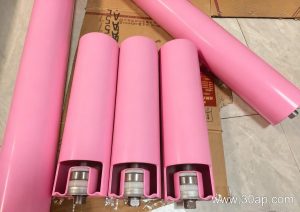
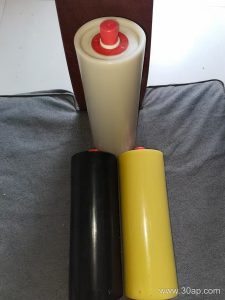
A guide idler bracket is a structural support that holds a guide idler or training idler assembly at a set position relative to the conveyor belt. In a belt conveyor line, the bracket keeps the guide roller square to the belt path and at the correct height so the roller can contact the belt edge and correct small amounts of mistracking. The part is common in quarry lines, aggregate plants, cement plants, power plant coal handling, and bulk material conveyor systems where belt alignment affects spillage and edge wear.
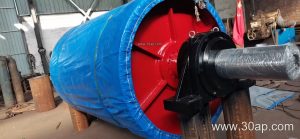
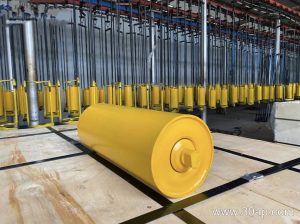
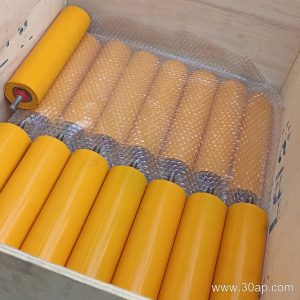
Although the guide idler bracket is a small component, it works together with the conveyor belt, idler roller, and conveyor pulley. A misaligned bracket can make a training roller push the belt the wrong way, so correct installation matters as much as the bracket’s own strength. For operators replacing worn parts, the guide idler bracket should be matched to the existing frame, belt width, and roller shaft.
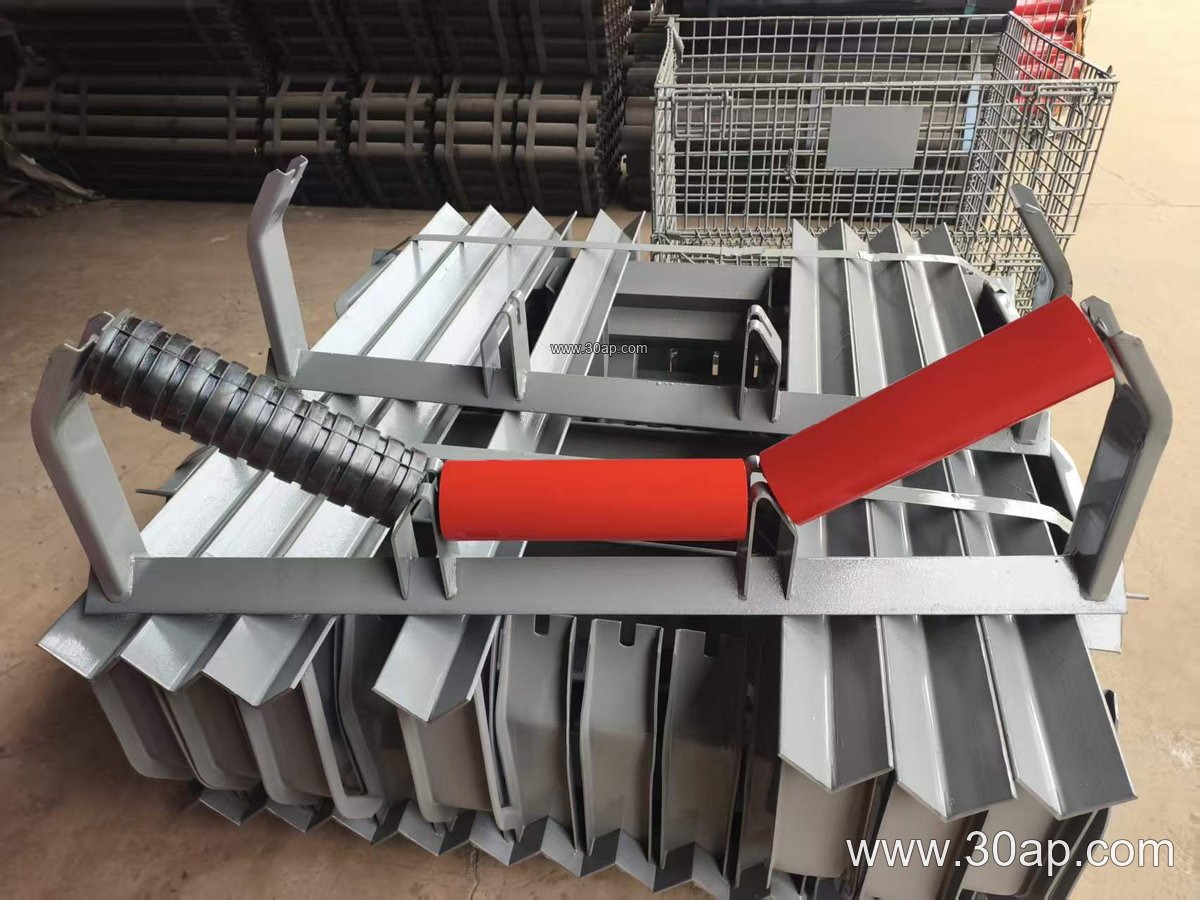
Construction and Common Materials
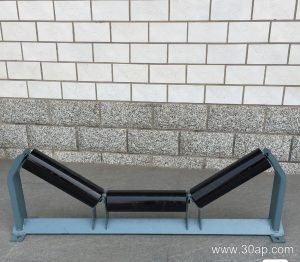
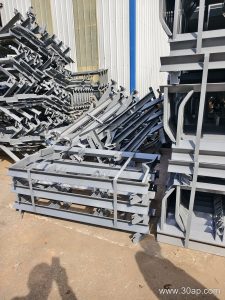
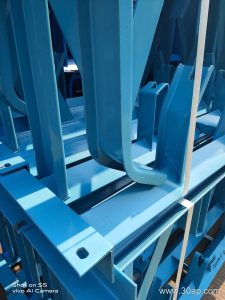
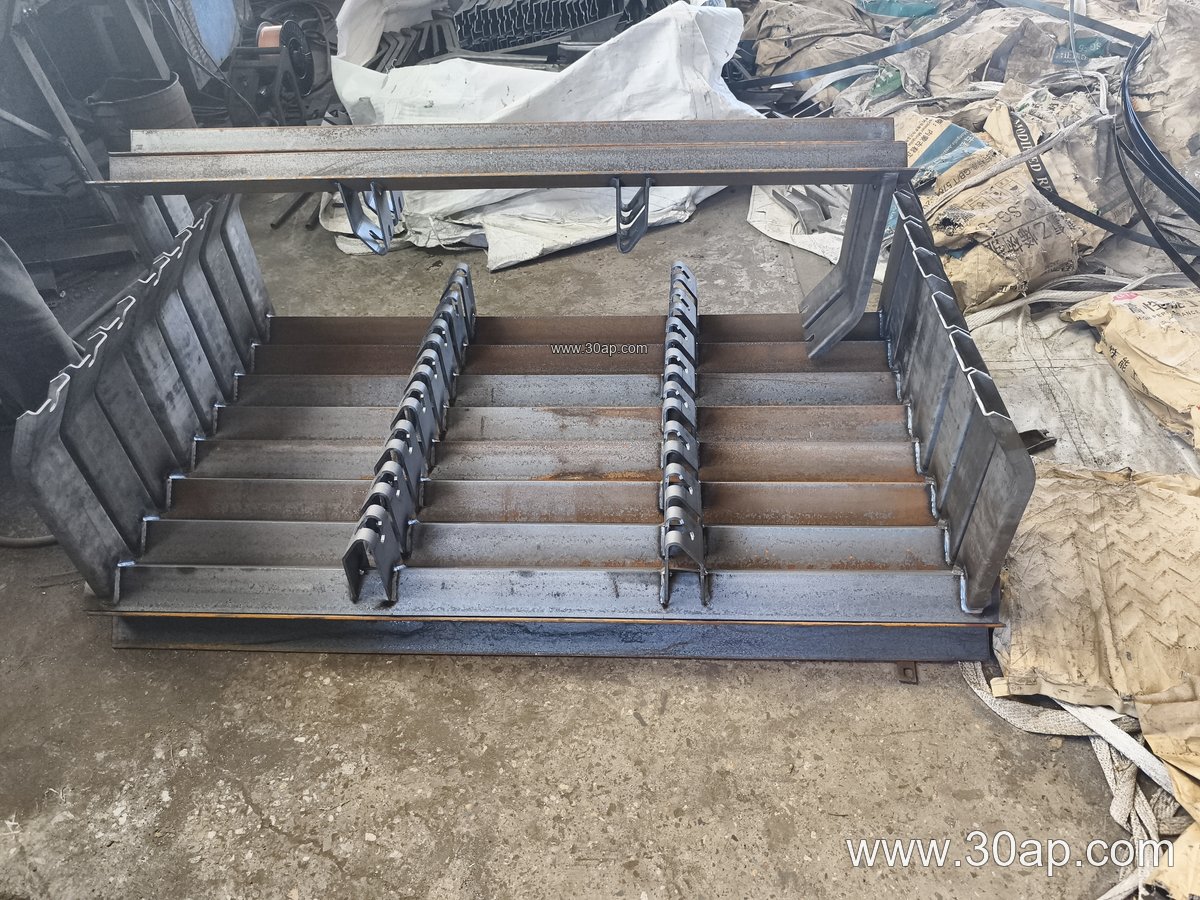
Most guide idler brackets are fabricated from angle steel, channel steel, or folded steel plate. The design usually includes a base plate or mounting pad, a vertical or angled arm, and a slot or set of holes for the idler shaft. Slotted holes allow the maintenance team to adjust roller position and contact angle after installation.
- Angle steel bracket: simple, light, and common on smaller conveyor frames.
- Channel steel bracket: stiffer, often used where the guide roller carries side load.
- Folded plate bracket: compact shape with a clean mounting face.
- Adjustable bracket: provides a range of positions for the guide roller.
Mounting hole spacing and beam length are normally determined by belt width, frame design, and the roller diameter selected. These dimensions should not be assumed from belt width alone. A B800 conveyor may use different bracket geometry from another B800 line if the frame or roller size differs.
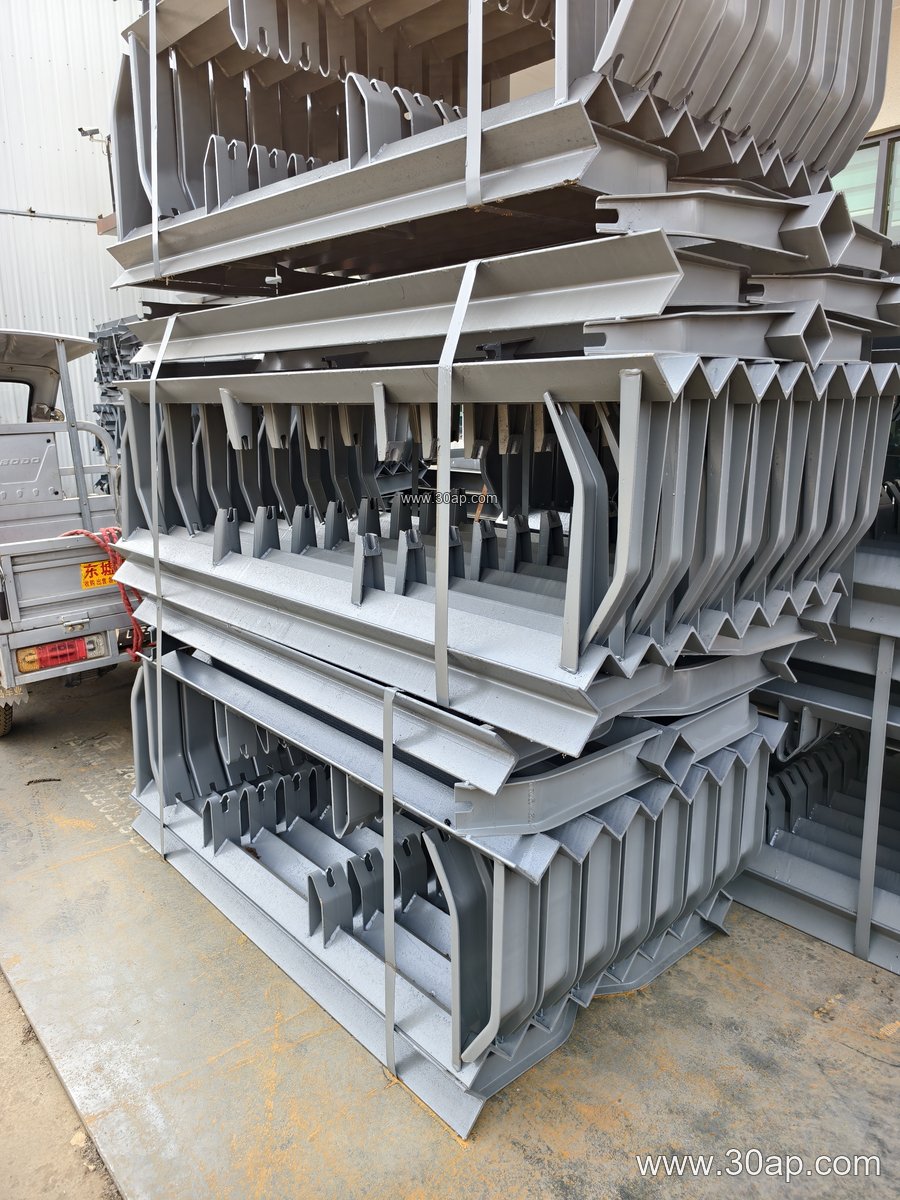
Typical Applications in Bulk Handling
Guide idler brackets appear in stone crushing plants, sand and gravel lines, cement clinker conveyors, and port loading systems. They are also used in coal mining conveyor lines and underground mining conveyor systems where the belt must stay centered on a long run. In these places, a small tracking error can lead to belt edge damage, material spillage, and extra load on the idler roller and conveyor pulley.
For abrasive duties, the bracket should be paired with an abrasion resistant conveyor belt and sturdy rollers. In dusty or wet conditions, galvanized or painted finishes help the bracket resist corrosion. Where the belt carries hot material, a heat resistant conveyor belt reduces the risk of belt surface damage, while the bracket itself should be kept clear of direct heat sources if possible.
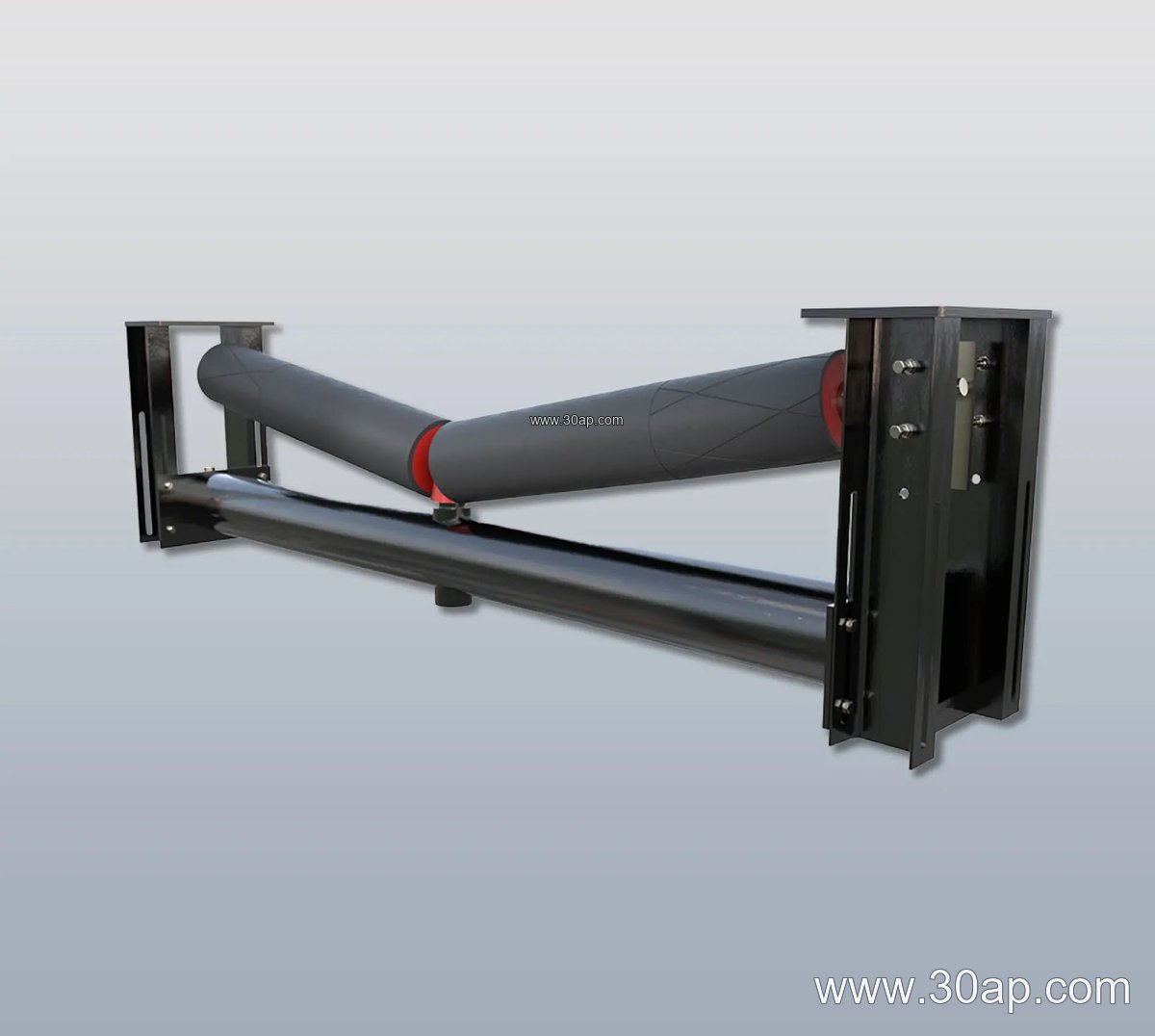
Matching the Bracket to Belt and Roller Size
Buyers should confirm three points before ordering a guide idler bracket: the conveyor frame mounting pattern, the guide roller shaft diameter, and the belt width. Common belt widths include B500, B650, B800, B1000, B1200, B1400, B1600, B1800, B2000, B2200. Common roller diameters include Ø89, Ø108, Ø133, Ø159, and Ø194. Trough angles of 20, 30, 35, and 45 degrees are used on many conveyor frames, and adjustable designs can cover a range of these angles.
| Parameter | Common Reference | Notes |
|---|---|---|
| Belt width | B500 to B2200 | Match to frame and existing roller length |
| Roller diameter | Ø89, Ø108, Ø133, Ø159, Ø194 | Check shaft and bearing housing |
| Trough angle | 20, 30, 35, 45 degrees | Adjustable brackets cover a range |
| Mounting | Bolted or welded base | Hole spacing by design |
Examples such as B800, 35 degrees, Ø108 or B1200, 45 degrees, Ø133 are reference combinations, not fixed rules. A B650 frame with 30 degrees and Ø89 is also common. The correct guide idler bracket is the one that fits the actual conveyor structure and the selected guide roller.
Buyer Checklist and Maintenance Notes
Before purchase, ask for a drawing or dimensional sketch showing the mounting holes, arm angle, and roller shaft position. Confirm whether the bracket is fixed or adjustable. Check the material thickness and surface treatment against the site conditions. On a coal handling or underground conveyor, a flame retardant conveyor belt is often specified; the bracket should still be inspected for loose bolts and deformation.
During maintenance, check the guide idler bracket whenever belt tracking is corrected. A bent arm or worn hole can shift the guide roller and cause repeated mistracking. Keep the bracket clear of built-up material and confirm that bolts remain tight after the first weeks of operation. For high tonnage operations, a heavy-duty design may be preferable to a light angle steel bracket.
Related components such as the idler roller and conveyor pulley should be reviewed in the same inspection. If the line carries large lumps, an impact resistant conveyor belt can reduce belt damage, but the bracket and roller still need proper alignment. A well-chosen guide idler bracket helps the training roller do its job and supports longer belt service life in demanding bulk material handling environments.