What a Conveyor Idler Bracket Does
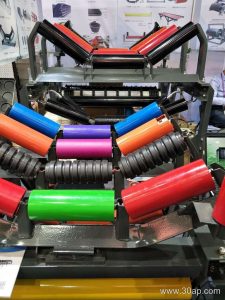
A conveyor idler bracket is the steel support that holds each idler roller in position under the belt line. It sets the trough angle, keeps roller spacing consistent, and transfers the load of the belt and material into the conveyor frame. In a typical stone crushing line or cement plant, dozens of these brackets work together with the conveyor belt and the idler rollers to keep the load moving smoothly. Without a properly aligned bracket, the belt can mistrack, the rollers can wear unevenly, and spillage increases.
The bracket is often called a conveyor bracket or idler frame in workshop language. It is a structural part, not a rotating part, so its job is alignment and stiffness rather than motion.
How the Bracket Is Built
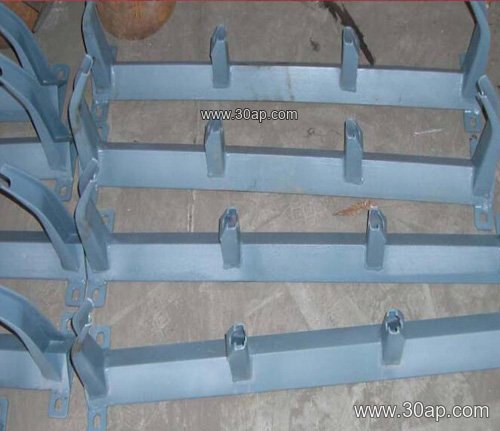
Most brackets are fabricated from angle steel, channel steel, or folded steel plate. The material choice depends on load and environment. In a coal mining conveyor or a power plant coal handling system, heavier channel sections are common because the bracket must resist vibration and impact from large lumps. Fabrication usually involves cutting, punching mounting holes, bending, and welding. A good weld and a square frame matter more than a fancy finish, because a twisted bracket will tilt the idler roller and cause edge wear on the belt.
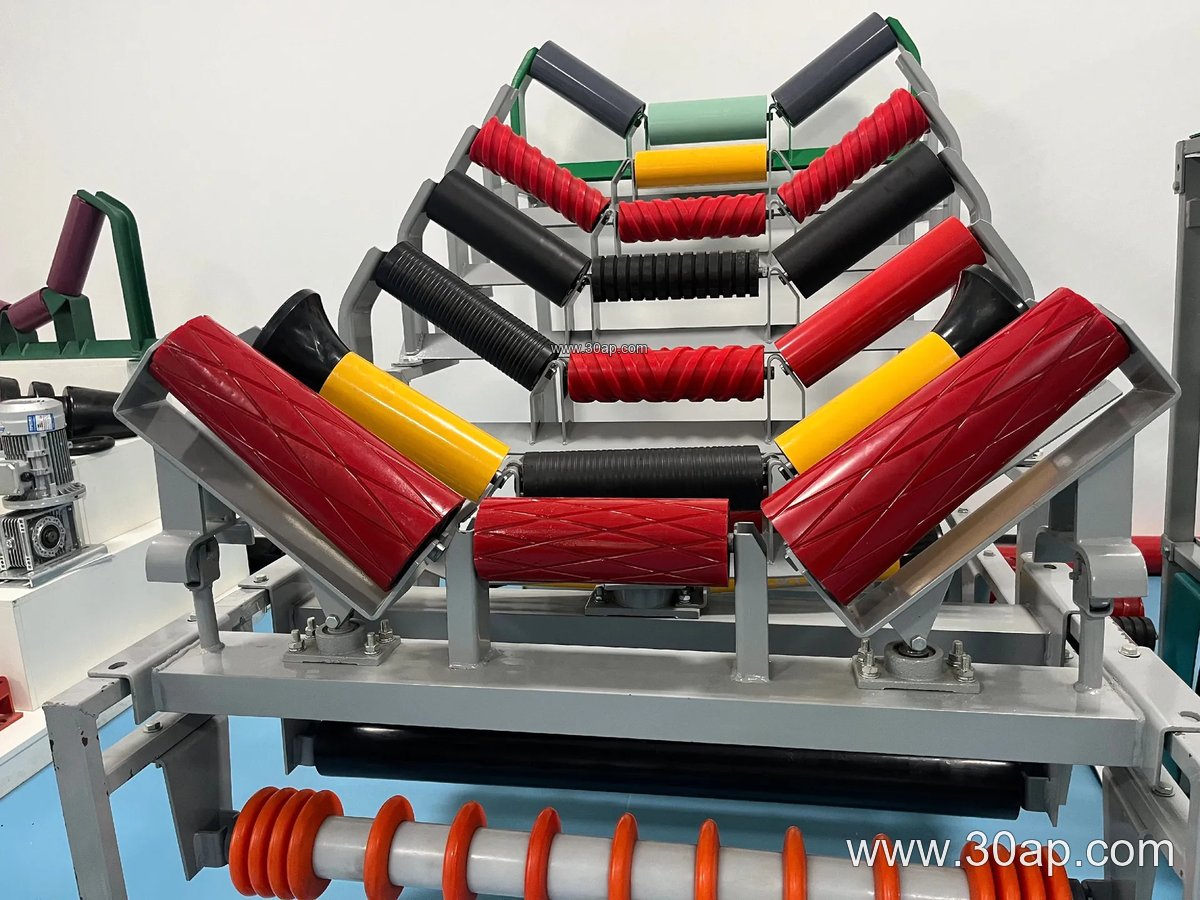
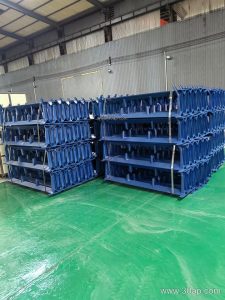
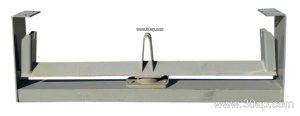
Common forms include trough brackets, transition brackets, return brackets, V-return brackets, impact brackets, self-aligning brackets, and adjustable brackets. Each has a different role, and the right choice depends on the belt width, the trough angle, and the roller diameter used in the design.
Where These Brackets Are Used
You will find conveyor idler brackets in quarries, limestone mines, iron ore plants, coal washing plants, cement plants, power plant coal yards, ports, and steel plants. In a sand and gravel line they support the carrying side of a crusher conveyor; in a tunnel muck removal system they hold the return rollers that keep the belt tracking. The bracket itself is simple, but it must match the conveyor pulley layout and the belt tension so the whole line runs straight.
In dusty or wet locations, a self-aligning or forward-tilted bracket can help the belt stay centered. On the carrying side, a 35 degree trough bracket is a common choice for bulk material, while a 45 degree trough gives a deeper trough for higher capacity. On the return side, a V-return bracket supports the belt and helps shedding sticky material.
Typical Reference Dimensions
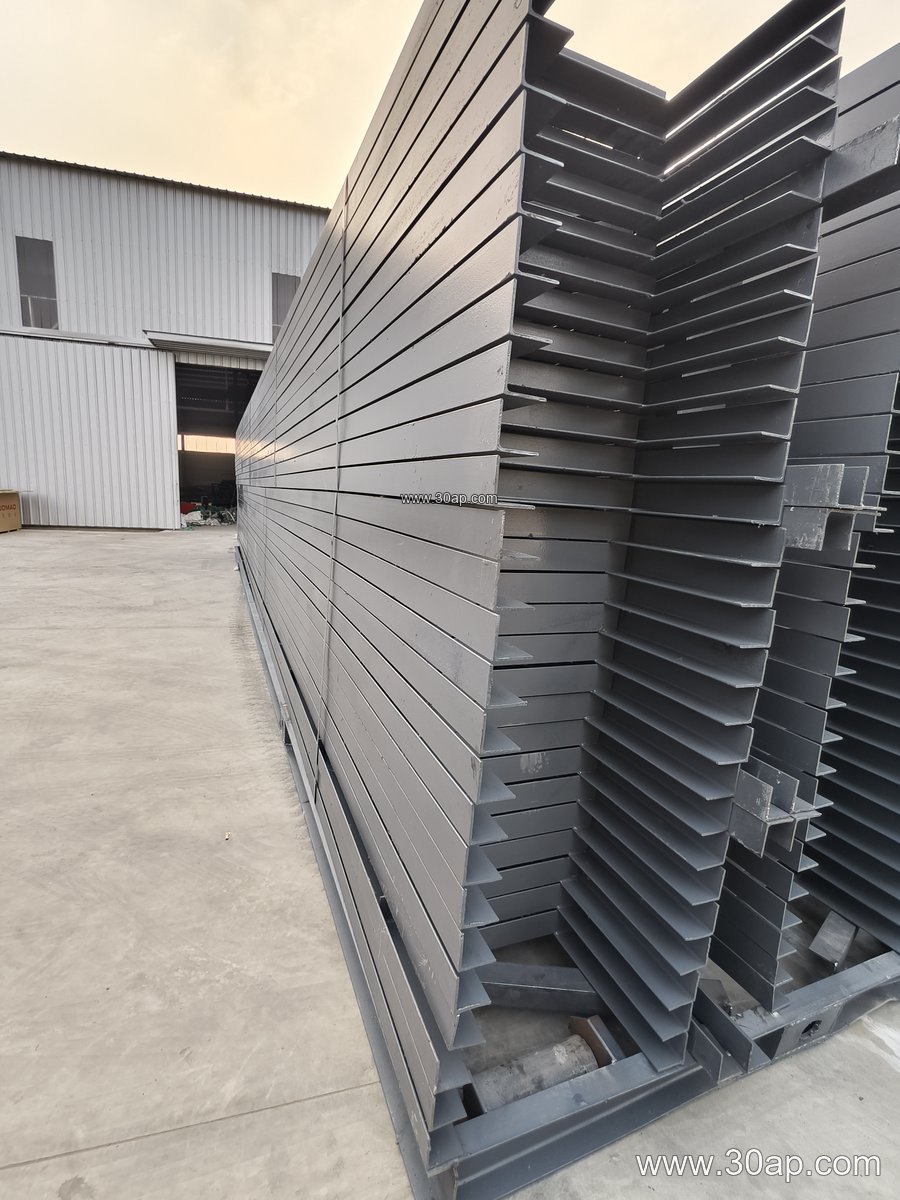
The table below shows common reference combinations. These are examples for discussion, not fixed rules. Mounting hole spacing and beam length change with belt width and trough angle, so always confirm against the conveyor drawing.
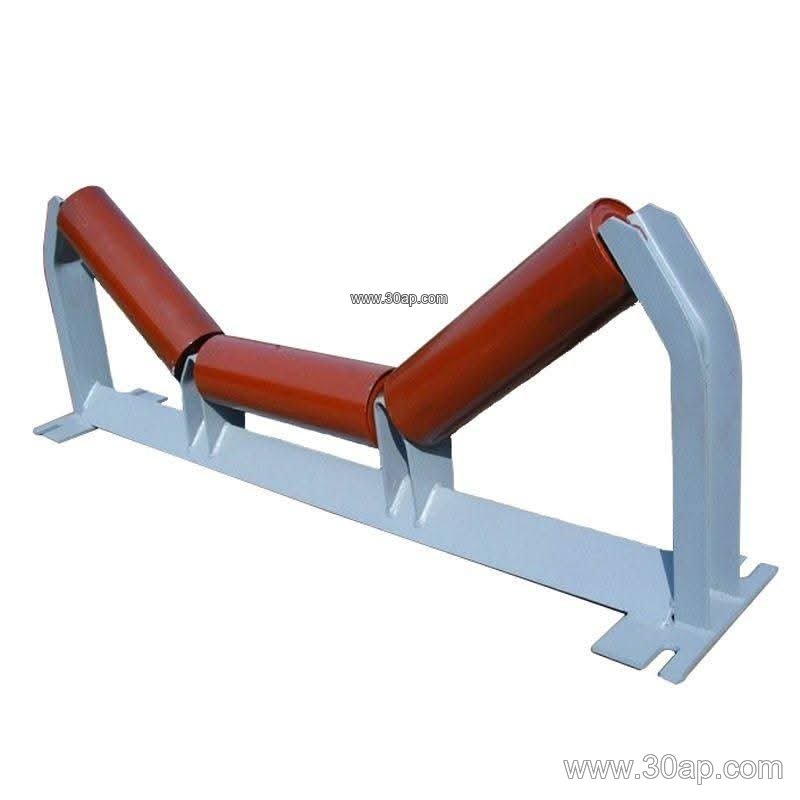
- B500 to B650, 20 to 30 degrees, roller diameter Ø89
- B800, 35 degrees, roller diameter Ø108
- B1000 to B1200, 35 to 45 degrees, roller diameter Ø133
- B1400 to B1600, 35 to 45 degrees, roller diameter Ø159
- B1800 to B2000, 35 to 45 degrees, roller diameter Ø194
Adjustable brackets allow the trough angle to be changed between 20, 30, 35, and 45 degrees during commissioning. A forward tilt of about 1.5 to 2 degrees is also common on some carrying brackets to encourage belt centering.
Buyer Checklist
Before ordering, confirm the belt width, the required trough angle, the roller diameter, and the mounting pattern on the existing frame. Ask whether the bracket is fixed or adjustable, and whether it is for the carrying side or the return side. Check the steel section and welding quality, and make sure the bracket is square. A bracket that fits loosely will let the idler roller shift, and that shortens belt life.
For more information on matching brackets with conveyor components, visit conveyoridlerbracket.com or check our pages on conveyor belt and idler roller selection. A well-chosen bracket is a small part of the conveyor, but it protects the belt, the rollers, and the pulley from unnecessary wear.