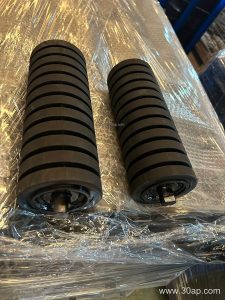
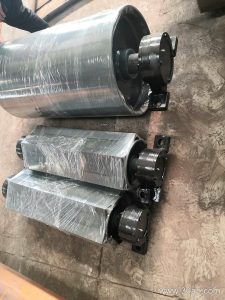
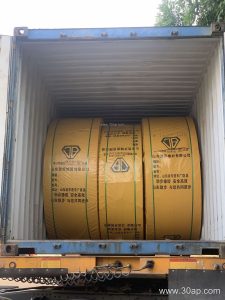
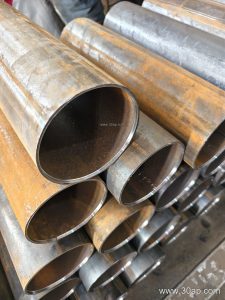
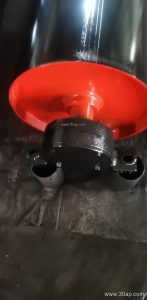
What a Mining Conveyor Bracket Does
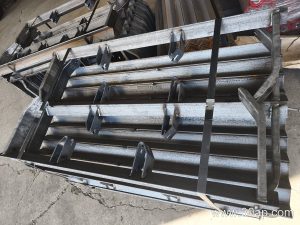
A mining conveyor bracket is the steel support that holds idler rollers at the correct position and angle under the belt. It connects the roller stations to the conveyor stringer or frame, so the belt keeps its profile along the whole run. Without a properly built bracket, a heavy-duty mining conveyor belt would sag, track poorly and wear out faster than it should. The bracket also carries the load transferred through the rollers, which makes its material and welding quality important in a quarry, a coal preparation plant or a crushing and screening line.
People often call this part a conveyor idler bracket or roller support frame. Both names describe the same product: the fabricated steel component that locates and holds conveyor idler rollers.
How the Bracket Is Built
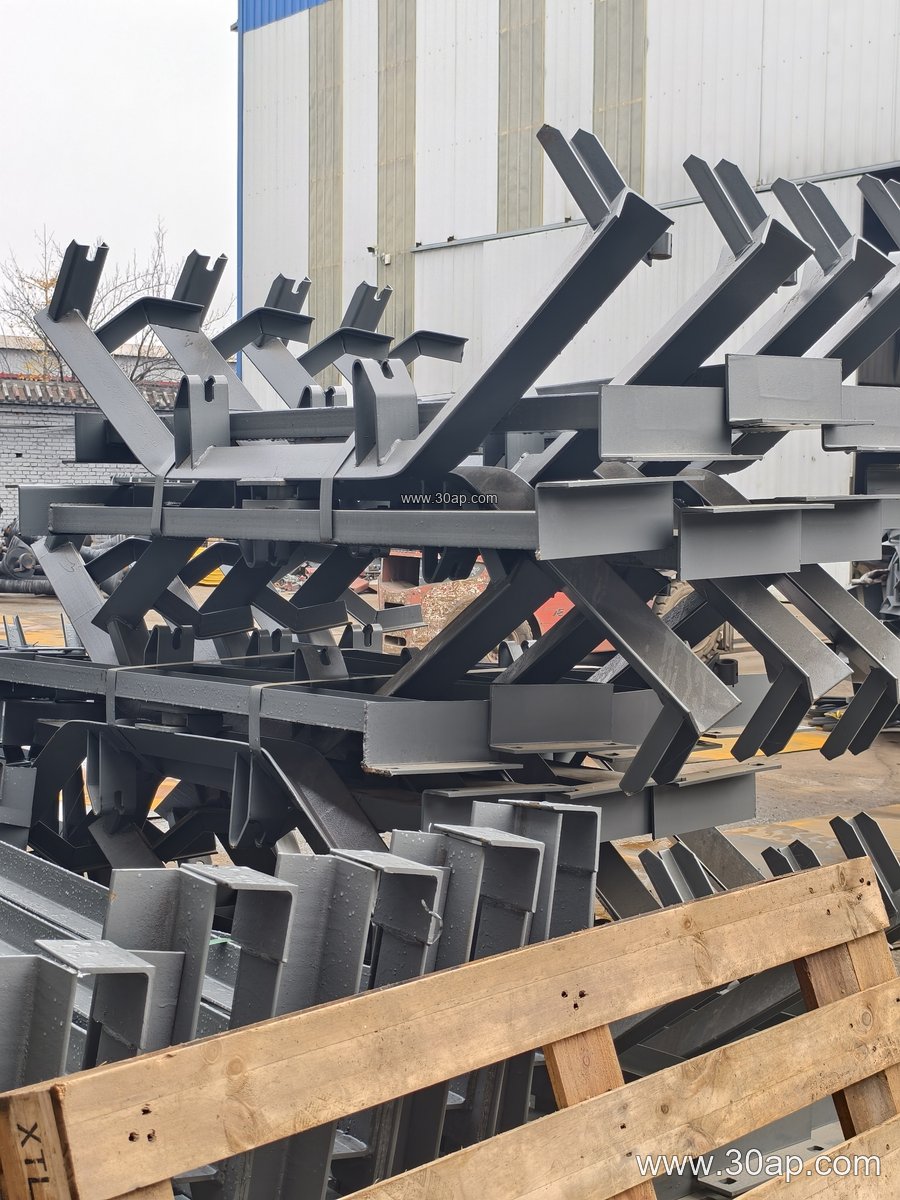
Most brackets are made from angle steel, channel steel or folded steel plate. The frame is cut, drilled and welded, then usually painted or galvanized for corrosion protection. The mounting slots or holes must line up with the stringer, and the crossbeam length depends on the belt width and trough angle. Typical materials and forms include:
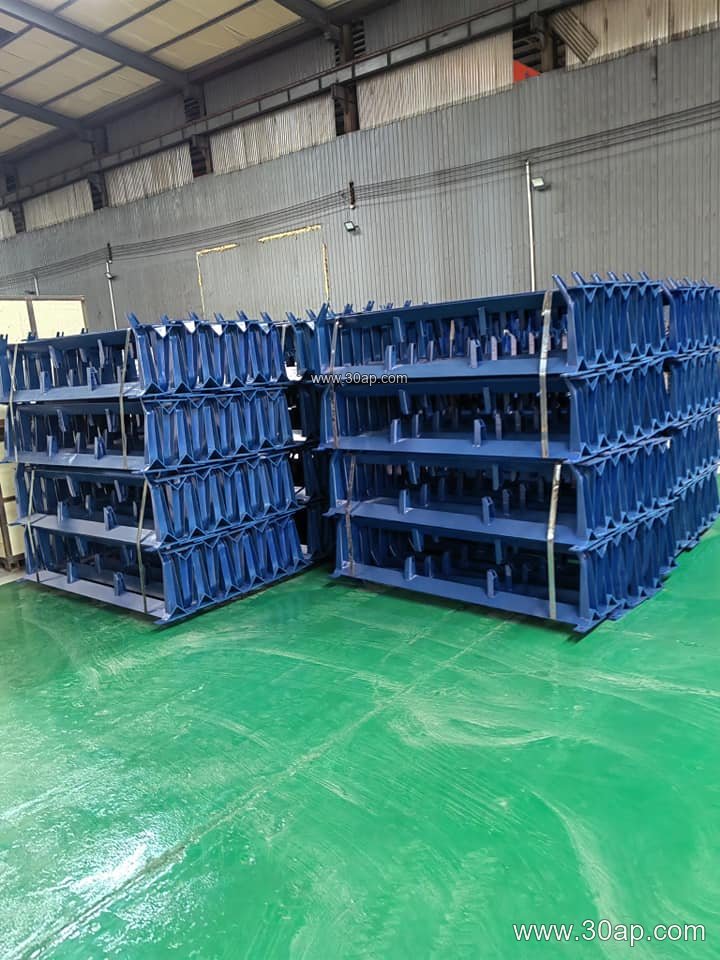
- Angle steel frame for light and medium stations
- Channel steel beam for wider belts and heavier loads
- Folded plate design for compact, stiff support
Key dimensions, such as hole spacing and beam length, are set by the conveyor design rather than by a single universal figure. A B800 station and a B1400 station will not share the same bracket geometry.
Common Types and Where They Sit
The trough bracket carries the three-roller set on the carrying side. A return bracket or V-return bracket supports the belt on the return run. Transition brackets sit near the head and tail areas, where the belt changes from flat to troughed. Impact brackets go under the loading point to absorb material drop, while self-aligning and forward-leaning brackets help keep the belt centered. Adjustable brackets let maintenance crews change the trough angle within a range, often between 20 and 45 degrees.
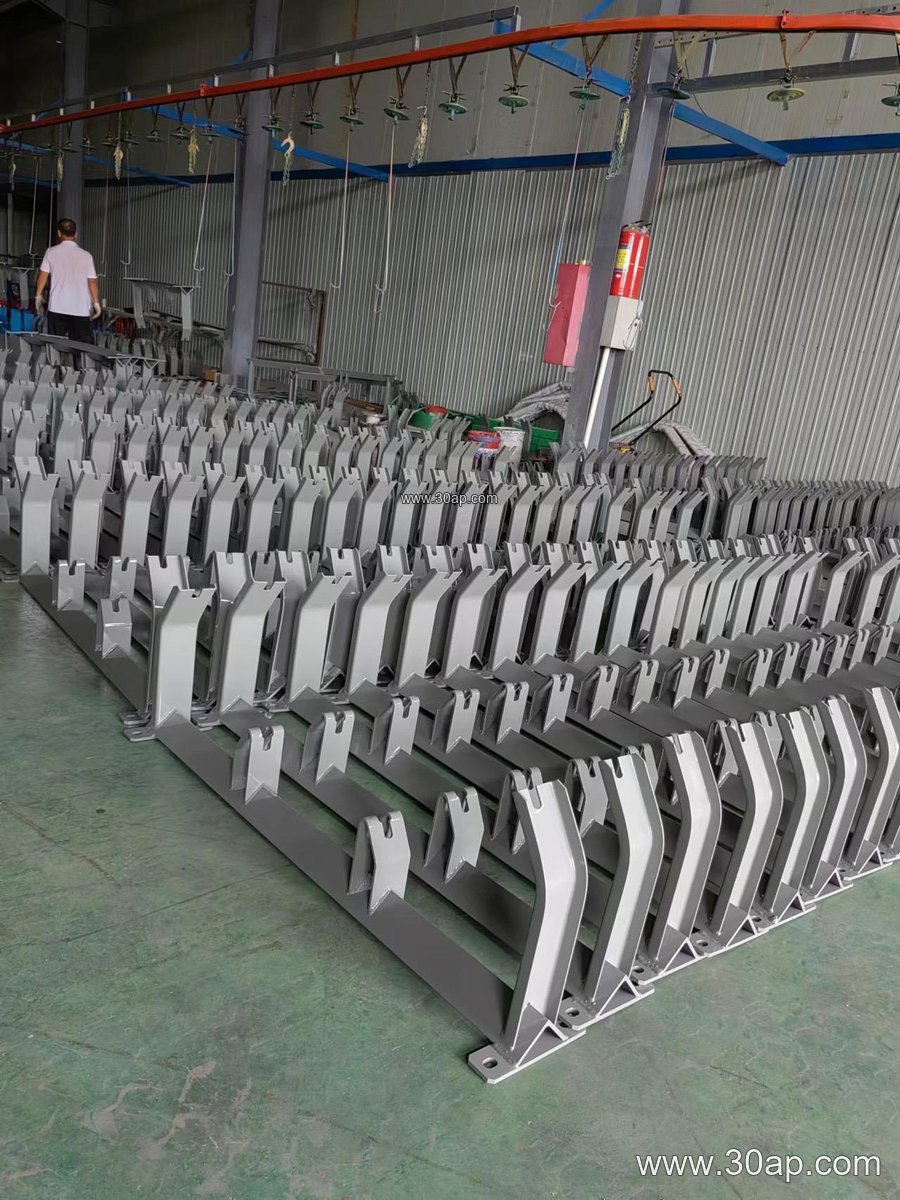
Typical Reference Combinations
The table below shows common examples of how belt width, trough angle and roller diameter are usually combined in design work. These are reference values, not fixed rules.
| Belt Width | Trough Angle | Roller Diameter | Typical Use |
|---|---|---|---|
| B650 | 30 degrees | Ø89 | Small transfer lines, sand and gravel |
| B800 | 35 degrees | Ø108 | Aggregate and cement plant conveyors |
| B1000 | 35 degrees | Ø108 or Ø133 | Coal handling and ore transport |
| B1200 | 45 degrees | Ø133 | Heavy bulk material, power plant coal |
| B1400 | 45 degrees | Ø159 | High-capacity mine and port systems |
| B1600 to B2000 | 35 to 45 degrees | Ø159 or Ø194 | Large mining and ship loading lines |
Forward-leaning brackets usually tilt about 1.5 to 2 degrees. That small angle is enough to help the belt track without adding much friction.
Matching the Bracket to the Belt and Rollers
The bracket, the idler roller and the conveyor belt work as one system. A wide, heavy belt such as a steel cord conveyor belt needs a stiffer frame and larger rollers than a lighter fabric core belt. In a coal mine, a flame retardant conveyor belt may run on the same style of bracket as an abrasion resistant conveyor belt in a stone crushing plant, but the load rating and roller spacing will differ. For long overland runs, an EP conveyor belt or a multi-ply fabric core conveyor belt is common, and the bracket spacing is set by the belt sag limit.
Buyers should confirm the belt width, trough angle, roller diameter and stringer hole pattern before ordering. It also helps to state the environment: a cement plant, a fertilizer plant or a cold-climate ore yard will each need a different surface treatment. The bracket itself is simple, but the wrong hole spacing stops an entire conveyor line.
Installation and Maintenance Notes
Install brackets square to the belt centerline and at the same height along the stringer. Check that rollers turn freely after tightening, because a binding roller can wear through a rubber conveyor belt quickly. In dusty service, clean the bracket seats during scheduled stops and look for cracked welds or loose bolts. A small repair on a bracket is far cheaper than replacing a damaged belt or a bent conveyor pulley.
For more on matched conveyor components, see the belt and roller range at conveyor-belt-and-roller.com, where mining conveyor bracket options are listed alongside roller and pulley data.