What a Rubber Conveyor Belt Is
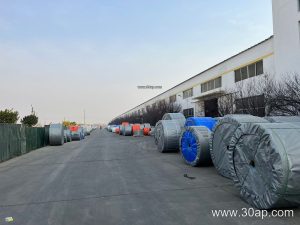
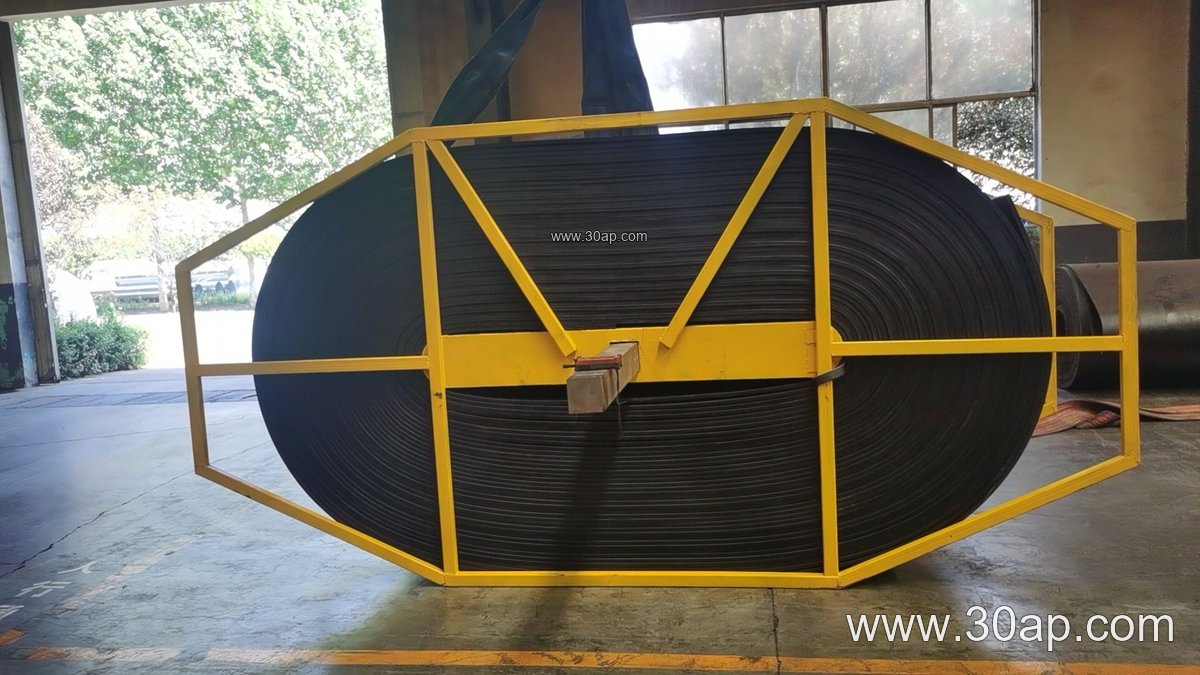
A Rubber Conveyor Belt is the flexible carrying surface of a belt conveyor, built from a rubber cover wrapped around a tension-bearing carcass. In a quarry, a cement plant, a coal preparation unit, or a power plant coal yard, this belt is the component that actually moves crushed rock, clinker, or fuel from one transfer point to the next. The rubber gives grip and protects the carcass; the carcass carries the pull. Buyers often shorten the name to rubber belt, but the full product is still a Rubber Conveyor Belt with a defined cover compound and core construction.
How the Belt Is Built
Most belts share the same layered logic. A top cover faces the material, a bottom cover runs over the return idler roller, and between them sits the core. Fabric cores use woven plies, while steel cord cores use brass-plated wires. Cover thickness is usually written as a pair, for example 4+2 mm or 6+2 mm, meaning top cover plus bottom cover. The carcass may be 2 to 6 plies in fabric designs. Compound selection decides whether the belt survives abrasion, heat, oil, or cold.
Core Types and Strength Grades
The core sets the working tension. Common references include EP Conveyor Belt grades such as EP200, EP400, EP630, EP1000, and EP1250, NN Conveyor Belt grades such as NN200 and NN300, and Steel Cord Conveyor Belt grades such as ST1000, ST1600, and ST2500. Fabric Core Conveyor Belt designs suit medium-duty lines, while steel cord designs suit long, high-tension trunk conveyors. A Multi-Ply Fabric Core Conveyor Belt is common where impact and tearing resistance matter more than extreme tension.
| Reference item | Typical examples | Notes |
|---|---|---|
| Core type | EP, NN, steel cord, PVC, PVG | Selected by tension and fire rules |
| Strength grade | EP200, EP630, EP1000, ST1600, ST2500 | Reference values, confirm by design |
| Belt width | B500, B650, B800, B1000, B1200, B1400, B1600, B1800, B2000 | Matched to tonnage and lump size |
| Cover thickness | 3+1.5, 4+2, 5+2, 6+2, 8+3 mm | Top plus bottom cover |
| Carcass plies | 2 to 6 plies | Fabric designs only |
Surface Forms and Special Duties
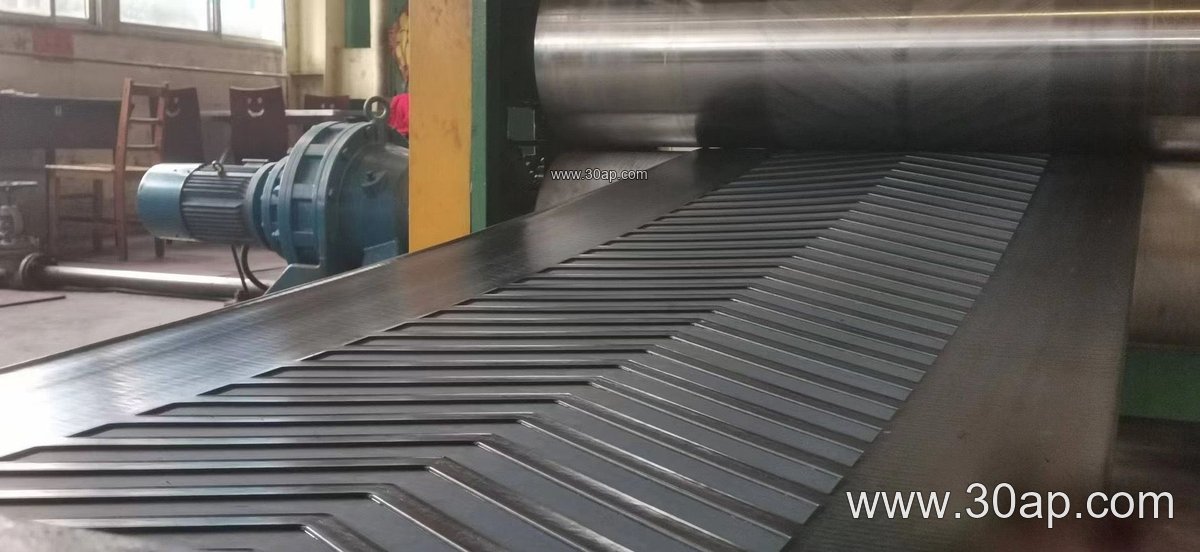
Plain belts handle most horizontal and gently inclined runs. A Chevron Conveyor Belt adds raised ribs for steeper inclines, and a Corrugated Sidewall Conveyor Belt with a Skirted Conveyor Belt arrangement keeps bulk material on a narrow, steep path. In enclosed routes, a Pipe Conveyor Belt curls into a tube to contain dust. Heat Resistant Conveyor Belt and High Temperature Conveyor Belt compounds serve clinker and sinter lines; an Oil Resistant Conveyor Belt suits oily scrap or grain; a Cold Resistant Conveyor Belt is chosen for freezing yards. Underground Coal Mining Conveyor Belt users normally ask for Flame Retardant Conveyor Belt or Fire Resistant Conveyor Belt compounds, often with Anti-Static Conveyor Belt properties. An Abrasion Resistant Conveyor Belt or High Abrasion Resistant Conveyor Belt cover is standard in Aggregate Conveyor Belt and Iron Ore Conveyor Belt service.
Where It Runs
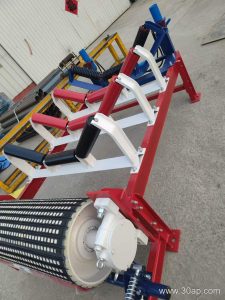
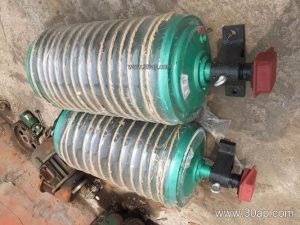
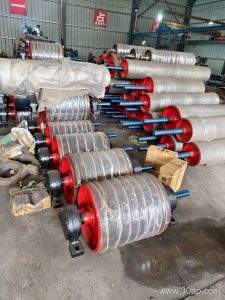
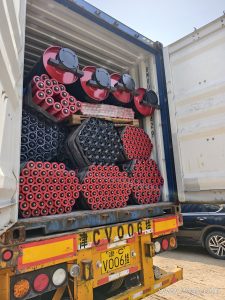
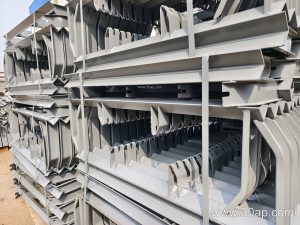
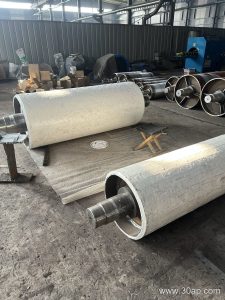
Mining Conveyor Belt duties range from primary crusher discharge to concentrate haulage. A Cement Conveyor Belt carries limestone, clinker, and gypsum; a Power Plant Conveyor Belt moves coal from the yard to the bunker; a Port Conveyor Belt and Ship Loading Conveyor Belt handle bulk cargo. A Crusher Conveyor Belt and Stone Crushing Conveyor Belt see sharp, hot, or fast-moving loads. In all of these, the belt works with a conveyor pulley at the drive and tail positions, a idler roller set supporting the load side, and a conveyor bracket holding the frames. The drive pulley, tail pulley, and bend pulley are separate parts and are not interchangeable with each other or with the belt itself.
Buyer Checklist
- State the material, lump size, temperature, and whether oil or chemicals are present.
- Give the required width, for example B800 or B1200, and the center distance of the conveyor.
- Name the tension grade you need, such as EP1000 or ST1600, or ask for a design check.
- Confirm cover thickness and whether an Endless Conveyor Belt is required for the joint.
- For underground work, confirm flame retardant and anti-static requirements in writing.
- Check pulley diameters, idler roller spacing, and take-up travel before ordering.
Width, grade, and cover thickness are linked to the whole conveyor design, not to a single pulley size. A 1200mm belt is not tied to one drive pulley diameter, and shaft size must come from the pulley maker’s calculation. Treat catalog grades as reference data and confirm final specifications with the belt supplier and conveyor designer. For related components such as the conveyor pulley, idler roller, and conveyor bracket, keep the belt data and the mechanical data on the same drawing so nothing is ordered twice.