What Is a 1800mm Conveyor Belt
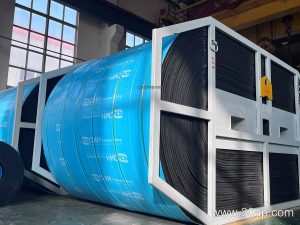
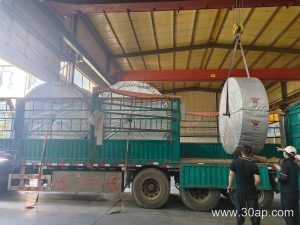
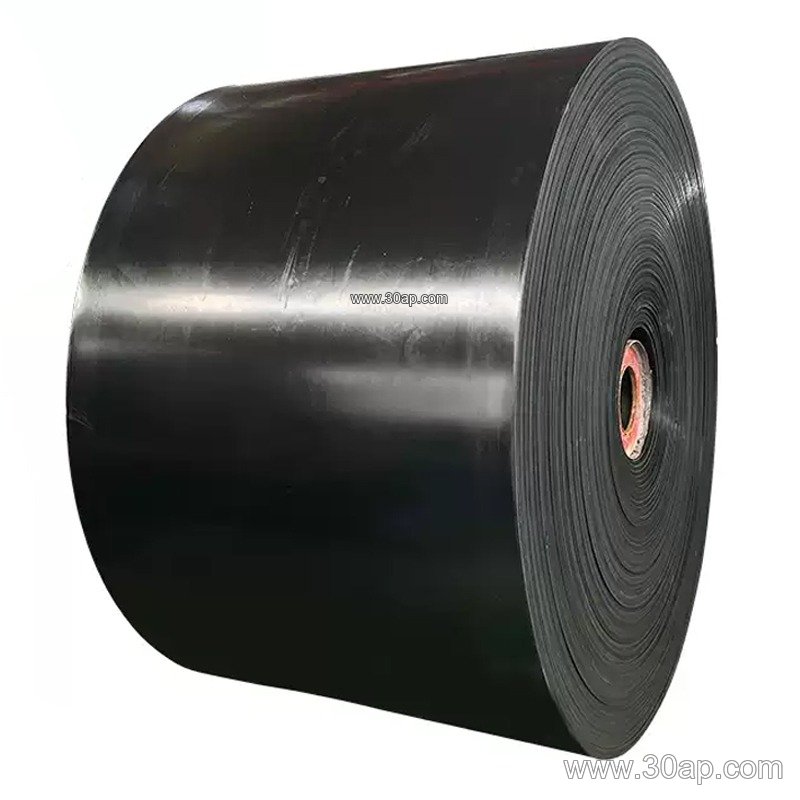
A 1800mm conveyor belt is a wide belt designed for bulk material transport in heavy-duty applications. With a width of 1800 millimeters, often referred to as an 1800mm wide conveyor belt, it offers a large carrying capacity suitable for high-volume operations. This belt is commonly used in industries such as mining, cement, power plants, and ports where large quantities of materials need to be moved efficiently. The 1800mm Conveyor Belt is a specific size within the range of wide conveyor belts, which also includes other widths like 1600mm and 2000mm.
Construction and Materials
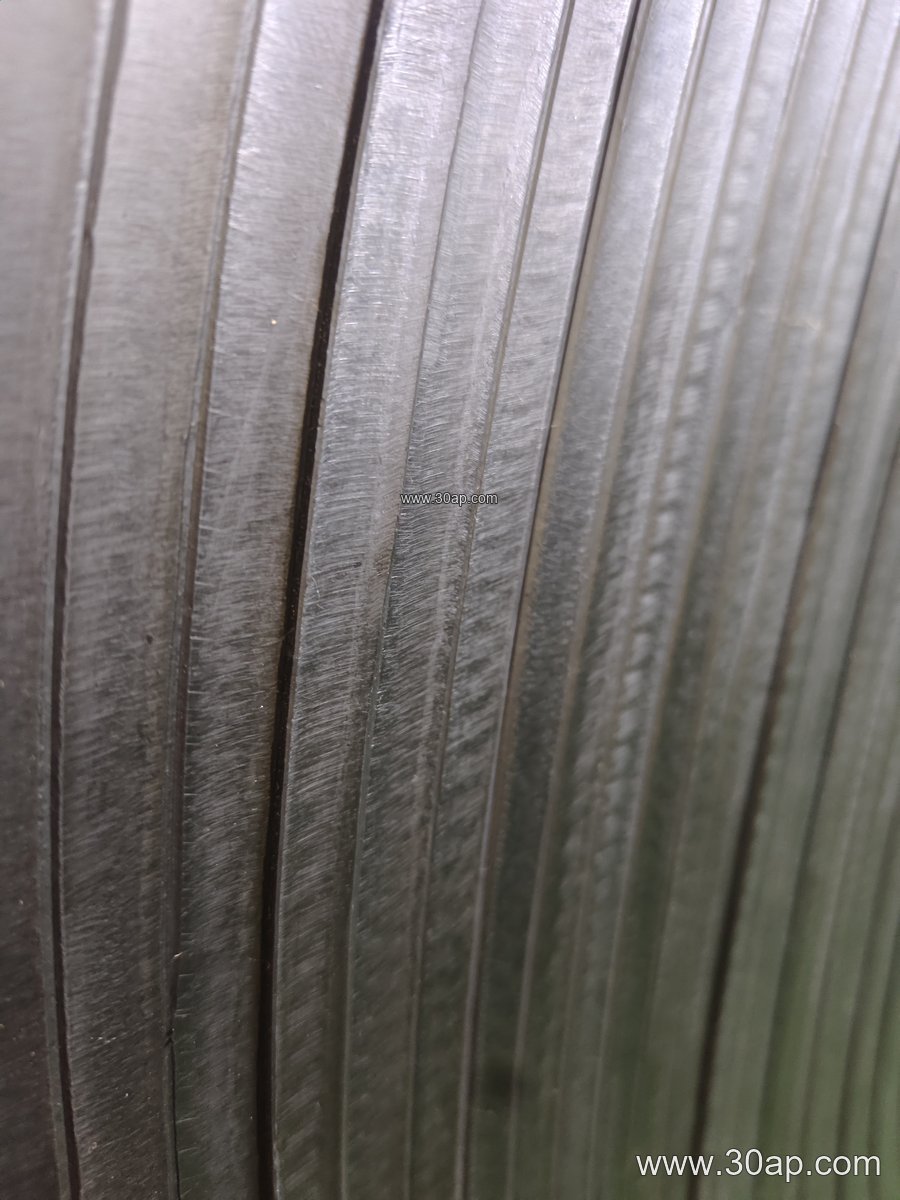
The construction of a 1800mm conveyor belt varies based on the intended application. Common types include fabric core belts such as EP Conveyor Belt and NN Conveyor Belt, as well as steel cord belts for higher tension requirements. The belt typically consists of a carcass (fabric or steel cord) and rubber covers. Cover thickness and quality are selected to resist abrasion, heat, oil, or flames, depending on the environment. For instance, a Heat Resistant Conveyor Belt might be used in cement plants or foundries, while a Flame Retardant Conveyor Belt is essential in coal mining operations. The 1800mm width allows for the use of multiple plies or heavy-duty steel cords to handle large loads without sagging.
Applications in Various Industries
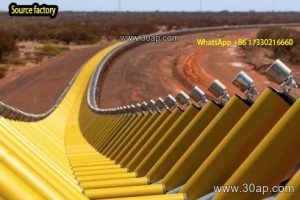
This wide belt is employed in numerous sectors that require high throughput. In the mining industry, a 1800mm conveyor belt is often part of a Mining Conveyor Belt system for transporting ore, coal, or overburden. In coal mining, especially underground, flame retardant and anti-static properties are critical, making Fire Resistant Conveyor Belt and Anti-Static Conveyor Belt specifications important. Cement plants use these belts to move limestone, clinker, and additives; here, abrasion resistance and heat resistance are key. Power plants rely on them for coal handling, while ports use them for ship loading and unloading. The large width reduces the number of belt lines needed, improving efficiency in bulk material handling.
Key Specifications and Sizing
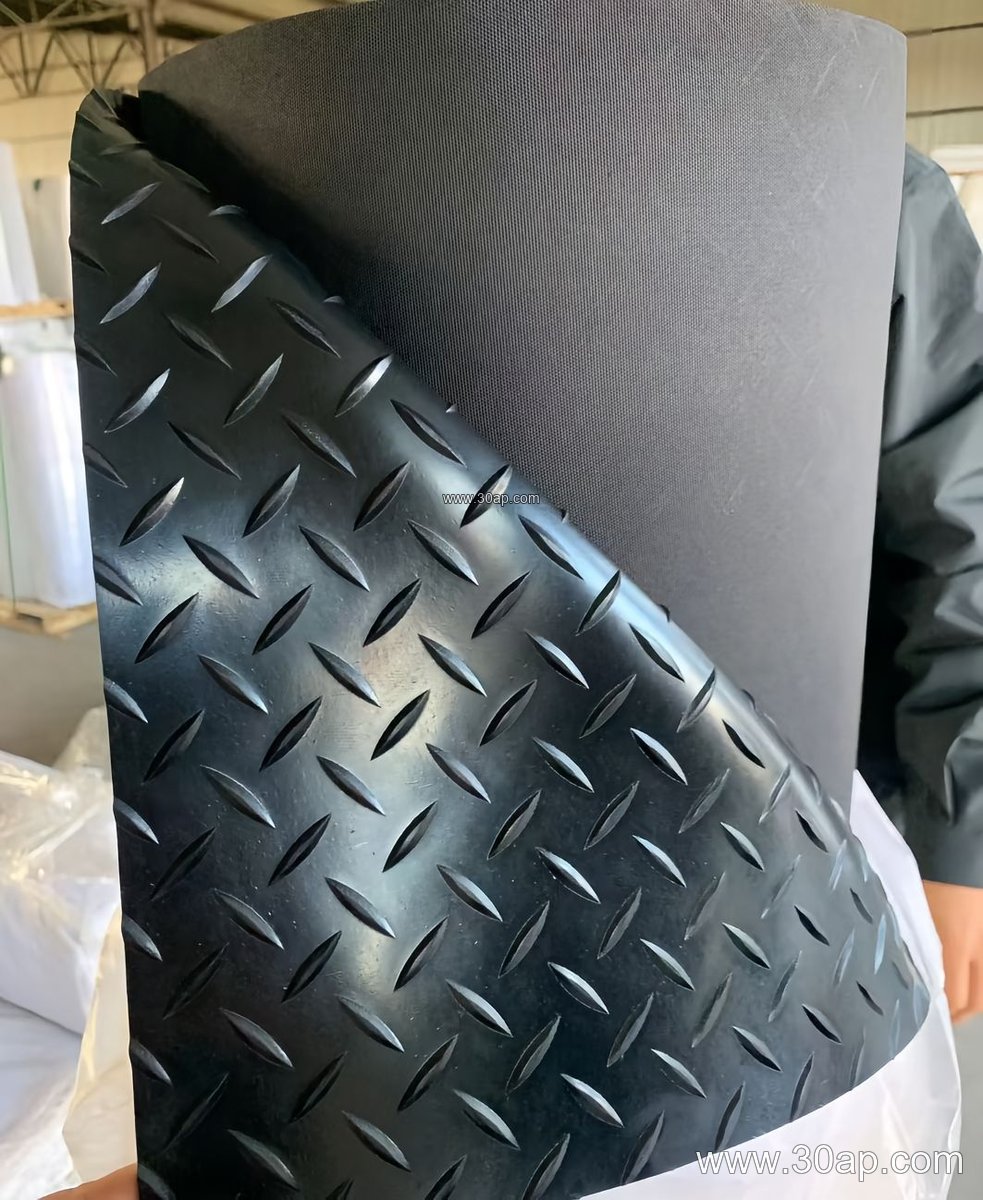
When selecting a 1800mm conveyor belt, several parameters must be considered. The belt width is fixed at 1800mm, but strength, cover thickness, and carcass type vary. Common strength grades for fabric belts include EP200, EP315, EP400, EP500, EP630, EP800, EP1000, EP1250, EP1600, and EP2000. Steel cord belts may have different tension ratings. Cover thickness is often specified in millimeters, such as 3+1.5, 4+2, 5+2, 6+2, or 8+3 mm, where the first number indicates top cover and the second bottom cover. The number of plies in fabric belts typically ranges from 2 to 6. These values are indicative and should be confirmed with the manufacturer based on the specific application. The table below summarizes typical options.
| Parameter | Common Options |
|---|---|
| Belt Width | 1800mm |
| Strength Grade (Fabric) | EP200, EP315, EP400, EP500, EP630, EP800, EP1000, EP1250, EP1600, EP2000 |
| Cover Thickness (mm) | 3+1.5, 4+2, 5+2, 6+2, 8+3 |
| Number of Plies | 2 to 6 (fabric) |
| Types | EP, NN, Steel Cord, Heat Resistant, Flame Retardant, Oil Resistant, Abrasion Resistant, etc. |
Note that these are reference values; actual specifications depend on the conveyor design and operating conditions. For example, an EP1250 1800mm Conveyor Belt might be chosen for a high-tension application, while a Steel Cord Conveyor Belt could be necessary for very long distances or high impact.
Selection and Maintenance Tips
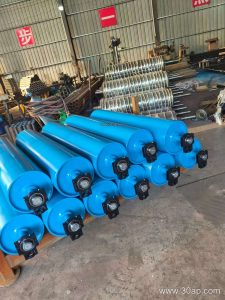
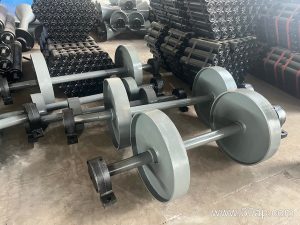
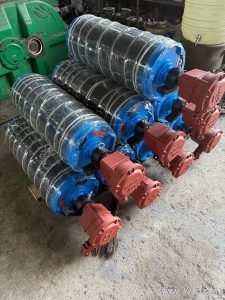
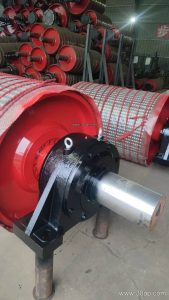
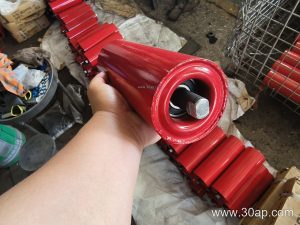
Choosing the right 1800mm conveyor belt involves matching the belt to the material being conveyed, the operating environment, and the conveyor system design. Consider factors such as material lump size, abrasiveness, temperature, and chemical exposure. For instance, in a quarry, an Abrasion Resistant Conveyor Belt is often needed, while in a food processing plant, a Food Grade Conveyor Belt would be appropriate. Ensure compatibility with conveyor pulleys, idler rollers, and brackets; the belt width must align with the pulley face and idler length. Regular maintenance includes checking belt tension, alignment, and surface wear. Inspect idler rollers and conveyor pulleys for damage, and ensure conveyor brackets are secure. Proper belt tracking reduces edge damage, which is especially important for wide belts. Lubricate bearings as recommended and replace worn components promptly.
Buyer’s Checklist
- Verify the required strength grade and carcass type (e.g., EP Conveyor Belt, Steel Cord Conveyor Belt).
- Confirm cover thickness and rubber quality for abrasion, heat, oil, or flame resistance.
- Check belt width compatibility with existing conveyor pulleys and idler rollers.
- Consider environmental factors: temperature, humidity, and chemical exposure.
- Ensure the belt meets safety standards for the industry, such as flame retardancy in coal mining.
- Review manufacturer’s data sheets for accurate specifications and installation guidelines.
For more information on conveyor belts, idler rollers, and pulleys, visit our website at www.example.com/conveyor-belt or www.example.com/idler-roller. Our experts can help you select the right 1800mm Conveyor Belt for your operation.