What a Mining Trough Idler Does on the Line
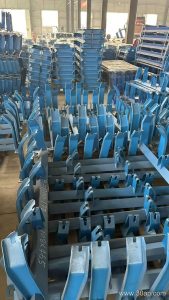
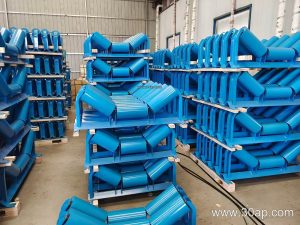
A mining trough idler is the carrying idler that shapes a conveyor belt into a trough so that bulk material stays centered and does not spill. On a heavy-duty mining conveyor belt, these idlers support the loaded strand and take the continuous impact of rock, ore, and aggregate. The trough angle and roll arrangement decide how the belt cross-section behaves, which in turn affects capacity, belt life, and the load on the conveyor bracket and frame. In a quarry, an iron ore plant, or a coal handling system, the trough idler is one of the highest-count components on the whole conveyor.
Construction and Main Subtypes
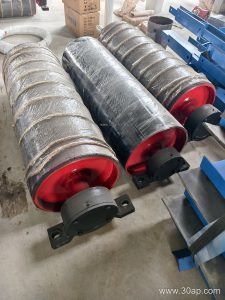
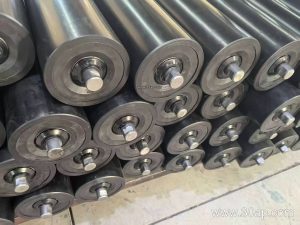
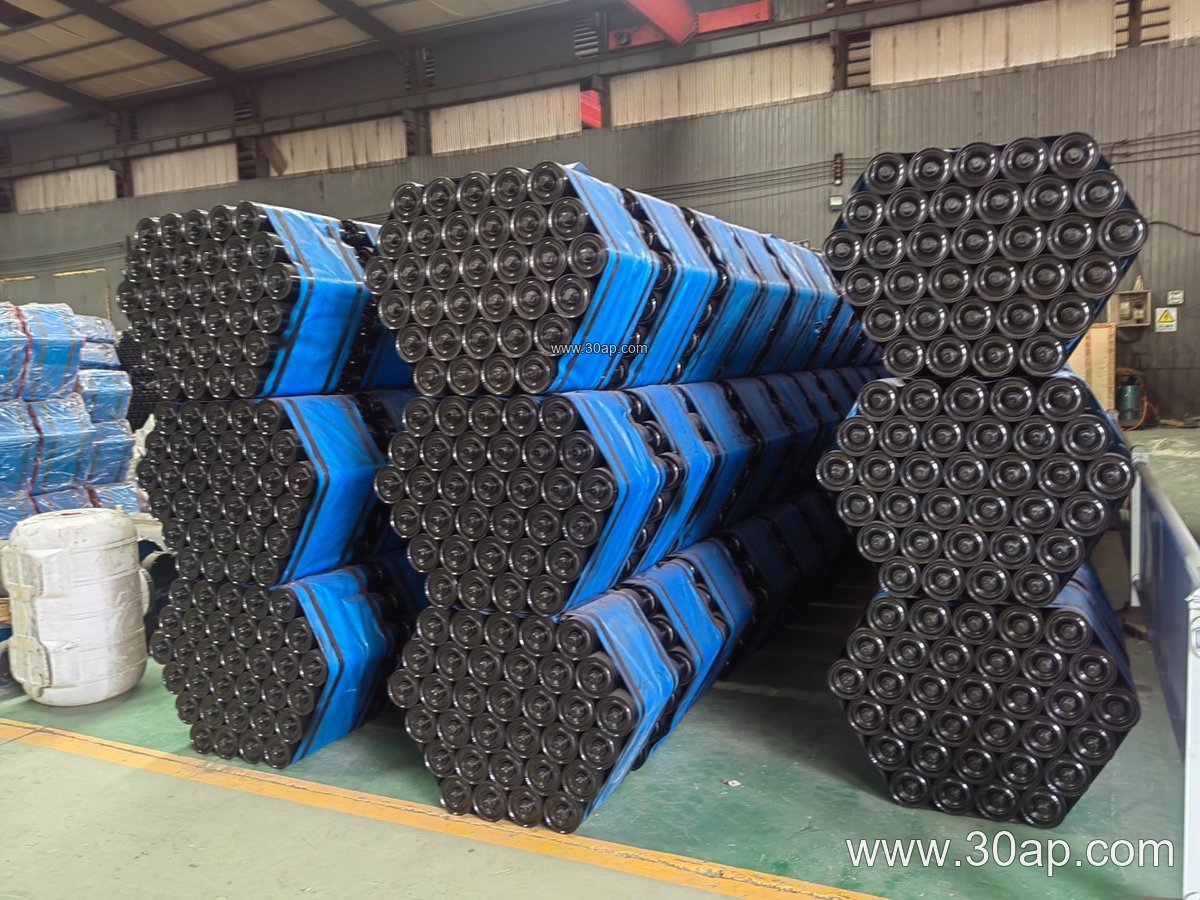
A trough idler is normally built as a steel tube shell with pressed bearing housings, sealed bearings, and a fixed or removable shaft. The shell may be plain steel, nylon-coated, ceramic-lined, or fitted with rubber rings for impact service. Three-roll trough sets are the most common, with a central roll and two side rolls set at an included trough angle. Two-roll and single-roll designs appear in narrower or special-duty positions.
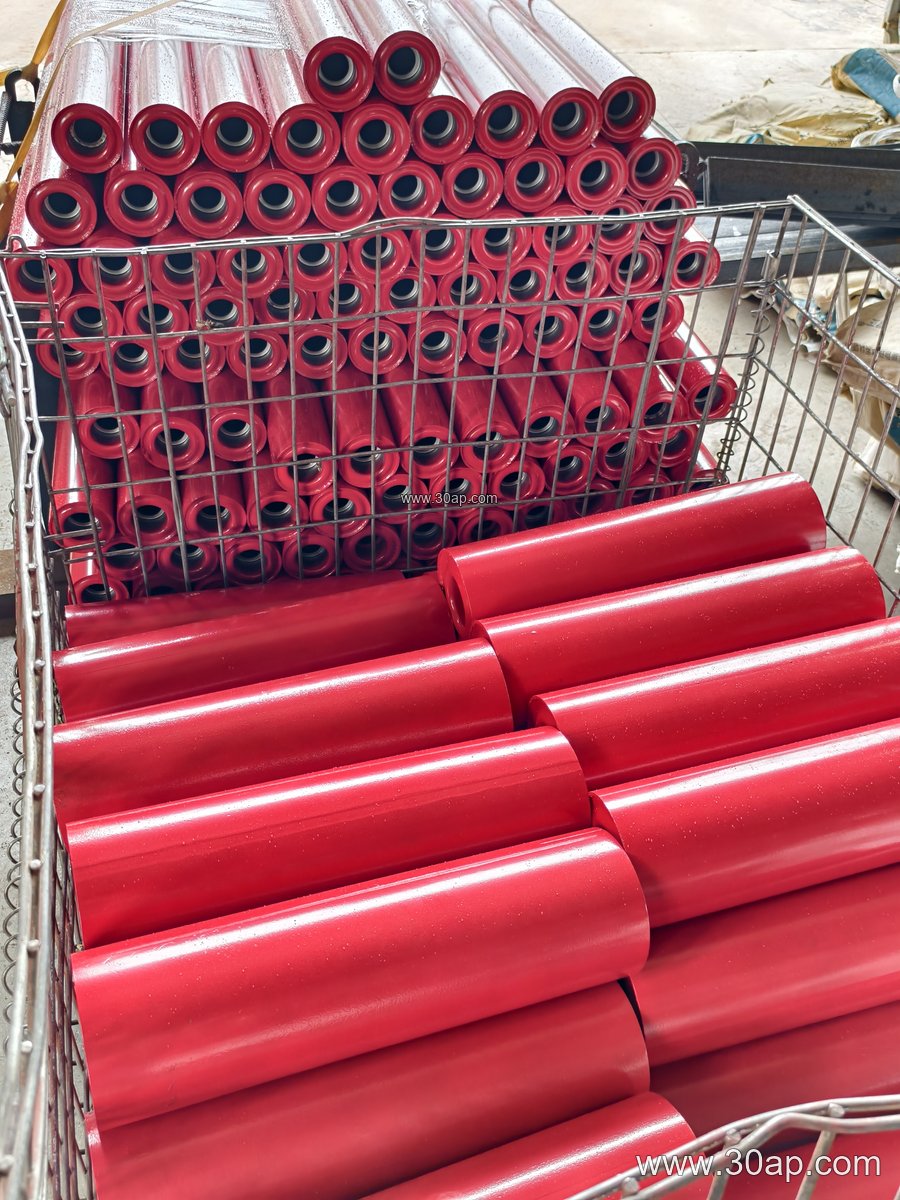
- Standard trough idler – carrying run, general bulk material.
- Transition trough idler – placed near the tail or discharge to ease the belt from flat to troughed.
- Impact trough idler – rubber ring or cushion design under a loading point.
- Training trough idler – friction or cone type for keeping the belt aligned.
- Spiral trough idler – used where sticky material tends to build up on the rolls.
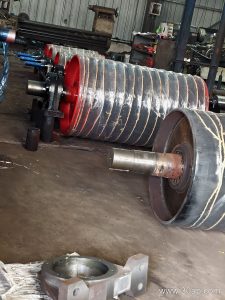
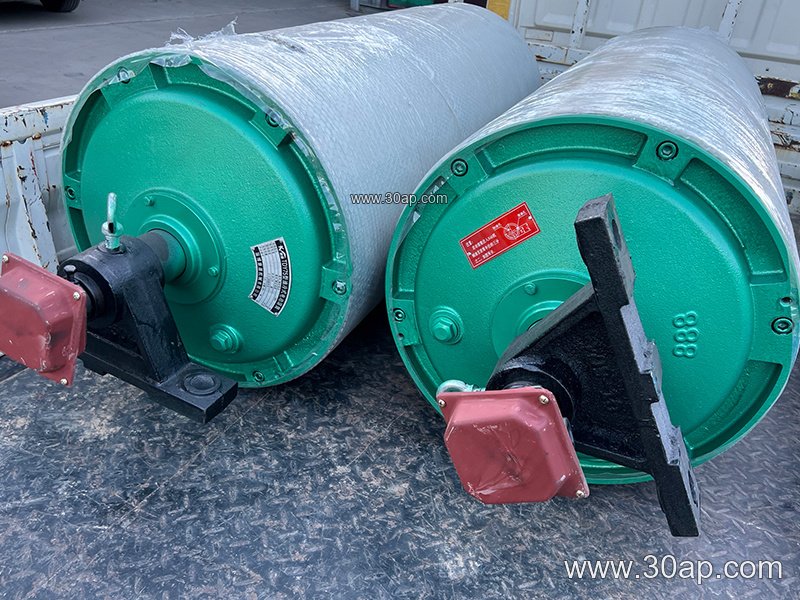
These are different roles on the same conveyor; a transition idler is not a substitute for a standard carrying idler, and a training idler does not replace the normal trough set. Likewise, a drive pulley, tail pulley, and bend pulley are separate components with separate duties and are not interchangeable with idlers.
Reference Dimensions and Bearing Options
The figures below are common reference values, not fixed combinations. Roll length changes with belt width, trough angle, and roll arrangement, and side rolls may differ from the center roll.
| Item | Common reference values |
|---|---|
| Idler diameter | Ø63, Ø76, Ø89, Ø102, Ø108, Ø127, Ø133, Ø159, Ø178, Ø194, Ø219 mm |
| Belt width | B400 to B2400 mm |
| Trough angle | 20°, 30°, 35°, 45° |
| Bearing | 6204, 6205, 6305, 6306, 6308, 6310 |
| Roll surface | Steel, nylon, ceramic, rubber ring |
For example, a three-roll trough set on B800 may use rolls around 315 mm long, while B1200 often sits near 465 mm and B1600 near 600 mm. Treat these as typical starting points for discussion with a supplier, not as universal rules. A larger diameter is not automatically better; it adds weight and cost, and it must match the frame height and the belt’s transition needs.
Matching the Idler to the Conveyor and the Material
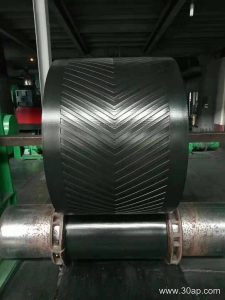
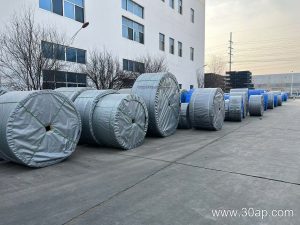
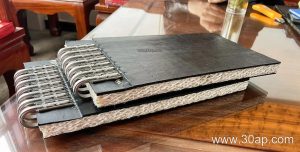
The belt is only half of the pairing. A heavy-duty mining conveyor belt running at high tension needs idlers with adequate bearing capacity and a shell that resists abrasion. Where a steel cord conveyor belt is used for long overland haulage, roll alignment and low rolling resistance matter more, because small errors multiply over kilometers. In a coal mining conveyor belt installation, flame retardant and anti-static properties belong to the belt specification, while the idler must still meet the mine’s sealing and fire-safety expectations for the frame and roll.
Material behavior shapes the choice too. Wet, sticky ore favors spiral or self-cleaning rolls. Sharp rock at a transfer point calls for rubber ring impact idlers and a properly cushioned chute. Fine cement or aggregate dust demands good labyrinth sealing and grease retention. In a power plant coal yard or a ship loading line, corrosion from moisture and salt air may push the buyer toward coated shells and better housing protection.
What Buyers Should Confirm Before Ordering
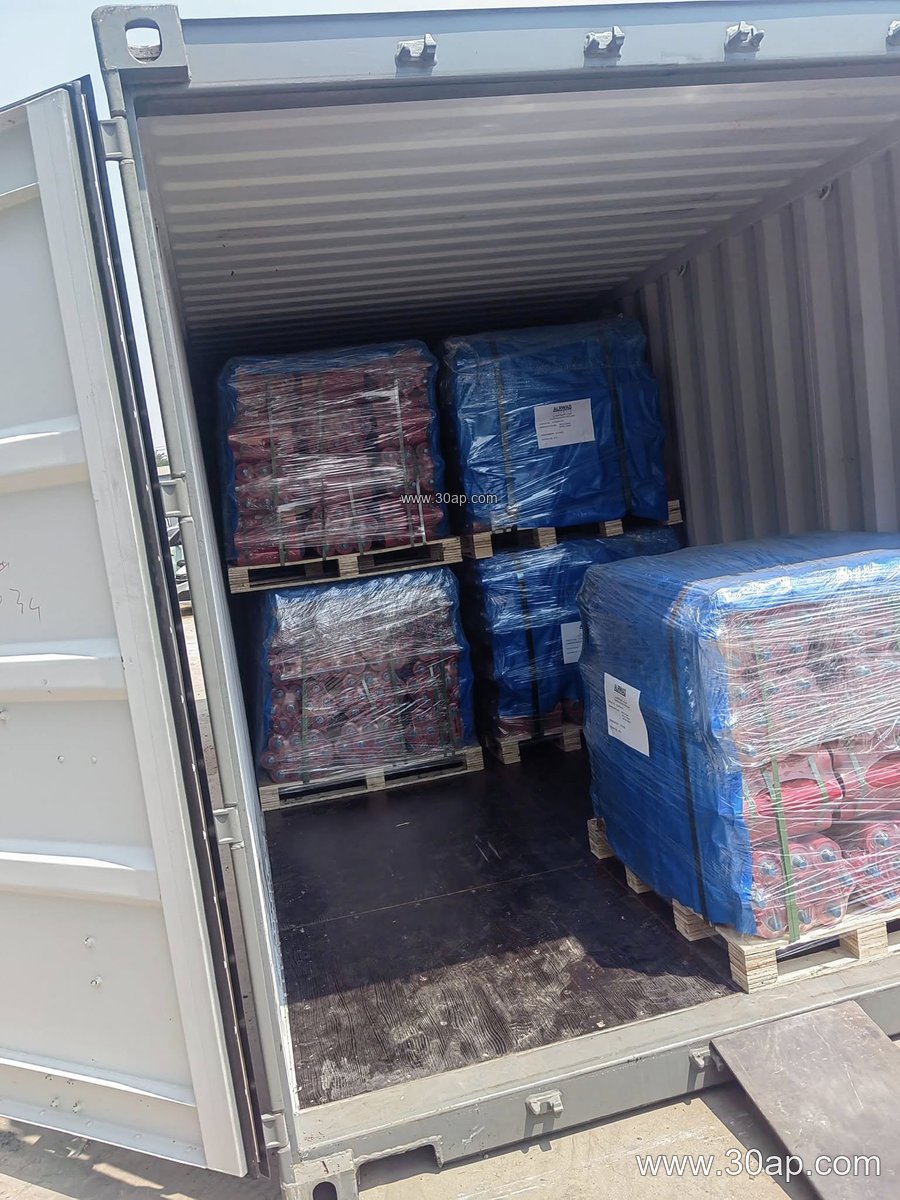
Ask for the trough angle, roll diameter, roll length, shaft end type, and bearing number together, because these must fit the existing frame and bracket. Confirm the belt width and the belt type in use, whether that is an EP conveyor belt, an NN conveyor belt, or a steel cord belt, since belt stiffness affects how it seats in the trough. Check the mounting dimensions against the current conveyor bracket rather than assuming a standard. For a replacement program, a small sample trial on one section is a practical way to verify fit and running behavior before a full changeout.
Finally, plan maintenance. Seized idlers drag on the belt, raise power draw, and can damage the cover. A simple walking inspection for hot housings, wobble, and noise catches most problems early. Keeping spare rolls in the two or three most-used diameters on site shortens downtime in a busy quarry or ore plant. For related conveyor components and belt options, see Mining Trough Idler and the wider range of conveyor belt and idler roller products.