What a Custom Conveyor Bracket Does on a Belt Line
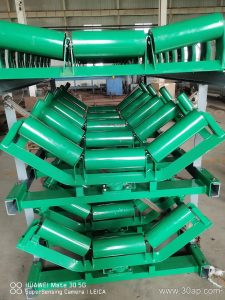
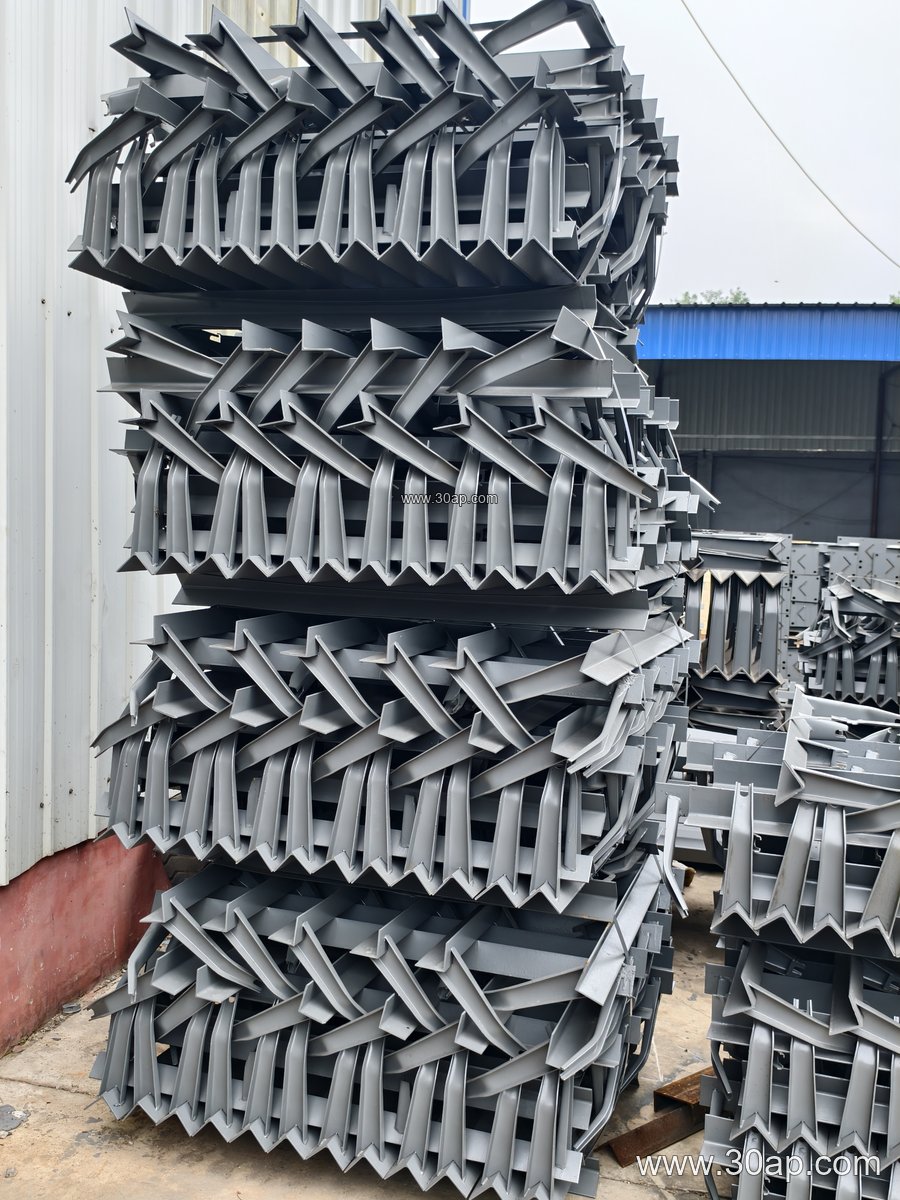
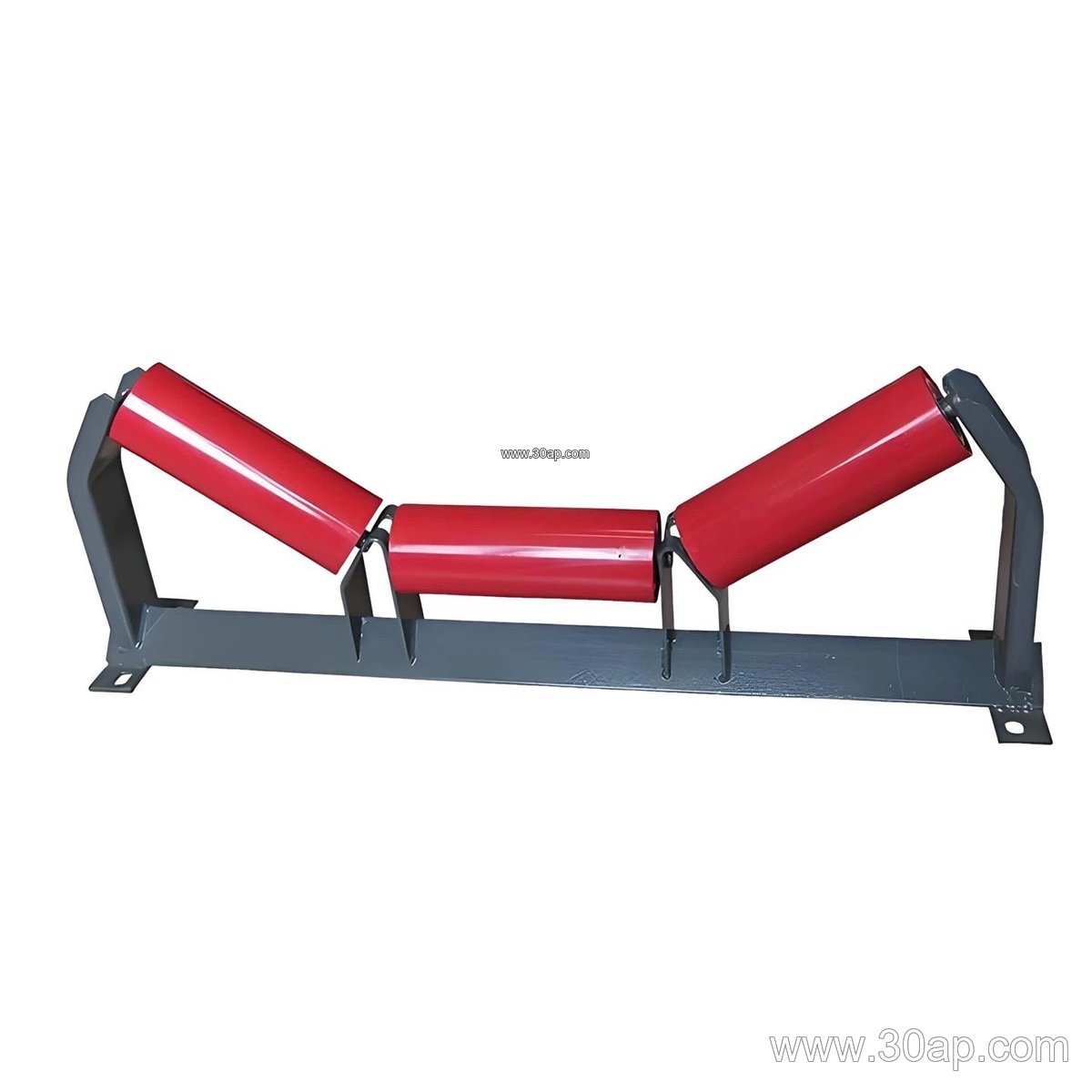
A custom conveyor bracket is a fabricated support component that holds idler rollers in the correct position under or over a conveyor belt. Instead of forcing a standard frame to accept a non-standard roller spacing, engineers design the bracket around the actual belt width, trough angle, and roller diameter used on that line. The result is a support that fits the structure the first time, keeps the belt profile stable, and simplifies later maintenance.
Because every bracket is built to drawing, the same product family covers quite different duties: a transition bracket near a transfer point, an adjustable bracket on a mobile crushing unit, or a heavy return bracket in a coal handling gallery. The common thread is that the geometry is matched to the belt and the idler roller rather than chosen from a catalogue page.
How the Bracket Is Built
Most brackets are made from angle steel, channel steel, or folded steel plate. The fabrication route is straightforward: cutting, punching or drilling mounting holes, bending the trough profile, and welding the roller seats. A well-made bracket keeps the roller seats aligned so that the conveyor belt runs without edge loading or unnecessary vibration.
Key dimensions are normally set by the belt width, the trough angle, and the roller diameter. Hole spacing and crossbeam length change with those inputs, so they should be confirmed per project rather than assumed. Typical reference values used in design discussions include:
| Parameter | Common reference values |
|---|---|
| Belt width | B500, B650, B800, B1000, B1200, B1400, B1600, B1800 |
| Trough angle | 20°, 30°, 35°, 45° (adjustable brackets can move between these) |
| Roller diameter | Ø89, Ø108, Ø133, Ø159, Ø194 |
| Material | Angle steel, channel steel, folded steel plate |
These are reference figures, not fixed pairings. A B800 line with a 35° trough and Ø108 rollers is a common combination, and a B1200 line with 45° and Ø133 rollers is equally normal, but the bracket drawing should always follow the actual conveyor design.
Where These Brackets Are Used
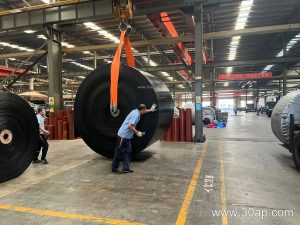
Custom brackets appear wherever the conveyor layout is not completely standard. In a quarry or aggregate crushing line, transition brackets help the belt move smoothly from a flat pulley face into a troughed run. In a cement plant or power plant coal yard, return brackets and V-return brackets keep the lower strand tidy and reduce spillage. In an iron ore or copper ore handling circuit, heavy-duty brackets carry large idler rollers under an abrasion resistant conveyor belt that may be a steel cord conveyor belt or a multi-ply fabric core conveyor belt.
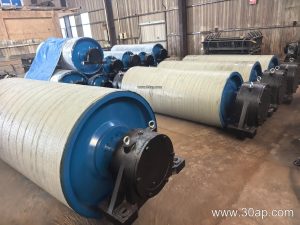
Adjustable versions are useful on plants that handle several products or change belt tension seasonally. Fixed versions suit long, stable runs where the profile never changes. Both are designed to work with the conveyor pulley at the head and tail, not to replace it, and both depend on correct roller selection for smooth tracking.
Fixed or Adjustable Bracket
The choice usually comes down to how much flexibility the operation needs. Fixed brackets are simple, rigid, and economical for a defined trough angle. Adjustable brackets cost more but allow the maintenance team to fine-tune the trough between common angles, which can help when belt loading varies or when a new belt sits differently on the rollers.
- Fixed bracket: best for stable, repetitive conveying duty.
- Adjustable bracket: useful for mixed duty, commissioning, and profile tuning.
- Transition bracket: supports the belt as it leaves a pulley and enters the trough.
- Impact bracket: placed under loading points to absorb shock with buffer rollers.
- Self-aligning bracket: helps correct belt wander on long runs.
For a comparison only, a bend pulley changes belt direction, while a bracket only supports the belt path. The two are not interchangeable, and neither is a drive pulley or tail pulley.
Buyer Checklist
Before ordering, confirm the belt width, the intended trough angle, the roller diameter, the mounting hole pattern, and the surface treatment. State whether the bracket sits on the carrying side or the return side, and whether it must accept a buffer roller or a training roller. Mention the conveyor belt type in use, such as an EP conveyor belt, a flame retardant conveyor belt for underground mining, or a heat resistant conveyor belt near a kiln, because roller spacing and bracket stiffness can follow from that.
Ask for a drawing showing crossbeam length and hole positions rather than relying on a generic size chart. Good fabrication drawings prevent field rework and keep the belt line running true. For more conveyor components and belt guidance, visit conveyorbeltpro.com and review the bracket, roller, and pulley options together.