What a Long-Distance Conveyor Idler Has to Do
On a short transfer, an idler roller mainly keeps the belt off the ground. On a run measured in kilometres, the same component carries a different burden. A long-distance conveyor idler must rotate freely for years, hold the belt in a stable trough, and resist dust, moisture and temperature swings along the entire route. In a coal mining conveyor line, a quarry conveyor or a power plant coal yard, replacing rollers on a distant section is slow and costly, so reliability matters more than a low unit price.
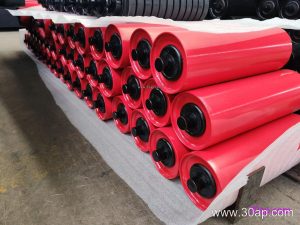
The long-distance conveyor idler is still a standard troughing or return roller in construction. What changes is the specification discipline behind it: tighter runout, better sealing, and a bearing choice matched to the actual load and speed rather than to a catalogue default.
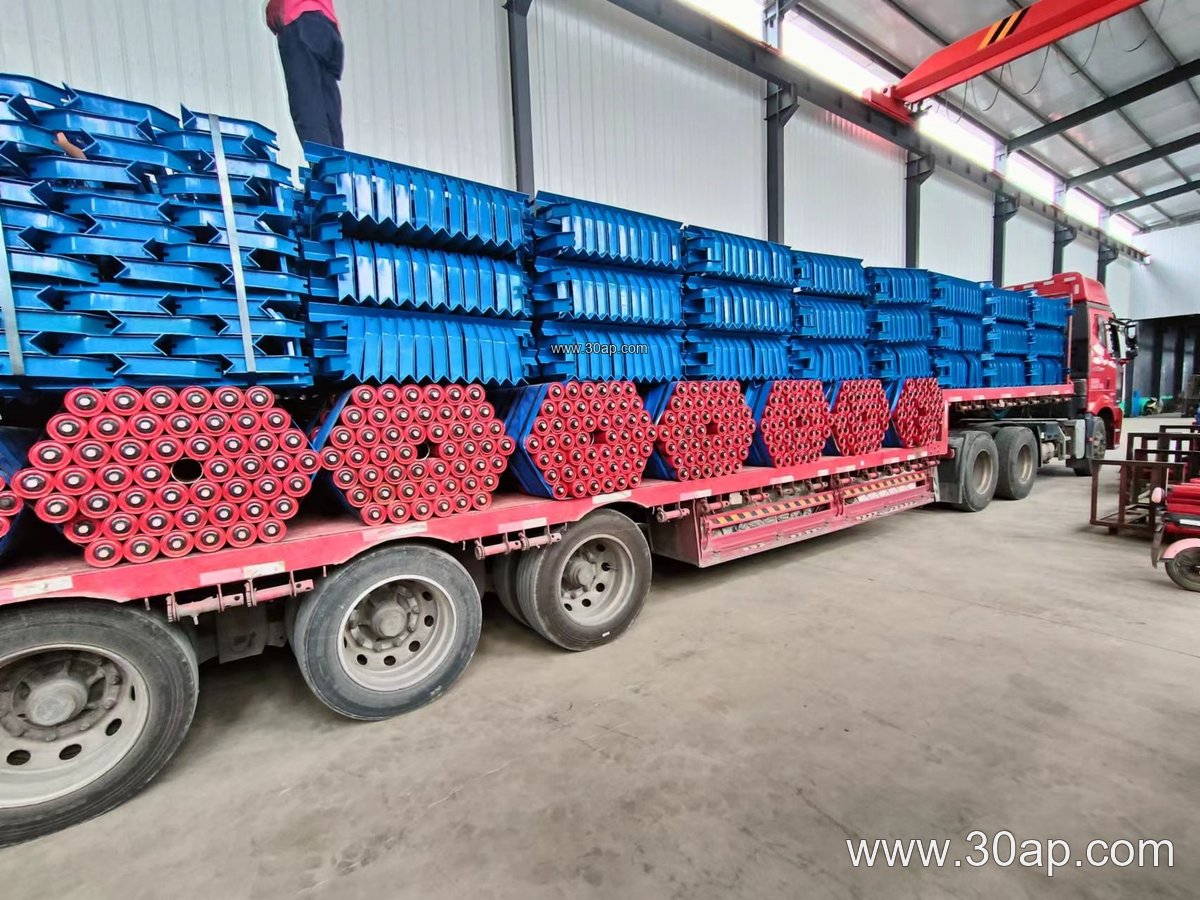
Construction Details That Matter Over Kilometres
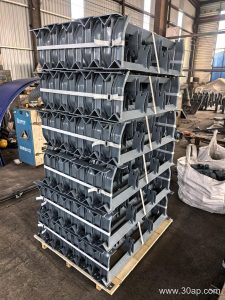
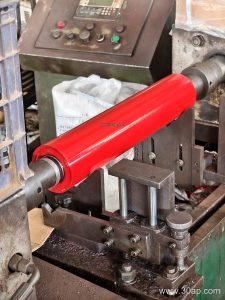
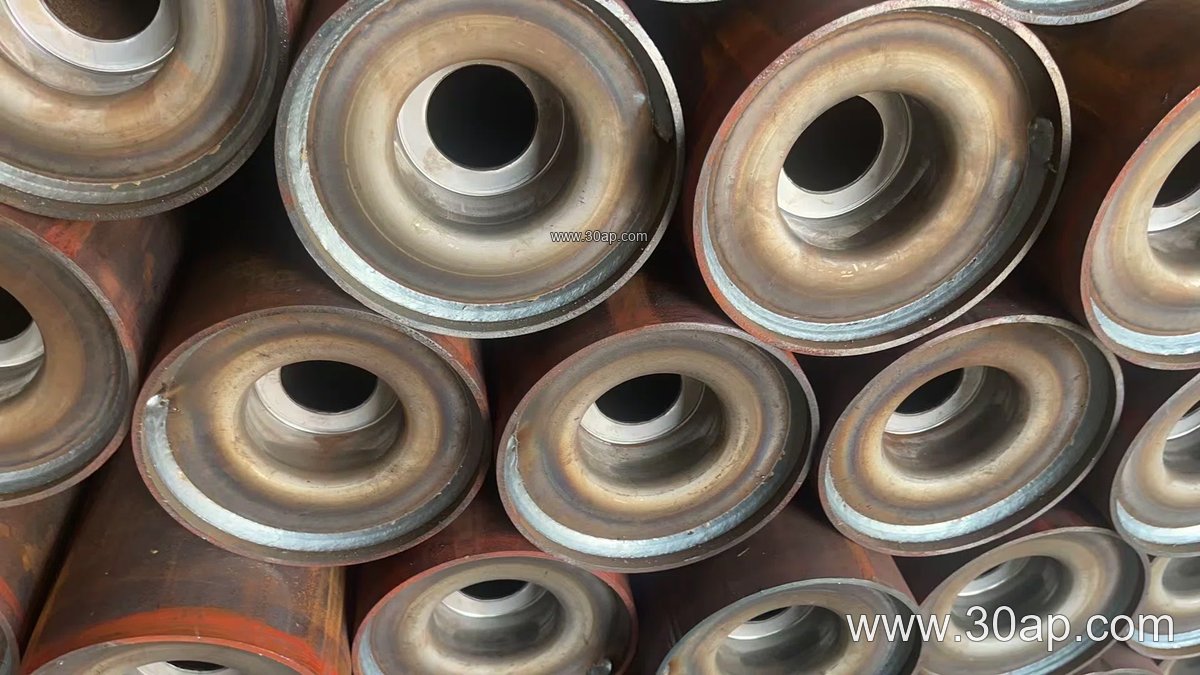
A typical idler combines a steel tube shell, a pressed bearing housing, a shaft, and sealed bearings. For long runs, buyers usually look at three points.
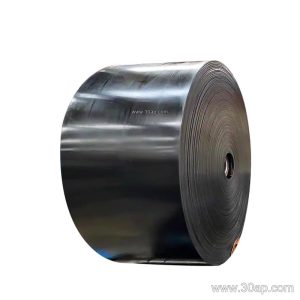
- Shell and shaft: tube wall thickness and shaft diameter should follow the calculated load, not a single belt width. A 1200mm conveyor belt and a 1800mm conveyor belt need different support, but belt width alone never fixes a shaft size.
- Sealing: labyrinth or multi-stage seals keep fine dust out. This is critical in cement plants, lime kiln feed lines and ore conveyor routes where airborne grit is constant.
- Bearing: common sizes include 6204, 6205, 6305, 6306, 6308 and 6310. Each can serve several roller diameters; the match depends on load, speed and expected life.
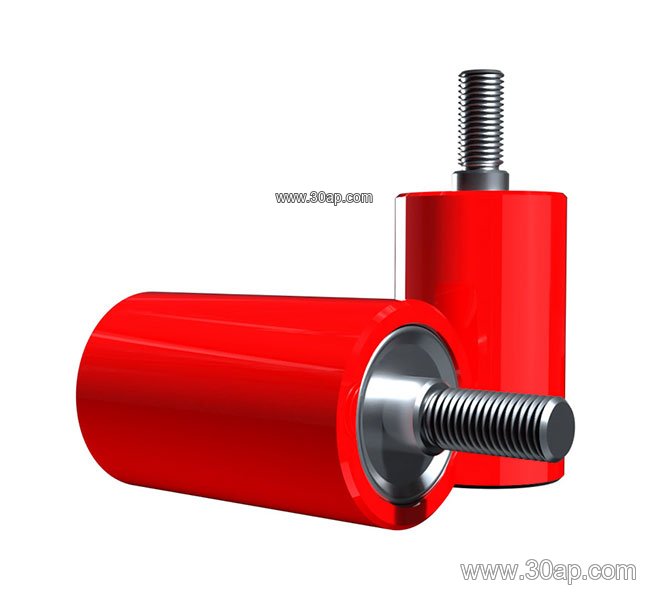
Surface form is another variable. Steel shells suit general duty. Rubber rings help at transfer points and impact zones. Nylon and ceramic covers are chosen where build-up or abrasion is a concern. All of these can appear in a long-distance conveyor idler string, but the troughing positions usually stay steel for consistent rolling resistance.
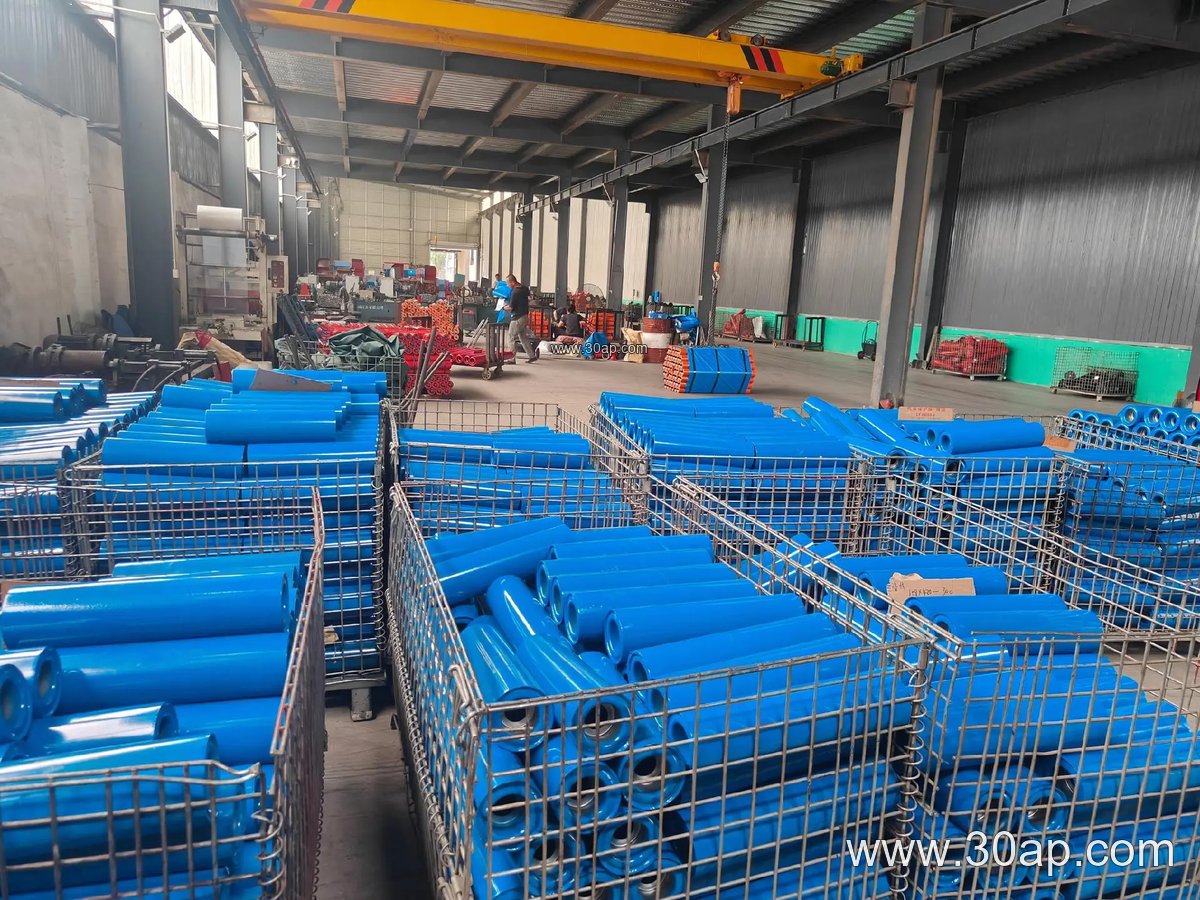
Matching the Idler to the Belt Line
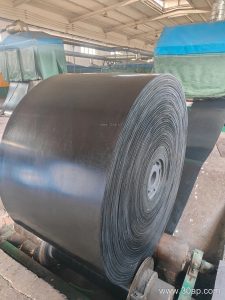
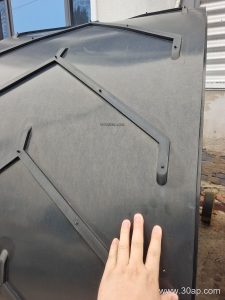
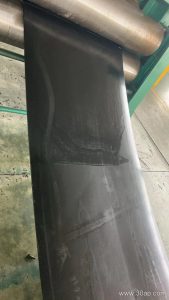
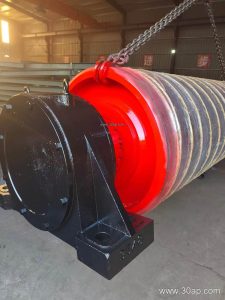
The idler set works with the rest of the conveyor: the conveyor belt, the conveyor pulley at each end, and the conveyor bracket that fixes the frame. Drive, tail and bend pulleys each have a distinct role and are not interchangeable, so idler spacing should be planned together with pulley geometry and take-up travel.
Trough angle affects how the belt carries material. Common angles are 20, 30, 35 and 45 degrees. A wider angle centres the load better on a high-capacity run, but it also increases the side load on the outer rollers. Three-roll troughing sets are the usual choice for bulk material; two-roll and single-roll arrangements appear where space is tight or the belt is narrow.
Roller length follows belt width, trough angle and set form. For reference, common three-roll figures are roughly 200 mm at B500, 250 mm at B650, 315 mm at B800, 380 mm at B1000, 465 mm at B1200, 530 mm at B1400, 600 mm at B1600, 670 mm at B1800 and 750 mm at B2000. Side and centre rolls can differ, so these are examples rather than fixed pairings.
Where Long Runs Are Common
Long-distance conveyor idlers appear in a limited number of settings, and each puts a different stress on the roller.
- Overland ore transport: iron ore and copper ore lines often run several kilometres from pit to plant. Abrasion resistant conveyor belt grades and heavy-duty idlers dominate here.
- Power plant coal handling: flame retardant conveyor belt and fire resistant conveyor belt requirements shape the whole system, and idler seals must cope with coal dust.
Similar demands appear in limestone quarries, cement plant raw-material lines and port ship-loading conveyors, where the belt may run at high tension for a long distance before reaching the next transfer tower.
Buyer Checklist Before Ordering
Several decisions should be settled before a purchase order is issued.
- Confirm the belt width and trough angle, then agree roller lengths for centre and side rolls.
- State the ambient conditions: heat, cold, oil mist, or fine abrasive dust. This decides seal type and cover material.
- Provide the calculated load per idler and the belt speed so bearing size can be verified.
- Check that the conveyor bracket and frame spacing suit the selected set, especially on curves and transitions.
- Ask for runout and rotation-resistance data, since these drive power consumption over a long route.
For a long-distance conveyor idler programme, the aim is a consistent roller family across the whole line: same sealing principle, same quality level, and a documented bearing choice. That consistency is what keeps a distant section running between maintenance windows.