Conveyor Bracket: The Backbone of Your Conveyor System
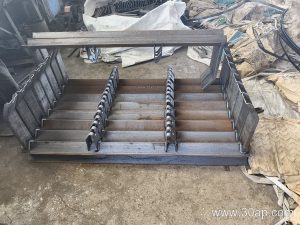
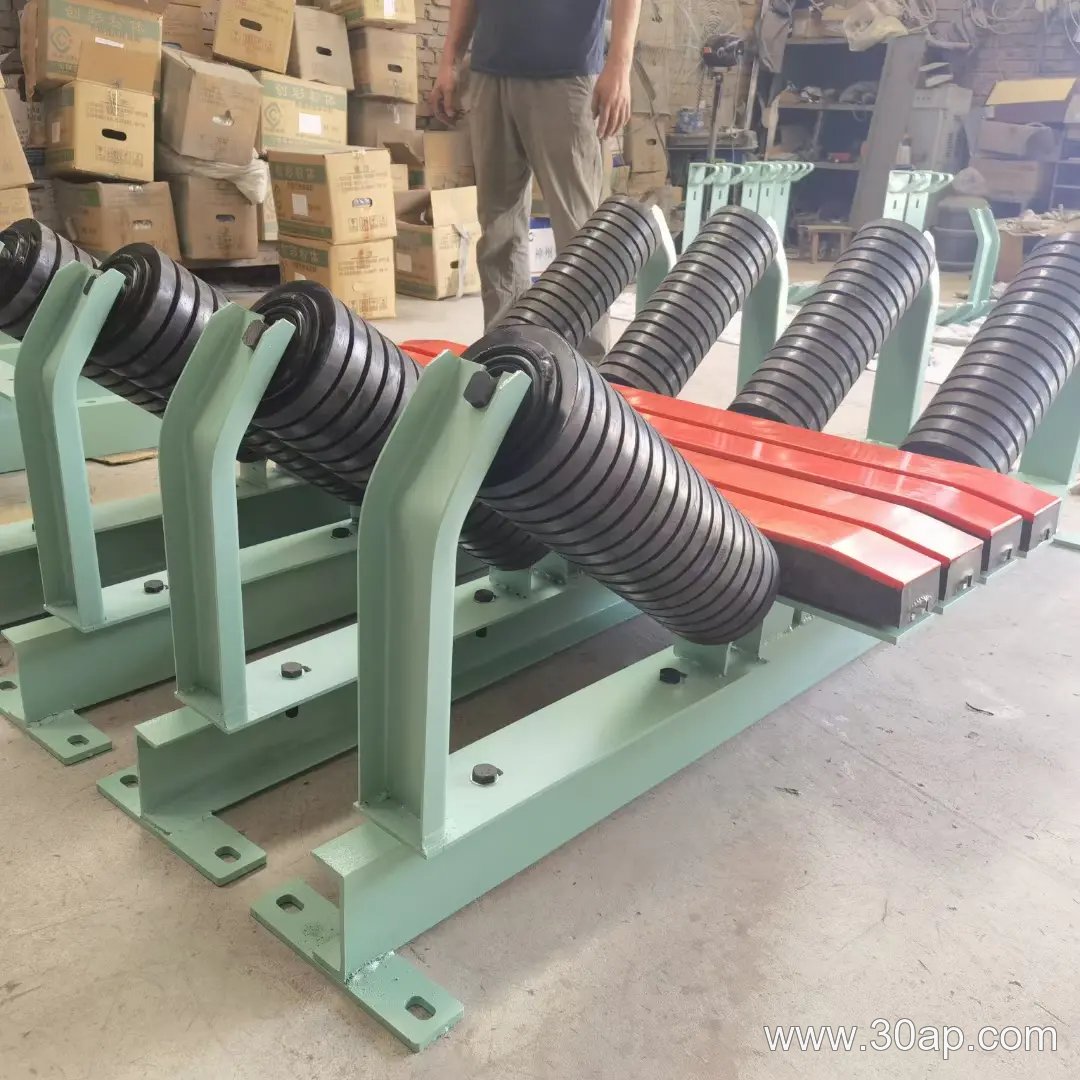
A conveyor bracket supports rollers, idlers, and frames. Choosing the right one ensures alignment, reduces wear, and maximizes uptime.
Key Selection Factors
- Load capacity and material thickness
- Mounting style: bolt-on, weld-on, or adjustable
- Corrosion resistance (steel, stainless, coated)
Purchasing Advice
Verify dimensions, hole patterns, and load ratings. Buy from suppliers offering material certs and consistent tolerances.
Conveyor Belt Selection and Purchasing Guide
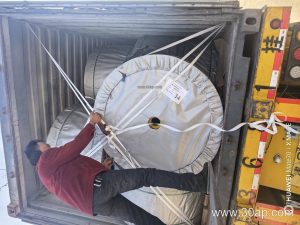
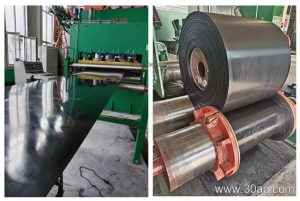
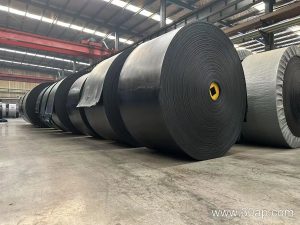
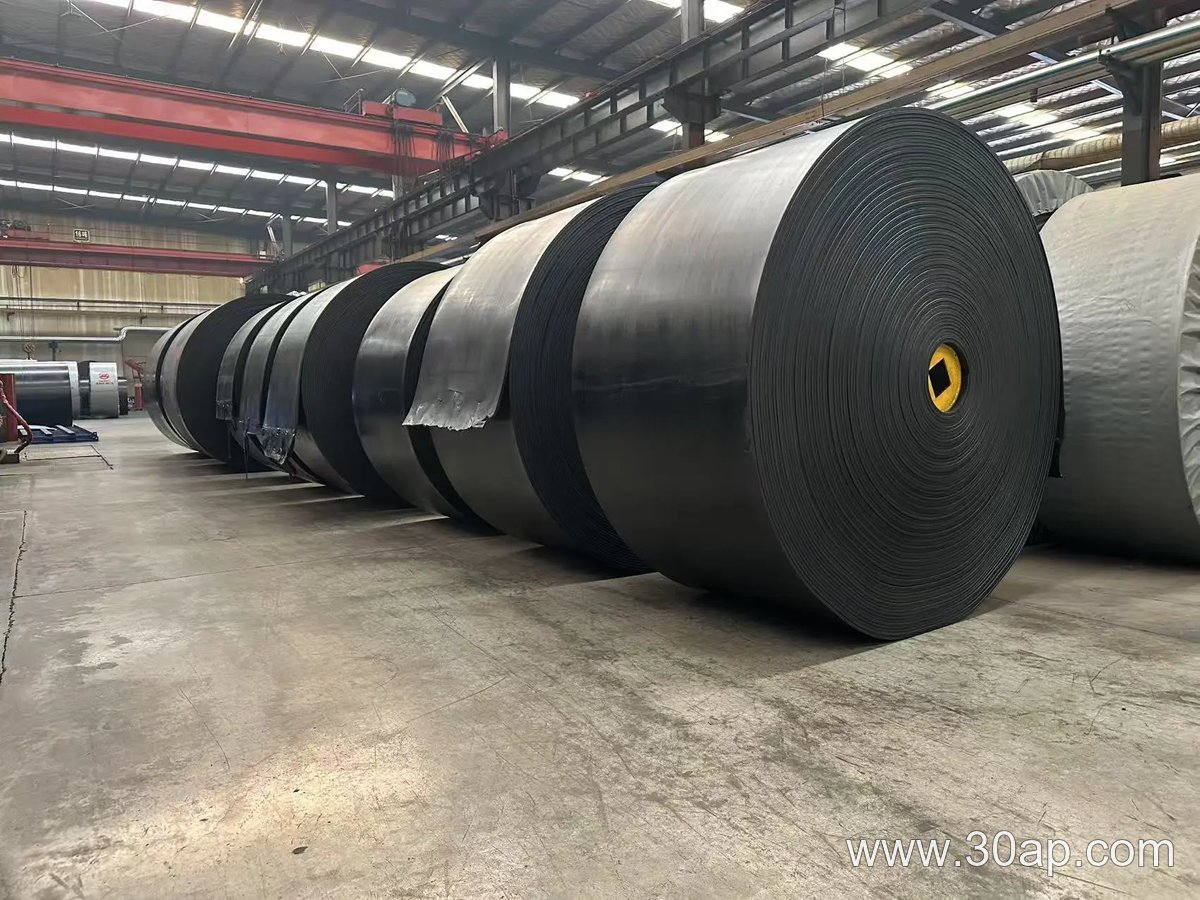
A conveyor belt is a critical investment for bulk handling. Match belt type to material, load, and environment before you buy.
Key Selection Factors
- Material: rubber, PVC, or steel cord
- Load weight and belt width
- Temperature, abrasion, and chemical exposure
- Belt speed and incline angle
- Cleat or sidewall needs
Purchasing Advice
Request tensile strength, cover grade, and splice data. Verify export standards and spare parts availability. Compare total cost, not just price.
Idler Roller Selection and Purchasing Guide
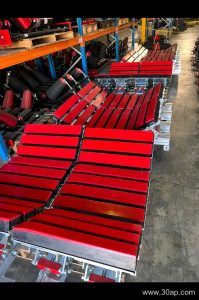
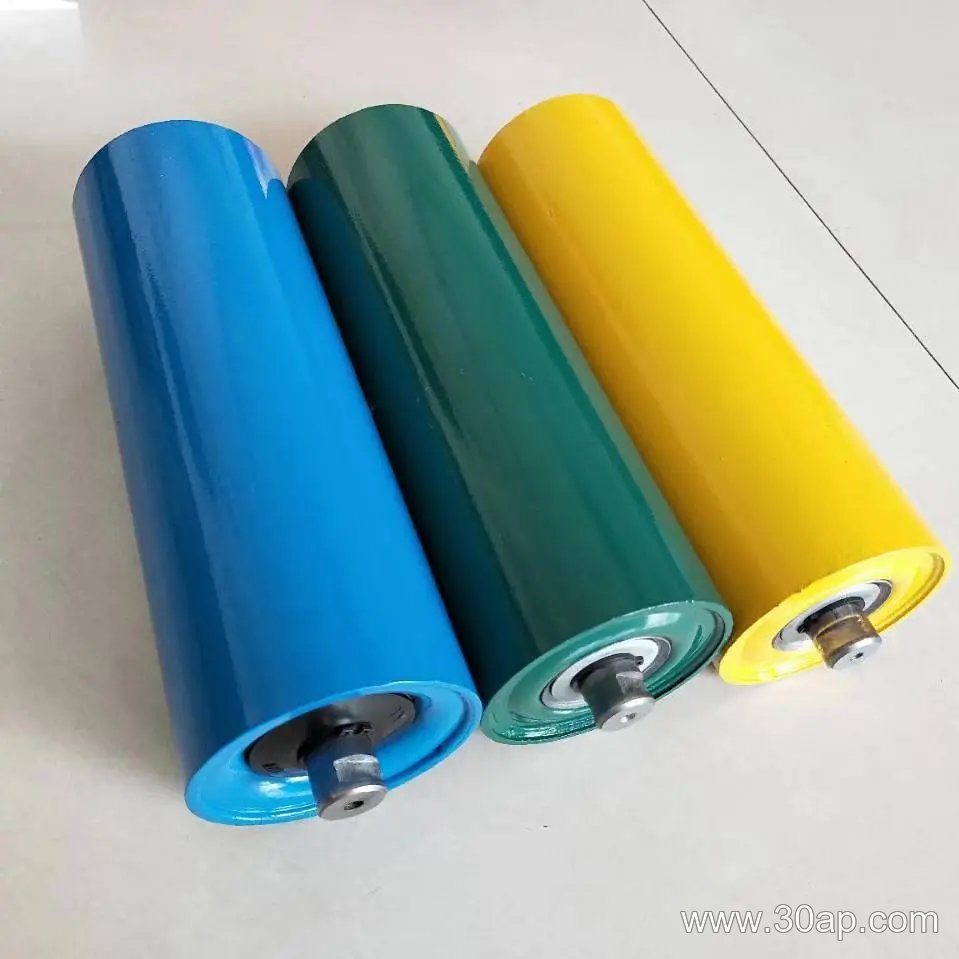
An idler roller supports and guides conveyor belts without driving them. Choosing the right idler roller reduces wear, noise, and downtime in bulk handling.
Key Selection Factors
- Load capacity and belt width
- Roller diameter and wall thickness
- Bearing type: sealed vs. open
- Material: steel, stainless, or polymer
- Environmental conditions: dust, moisture, heat
Purchasing Advice
Match the idler roller to your belt speed and tonnage. Prefer sealed bearings for dusty sites and polymer rollers for corrosive areas. Verify shaft tolerance and mounting dimensions before ordering.
Conveyor Pulley Essentials
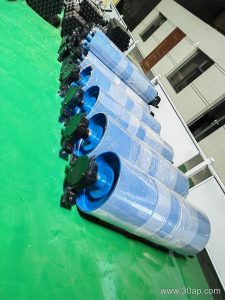
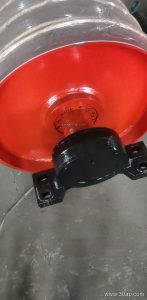
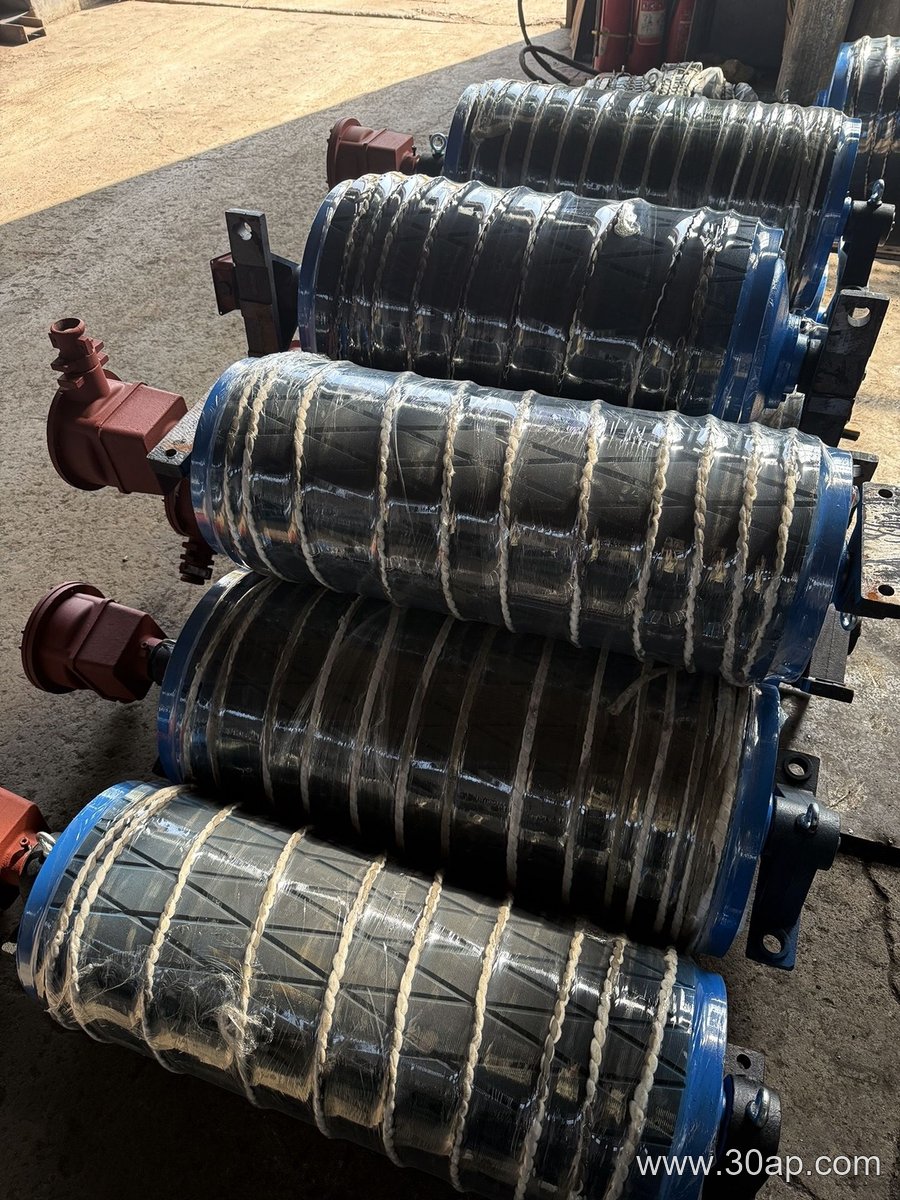
A conveyor pulley drives or redirects the belt, so choose drum or wing type by load and duty.
Selection Advice
- Match diameter to belt tension and speed.
- Check shaft, bearing, and lagging specs.
- Confirm crown profile for tracking.
Purchasing Tips
Request load ratings, balance grade, and finish. Compare lead times and warranty before ordering.