What a Self-Centering Idler Does
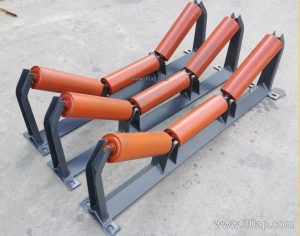
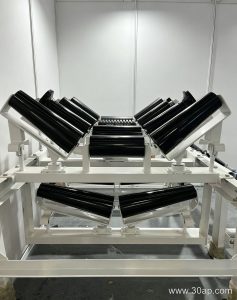
A self-centering idler is a type of conveyor idler designed to keep the conveyor belt centered on the carrying side. Also called a training idler or aligning idler, it responds to belt misalignment by pivoting slightly, which encourages the belt to return to the correct path. This reduces edge damage, spillage, and uneven wear on the belt and other components. In industries such as coal mining, cement plants, and aggregate operations, a self-centering idler helps maintain steady material flow and extends the service life of the conveyor system.
Construction and Working Principle
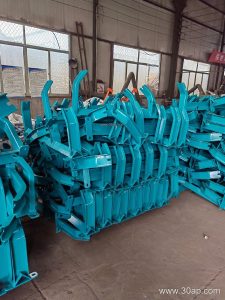
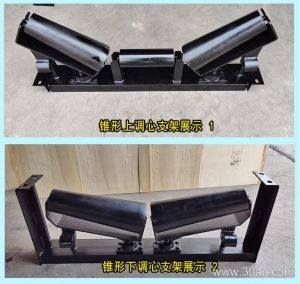
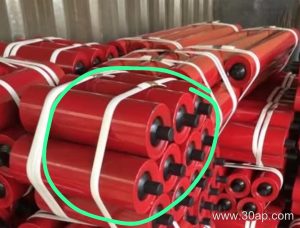
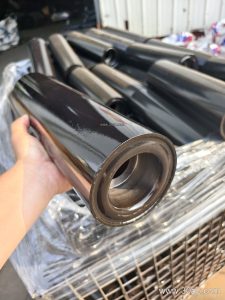
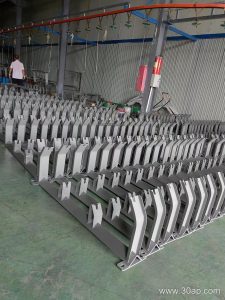
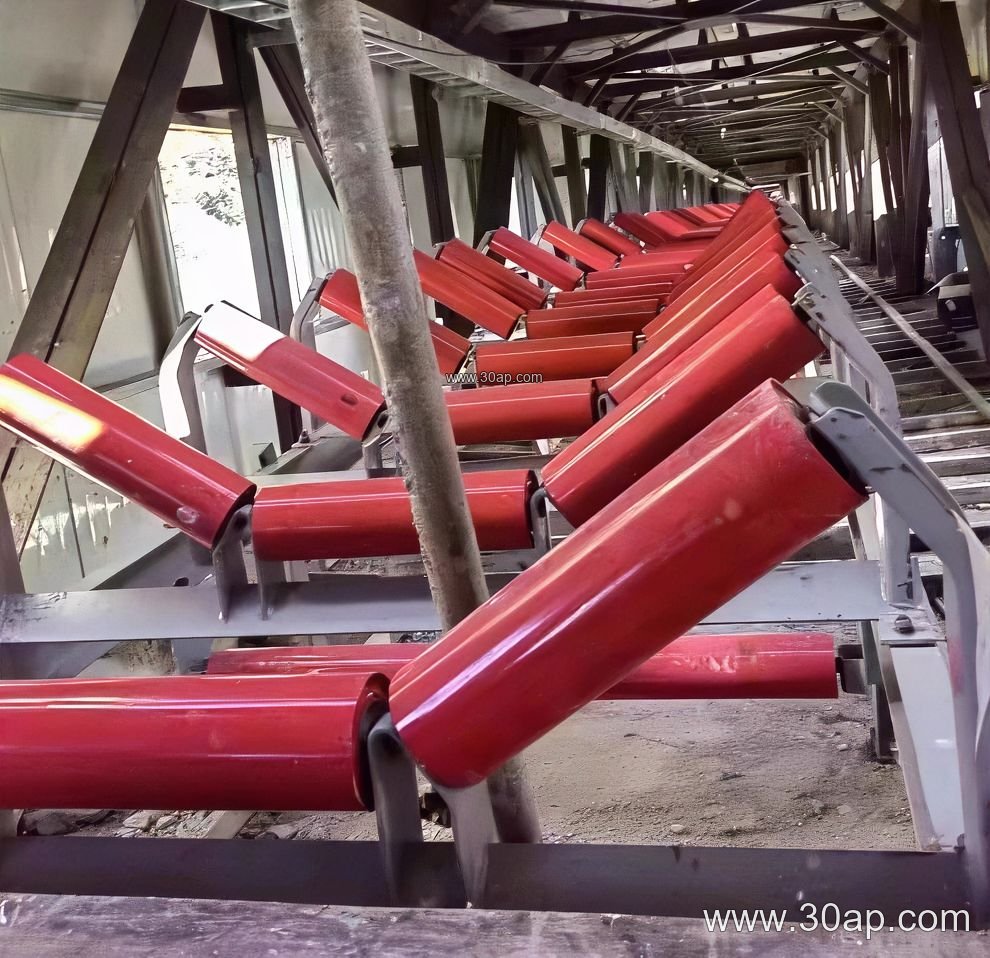
These idlers are typically built with a sturdy frame that allows the roller assembly to rotate around a vertical axis. The rollers themselves may be steel, rubber-covered, or nylon, depending on the application. When the belt drifts to one side, it contacts the rollers at an angle, creating a force that turns the idler assembly. This turning motion guides the belt back toward the center. Many designs include a slight forward tilt (about 1.5 to 2 degrees) to enhance the self-aligning effect. The bearings are usually selected from common sizes such as 6205, 6305, or 6308, matched to the roller diameter and load requirements.
Where Self-Centering Idlers Are Used
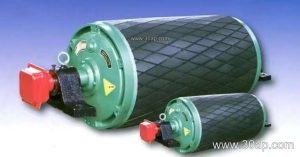
Self-centering idlers are common in bulk material handling systems where belt training is critical. They are frequently installed on the carrying side of conveyors in coal mining, quarrying, and power plant coal handling. In a cement plant, they help maintain belt alignment on long incline conveyors. They are also found in port ship loading facilities and steel plant sinter lines. The idler works with the conveyor belt, conveyor pulley, and conveyor bracket to form a reliable transport system. For abrasive materials like iron ore or copper ore, a self-centering idler with rubber-covered rollers can provide extra grip and reduce wear.
Key Parameters and Selection Considerations
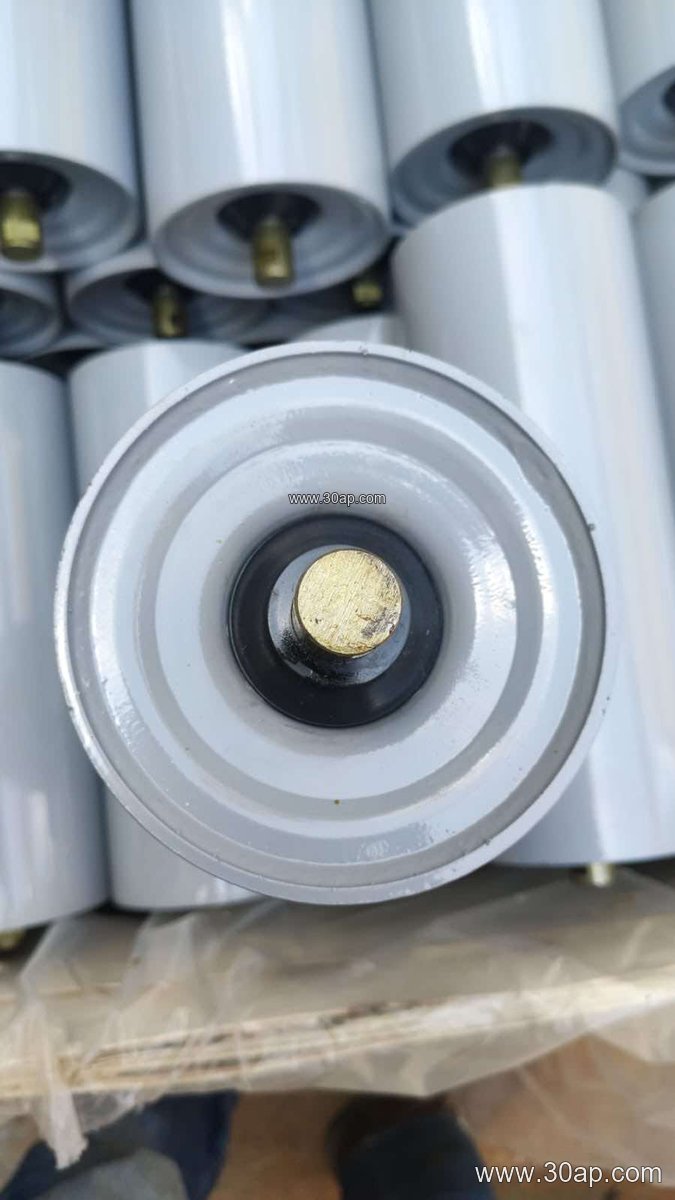
When choosing a self-centering idler, several parameters should be considered. Roller diameter is often selected from common sizes such as Ø89, Ø108, Ø127, Ø133, Ø159, and Ø178. Belt width also influences the idler size; for example, a self-centering idler for a 1000mm conveyor belt may have a different roller length than one for an 800mm belt. The table below lists typical roller lengths for three-roll troughing idlers as a reference, but actual lengths depend on belt width, trough angle, and idler configuration.
| Belt Width | Typical Roller Length (mm) |
|---|---|
| B500 | 200 |
| B650 | 250 |
| B800 | 315 |
| B1000 | 380 |
| B1200 | 465 |
| B1400 | 530 |
| B1600 | 600 |
| B1800 | 670 |
| B2000 | 750 |
Other factors include the trough angle (20°, 30°, 35°, or 45°), the type of roller surface (steel, rubber, ceramic, or nylon), and the bearing size. The self-centering idler should be compatible with the conveyor belt specification, such as EP Conveyor Belt, Steel Cord Conveyor Belt, or Flame Retardant Conveyor Belt, to ensure optimal performance. For high-abrasion applications, an Abrasion Resistant Conveyor Belt paired with rubber-covered idlers can reduce maintenance.
Installation and Maintenance Tips
Proper installation is key to the effectiveness of a self-centering idler. It should be mounted squarely on the conveyor frame and aligned with the belt path. Regular inspection of the idler’s pivot mechanism and bearings helps prevent seizing. Lubrication should follow the manufacturer’s recommendations, and worn rollers should be replaced promptly to avoid belt damage. In dusty environments like coal mining or quarrying, sealed bearings are preferred to keep contaminants out. A well-maintained self-centering idler contributes to the overall efficiency of the conveyor system, working alongside conveyor pulleys and brackets to keep operations running smoothly.
For more information on conveyor components, visit our site at www.example.com/conveyor-idler and explore our range of self-centering idlers and related products.