What a Conveyor Side Guide Roller Does
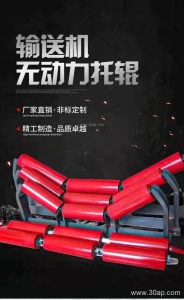
A conveyor side guide roller is a small but critical component mounted along the edges of a conveyor belt to keep it centered and prevent misalignment. Often called a belt guide roller or side guide idler, it is not a drive pulley, tail pulley, or bend pulley—its role is purely to guide and support the belt’s edges, especially on long or curved conveyor routes. In industries like mining, coal preparation plants, cement works, and aggregate quarries, a well-placed side guide roller reduces edge damage, spillage, and belt tracking problems.
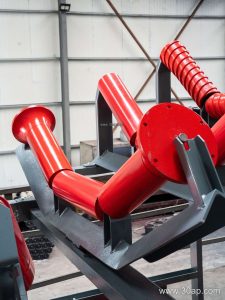
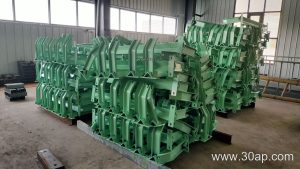
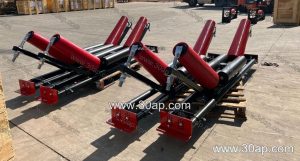
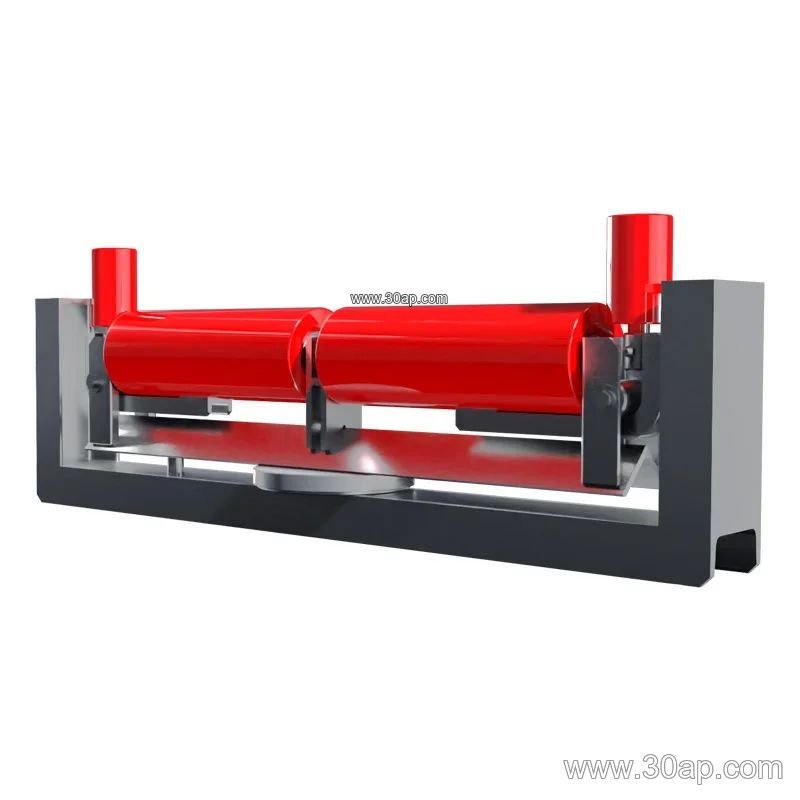
Unlike a standard idler roller that supports the belt’s load-carrying surface, the side guide roller is typically positioned vertically or at a slight angle near the belt edges. It works in tandem with conveyor brackets and the main conveyor frame to maintain belt alignment. When a conveyor belt begins to drift, the side guide roller provides a gentle corrective force, helping the belt return to its proper path.
Construction and Key Features
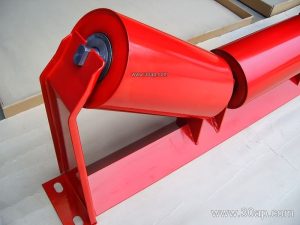
Most conveyor side guide rollers are built with a sturdy steel tube body, fitted with sealed bearings (common sizes include 6204, 6205, or 6305) and a shaft that mounts to a bracket. The roller surface may be plain steel, nylon-coated, or covered with rubber rings to protect the belt edge from abrasion. In dusty or wet conditions—typical in coal mining or cement plants—sealed-for-life bearings and corrosion-resistant coatings extend service life.
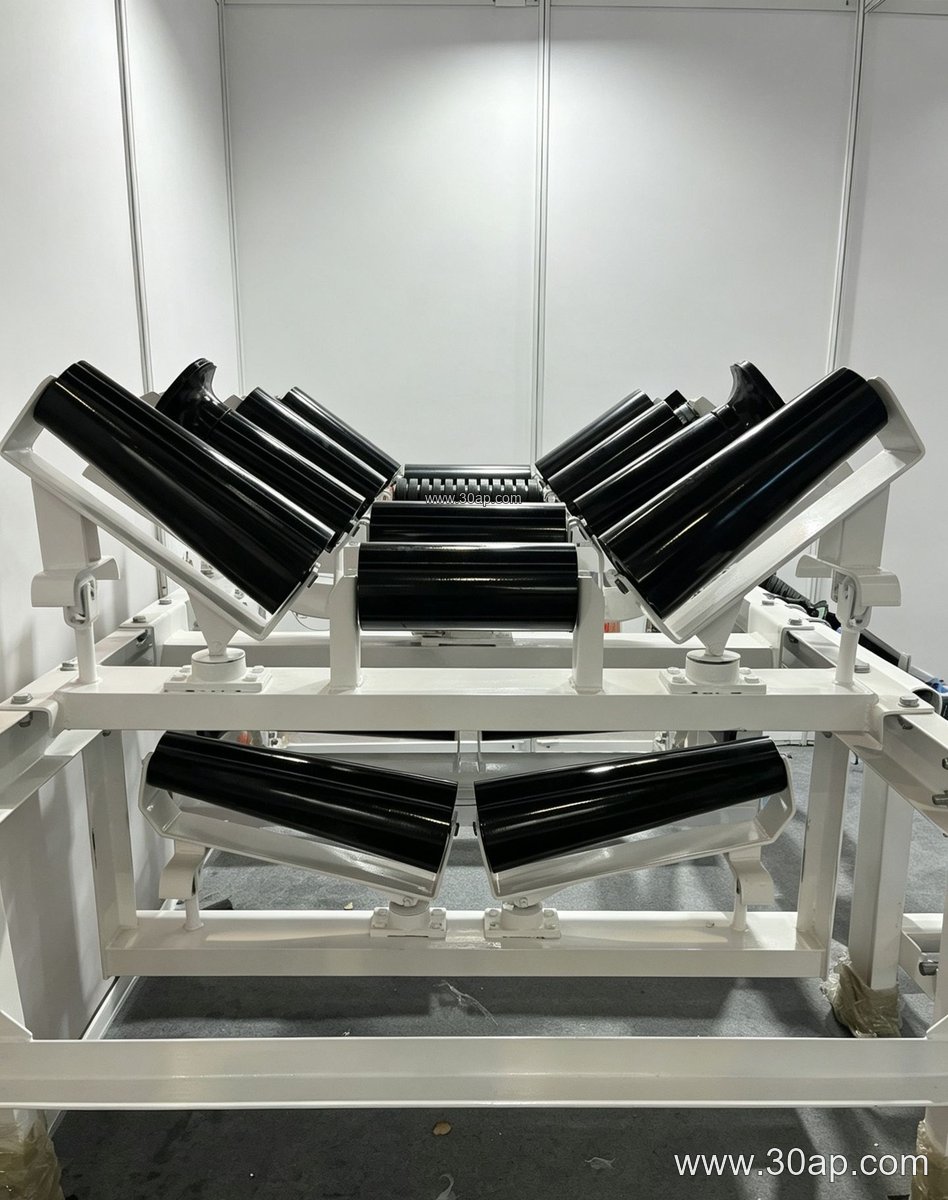
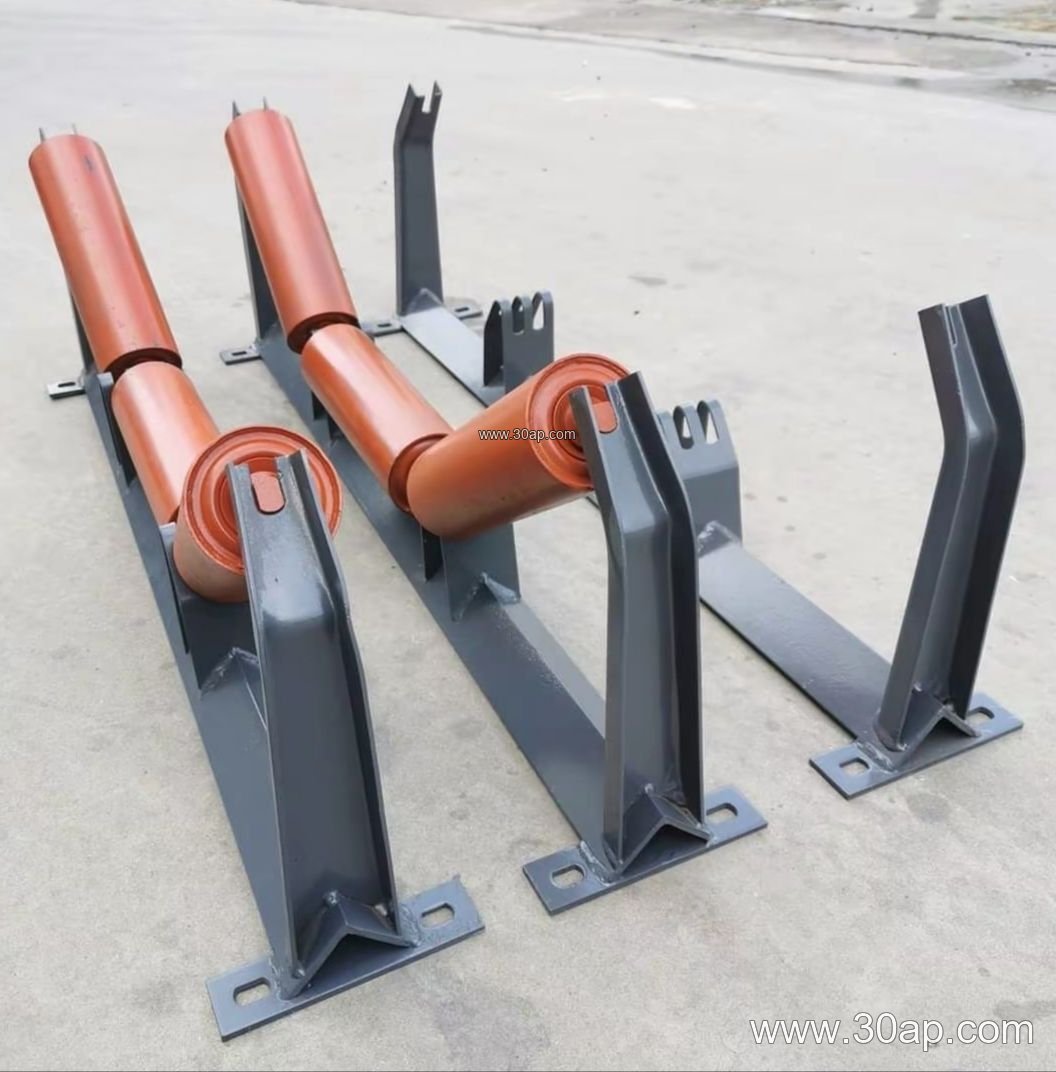
The roller diameter is usually smaller than main carrying idlers; common sizes range from Ø63 mm to Ø108 mm, though larger diameters may be used on high-capacity belts. Length is matched to the belt width and mounting arrangement—for example, a side guide roller on a 1200mm wide conveyor belt might be around 200–300 mm long, but this is determined by design, not a fixed rule. The mounting bracket must be rigid enough to withstand side loads without bending.
Where It Is Used
You will find conveyor side guide rollers in a wide range of bulk material handling operations. In a coal mining conveyor system, they help keep the belt centered as it transitions from the load zone to the incline. At a quarry or sand making plant, side guide rollers protect the belt edges from rubbing against the structure, particularly on curved sections. Cement plants use them on clinker and raw material conveyors, while power plant coal handling systems rely on them to avoid belt wander that could cause spillage or fire hazards.
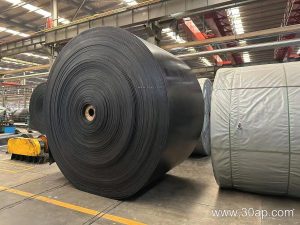
They are also common in port ship loading conveyors, steel plant sinter lines, and tunnelling spoil removal belts. Wherever a fabric core conveyor belt or steel cord conveyor belt runs over long distances and multiple pulleys, side guide rollers contribute to stable tracking.
Selection and Sizing Considerations
Choosing the right conveyor side guide roller involves matching the roller diameter, length, bearing type, and surface to the belt width, speed, and environment. The table below lists common reference values—these are examples, not mandatory specifications. Always confirm with your conveyor designer.
| Parameter | Common Range / Example |
|---|---|
| Roller diameter | Ø63, Ø76, Ø89, Ø102, Ø108 mm |
| Belt width (B) | B500, B650, B800, B1000, B1200, B1400 mm |
| Bearing size | 6204, 6205, 6305, 6306 |
| Roller surface | Steel, nylon, rubber ring |
| Mounting | Conveyor bracket, adjustable or fixed |
For high-abrasion duties such as iron ore or copper ore conveyors, a rubber-covered side guide roller reduces belt edge wear. In food or clean environments, nylon or stainless options may be preferred. The roller should be sized so it contacts the belt edge without excessive pressure, and the bracket must allow fine adjustment during installation.
Maintenance and Buyer Tips
Regular inspection of side guide rollers is part of good conveyor maintenance. Check for seized bearings, worn surfaces, and loose brackets. A worn side guide roller can cause belt edge fraying, especially on abrasion resistant conveyor belts used in quarry and mining service. Lubricate or replace bearings according to the manufacturer’s schedule, and ensure the roller spins freely.
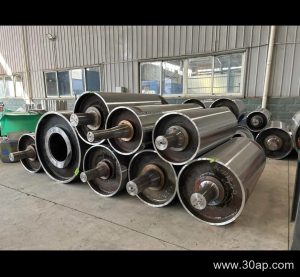
When purchasing, specify the belt width, conveyor speed, ambient conditions, and any special requirements such as flame retardant or anti-static properties for underground coal mining conveyors. Remember that side guide rollers are not interchangeable with drive pulleys or bend pulleys—they serve a distinct guiding function. Keep spare rollers on hand to minimize downtime in continuous operations like power plant coal feeding or cement kiln lines.