What an Adjustable Conveyor Bracket Does on the Line
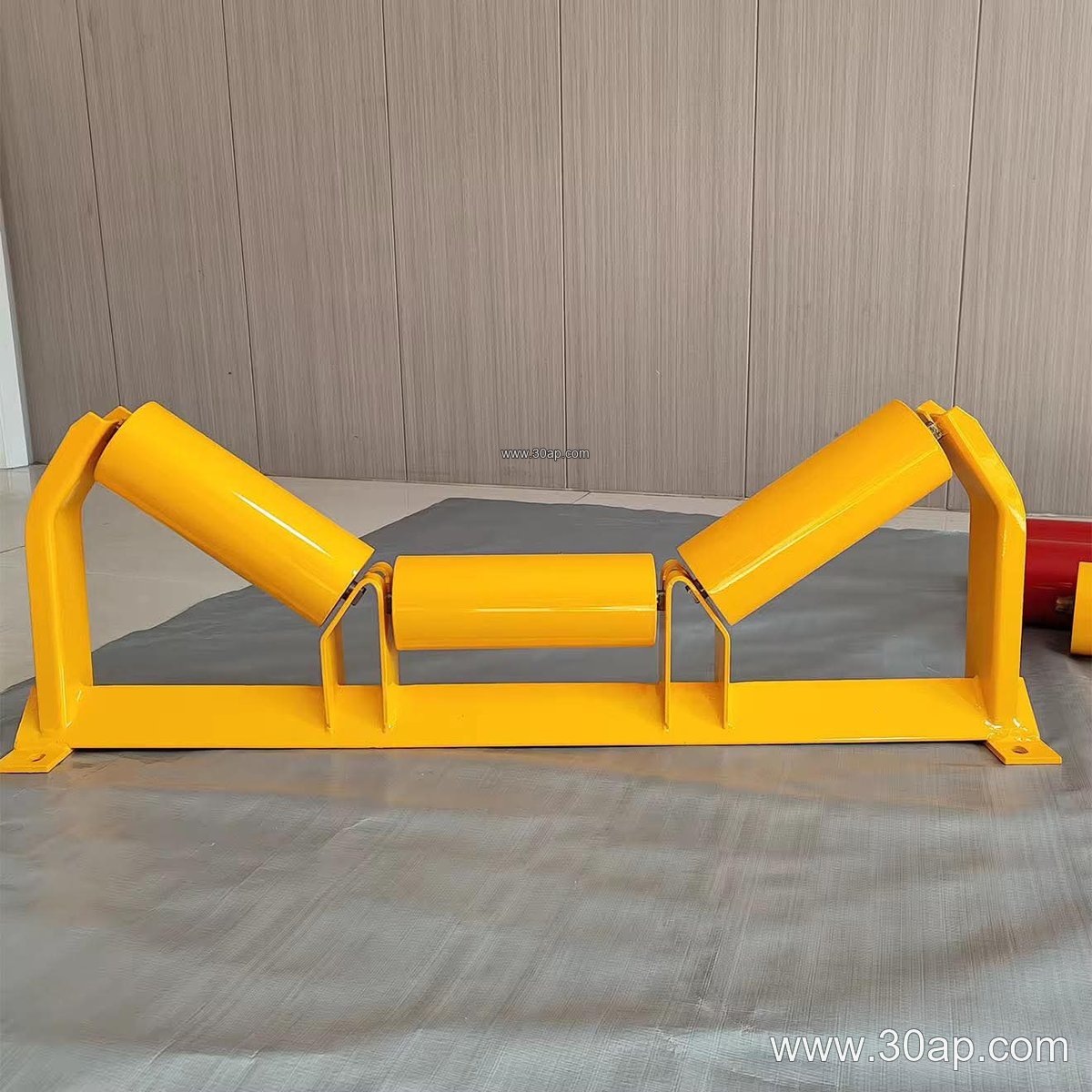
An adjustable conveyor bracket is the mounting component that lets a conveyor frame accept different trough angles, roller positions, or alignment settings without rebuilding the whole structure. On a typical troughed carry side, the bracket holds the idler roller assemblies that shape the conveyor belt into a trough. Because the bracket can be adjusted, maintenance teams can fine-tune the trough profile when belt loading changes, when a new belt is fitted, or when material buildup shifts the tracking. In a quarry or a cement plant, that flexibility often saves a full frame modification.
The same component is sometimes called an adjustable idler bracket or adjustable roller support bracket. These names describe the same product; they are not a different bracket type.
How the Bracket Is Built
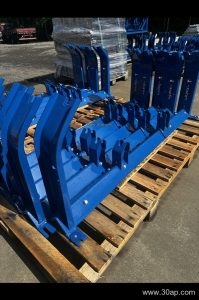
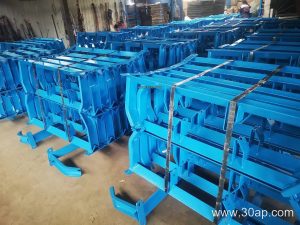
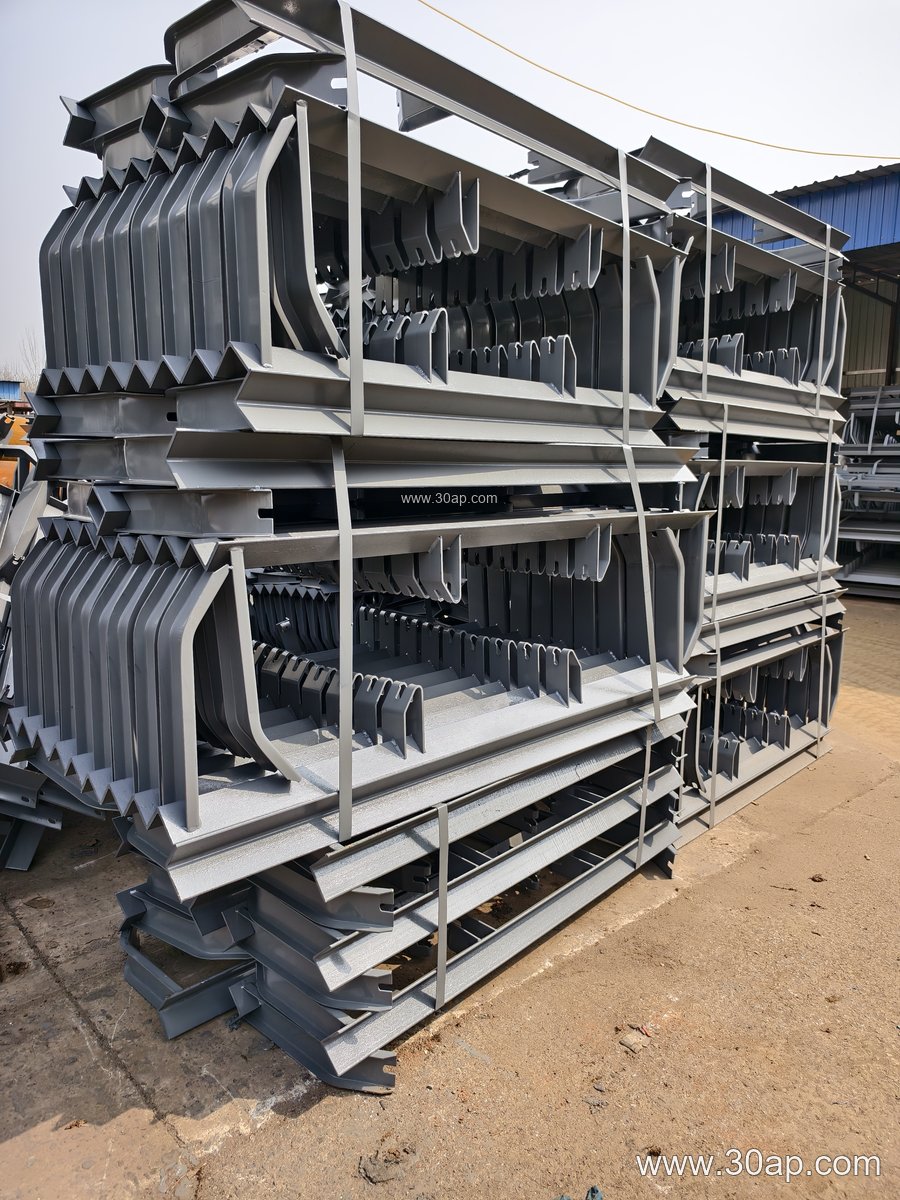
Most units are fabricated from angle steel, channel steel, or folded steel plate. The frame side carries slotted or multi-position holes so the idler ends can be moved inward or outward. On troughing versions, the side rollers sit in inclined seats, and the adjustment range covers common trough angles such as 20, 30, 35, and 45 degrees. A small forward tilt of about 1.5 to 2 degrees is also used on some training arrangements to encourage belt centering.
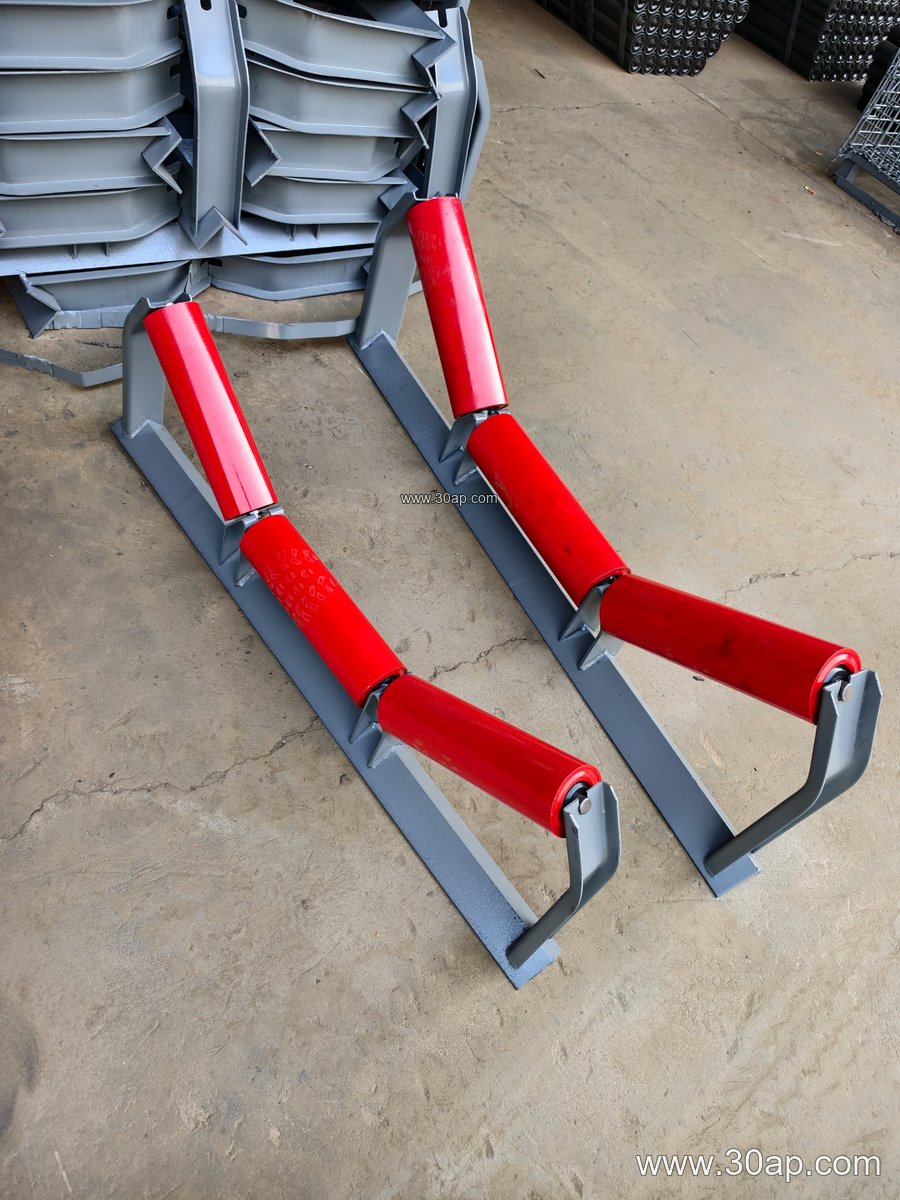
- Fabricated steel body with slotted or stepped adjustment holes
- Bolted roller seats that allow angle and position changes
- Mounting holes matched to the frame and belt width
- Optional fixing pins or locking bolts to hold the setting
Mounting hole spacing and crossbeam length are determined by belt width and trough angle, so they should be confirmed against the drawing rather than assumed.
Where It Fits in Bulk Handling
Adjustable brackets appear on the carry side of a conveyor, before and after transition zones, and on sections where the belt must be guided gently. In a coal washing plant or a power plant coal yard, they help keep a flame retardant conveyor belt centered as it leaves the loading point. In a crushing and screening circuit, the bracket works with impact idlers and a heavy-duty conveyor belt to hold the trough shape under uneven stone load. Ports and ship loading systems also use them where belt widths and material flows vary between berths.
The bracket is not a substitute for a drive pulley, tail pulley, or bend pulley. Those components transmit power and change belt direction, while the bracket only supports and positions idlers. Likewise, a return bracket and a troughing bracket serve different positions on the conveyor.
Matching Bracket, Belt, and Roller
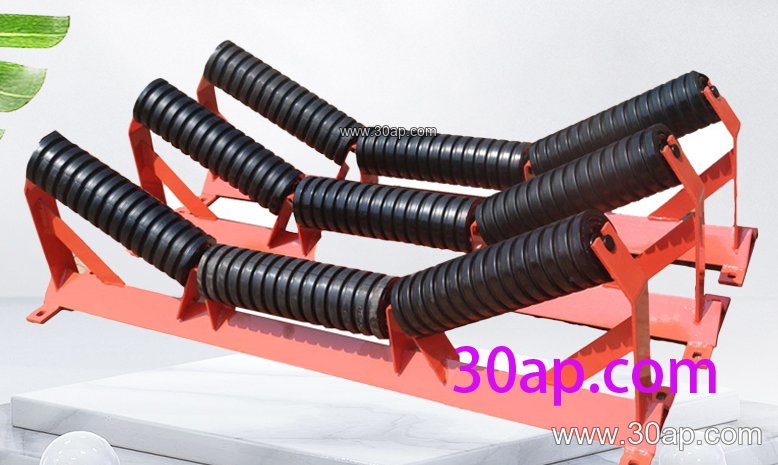
Selection starts with the belt width and the required trough angle, then moves to roller diameter and frame hole pattern. The table below shows common reference combinations, not fixed rules. A given belt width can work with more than one trough angle or roller diameter depending on load, speed, and belt stiffness.
| Belt Width | Typical Trough Angle | Common Roller Diameter |
|---|---|---|
| B500 / B650 | 20 to 30 degrees | Ø89 |
| B800 / B1000 | 30 to 35 degrees | Ø108 / Ø133 |
| B1200 / B1400 | 35 to 45 degrees | Ø133 / Ø159 |
| B1600 / B1800 | 35 to 45 degrees | Ø159 / Ø194 |
| B2000 and wider | 35 to 45 degrees | Ø194 |
For abrasive ore or aggregate, an abrasion resistant conveyor belt paired with a sturdy bracket reduces wear at the roller seats. In cold climates, a cold resistant conveyor belt may need a slightly wider adjustment range to keep tracking stable as belt stiffness changes.
Adjustable Versus Fixed Brackets
A fixed bracket locks the trough angle at one value, which suits long, steady runs where the belt profile never changes. An adjustable bracket costs a little more but allows field correction after installation. That matters in stone crushing plants where feed size shifts, or in a fertilizer or grain silo where belt tension changes with the season. The trade-off is that locking bolts must be checked periodically; a loose setting can let the idler roller drift and the belt wander.
Buyer Checklist
- Confirm belt width and required trough angle before ordering.
- State the roller diameter and the frame hole pattern.
- Check whether the bracket is for carry side, transition, or return service.
- Ask for the adjustment range, not just a single setting.
- Confirm material thickness and finish for dusty or wet conditions.
- Plan a torque check on locking bolts during routine inspections.
For a reliable installation, match the bracket to the conveyor pulley layout and the belt type in use, whether that is an EP conveyor belt, an NN conveyor belt, or a steel cord conveyor belt. A correctly set adjustable bracket keeps the belt seated, extends idler life, and reduces spillage at transfer points.