What a Heavy-Duty Trough Idler Set Does on the Line
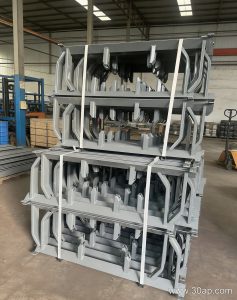
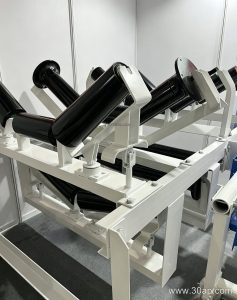
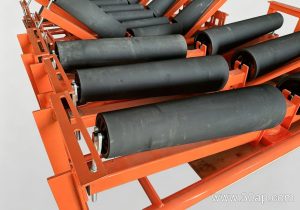
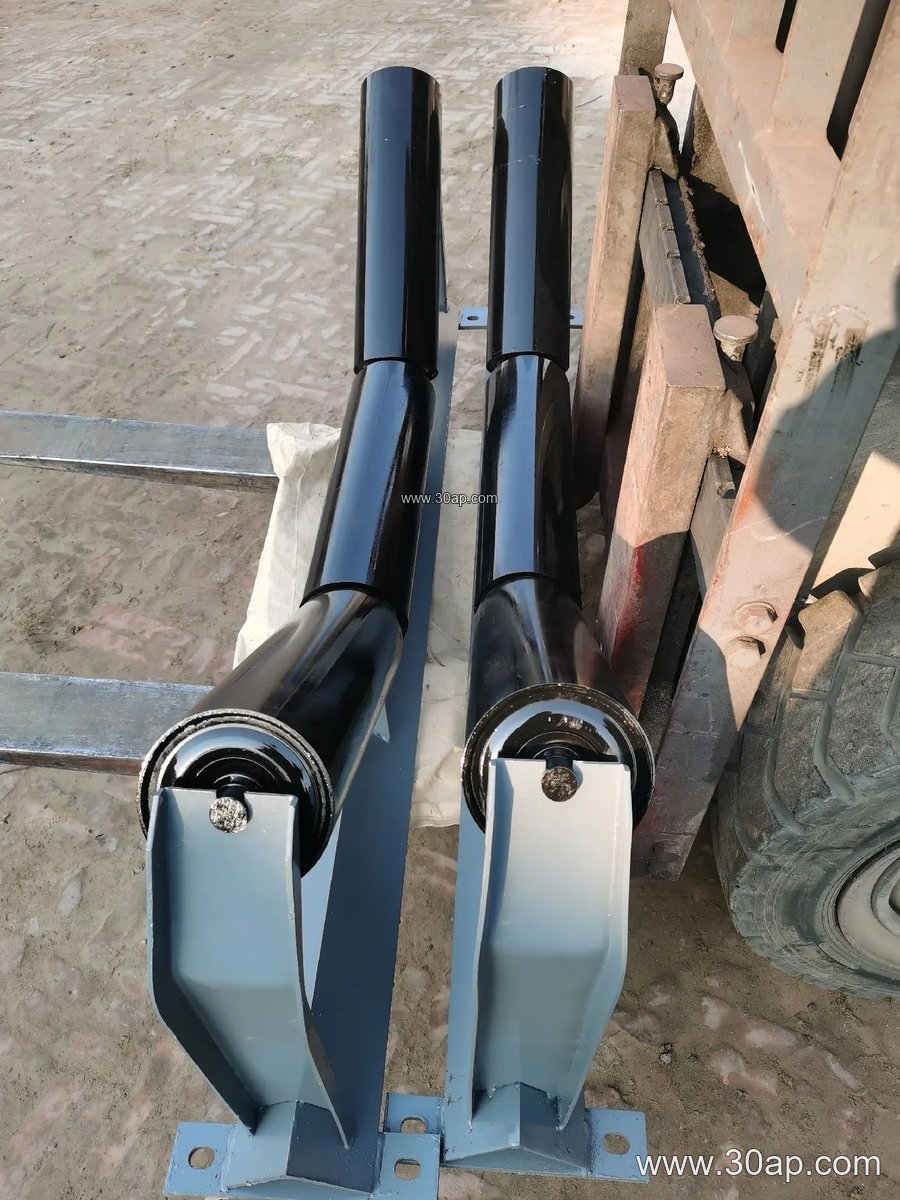
A Heavy-Duty Trough Idler Set is the three-roll assembly that carries the loaded side of a conveyor belt, forming it into a trough so bulk material stays centered instead of spilling over the edges. On a quarry face, a limestone pit, or a cement plant clinker line, this component takes the daily punishment that a standard idler cannot absorb: sharp rock, wet fines, and constant impact at the loading point. The set combines three idler rollers, a shaft, bearing housings, seals, and a sturdy conveyor bracket that locks the rolls at a fixed trough angle. When people ask for a heavy-duty troughed carrying idler set or a reinforced three-roll trough idler assembly, they mean the same product.
The trough angle is the defining geometry. Common arrangements use 20, 30, 35, or 45 degrees, and the angle changes how the belt cross-section cradles the load. A deeper trough holds more material and reduces spillage on inclined runs, while a shallower angle suits wide belts and gentle curves. Side rolls and the center roll can differ in length, and the roll length follows belt width, trough angle, and frame design rather than a single fixed rule.
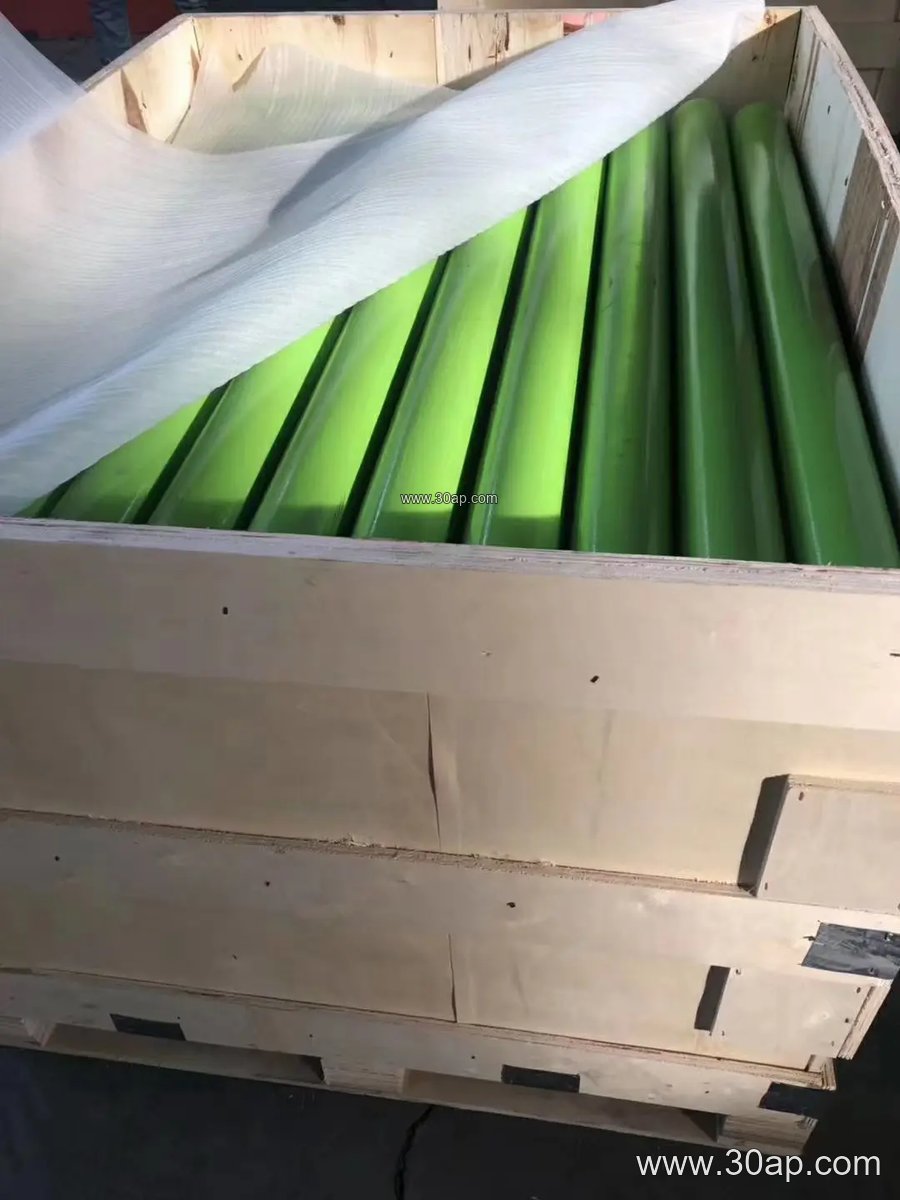
How the Set Is Built
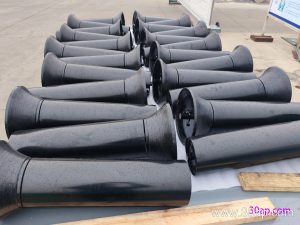
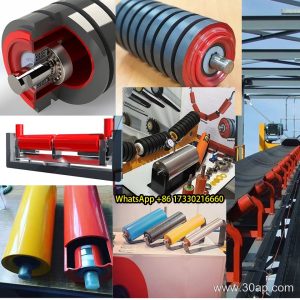
Shells are usually steel tube, with nylon, ceramic, or rubber-ring surfaces offered where wear or build-up is a concern. Bearings such as 6205, 6305, 6306, 6308, or 6310 appear across the range, and the correct match depends on load, speed, and roll diameter, not on belt width alone. Sealing is the quiet hero: a multi-stage labyrinth plus grease retention keeps grit out of the bearing cavity on a dusty crushing circuit or a wet wash plant.
- Roll diameter options commonly include Ø89, Ø108, Ø127, Ø133, Ø159, and larger sizes for high-load stations.
- Belt width references range from B500 and B650 up to B1800 and beyond, with roll length set by design.
- Frames may be fixed or adjustable, and some sets are built with a slight forward tilt of about 1.5 to 2 degrees to help self-training.
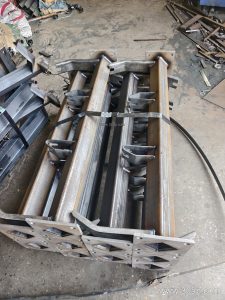
Heavy-duty does not mean oversized everywhere. It means thicker shells, stronger shafts, better seals, and a frame that resists twisting under load. A conveyor bracket that flexes will misalign the rolls and shorten bearing life, so the frame and the rolls deserve equal attention.
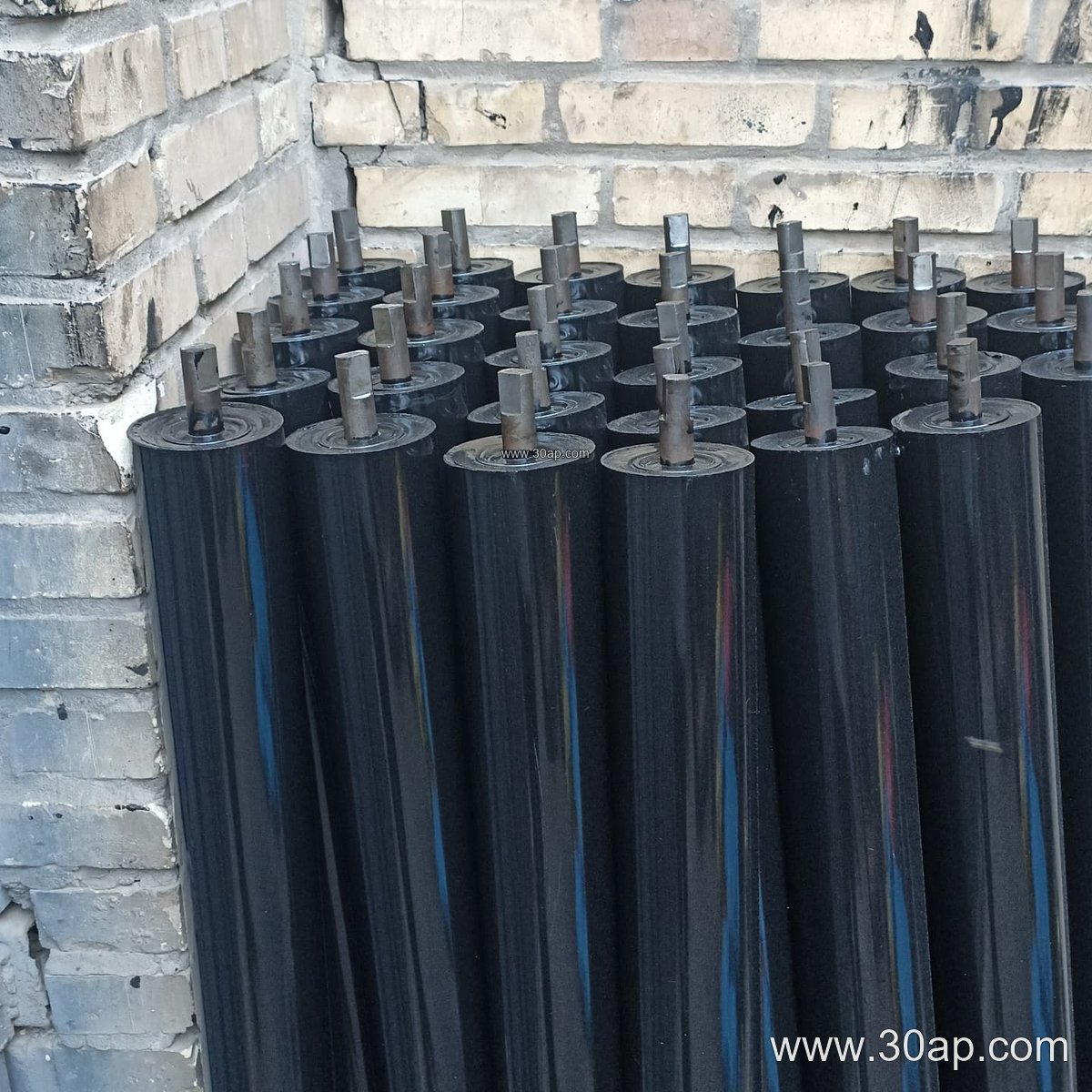
Where These Sets Earn Their Keep
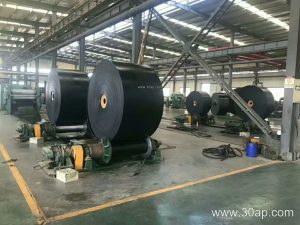
You will find them at primary crushing stations in an iron ore or copper ore operation, on the incline out of a sand and gravel pit, and along the coal handling stream of a power plant. In each case the belt is moving abrasive, dense material, and the idlers sit under continuous load. A rubber conveyor belt or an EP conveyor belt may run over the same set, but the trough rolls must suit the belt’s stiffness and the tonnage per meter.
Loading zones are the hardest duty. Impact resistant designs and rubber-ring rolls are sometimes used at the feed point, while standard steel rolls handle the carrying run further along. On the return side, a flat or V-return idler set does a different job; it is not a substitute for the carrying trough set, and the two should be specified separately.
Specification Points a Buyer Should Confirm
Before ordering, confirm belt width, trough angle, roll diameter, roll length, shaft size, bearing class, and sealing level. Ask how the frame mounts to the stringer and whether the bracket allows height adjustment. The table below shows typical reference values, not universal matches.
| Reference | Common Options |
|---|---|
| Roll diameter | Ø89, Ø108, Ø127, Ø133, Ø159, Ø178 |
| Belt width | B650, B800, B1000, B1200, B1400, B1600 |
| Trough angle | 20°, 30°, 35°, 45° |
| Bearing | 6205, 6305, 6306, 6308, 6310 |
| Roll surface | Steel, nylon, ceramic, rubber ring |
For a crusher conveyor belt running heavy rock, a larger roll diameter and a robust seal usually pay back faster than a light set that fails early. For a long overland run with a steel cord conveyor belt, spacing and roll quality affect belt fatigue, so specify the set as part of the whole conveyor design.
Maintenance and Selection Notes
Check for seized rolls, worn shells, and loose brackets during every shutdown. A squealing idler roller is a warning, not a nuisance. Keep the trough angle consistent along the run, and replace worn rolls in matched sets where alignment matters. Buyers should compare shell thickness, bearing brand class, seal design, and frame rigidity rather than price alone. A properly chosen heavy-duty trough idler set keeps the belt tracking true and the material moving from pit to plant.