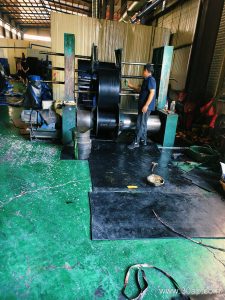
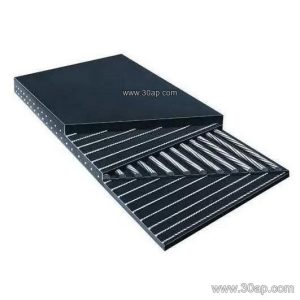
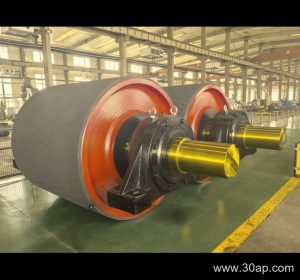
What a Conveyor Bracket Assembly Does
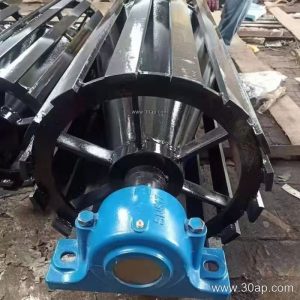
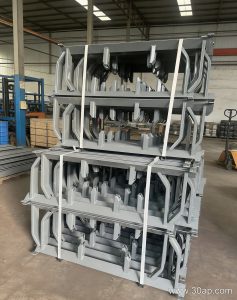
A conveyor bracket assembly is the fabricated steel frame that holds idlers in the correct position under and over the belt. It is not a single loose part but a matched set of beams, gussets, mounting plates and bolt holes that keeps a conveyor pulley line, idler roller group and conveyor belt working together. In a quarry, a coal washing plant or a cement kiln feed line, the assembly carries the load of the belt plus the material and transfers it into the main conveyor structure. Without a true and rigid bracket assembly, the belt drifts, the idlers wear unevenly and spillage becomes a daily problem.
How the Assembly Is Built
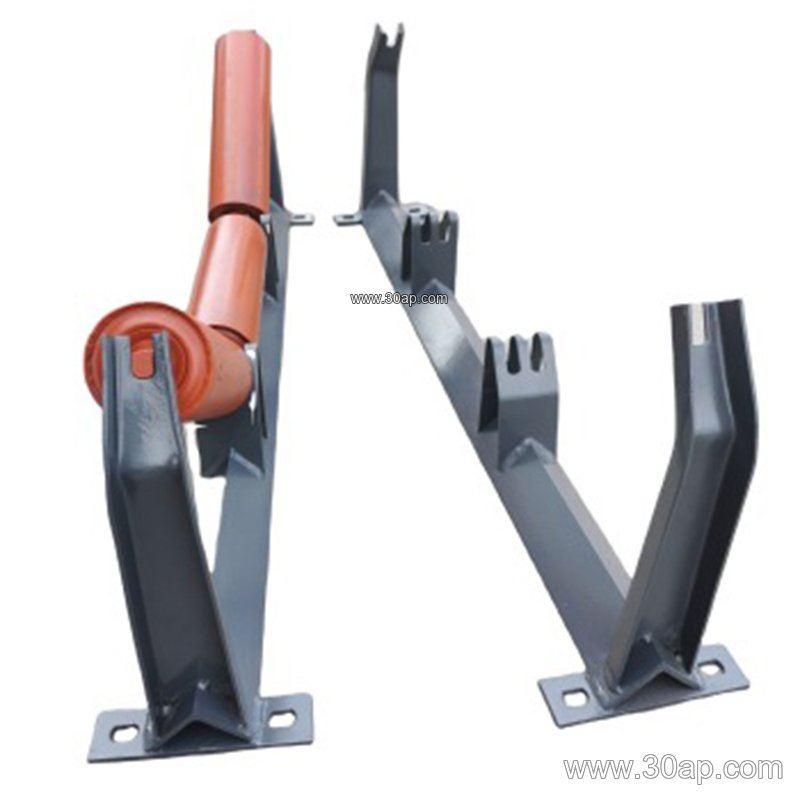
Most assemblies are made from angle steel, channel steel or folded steel plate, welded into a crossbeam with end brackets. The crossbeam length and the hole spacing follow the belt width, trough angle and idler diameter, so they are set by design rather than taken from a fixed table. Common belt widths include B500, B650, B800, B1000, B1200, B1400, B1600 and B1800, while trough angles are usually 20, 30, 35 or 45 degrees. Idler diameters such as Ø89, Ø108, Ø133, Ø159 and Ø194 are matched to the belt load and speed.
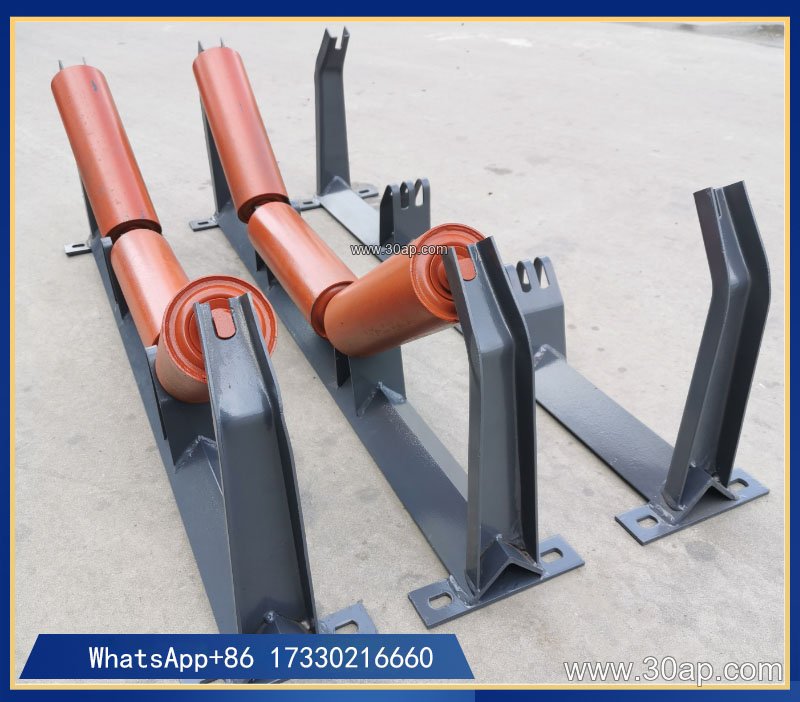
Surface finish matters as much as steel thickness. A painted or galvanized frame resists damp conditions in a wash plant, and a reinforced gusset helps where impact from large lumps is expected. The assembly should sit square on the stringer so the idler roller sits at the intended angle.
Common Types and Where They Sit
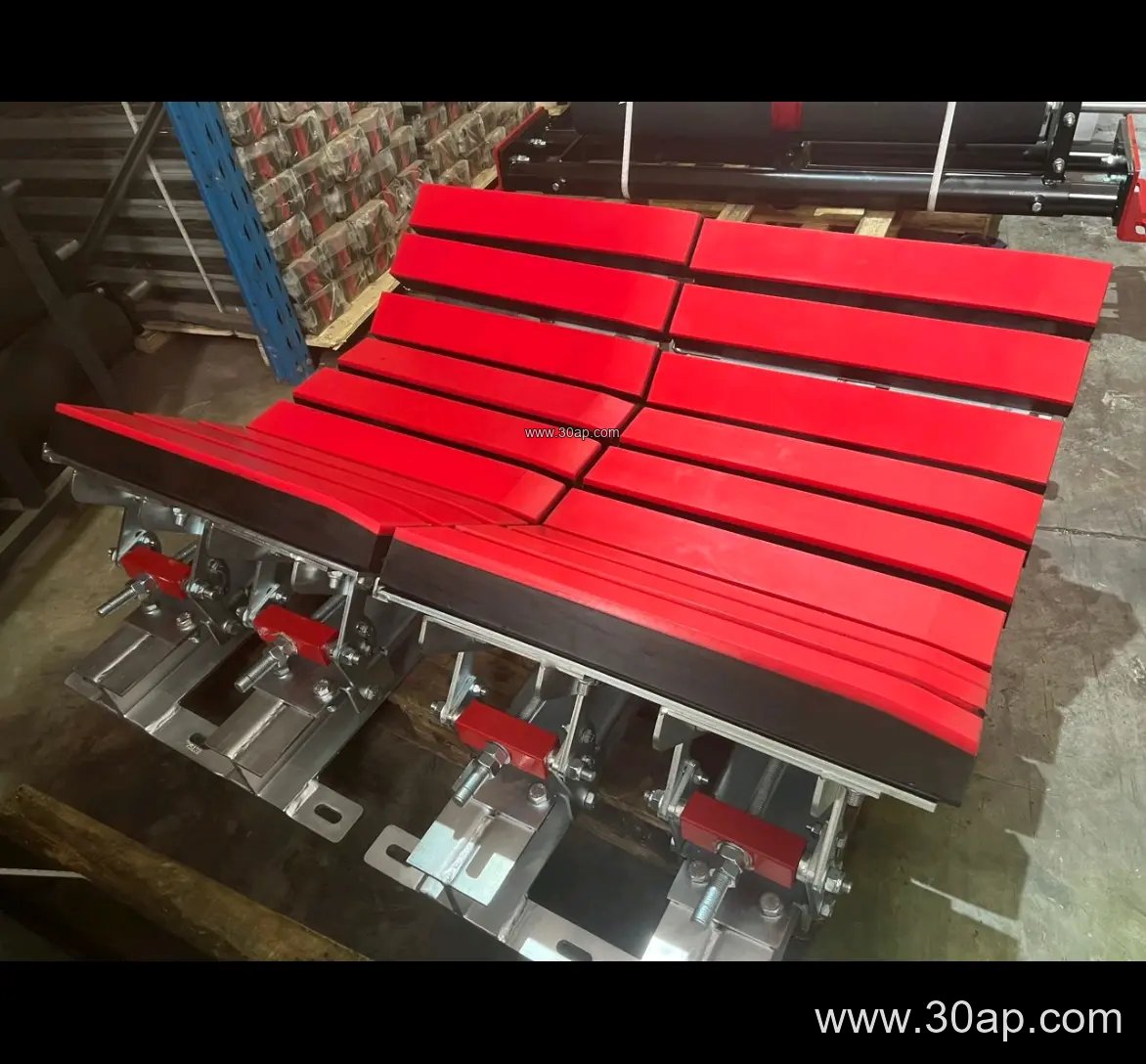
Carrying-side trough brackets, transition brackets near the head and tail, return flat brackets and V-return brackets each have a distinct position along the conveyor. Self-aligning and forward-tilted brackets are used where belt training is difficult, and impact brackets appear under loading points. Adjustable brackets let maintenance staff fine-tune the trough angle on site, which is useful when a conveyor handles mixed material.
- Trough bracket: supports three idlers at a set trough angle.
- Transition bracket: eases the belt from flat to troughed profile.
- Return bracket: carries the empty belt on the lower run.
- Impact bracket: absorbs shock below the feed chute.
- Adjustable bracket: allows angle changes within a designed range.
Typical Working Environments
In an iron ore or copper ore handling line, heavy-duty brackets work with a steel cord conveyor belt and thick idler shells. In a limestone quarry or aggregate plant, a fabric core conveyor belt such as an EP conveyor belt or NN conveyor belt runs over standard trough brackets. Power plant coal handling and underground coal mining conveyors often use flame retardant conveyor belt together with robust brackets that resist dust and moisture. Port ship loaders and crushing circuits also rely on these frames to keep the belt centered under high throughput.
Where material is sticky or hot, an abrasion resistant conveyor belt or heat resistant conveyor belt may be paired with brackets that allow quick idler changes. In cold regions, a cold resistant conveyor belt needs brackets that do not become brittle or loose at low temperature.
Reference Data for Selection
The values below are typical reference points, not fixed supply promises. Final dimensions are confirmed against the conveyor drawing.
| Item | Common Range | Notes |
|---|---|---|
| Belt width | B500 to B1800 | Wider belts need longer crossbeams |
| Trough angle | 20, 30, 35, 45 degrees | Adjustable types cover a range |
| Idler diameter | Ø89, Ø108, Ø133, Ø159, Ø194 | Matched to load and speed |
| Material | Angle steel, channel steel, folded plate | Thickness by design |
| Forward tilt | About 1.5 to 2 degrees | Used for belt training |
What a Buyer Should Check
Ask for the belt width, trough angle and idler diameter together, because a B800 frame at 35 degrees with Ø108 idlers is a different assembly from a B1200 frame at 45 degrees with Ø133 idlers. Confirm the mounting hole pattern, the crossbeam length and the stringer connection. Check whether the frame is fixed or adjustable, and whether it is intended for the carrying run or the return run. For a mining conveyor belt or a long overland line, specify the expected load and any impact points so the bracket and idler roller selection stay consistent.
Finally, keep spare brackets and fasteners in store. A small frame failure can stop a whole transfer line, and matching the original assembly avoids mismatched angles that damage the belt edge. Browse more conveyor components and belt options at yonghangconveyor.com to plan a complete, balanced conveyor system.