What a Carbon Steel Conveyor Bracket Does on a Conveyor Frame
A carbon steel conveyor bracket is the structural support that holds a conveyor idler roller in its working position along the frame. It carries the roller shaft, sets the trough angle of the belt, and transfers the load of the belt and material into the conveyor stringers. On a quarry or aggregate line, the bracket also has to tolerate dust, grit, and constant vibration, so the material and the mounting detail matter as much as the shape.
In practice the bracket is a simple fabrication, but it is not a generic part. A trough bracket for a 35 degree three-roller set is a different item from a return bracket carrying a single flat roller. Buyers should treat the bracket as part of a system: the idler roller, the conveyor belt, and the frame all interact.
How the Bracket Is Fabricated
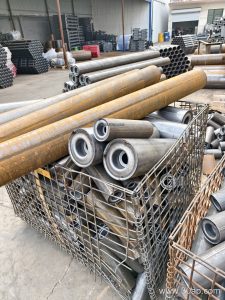
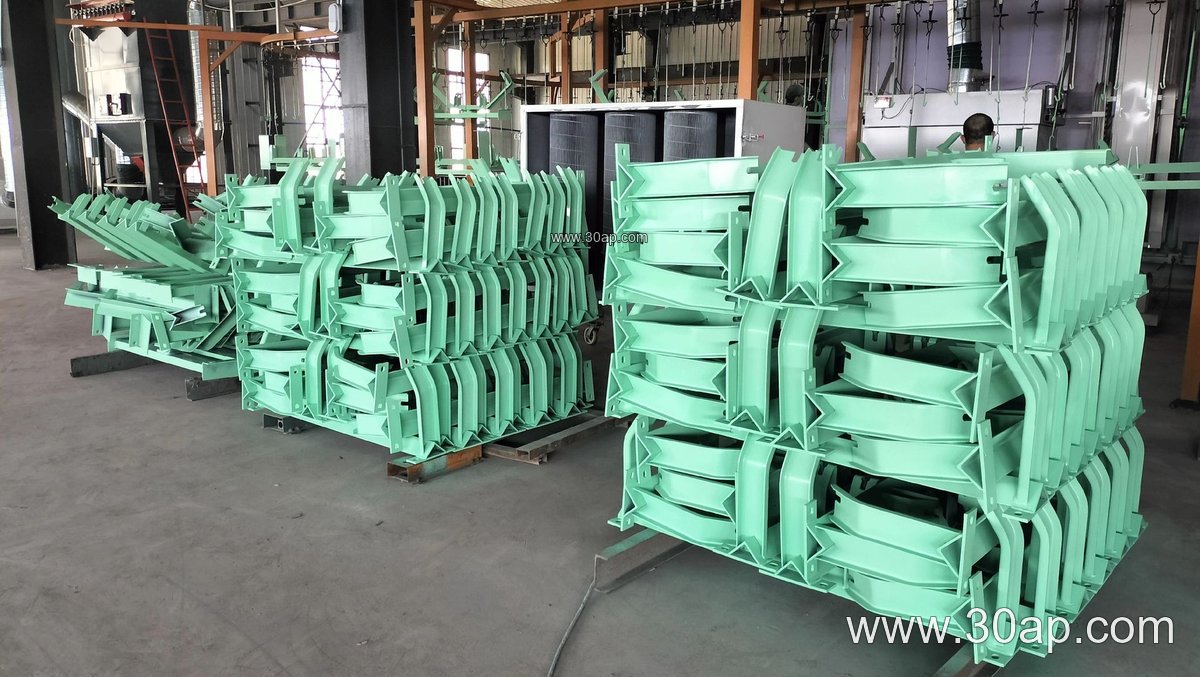
Most carbon steel conveyor brackets are made from angle steel, channel steel, or folded steel plate. The common sequence is cutting, punching or drilling the mounting holes, forming the roller seat, and welding the gussets or stops. A welded bracket is then cleaned and usually painted or coated for corrosion protection.
Two details deserve attention during inspection. First, the roller seat should hold the shaft without pinching or looseness, because a poor fit shortens roller life. Second, the mounting hole spacing and crossbeam length must match the actual frame; these dimensions vary with belt width and trough angle and are not fixed numbers. A bracket that is dimensionally correct but weakly welded will fail early under a heavy ore load.
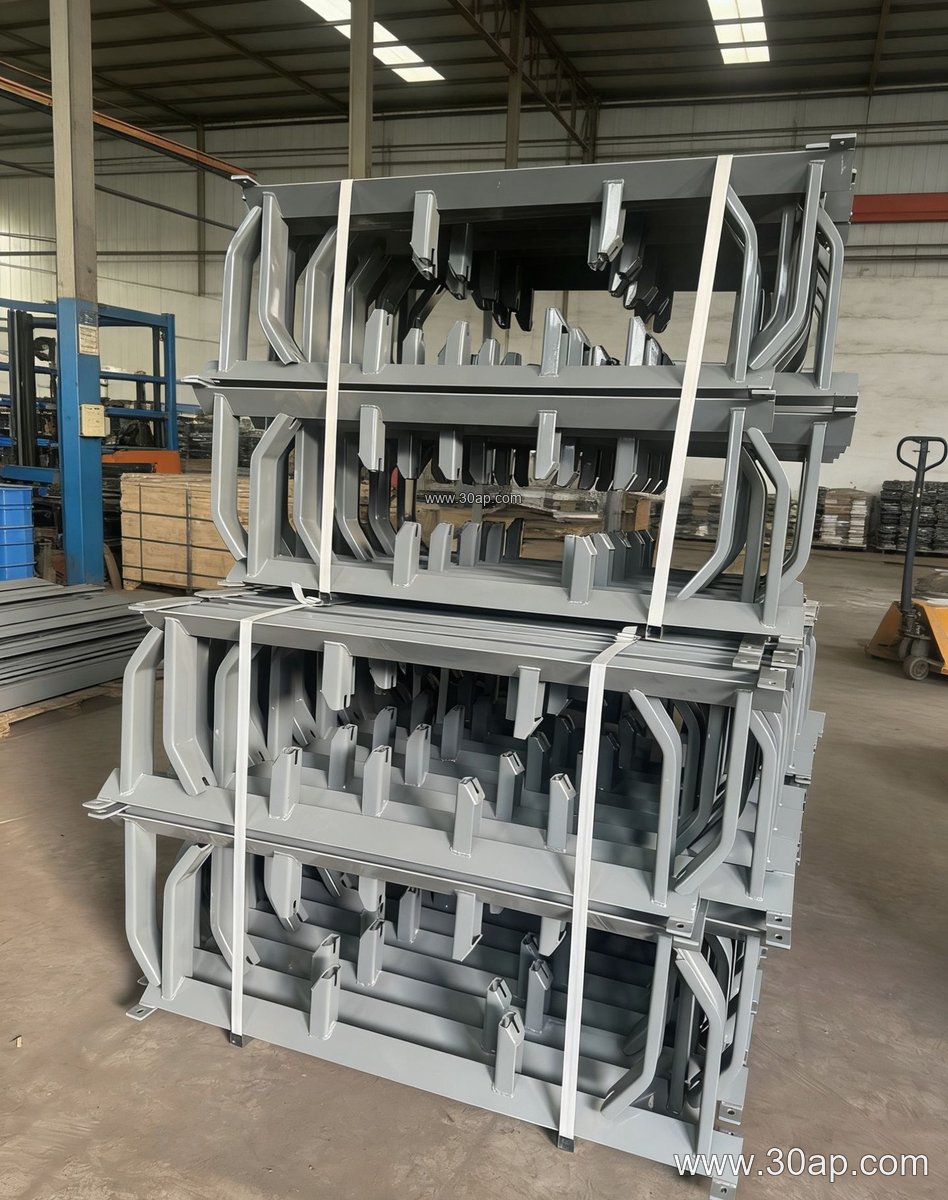
- Material: angle steel, channel steel, or folded plate
- Finish: painted, galvanized, or coated as specified
- Key checks: seat alignment, hole spacing, weld quality, squareness
Common Bracket Types and Where They Sit
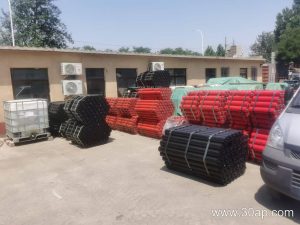
The carrying side usually uses a trough bracket or an upper trough bracket to hold two or three rollers at a set angle. Between the tail pulley and the first full trough set, a transition bracket gradually changes the belt from flat to troughed, which reduces edge stress on the conveyor belt.
The return side uses a return bracket or a lower flat bracket, and where belt tracking is difficult, a V-shaped return bracket helps center the belt. Impact zones under a crusher discharge often take a buffer bracket with resilient rollers, while self-aligning and forward-leaning brackets are chosen where the belt tends to drift. Suspended and adjustable brackets appear on frames that need field adjustment.
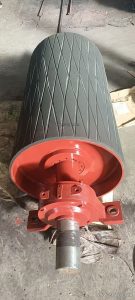
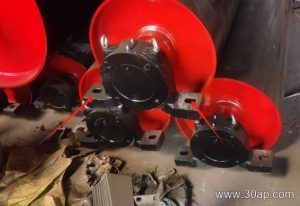
These are separate components, not substitutes for one another. A bend pulley bracket, a drive bracket, and a tail bracket each serve a different location on the machine.
Typical Reference Dimensions
The values below are common reference data for discussion, not a supply commitment. Final dimensions follow the conveyor design.
| Item | Common reference values |
|---|---|
| Belt width | B500, B650, B800, B1000, B1200, B1400, B1600, B1800, B2000, B2200 |
| Trough angle | 20, 30, 35, 45 degrees; adjustable types can be set between these angles |
| Roller diameter | Ø89, Ø108, Ø133, Ø159, Ø194 |
| Forward lean | about 1.5 to 2 degrees on forward-leaning brackets |
| Example combinations | B800, 35 degrees, Ø108; B1200, 45 degrees, Ø133; B650, 30 degrees, Ø89 |
Note that belt width does not dictate a single trough angle or roller diameter. A B1000 frame may run 30 or 35 degrees depending on the material and capacity target, and the shaft diameter is set by the roller design, not by belt width alone. For wider belts, an EP Conveyor Belt or Steel Cord Conveyor Belt may be used, and the bracket and idler roller should be selected together with that belt in mind.
Application Notes from Different Plants
In a coal preparation plant, brackets are often specified with flame retardant and anti-static properties in mind, since the belt itself may be a PVG Conveyor Belt or a Flame Retardant Conveyor Belt. In a cement plant, the abrasive limestone dust means the bracket finish and the roller seal deserve attention, and an Abrasion Resistant Conveyor Belt is a common companion.
At a port or ship loading terminal, wide belts such as a 1800mm Wide Conveyor Belt or a 2000mm belt put more load on each bracket, so the crossbeam and welds must be sized for it. In a steel plant or power plant coal yard, heat and oil exposure may call for a Heat Resistant Conveyor Belt or an Oil Resistant Conveyor Belt, and the bracket coating should suit the environment. In a crushing and screening line, a buffer bracket under the crusher discharge protects both the roller and the belt.
Buyer Checklist
- Confirm belt width, trough angle, and roller diameter as a set.
- Give the frame drawing, including hole spacing and crossbeam length.
- State the environment: dust, moisture, heat, oil, or corrosive atmosphere.
- Ask about material thickness, weld inspection, and surface treatment.
- Check that the bracket type matches its location, such as trough, transition, return, or buffer.
- Order brackets and idler rollers together so the seats and shafts match.
A well-matched carbon steel conveyor bracket is a low-cost part that protects expensive ones. For more on matching brackets with belts, rollers, and pulleys, see beltconveyorparts.com and review the conveyor bracket range before finalizing the frame drawing.