What a Motorized Pulley Is
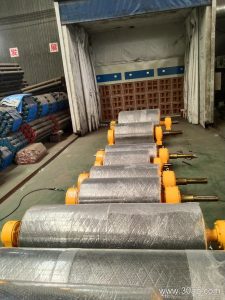
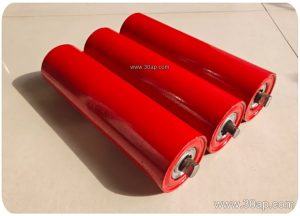
A motorized pulley is a self-contained drive unit in which the electric motor and gear reducer sit inside the drum shell. Because the drive train is enclosed, the unit takes the place of an external motor, gearbox, coupling, and drive guard at the head of a conveyor. In many plants this assembly is simply called a drum motor, and both terms describe the same product. It is a drive pulley by function, so it should not be confused with a tail pulley or a bend pulley, which guide and return the belt rather than power it.
The concept suits conveyors where space at the discharge end is tight or where dust and water make exposed drives a maintenance burden. A cement plant clinker line, a power plant coal handling gallery, or a tunnel spoil conveyor can all benefit from a compact, sealed drive built into the drum.
How the Unit Is Built
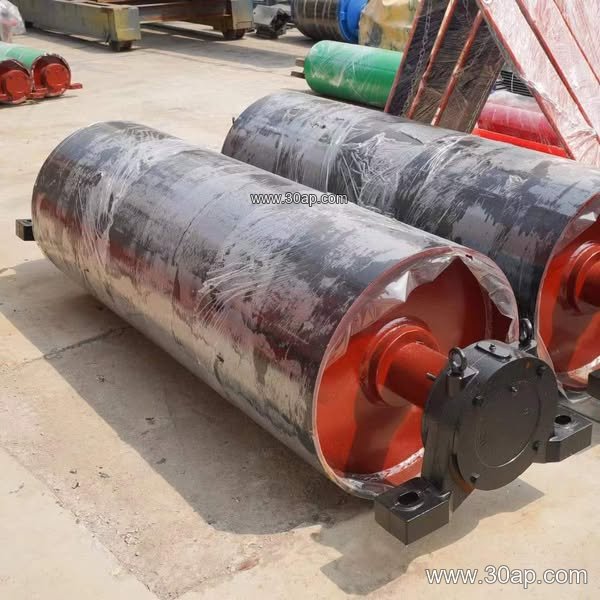
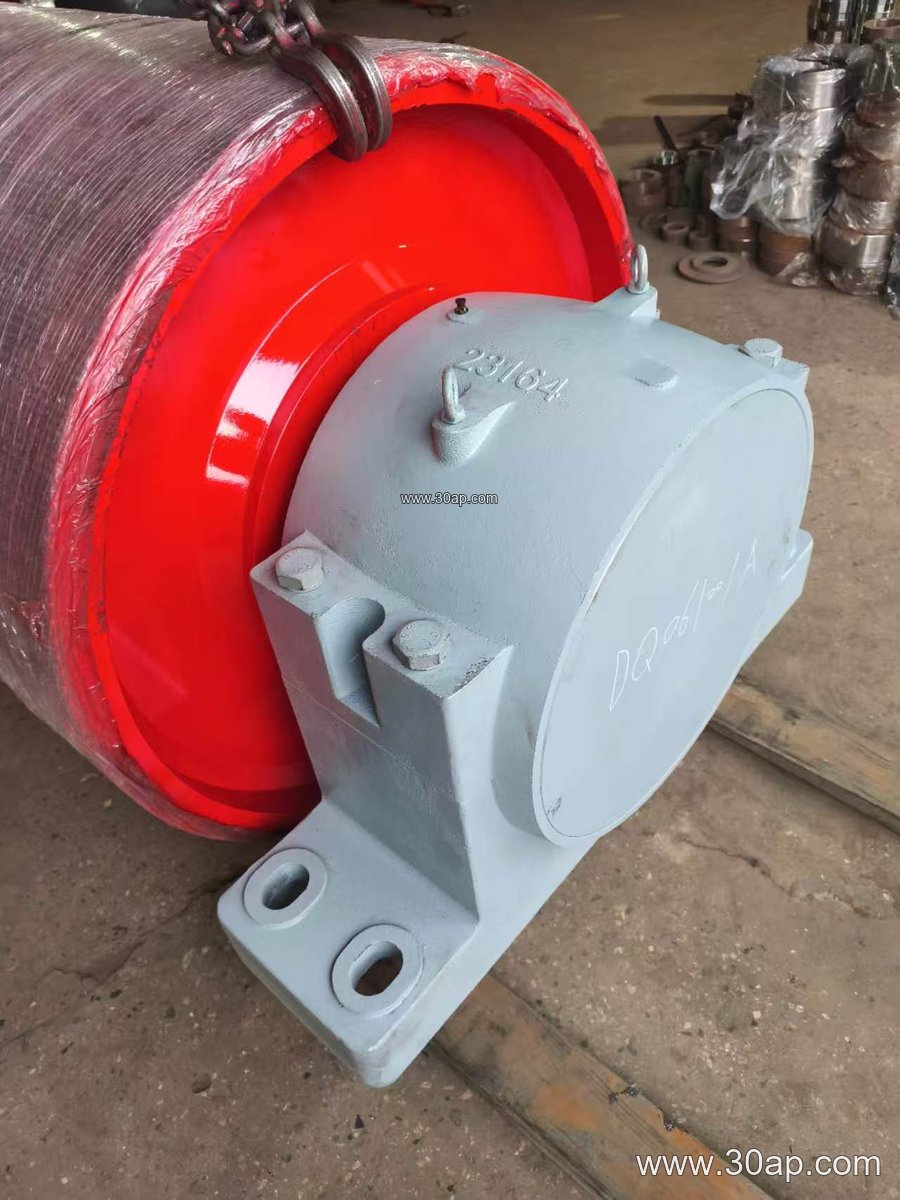
Inside the shell, a stator and rotor drive a planetary or helical gear stage that turns the shell through a flange connection. The shell rotates on bearings carried by a fixed shaft, and the shaft ends are mounted in conveyor brackets or a take-up frame. Sealing is critical: lip seals, oil or grease chambers, and a breather arrangement keep abrasive dust out of the gear cavity.
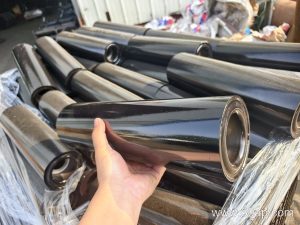
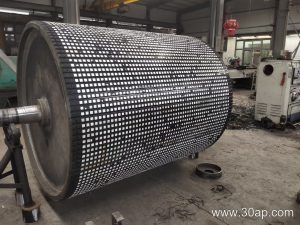
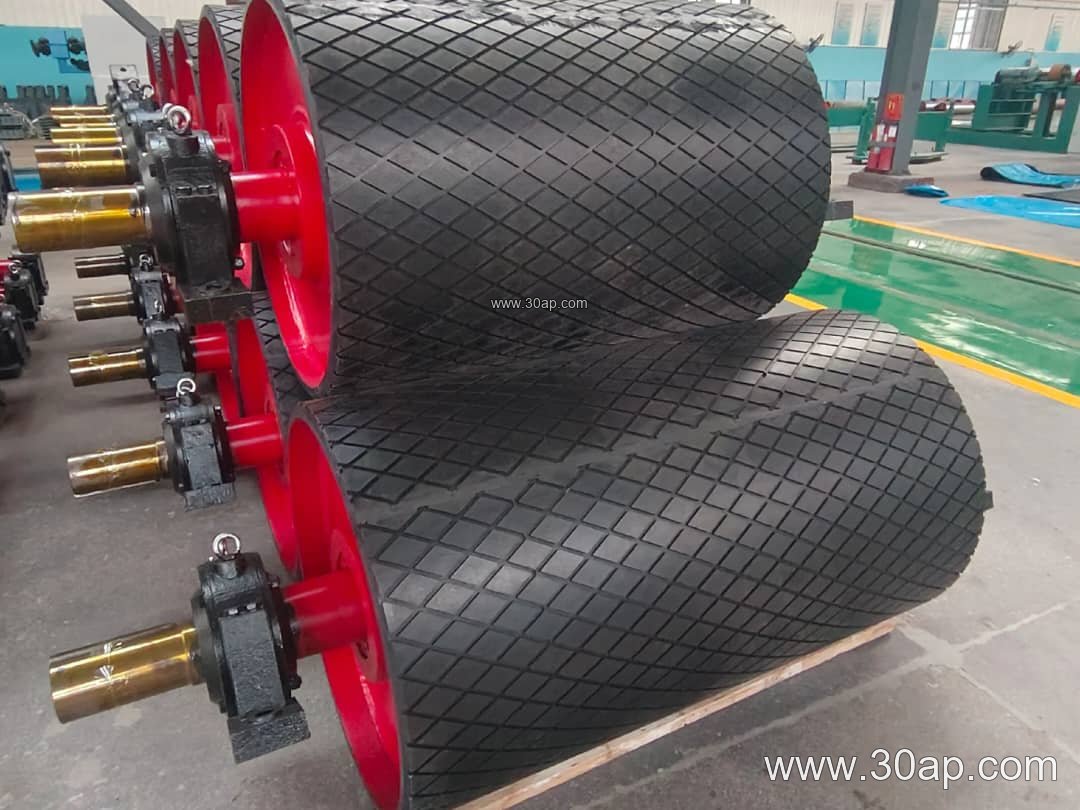
Surface condition matters as much as the internals. A plain finish is adequate for lightly loaded, clean duties, while rubber lagging, diamond grooving, or ceramic tiles raise grip on wet or dusty belts. Lagging thickness is commonly 8, 10, 12, 15, or 20 mm depending on the duty.
Matching the Pulley to the Belt Line
Shell diameter and face width are chosen together with the belt width and the belt’s own tension. Typical face widths run slightly wider than the belt, for example about 500 mm for a B400 belt, about 950 mm for B800, and about 1400 mm for B1200. Diameter is often selected from a range such as Ø200, Ø250, Ø315, Ø400, Ø500, Ø630, Ø800, Ø1000, or larger, but a given belt width does not lock the design to one diameter. Combinations such as B800 × Ø500 and B1200 × Ø1000 appear in practice, and the final choice follows the required wrap angle, belt speed, and torque.
| Belt width | Typical shell face width | Common diameter range |
|---|---|---|
| B400 | about 500 mm | Ø200 to Ø315 |
| B650 | about 750 mm | Ø250 to Ø400 |
| B800 | about 950 mm | Ø315 to Ø500 |
| B1000 | about 1150 mm | Ø400 to Ø630 |
| B1200 | about 1400 mm | Ø500 to Ø800 |
| B1400 | about 1600 mm | Ø630 to Ø1000 |
Shaft diameter is set by torque and radial load, not by belt width alone. Common shaft sizes include Ø50, Ø60, Ø80, Ø100, Ø120, Ø160, and Ø200, and the correct value must come from the drive calculation.
Where It Fits on the Conveyor
The unit is normally installed at the head or discharge position, where it drives the conveyor belt and throws material into a chute or onto the next stage. It can also serve as a tension pulley in a take-up arrangement, though in that case the drive function is usually absent. A bend pulley or a snub pulley in the same frame remains a separate, non-driven component, and a tail pulley at the loading end still performs its own guiding role.
In a quarry or aggregate line, a lagged drum motor keeps grip on a dusty, high-abrasion belt. In a coal mining conveyor, a flame retardant conveyor belt and sealed drive reduce ignition and dust risk. In a port ship loading system, the compact head drive frees deck space.
Buyer Checklist
- Confirm the required belt pull, belt speed, and duty cycle before sizing the motor.
- State the belt type, for example an EP conveyor belt, a steel cord conveyor belt, or a heat resistant conveyor belt, because tension and temperature affect the drum.
- Choose lagging for wet, dusty, or inclined duty, and specify thickness where grip is critical.
- Check that the shaft ends match the existing conveyor bracket and take-up stroke.
- Plan access for oil changes, seal inspection, and bearing checks, since the drive is enclosed.
- Ask for the thermal rating at the actual ambient temperature and altitude.
Used well, the drum motor simplifies a head station and keeps the drive clean. Used without a proper tension calculation, it can slip or overheat, so the belt and the pulley should always be selected as one system.