What the NN200 Conveyor Belt Is
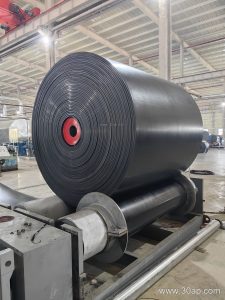
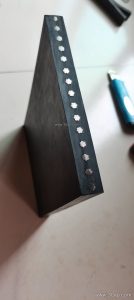
An NN200 conveyor belt is a multi-ply fabric core belt built on nylon (polyamide) warp and weft yarns, with a rubber cover on both faces. The “200” refers to the nominal tensile strength of the carcass, commonly expressed as 200 N/mm per ply in reference tables. Because both the load-bearing warp and the transverse weft are nylon, the belt combines high strength with good flexibility and strong resistance to fatigue. Many plants simply call it an NN Conveyor Belt or a nylon fabric core belt, and the same product may appear in documents as a nylon multi-ply conveyor belt.
It is worth separating this from other carcass families. An EP Conveyor Belt uses polyester warp and nylon weft, while a Steel Cord Conveyor Belt relies on steel cables for very long, high-tension runs. The NN200 sits in the fabric-core middle ground, where moderate tension, good troughability and reasonable elongation matter more than extreme tensile capacity.
How the Belt Is Built
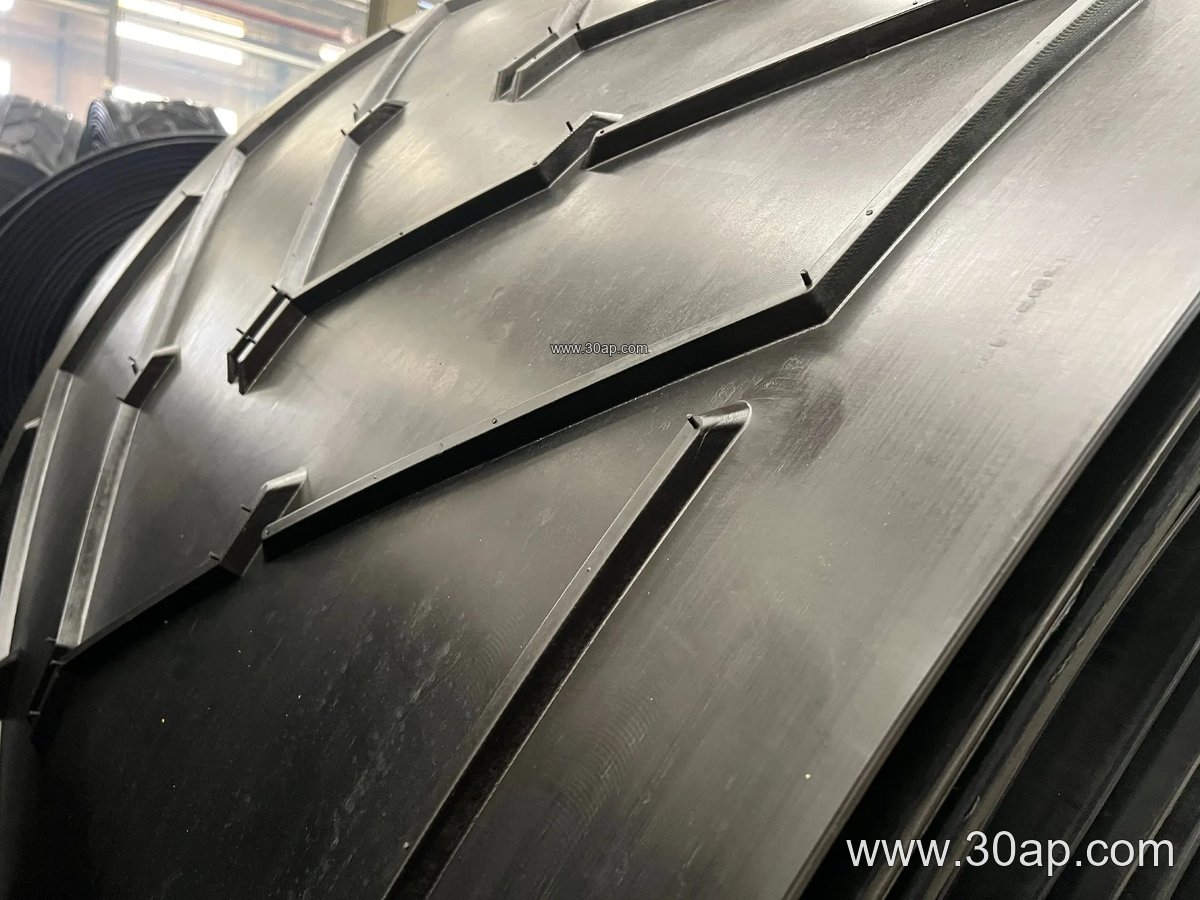
A typical construction stacks several nylon fabric plies, bonds them with skim rubber, and adds top and bottom covers. Common carcass builds range from 2 to 6 plies, and cover gauges are often quoted as combined figures such as 3+1.5 mm, 4+2 mm or 6+2 mm, depending on the duty. Buyers should treat all of these as reference ranges and confirm the actual construction with the supplier.
- Carcass: multiple nylon plies providing strength and flexibility
- Bonding: friction and skim rubber between plies to resist delamination
- Covers: top and bottom rubber selected for abrasion, heat, oil or flame performance
- Edges: cut or moulded edges, sometimes sealed to limit moisture ingress
Cover compound choice matters as much as the carcass. A heat resistant conveyor belt for cement clinker, an oil resistant conveyor belt for recycled material, or a flame retardant conveyor belt for underground coal mining all share the same nylon skeleton but differ in rubber formulation.
Where NN200 Belts Fit in the Plant
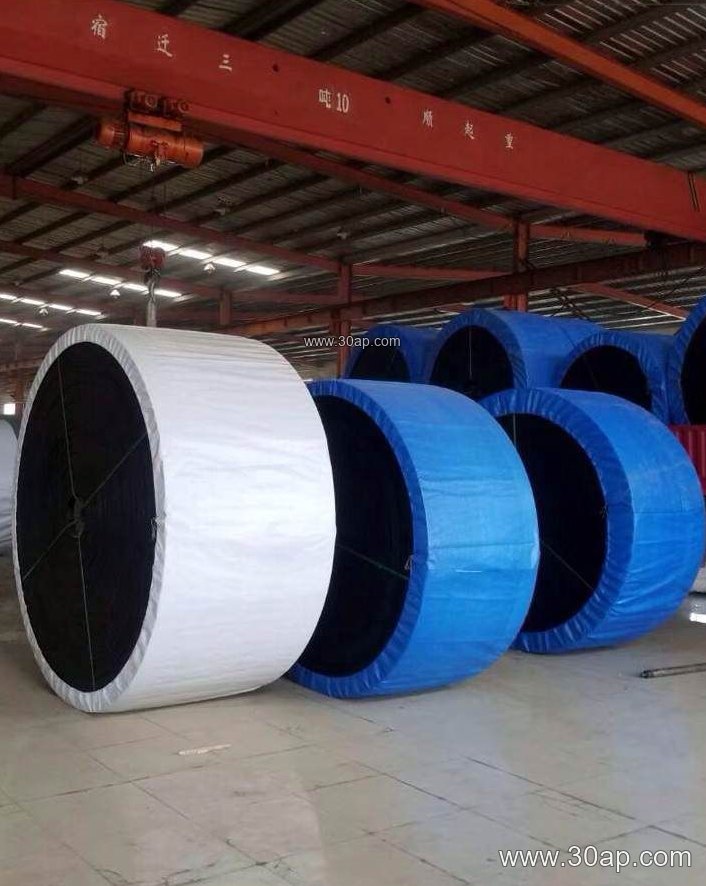
The belt is at home in bulk material handling where loads are steady but not extreme. Typical settings include:
- Sand and gravel plants feeding screens and crushers
- Cement plants moving limestone, clinker and additives
- Power plants handling coal on yard and bunker lines
- Mines and quarries on drift and incline conveyors
- Ports and ship loading systems moving aggregate
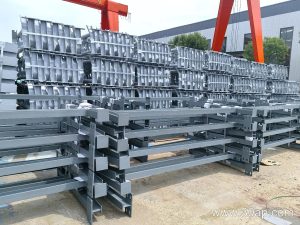
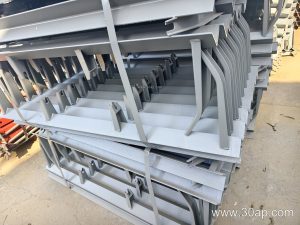
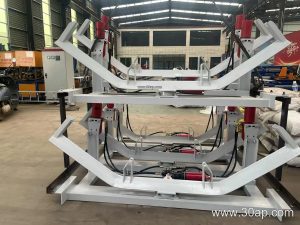
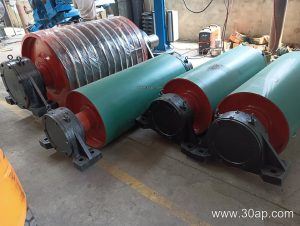
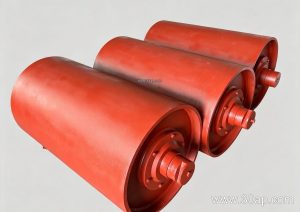
On these conveyors the belt runs over idler rollers, wraps the head and tail pulleys, and is supported by conveyor brackets and frames. A quarry conveyor belt or aggregate conveyor belt of this grade usually needs good abrasion resistance, while a coal mining conveyor belt may need anti-static and flame retardant properties as well.
Specifications Buyers Commonly Ask About
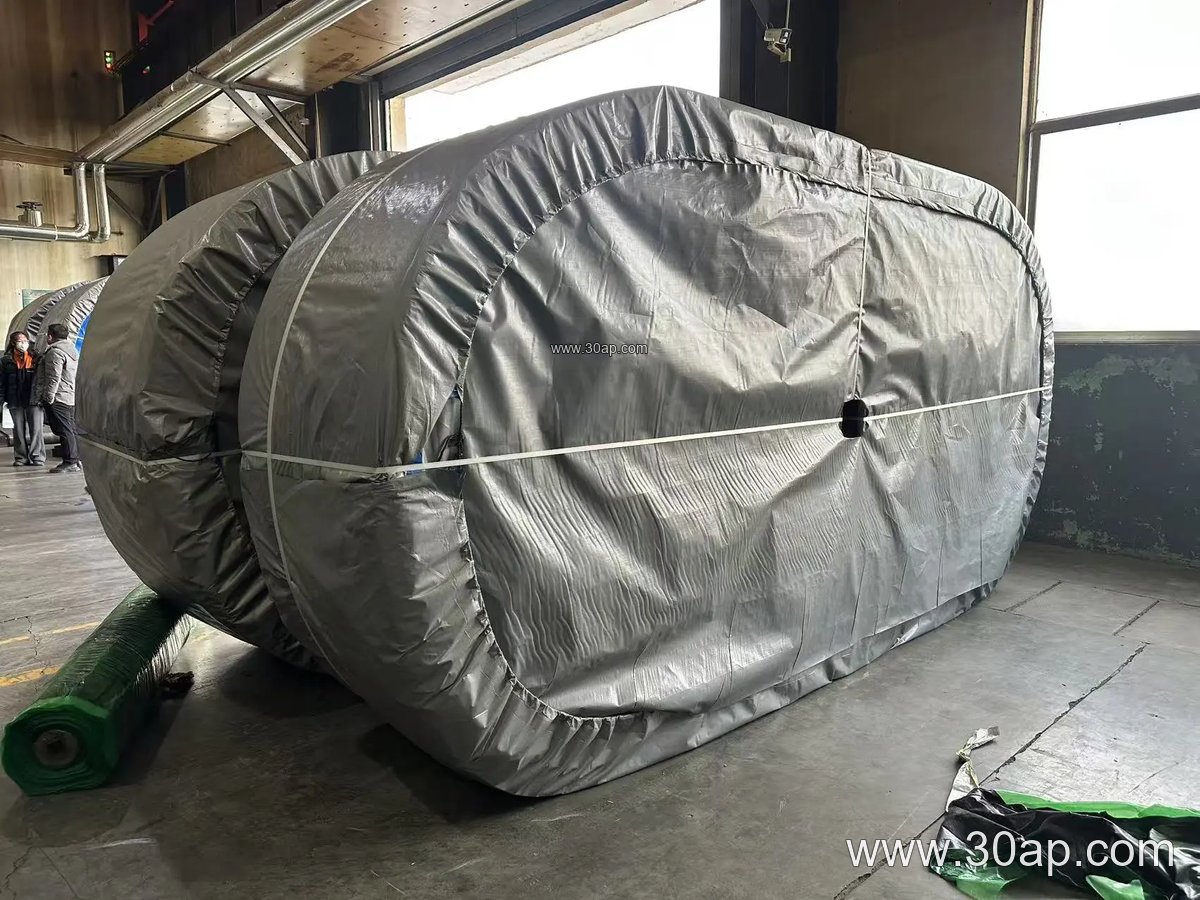
Widths are normally matched to the conveyor design and the lump size being carried. Reference widths include B500, B650, B800, B1000, B1200, B1400, B1600, B1800 and B2000, but no single width is obligatory. Strength grades above NN200, such as NN300 or NN400, are available when tension calculations demand more carcass capacity.
| Parameter | Common Reference Range |
|---|---|
| Carcass type | Nylon/nylon multi-ply |
| Nominal strength | NN200 (200 N/mm per ply class) |
| Number of plies | 2 to 6, by design |
| Belt width | B500 to B2000, selected by conveyor design |
| Cover thickness | 3+1.5, 4+2, 5+2, 6+2, 8+3 mm examples |
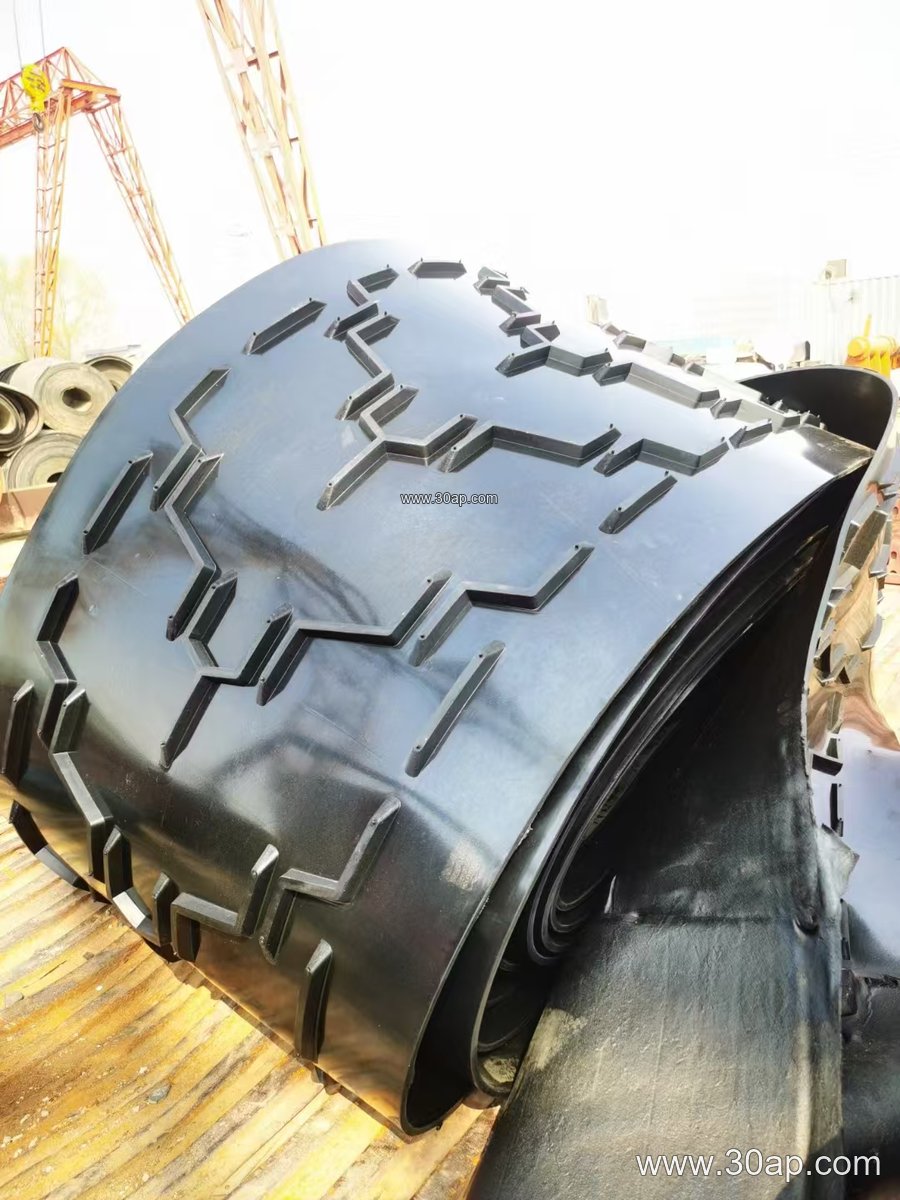
| Cover options | Abrasion, heat, oil, flame retardant, cold resistant |
For wider lines, a 1200mm or 1400mm belt is common; for high-capacity trunk conveyors, 1800mm or 2000mm may be considered. These are examples, not fixed pairings with pulley diameters or shaft sizes.
Selection and Maintenance Notes
Start with the duty: tonnage, lump size, incline, pulley diameters and ambient conditions. Check whether the rubber compound should be abrasion resistant, heat resistant, oil resistant, cold resistant or fire resistant. Confirm the ply count and cover gauge, and ask how the belt will be joined, since an endless conveyor belt spliced on site behaves differently from a mechanically fastened one.
During operation, keep idler rollers turning freely, align pulleys, and avoid material build-up at transfer points. Inspect edges and splices regularly; most failures begin with a small rip or a loose joint. Store spare belts flat and away from sunlight and ozone sources.
For a full range of conveyor belt, idler roller, conveyor pulley and conveyor bracket options, work with a supplier who can match the NN200 carcass to your actual conveyor duty rather than to a catalogue default.