What a High Temperature Conveyor Belt Is
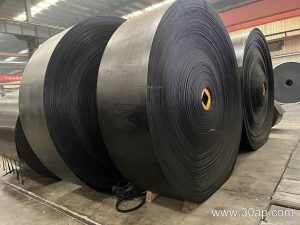
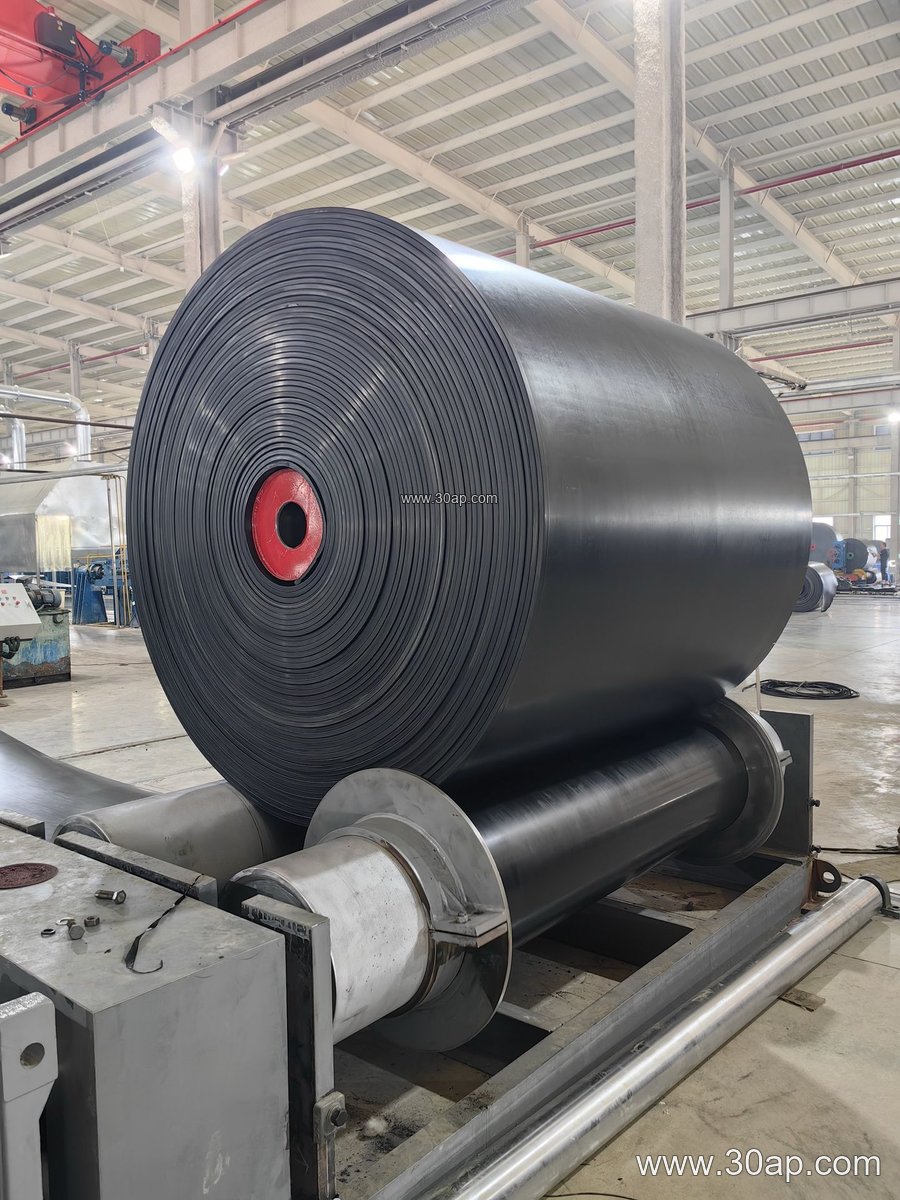
A high temperature conveyor belt is a heavy-duty rubber conveyor belt engineered to carry hot bulk materials without losing its cover, carcass strength, or splice integrity. In cement plants, steel mills, power plants, and sinter or coke handling lines, the belt surface may see continuous heat that would quickly age a standard rubber conveyor belt. The heat resistant conveyor belt solves this by combining a heat-tolerant cover compound with a carcass that resists thermal degradation.
It is not the same as a flame retardant conveyor belt. A flame retardant or fire resistant conveyor belt is tested for resistance to ignition and flame spread, while a heat resistant conveyor belt is built for elevated material temperature. Some hot-duty lines need both properties, and buyers should state both requirements clearly.
Construction and Material Choices
The cover compound usually uses a polymer system with low heat build-up and good retention of tensile strength after long exposure. The carcass can be a fabric core conveyor belt, such as an EP conveyor belt or NN conveyor belt, or a steel cord conveyor belt for very high tension and long center distances.
Common reference values in the market include:
| Item | Typical reference values |
|---|---|
| Fabric carcass strength | EP200, EP315, EP400, EP630, EP800, EP1000, EP1250 |
| Steel cord strength | ST1000, ST1250, ST1600, ST2000 |
| Belt width | B650, B800, B1000, B1200, B1400, B1600, B1800 |
| Cover thickness | 4+2 mm, 5+2 mm, 6+2 mm, 8+3 mm |
| Fabric plies | 2 to 6 plies, depending on design |
These are reference figures, not universal specifications. Final construction is determined by the material temperature, lump size, drop height, and duty cycle.
Where It Runs
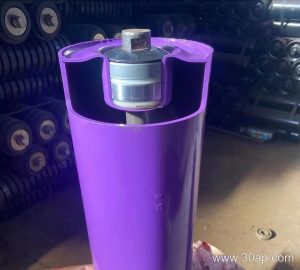
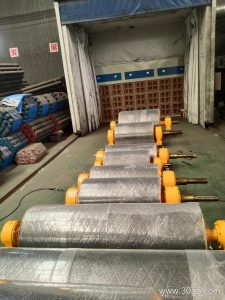
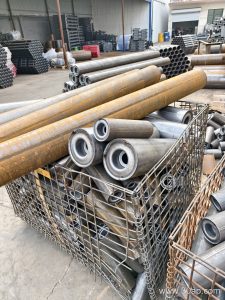
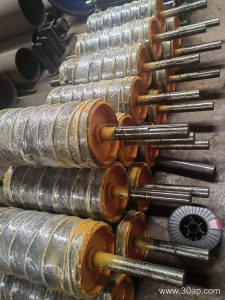
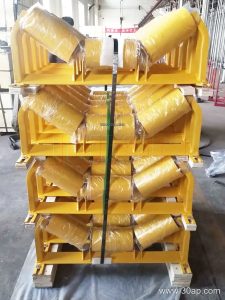
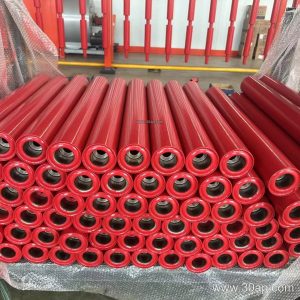
Typical installations include cement kiln feed and clinker lines, coke and sinter transport in steel plants, ash handling in power stations, and hot ore or slag duties in mining and quarry operations. In these circuits the belt works with conveyor pulleys, idler rollers, and conveyor brackets that must also tolerate heat and dust. Drive, tail, and bend pulleys are separate roles and are not interchangeable; each has its own loading and lagging requirements.
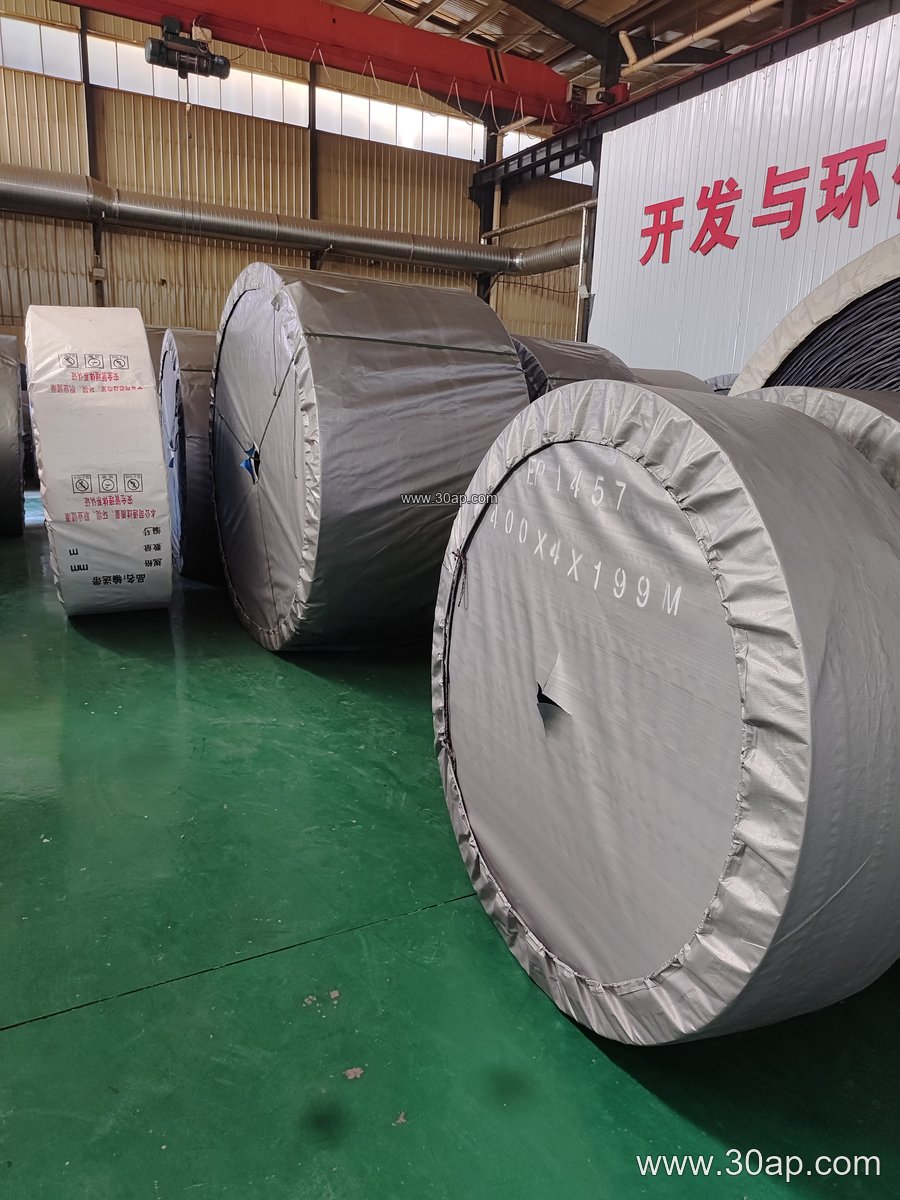
For very hot or dusty transfer points, a corrugated sidewall conveyor belt or skirted conveyor belt can contain material, but those are separate designs and should not be confused with the main heat-duty belt. A chevron conveyor belt is chosen for incline grip, not for temperature resistance.
Selection Points for Buyers
- State the maximum material temperature and whether it is continuous or intermittent.
- Describe the material: clinker, sinter, ash, coke, or hot aggregate, including lump size and moisture.
- Confirm the required carcass: EP fabric core, NN, or steel cord, with the needed strength grade.
- Specify cover thickness and any additional needs such as abrasion resistant, oil resistant, or anti-static behavior.
- Check pulley diameters and idler roller spacing against the belt construction, since a thicker or stiffer belt affects training and minimum pulley size.
Installation and Maintenance Notes
Hot material should be centered on the belt, and impact zones should use suitable support. Keep conveyor pulleys aligned and idler rollers turning freely; a seized roller can create a hot spot that damages the cover. Inspect splices and edges more often on heat duty, because these areas show thermal aging first. Store spare belts away from direct sunlight, ozone sources, and extreme cold, and follow the manufacturer’s guidance for cold resistant or heat resistant storage.
For mixed duty plants, keep heat resistant, abrasion resistant, and flame retardant specifications separate on the inquiry sheet so that the supplier can match the compound and carcass to the actual risk.