What an Impact Idler Bracket Does
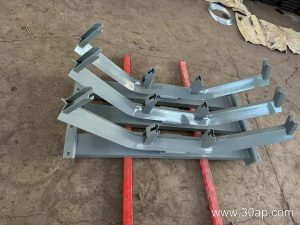
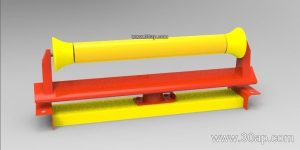
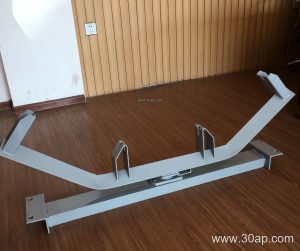
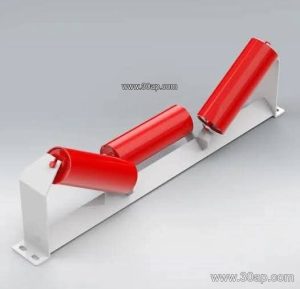
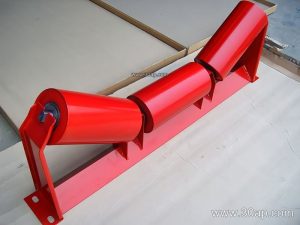
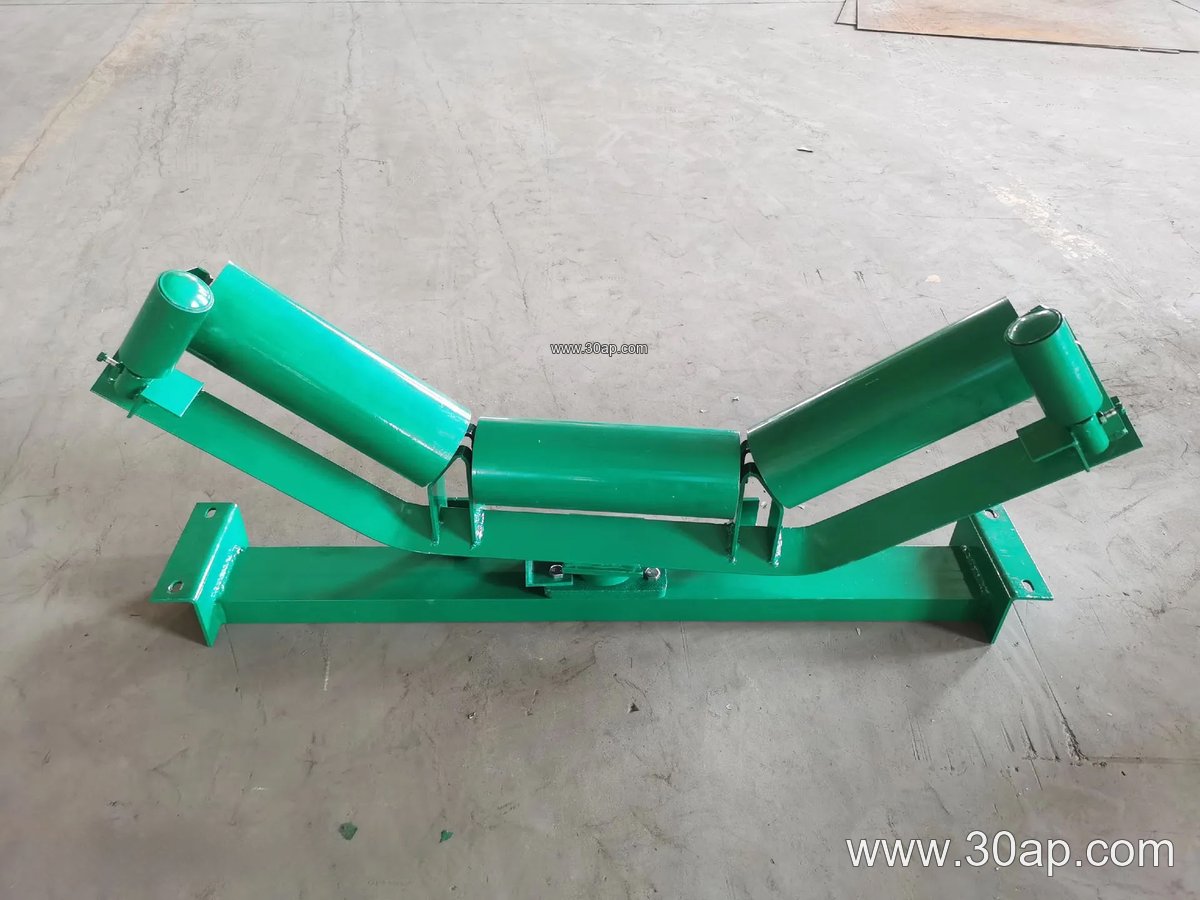
An impact idler bracket is the mounting frame that holds impact idler rollers directly beneath a conveyor loading point. Its job is to keep those rollers at the correct height and angle while absorbing the repeated shock of falling material. In a quarry, limestone mine, or crushing and screening line, the first few meters after the feed chute take a beating. The bracket must stay rigid enough to hold alignment yet tough enough to survive constant vibration. Without a proper impact idler bracket, the idler roller can shift, the conveyor belt can sag or mistrack, and spillage becomes a daily problem.
How the Bracket Is Built
Most impact idler brackets are fabricated from angle steel, channel steel, or folded steel plate. The frame is welded or bolted into a compact cradle that supports the impact rollers through rubber or polyurethane rings. Some designs use a fixed cradle; others allow adjustable slot positions so the trough angle can be set between common values such as 20, 30, 35, or 45 degrees. The mounting hole spacing and crossbeam length usually change with belt width and trough angle, so a B800 bracket and a B1200 bracket are not interchangeable. Common roller diameters for these stations include Ø89, Ø108, Ø133, Ø159, and Ø194, but the correct match depends on load and belt speed, not on belt width alone.
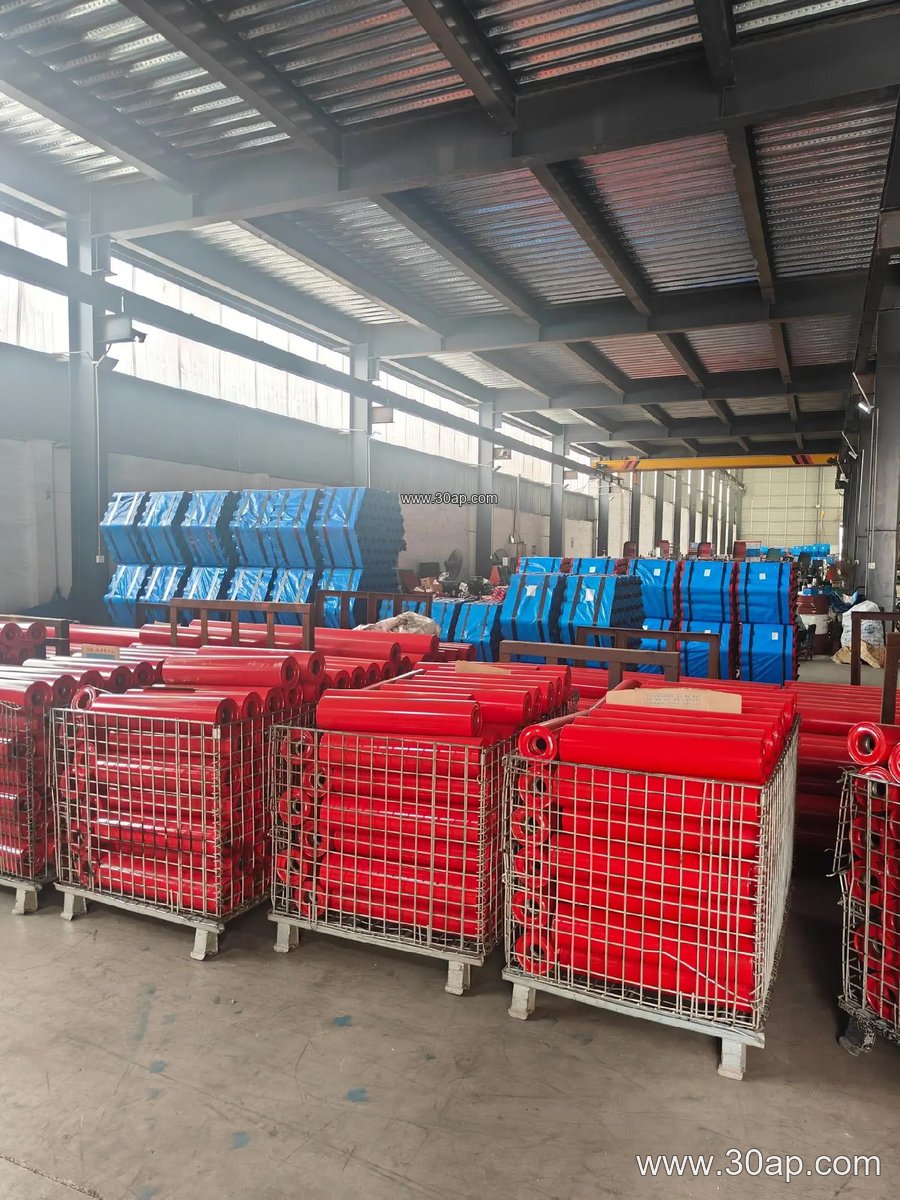
Where It Fits in the Conveying System
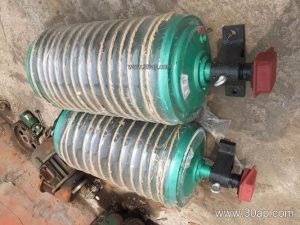
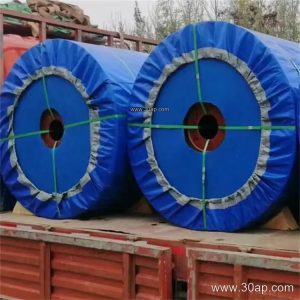
The impact idler bracket belongs at the receiving zone, not at the drive pulley or tail pulley. A drive pulley pulls the belt, a tail pulley returns it, and a bend pulley changes its direction; none of these should be confused with an idler bracket. In a coal mining conveyor or a power plant coal handling line, the bracket sits under the skirted loading area where a flame retardant conveyor belt or abrasion resistant conveyor belt meets the falling material. In a cement plant or aggregate yard, the same bracket protects the belt at transfer points from crusher discharge. A heavy-duty mining conveyor belt may use a larger roller diameter, while a lighter sand making plant conveyor belt may use a smaller one. The bracket ties the idler roller and conveyor belt together in the zone where impact is highest.
Common Configurations and Reference Sizes
Impact idler brackets are often grouped by trough angle and belt width. The table below shows typical combinations used in design discussions. These are reference examples, not fixed rules or company supply promises.
| Belt Width | Typical Trough Angle | Common Roller Diameter | Typical Location |
|---|---|---|---|
| B500 | 20° / 30° | Ø89 | Small transfer points |
| B650 | 30° / 35° | Ø89 / Ø108 | Sand and gravel lines |
| B800 | 30° / 35° / 45° | Ø108 / Ø133 | Crushing and screening plants |
| B1000 | 35° / 45° | Ø133 / Ø159 | Coal handling and cement plants |
| B1200 | 35° / 45° | Ø133 / Ø159 | Iron ore and power plant lines |
| B1400 | 35° / 45° | Ø159 / Ø194 | Heavy bulk material conveyors |
| B1600 | 35° / 45° | Ø159 / Ø194 | Port and steel plant conveyors |
| B1800 | 35° / 45° | Ø194 | Large mining conveyor belts |
Adjustable brackets allow the trough angle to be changed on site, which helps when a conveyor handles different materials or when fine-tuning belt tracking. Fixed brackets are simpler and often used where the loading condition is stable. Transition brackets between the impact zone and standard carrying idlers may also be needed to avoid a sudden change in belt profile.
What a Buyer Should Check
- Belt width and trough angle – Confirm the bracket matches the existing conveyor frame and the desired angle. Do not assume one belt width fits every trough angle.
- Roller diameter and mounting – The bracket must accept the impact idler roller you plan to use. Hole spacing and crossbeam length are design-specific.
- Material and finish – Angle steel and channel steel are common; folded plate may suit lighter duty. Paint or galvanizing affects service life in wet or dusty conditions.
- Adjustability – If the conveyor handles variable loads or materials, an adjustable impact idler bracket can save time during alignment and maintenance.
- Compatibility with the belt – A heavy-duty conveyor belt, an impact resistant conveyor belt, or a steel cord conveyor belt may demand different impact energy absorption. Match the bracket and roller to the actual drop height and material lump size.
For more information on conveyor components and belt selection, visit belttech.example.com or idlerpro.example.com. A well-chosen impact idler bracket is a small part of the conveyor, but it protects the belt, the idler roller, and the whole loading zone from unnecessary wear.