What a Cold Resistant Conveyor Belt Is
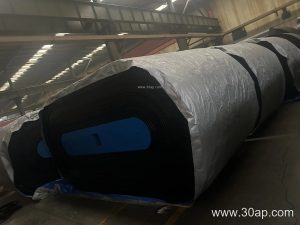
A Cold Resistant Conveyor Belt is a fabric- or steel-reinforced rubber belt engineered to stay flexible when ambient temperatures drop well below freezing. Standard rubber compounds stiffen in cold weather, which makes a belt hard to train, prone to cracking at the edges, and difficult to wrap around pulleys. The cold resistant variant uses a rubber formulation that keeps elastic behaviour at low temperature, so the belt can start under load in winter conditions without brittle failure. This product is also called a low-temperature conveyor belt, and both names describe the same item.
It is not a replacement for a heat resistant conveyor belt or an oil resistant conveyor belt; those are different compounds for different service conditions. The cold resistant belt is chosen specifically when the operating environment, not the conveyed material, is the dominant stress factor.
Construction and Compound Design
The belt body follows normal conveyor belt architecture: a carcass of fabric plies or steel cords, top and bottom cover rubber, and a bond layer between them. What changes is the polymer base and the plasticiser system in the covers and, often, in the skim rubber. Natural rubber blends with selected synthetic elastomers are common, because they retain elasticity at low temperature while keeping reasonable abrasion performance.
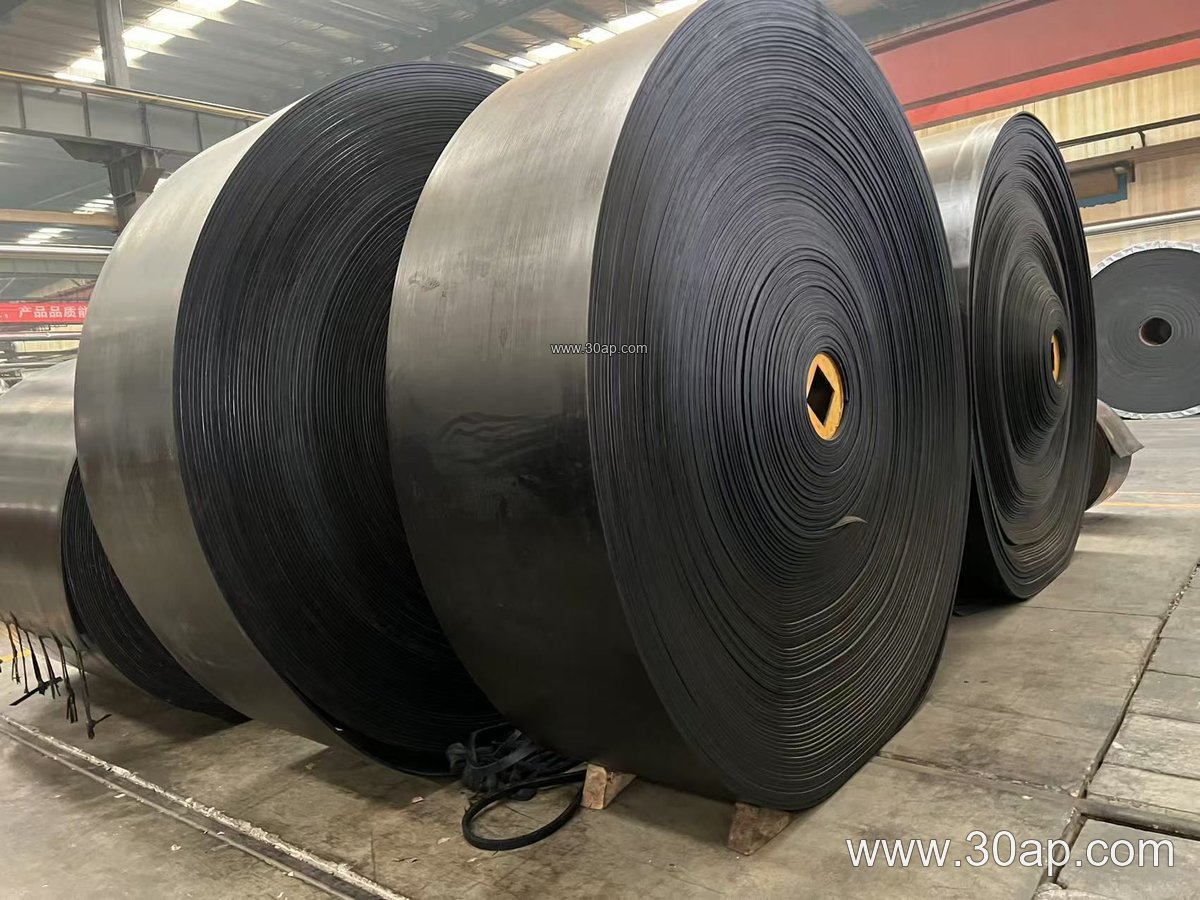
- Carcass: EP Conveyor Belt plies or NN Conveyor Belt plies are typical for medium duty; Steel Cord Conveyor Belt construction is used for long runs and high tension.
- Covers: low-temperature rubber compound, usually with a hardness and tensile range matched to the duty.
- Edges: cut or moulded edges, both acceptable, provided the compound is the cold-grade mix.
Cover thickness is specified by design, commonly expressed as top plus bottom, for example 4+2 mm, 5+2 mm or 6+2 mm for heavier service. Carcass ply count typically runs from two to six layers depending on the required strength class.
Where It Is Used
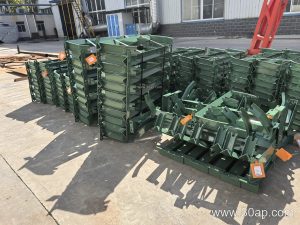
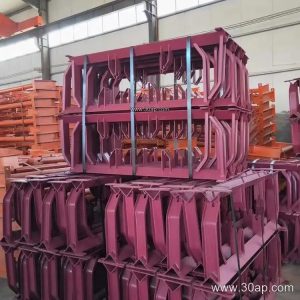
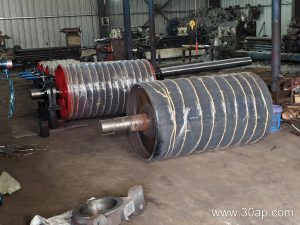
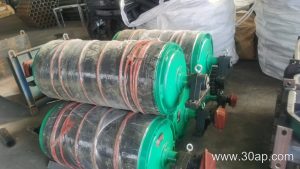
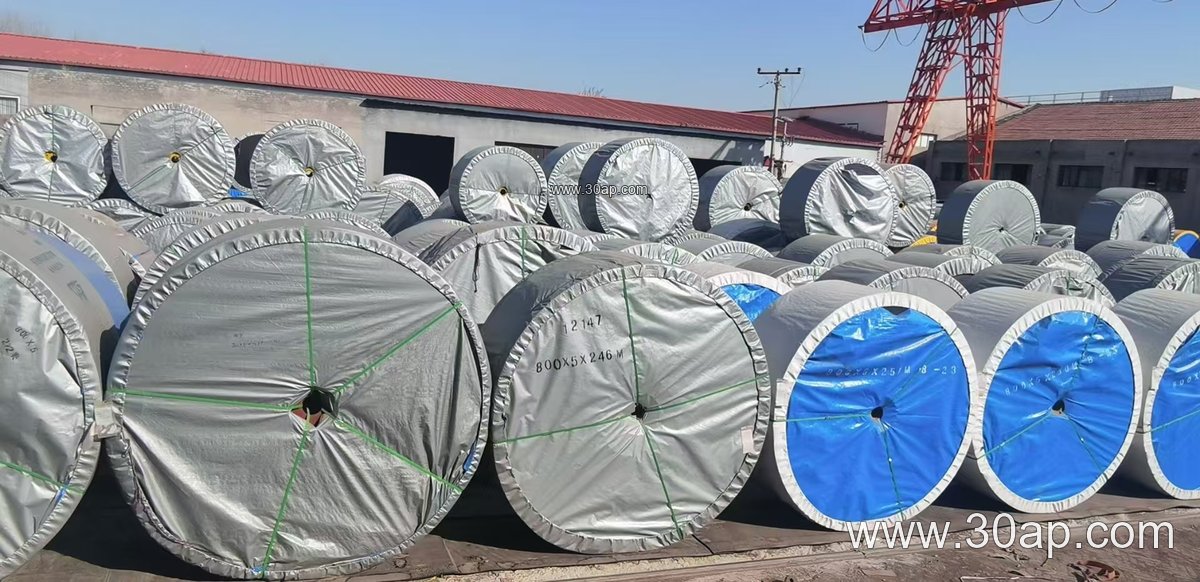
Cold resistant belts appear wherever conveyors operate outdoors or in unheated structures in winter. Typical sectors include open-pit mines and quarries, coal preparation plants, cement plants, power plants with outdoor coal yards, sand and gravel operations, and port or ship loading facilities in cold climates. In these plants the belt works alongside idler rollers, conveyor pulleys and conveyor brackets, and all of these components should be reviewed together when a line is converted for winter duty.
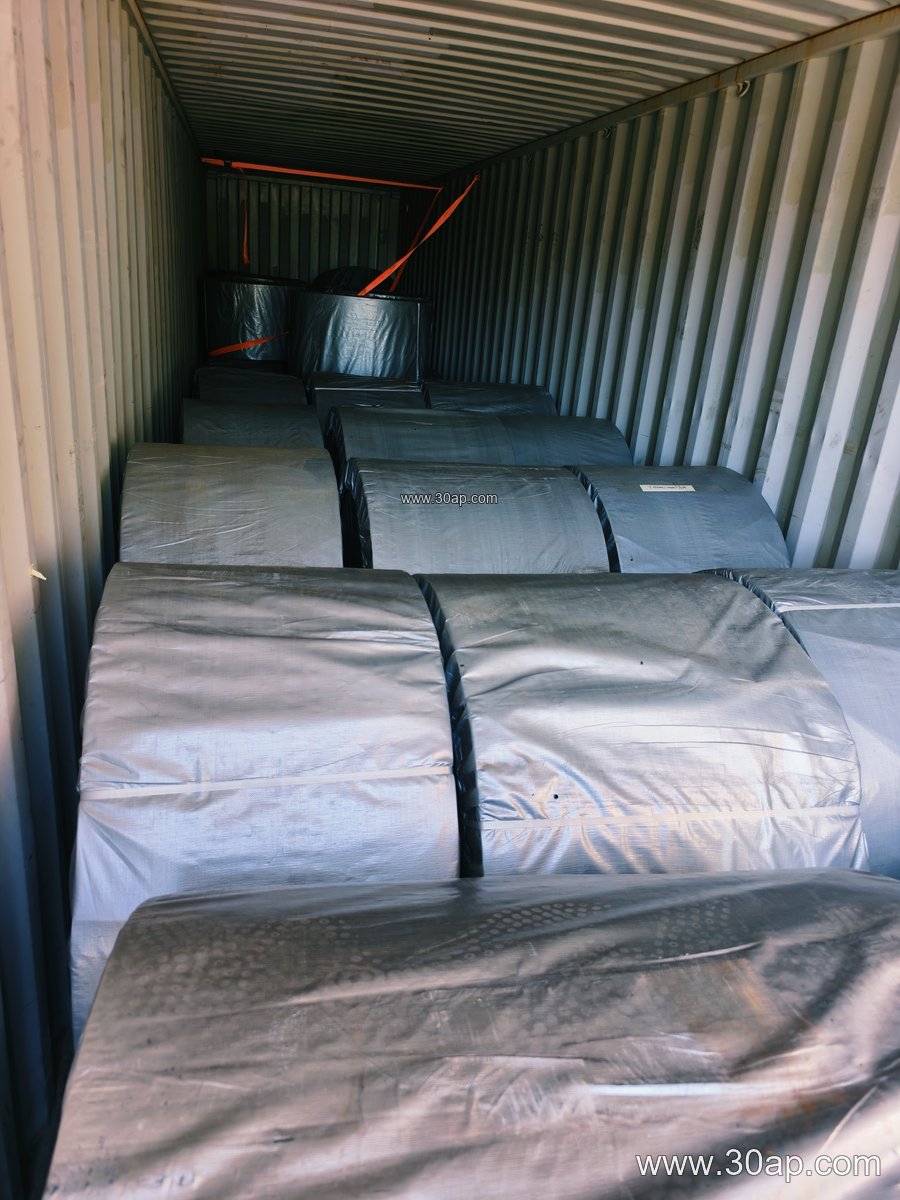
In a mine or quarry, a cold resistant belt may run on the same structure as a Mining Conveyor Belt or Quarry Conveyor Belt in summer, but the compound must suit the coldest expected start-up, not the average annual temperature. Underground Coal Mining Conveyor Belt installations in cold shafts also use low-temperature grades where ventilation air is chilled.
Common Specifications and Strength Classes
The table below shows reference ranges that buyers often see. Values are indicative and should be confirmed against the actual design duty.
| Parameter | Typical reference values |
|---|---|
| Strength class (EP) | EP200, EP315, EP400, EP500, EP630, EP800, EP1000, EP1250, EP1600, EP2000 |
| Belt width | B500, B650, B800, B1000, B1200, B1400, B1600, B1800, B2000 |
| Cover thickness | 3+1.5 mm, 4+2 mm, 5+2 mm, 6+2 mm, 8+3 mm |
| Carcass plies | 2 to 6 layers, by design |
| Surface form | plain, chevron or corrugated sidewall on request |
Belt width and pulley diameter are matched through the conveyor design, not by a fixed rule; a 1200mm wide belt can run on different pulley sizes depending on tension and wrap angle. Product data for cold resistant belts is often listed on sites such as www.example.com/conveyor-belt together with related items.
Selection and Use Notes
Buyers should state the minimum start-up temperature, the material being carried, the duty cycle and the tension class. A belt rated for -25 C is not automatically suitable for -40 C service. Where the line also carries abrasive rock, a High Abrasion Resistant Conveyor Belt compound may be preferred, but the cold grade must still be confirmed.
During installation, allow the belt to acclimatise before splicing, keep the conveyor pulley and idler roller alignment accurate, and avoid sharp bends during storage in freezing weather. Tension should be set for the cold condition, since a belt that is correctly tensioned in summer can be over-tensioned at low temperature. Spare belts should be stored indoors and rotated to prevent set. For long overland routes, the combination of a cold grade cover with an EP or Steel Cord Conveyor Belt carcass is often the practical choice, and the same principle applies to a Cement Plant Conveyor Belt or Power Plant Conveyor Belt handling frozen feedstock.
Finally, check that accessories such as skirt rubber and cleats use the same low-temperature compound; a cold resistant belt paired with standard cold-brittle cleats will still fail at the joint. More reference material on belt grades and widths can be found at www.example.com/cold-resistant-conveyor-belt and www.example.com/steel-cord-conveyor-belt.