What a Power Plant Conveyor Belt Has to Handle
A power plant conveyor belt is rarely asked to do one simple job. On the same site, the bulk handling system may move coal from the stockyard to the bunker, carry limestone to the FGD area, transport bottom ash, or feed biomass into the boiler. Each stream has its own particle shape, moisture level, temperature, and risk profile. That is why the belt on a coal yard conveyor is often a different construction from the belt on an ash line only a few hundred metres away.
The conveyor itself is a system of pulleys, idler rollers, brackets, and frames, but the belt is the part that touches the material. Buyers who understand how the belt is built usually make better decisions on cost per tonne rather than cost per metre.
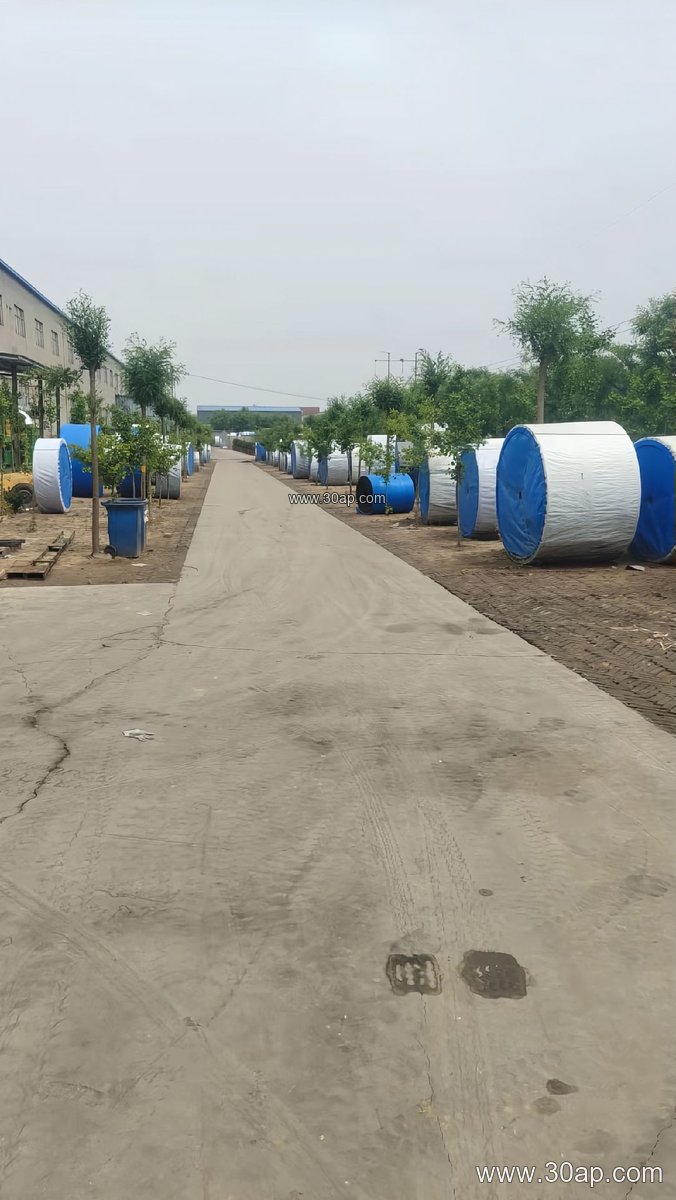
Construction of the Belt Body
Most belts used in power generation fall into two families. Fabric core belts use multiple plies of EP or NN fabric, while steel cord belts use a single layer of brass-coated wires. The carcass carries tension; the rubber covers protect it from abrasion, heat, oil, and moisture.
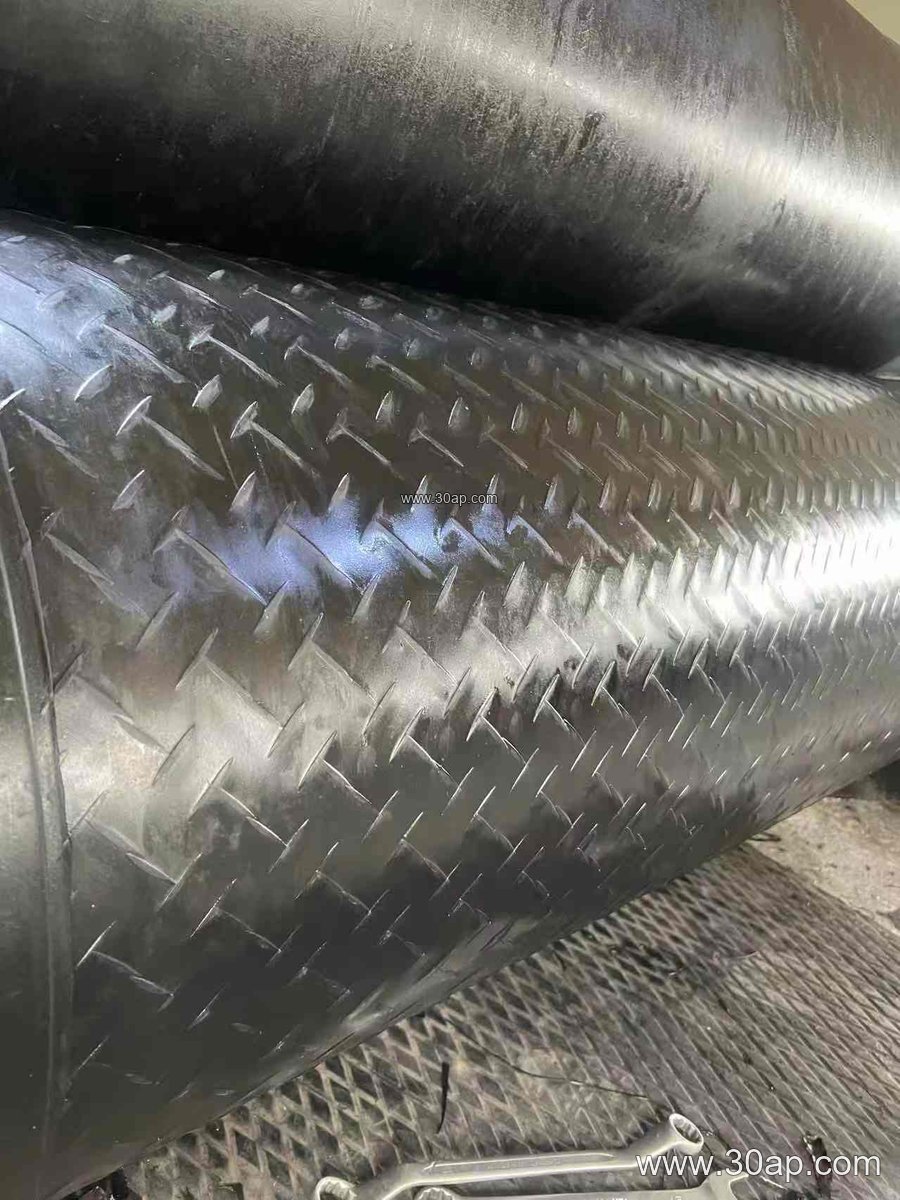
- Fabric core: EP Conveyor Belt and NN Conveyor Belt are common, with 2 to 6 plies. A Multi-Ply Fabric Core Conveyor Belt is typical for medium-length coal feeders and limestone lines.
- Steel cord: Steel Cord Conveyor Belt grades such as ST1000 or ST2000 are used where the centre distance is long and tension is high.
- Solid woven: PVC Conveyor Belt and PVG Conveyor Belt constructions appear in underground and enclosed galleries where flame resistance matters.
Cover compounds are selected by duty. A Heat Resistant Conveyor Belt may be needed near boiler feed points or dry ash transfer, while an Abrasion Resistant Conveyor Belt is more suitable for crushed coal and clinker with sharp edges. An Oil Resistant Conveyor Belt is used where fuel oil or lubricant contamination is possible, and an Anti-Static Conveyor Belt is common in dusty, enclosed coal handling areas.
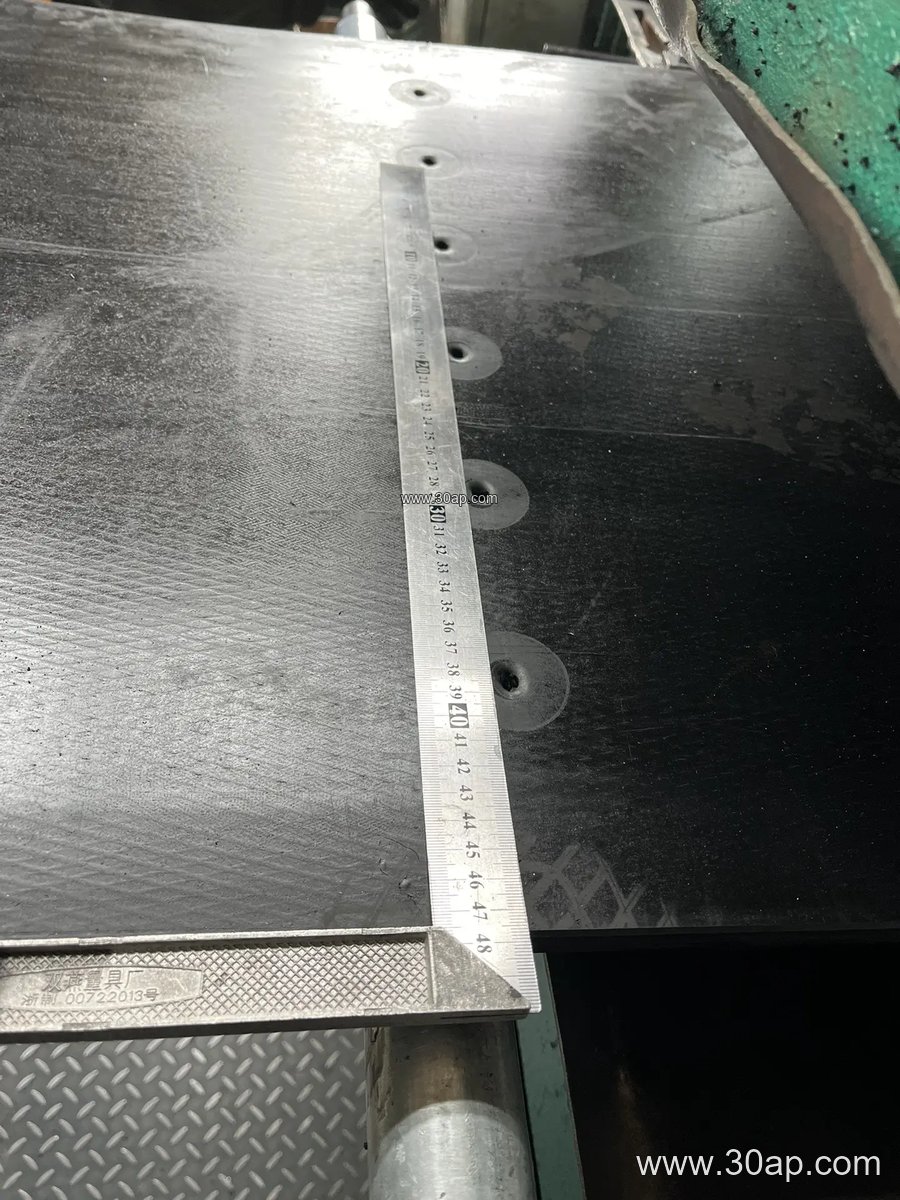
Common Specifications for Power Plant Duty
Belt width follows the tonnage and lump size of the stream. A small ash line may run a 650mm Conveyor Belt, while a main coal yard conveyor often uses a 1200mm Conveyor Belt or a 1400mm Conveyor Belt. Very large stockyard systems may reach 1800mm or 2000mm.
| Parameter | Typical range | Notes |
|---|---|---|
| Belt width | B500 to B2000 | Matched to throughput and lump size |
| Fabric strength | EP200 to EP1000 | Higher grades for longer flights |
| Steel cord grade | ST1000 to ST2500 | Long overland and stockyard conveyors |
| Cover thickness | 4+2, 5+2, 6+2, 8+3 mm | Top cover thicker for impact zones |
| Ply count | 2 to 6 | Fabric core constructions |
These figures are reference values, not fixed supply promises. Final selection depends on the conveyor design, the drive and tail pulleys, and the required safety factor.
Where the Belt Fits in the Plant
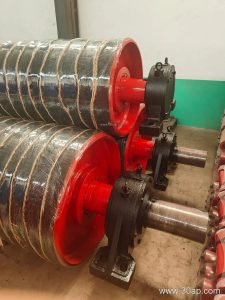
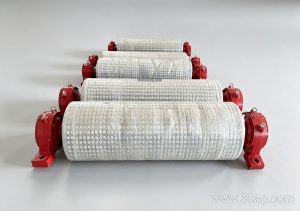
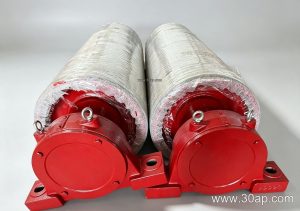
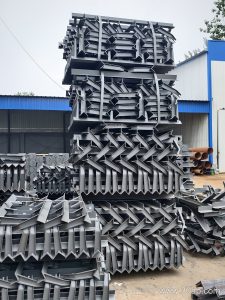
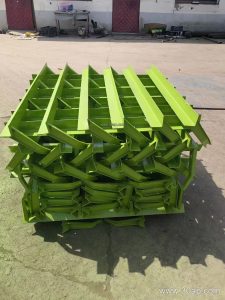
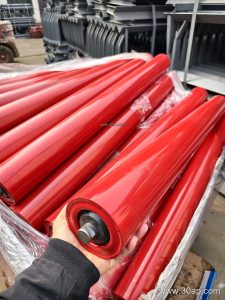
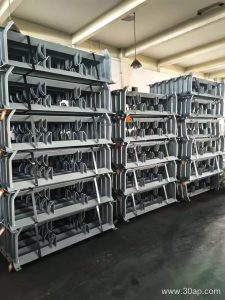
In a coal-fired station, the belt works alongside idler rollers, a conveyor pulley at the head and tail, and conveyor brackets that hold the frames in alignment. The belt may be a Flame Retardant Conveyor Belt in an enclosed gallery, or a Fire Resistant Conveyor Belt where code requires it. In a cement plant or quarry nearby, an Aggregate Conveyor Belt or Quarry Conveyor Belt handles similar abrasive loads, and a Mining Conveyor Belt specification is often adapted for power plant coal.
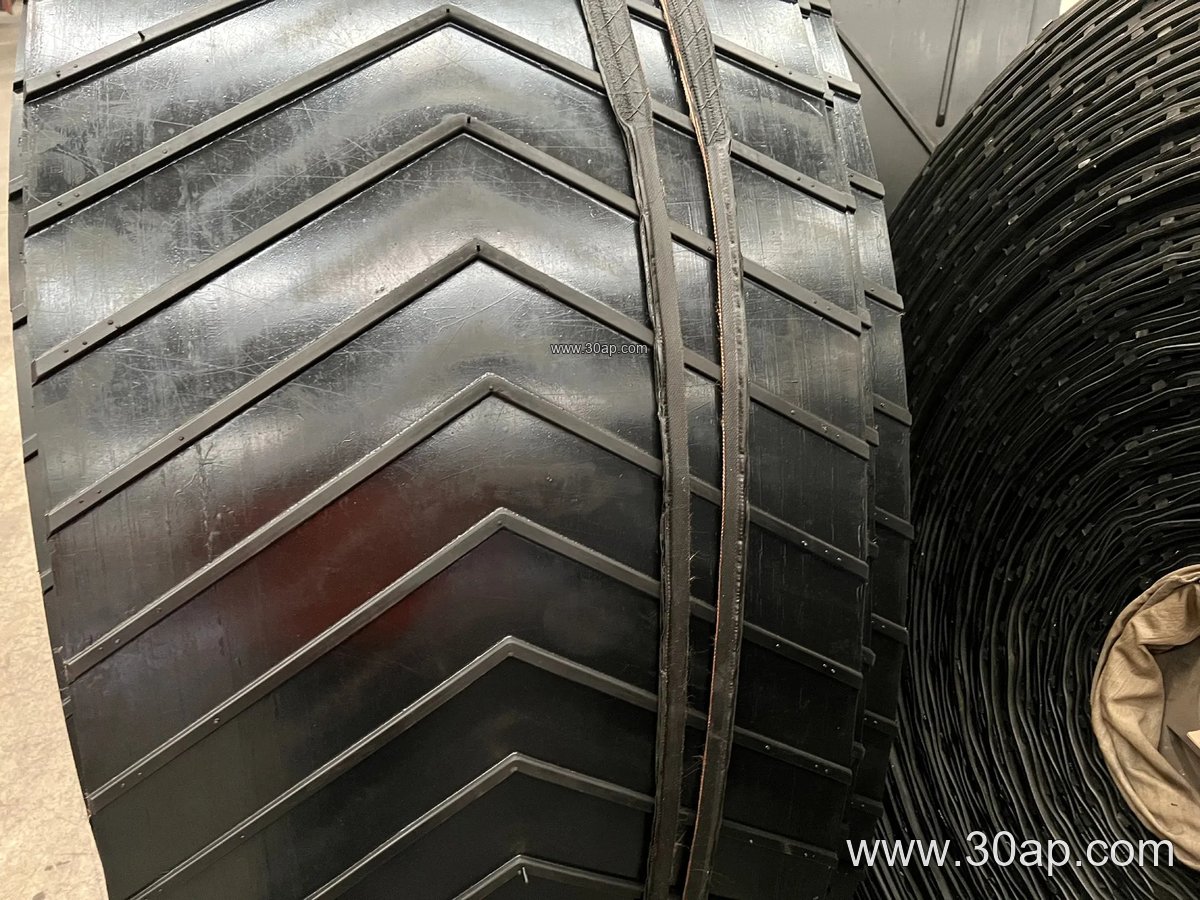
Special profiles solve layout problems. A Chevron Conveyor Belt or Corrugated Sidewall Conveyor Belt allows a steeper incline in a confined transfer house, while a Pipe Conveyor Belt can curve around buildings and reduce dust. An Endless Conveyor Belt is sometimes specified for short feeders where splice reliability is critical.
What a Buyer Should Check Before Ordering
- Confirm the actual material: coal, lignite, limestone, ash, or biomass, plus moisture and temperature.
- State the belt width, carcass grade, and cover thickness in the enquiry, for example EP1000 1200mm Conveyor Belt with 6+2 mm covers.
- Ask whether flame resistance, anti-static, or heat resistance is required by the plant’s fire and safety plan.
- Check pulley diameters and trough angles so the belt flexibility matches the existing conveyor pulley and idler roller arrangement.
- Plan spare belt and splice materials, because a stopped coal line can affect boiler feed within hours.
For general plant spare parts sourcing, related items such as conveyor belt, idler roller, and conveyor pulley are usually quoted together, and the belt grade should always be confirmed against the duty rather than copied from another line.