What an Adjustable Conveyor Bracket Does
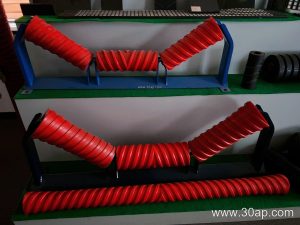
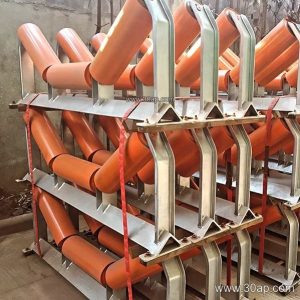
An adjustable conveyor bracket is the support component that lets maintenance teams change the trough angle of a carrying idler set without cutting or rewelding the frame. Instead of a fixed slot position, the bracket carries slotted or pivoting mounting points, so a 20 degree, 30 degree, 35 degree or 45 degree profile can be dialed in on site. This matters most where a belt must run flat at a transfer point and then ease into a full trough, or where the material load changes seasonally and the operator wants to reduce spillage without buying new hardware.
The same product is also called an adjustable idler bracket or a variable-angle conveyor bracket. All three names describe the same part. A drive pulley, a tail pulley and a bend pulley are different components entirely and cannot stand in for it, and neither can a fixed troughing bracket when angle adjustment is the actual requirement.
Construction and Mounting Positions
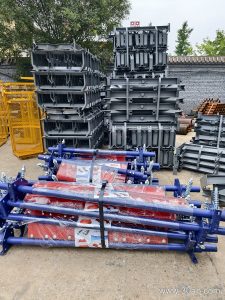
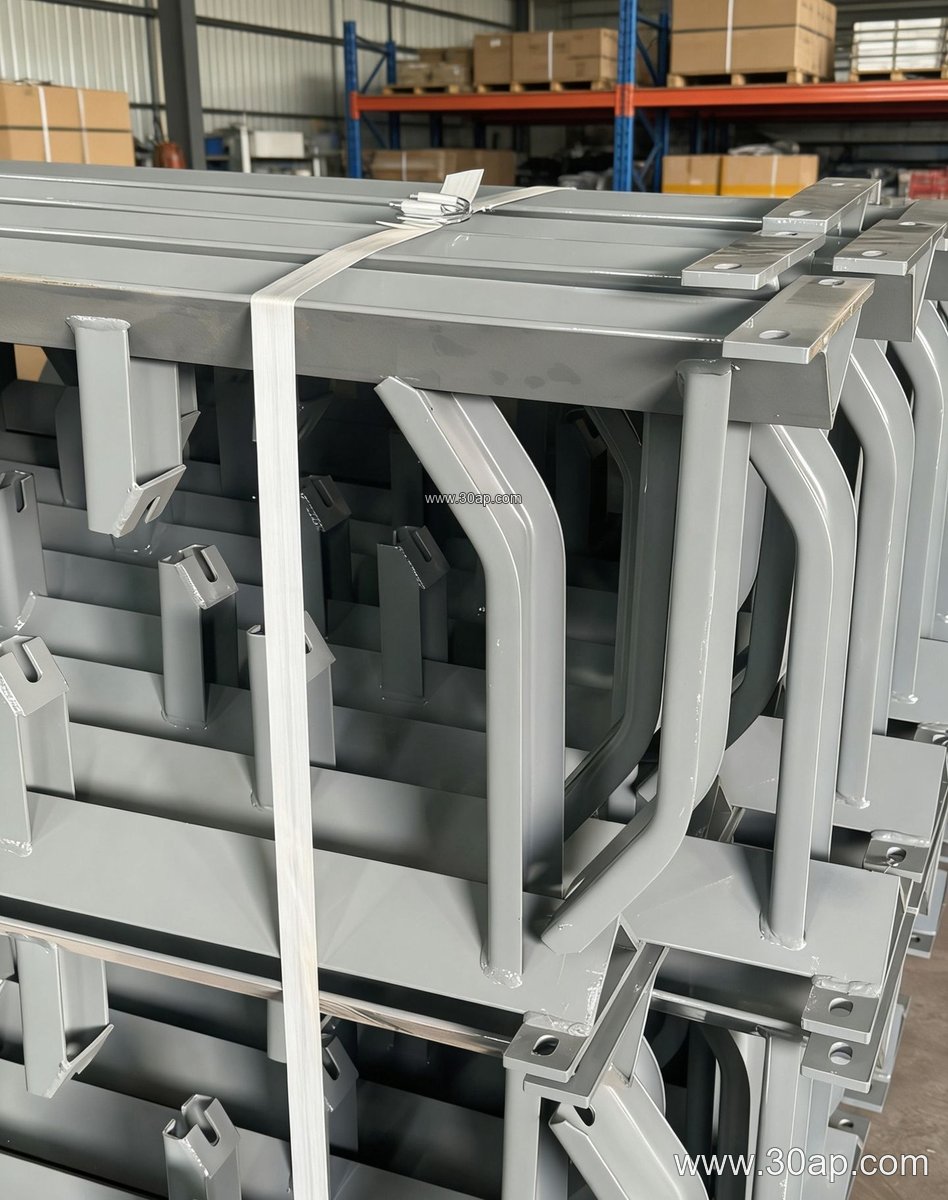
Most units are fabricated from angle steel, channel steel or folded plate, with the frame galvanized or painted for dusty and damp conditions. The adjustment feature usually comes from elongated holes, a pivoted arm, or a stack of shim positions, and the bracket is bolted to the conveyor stringer rather than welded, so it can be replaced individually.
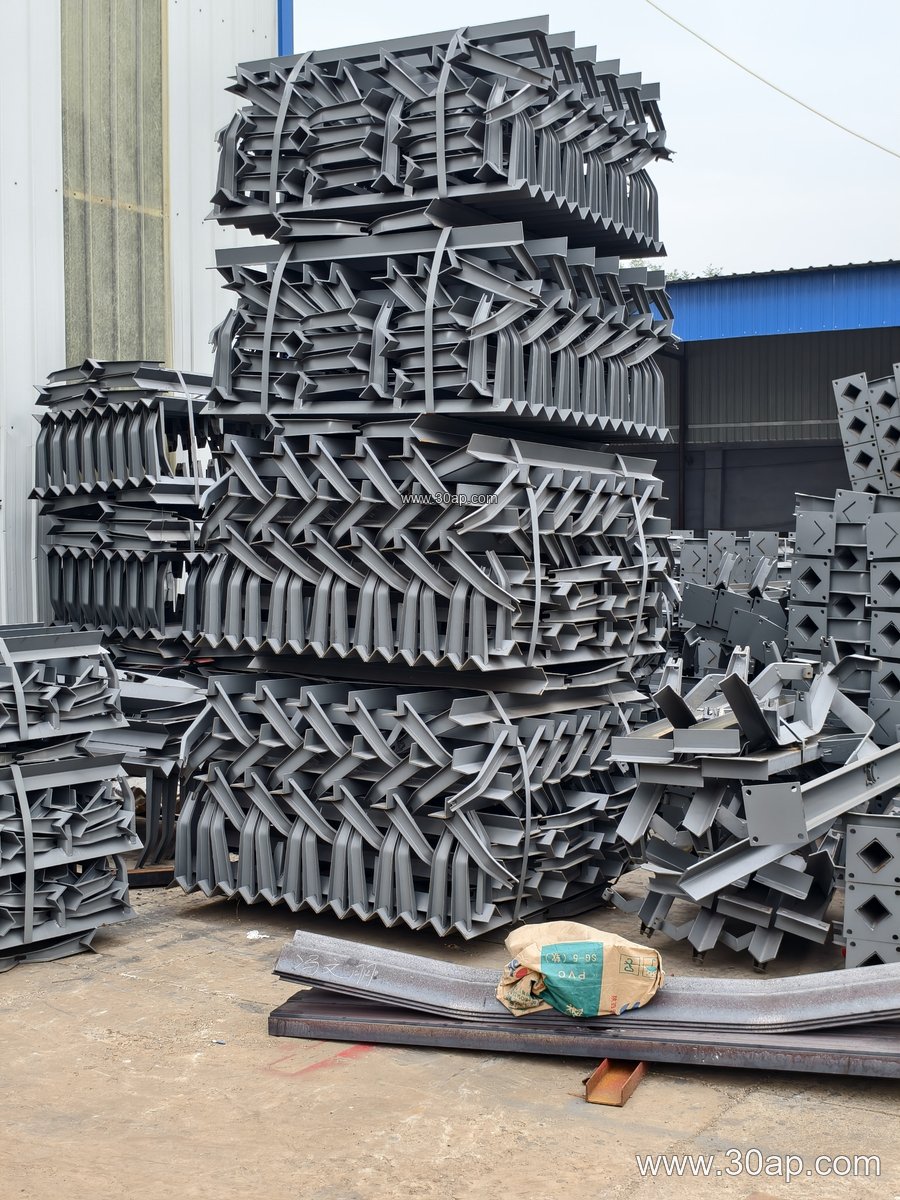
Position on the conveyor decides the subtype:
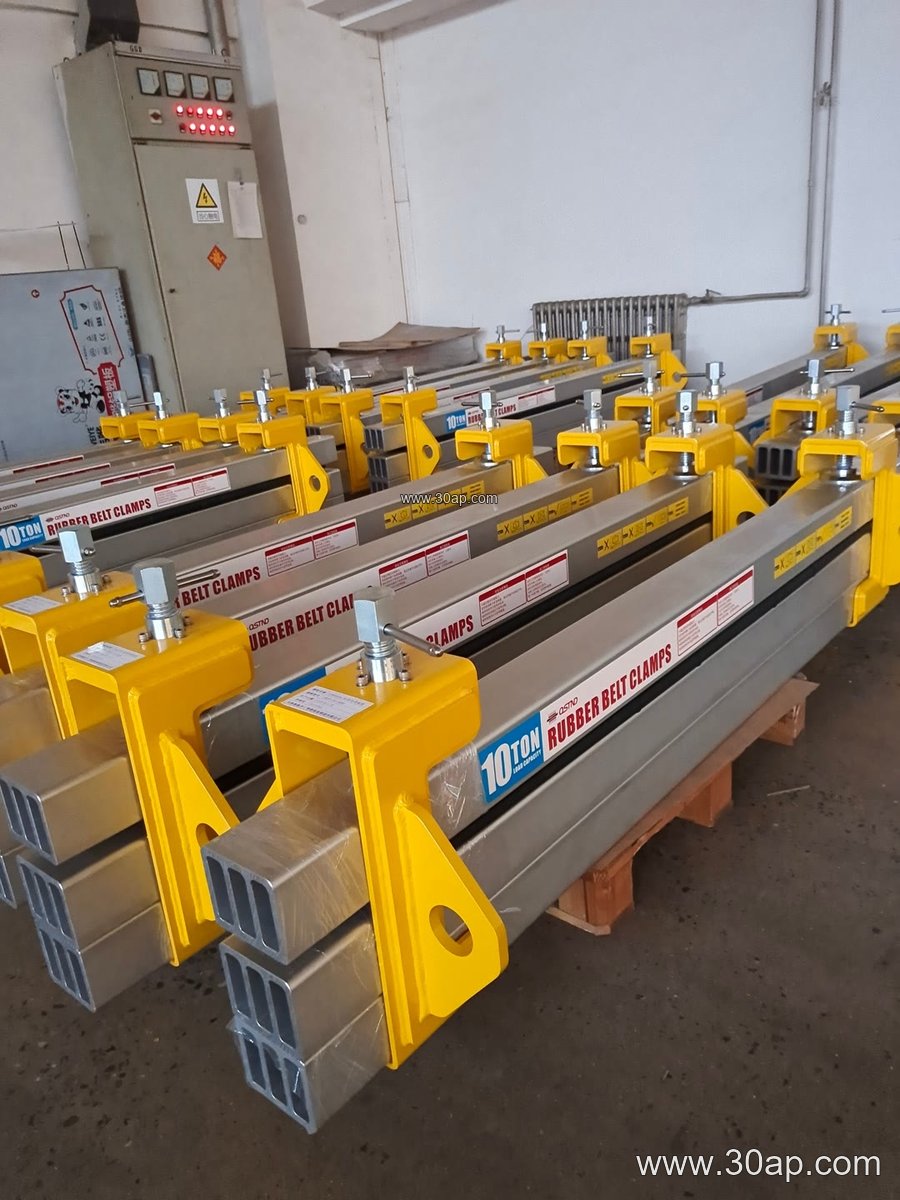
- Carrying side troughing brackets, including transition brackets near the head and tail, where the belt changes shape gradually
- Return side brackets, including flat return and V-return arrangements
- Impact brackets under loading chutes, often paired with impact idler rollers
- Self-aligning and forward-leaning brackets, where a small lead angle of roughly 1.5 to 2 degrees helps training
- Suspended brackets, hung from a structure instead of a ground stringer
Because the mounting hole spacing and crossbeam length follow belt width and trough angle, they are set by design rather than by a universal table. A B800 frame and a B1200 frame will not share the same beam length even when both run 35 degrees.
Where It Fits in Bulk Handling
In a quarry or a limestone crushing and screening line, adjustable brackets are handy at the discharge of a crusher, where the belt leaves a flat pulley and must form a trough before the first load arrives. In a coal preparation plant or a power plant coal yard, they allow the trough angle to be tuned to the coal’s characteristics, while a flame retardant conveyor belt or an anti-static conveyor belt handles the safety side of the duty.
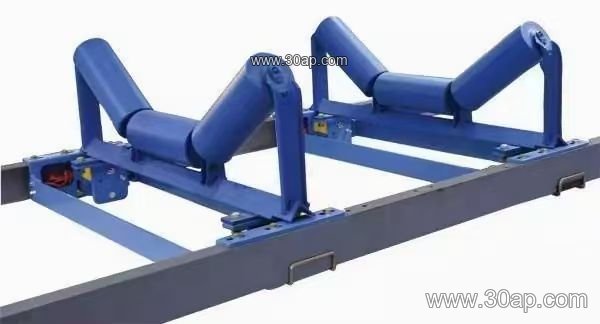
In cement plants and clinker lines, heat resistant conveyor belt grades and abrasion resistant conveyor belt grades are common on the same frames, so the bracket must tolerate both thermal cycling and grit. In a port or ship loading terminal, wide belts such as a 1800mm wide conveyor belt or an EP1250 1800mm conveyor belt need heavier brackets and larger rollers, often Ø159 or Ø194, to keep sag under control. In a steel plant sintering line or a fertilizer plant, oil resistant conveyor belt and chemical resistant conveyor belt grades may be used, and the bracket hardware should be checked for corrosion at the same intervals.
Selection Notes for Buyers
Start from the belt and the idler, not from the bracket alone. A B650 belt running 30 degrees with Ø89 rollers is a very different load case from a B1400 belt at 45 degrees with Ø133 or Ø159 rollers. Wider and heavier belts, such as a 2000mm or 2200mm belt carrying iron ore or copper ore, generally call for thicker plate and more robust pivot hardware. Where a steel cord conveyor belt or a high strength conveyor belt is installed, the transition bracket geometry deserves extra attention, because a sudden change in trough shape stresses the belt edge.
Also confirm the roller diameter, the mounting hole pattern, the finish, and whether the bracket is for the carrying side or the return side. A corrugated sidewall conveyor belt or a pipe conveyor belt may need a different support approach altogether, and a skirted conveyor belt near a loading point may require an impact bracket rather than a plain adjustable one.
Reference Range Often Discussed in Specifications
| Item | Common range or note |
|---|---|
| Belt width | B500, B650, B800, B1000, B1200, B1400, B1600, B1800, B2000, B2200 |
| Trough angle | 20, 30, 35, 45 degrees, adjustable between positions |
| Roller diameter | Ø89, Ø108, Ø133, Ø159, Ø194 |
| Forward lean | Usually about 1.5 to 2 degrees where used |
| Material | Angle steel, channel steel, folded plate |
| Mounting hole spacing | Determined by belt width and trough angle |
Values above are typical references, not fixed combinations. A B1000 belt may run 30 or 45 degrees, and roller size is chosen from load and speed rather than from belt width alone. Buyers should confirm shaft diameter and hole pitch against the actual idler and stringer drawings.
Maintenance and Field Checks
Inspect pivot bolts and slot wear at each shutdown. A loose bracket shifts the trough angle and can cause belt misalignment, edge damage, or spillage at the transfer chute. Keep the bracket free of packed material, verify that all legs sit at the same angle, and replace worn hardware before the slot elongates further. For a conveyor bracket in a wash plant or a tunnel spoil line, a quick rinse and a corrosion check pay for themselves.
If you are also sourcing the belt side of the project, our range covers rubber conveyor belt, EP conveyor belt, NN conveyor belt and fabric core conveyor belt options, and the bracket specification can be matched to your roller and stringer layout at www.yourdomain.com/conveyor-bracket.