What an Underground Coal Mining Conveyor Belt Has to Do
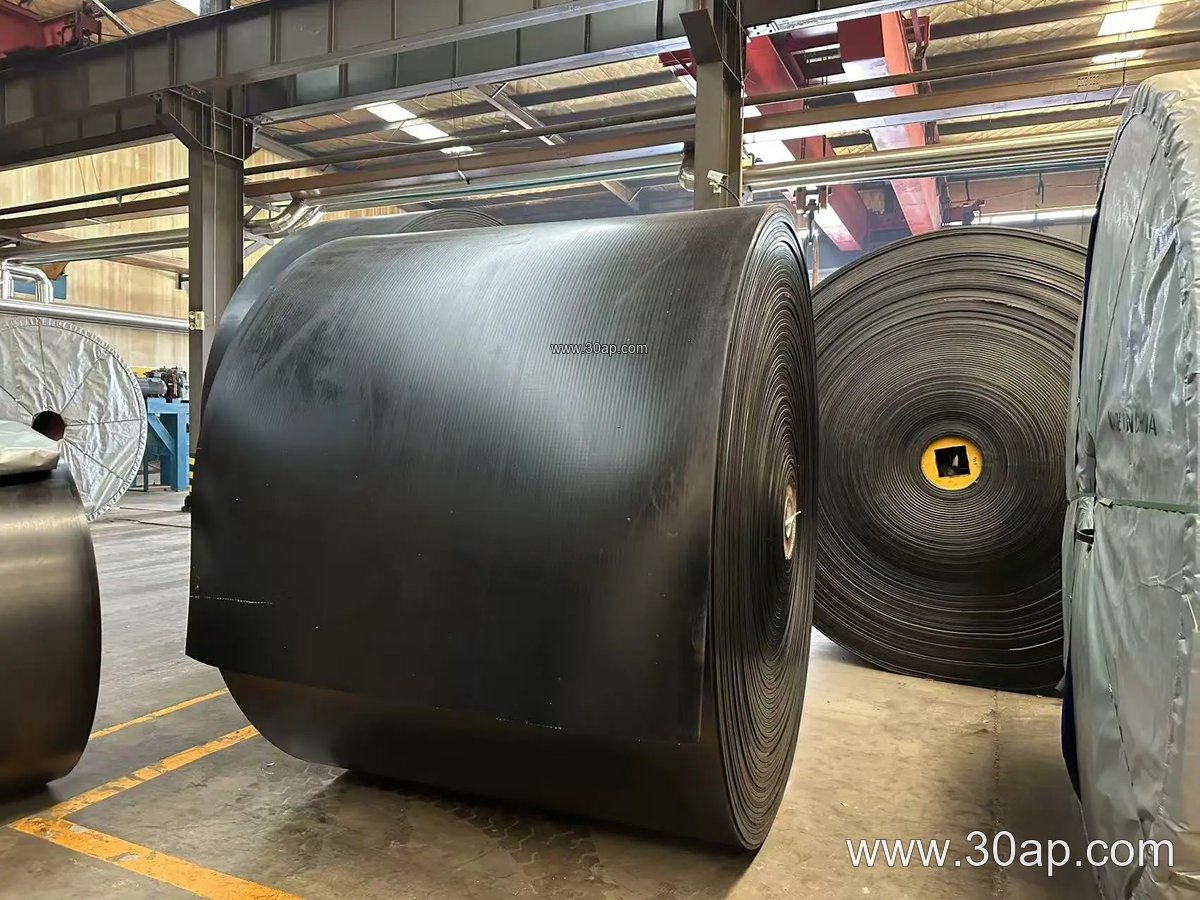
An underground coal mining conveyor belt is the load-carrying element of a haulage system that moves cut coal from the face area, transfer points and drift sections to the surface or to a preparation plant. Unlike a surface installation, the belt works in a confined roadway with limited access, poor light, dust, moisture and the constant presence of methane and coal dust. Those conditions shape both the construction of the belt and the way it is specified. The same product is often described as an underground coal conveyor belt or a coal mining conveyor belt, and the two terms refer to the same heavy-duty article.
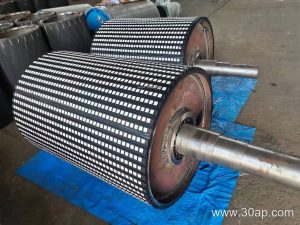
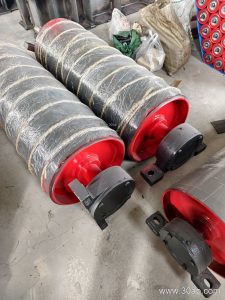
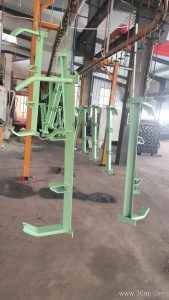
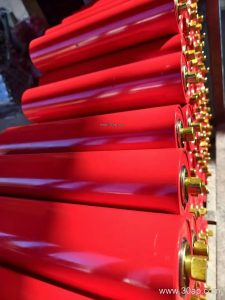
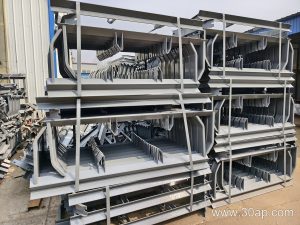
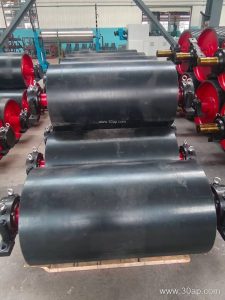
The belt is not a standalone item. It runs over idler rollers that support the carcass, around a head or drive pulley that transmits power, around a tail pulley that returns it, and past bend pulleys that redirect the path. Conveyor brackets and frames hold these components in alignment. A belt that is well matched to its pulleys and rollers lasts longer; a mismatched one wears at the edges, tracks poorly and may damage the carcass.
Construction and Compound Choice
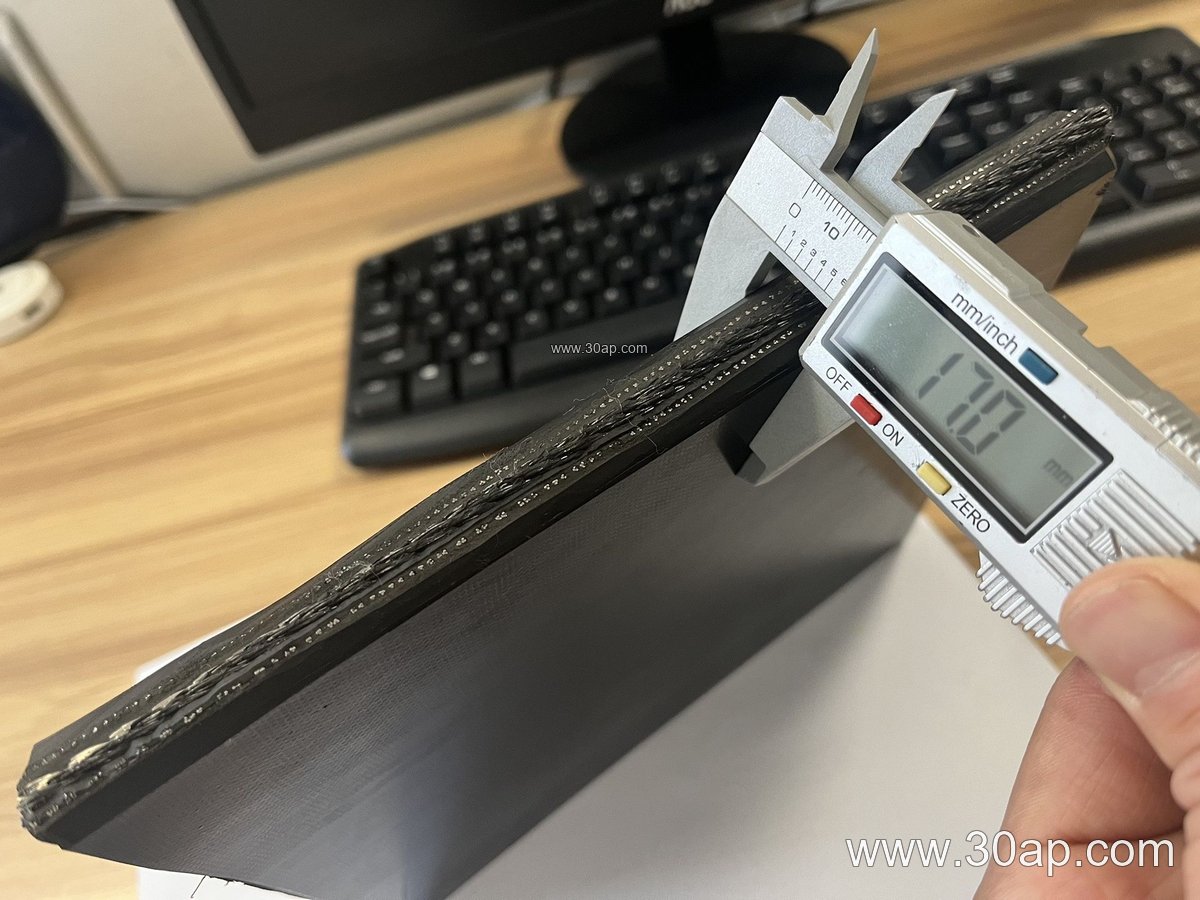
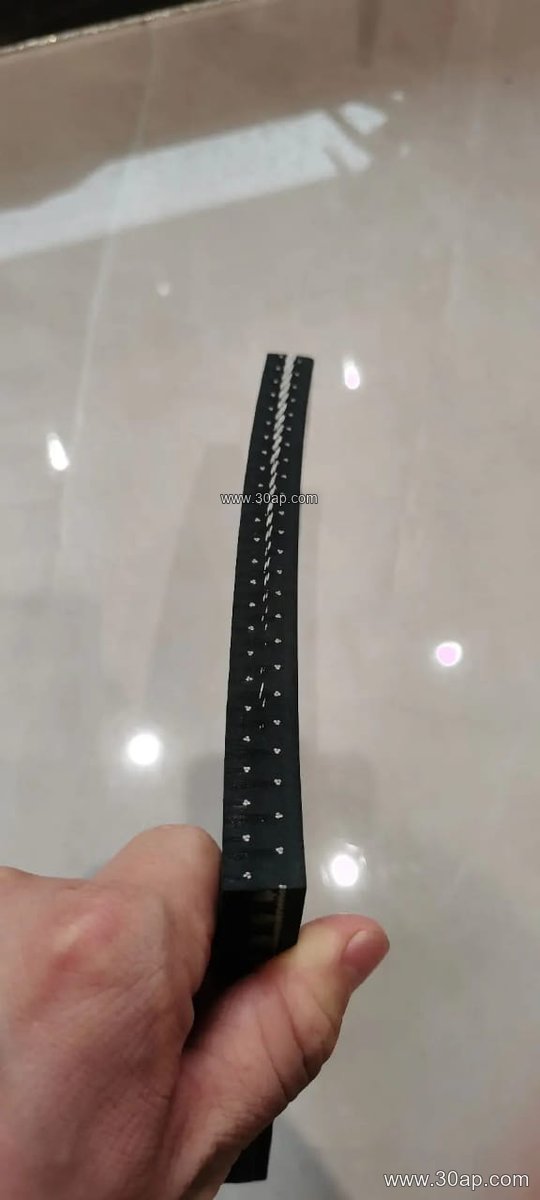
Most underground coal belts use a fabric core or a steel cord core. Fabric core constructions include EP (polyester-nylon) and NN (nylon-nylon) carcasses, usually with 2 to 6 plies depending on the duty. Steel cord belts are chosen where the route is long, the lift is high or the tonnage is heavy, because a single layer of cords carries more tension than a multi-ply fabric carcass of similar thickness.
The cover compound matters as much as the carcass. Underground coal service normally calls for a flame retardant conveyor belt with anti-static properties, so that static charge does not accumulate and a spark cannot readily propagate along the belt. Where the coal is abrasive, an abrasion resistant conveyor belt cover reduces grooving and extends service life. Oil resistant and heat resistant grades are used where transfer conditions justify them, and cold resistant compounds help in intake shafts and cold climates.
Common carcass and cover references for this class of product include the following. Values are indicative only and should be confirmed against the actual design.
| Parameter | Typical reference range |
|---|---|
| Carcass type | EP, NN, steel cord, PVG solid woven |
| Strength grades (fabric) | EP200, EP315, EP400, EP500, EP630, EP800, EP1000, EP1250 |
| Strength grades (steel cord) | ST1000, ST1250, ST1600, ST2000 |
| Belt width | B650, B800, B1000, B1200, B1400, B1600 |
| Cover thickness | 4+2, 5+2, 6+2, 8+3 mm |
| Ply count | 2 to 6, by design |
The table is a starting point for discussion, not a fixed catalogue. A 1200mm wide belt, for example, may be paired with different pulley diameters depending on tension and wrap angle; width alone does not dictate shaft size.
Where It Fits in the Mine Circuit
Underground coal haulage usually combines several conveyor sections. A face conveyor discharges onto a gate belt, which feeds a trunk or drift belt, which in turn lifts coal to the surface. Each section may use a different belt grade: a flexible fabric belt on the shorter, tighter gate run and a high strength conveyor belt or steel cord belt on the long trunk line. In mines that also handle rock dilution, a rock conveyor belt or heavy-duty mining conveyor belt grade may be appropriate on the outbye sections.
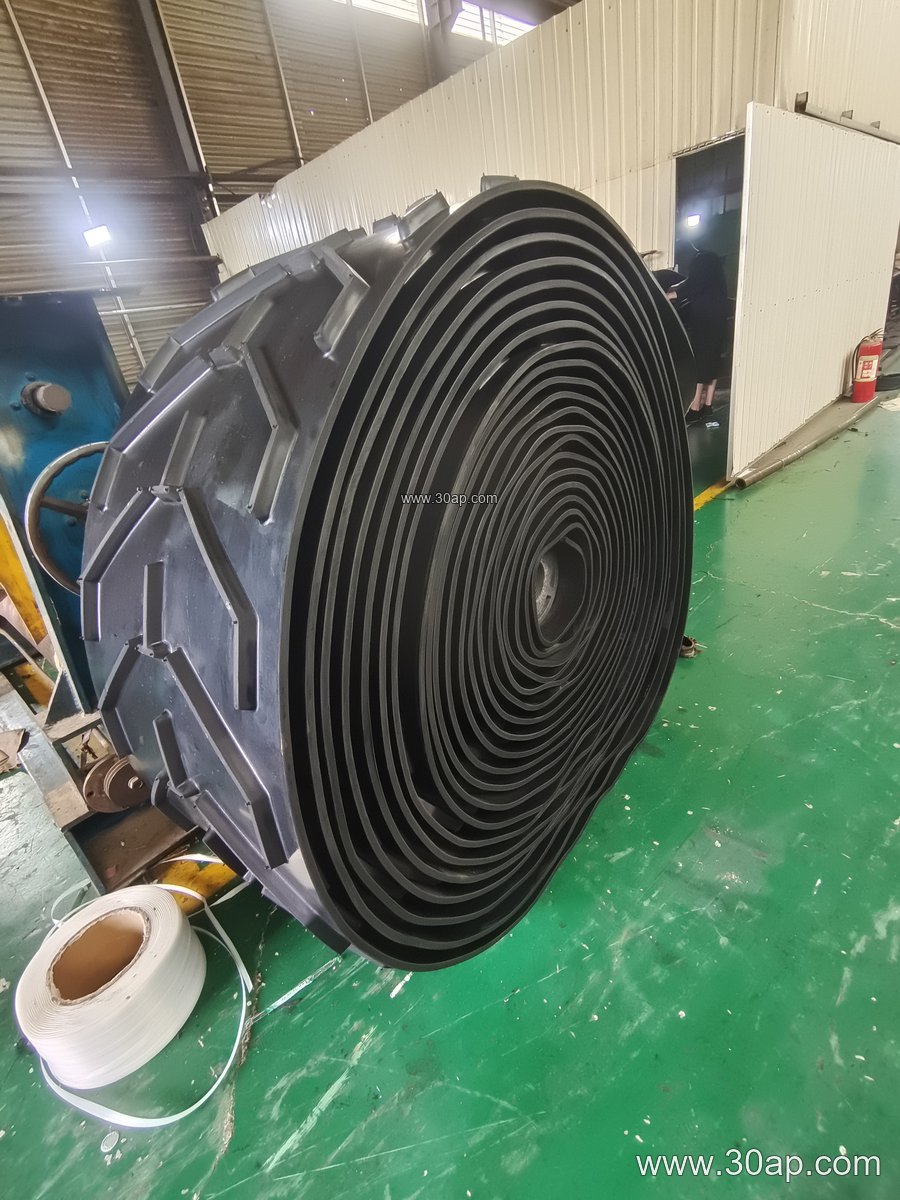
The same product family appears in related industries. Cement plants, power plants and quarries use comparable belts on clinker, limestone and aggregate lines, though the flame retardant requirement is usually specific to coal. A quarry conveyor belt or aggregate conveyor belt is normally specified on abrasion resistance and impact resistance rather than on methane-related safety.
Specification Points for Buyers
- Safety grade first. Confirm the required flame retardant and anti-static performance for the mine, and ask for the test method rather than a generic claim.
- Tension and route. Give the drive power, incline, centre distance and expected peak load so the supplier can propose a carcass grade. Do not select on belt width alone.
- Cover thickness. Match top cover to lump size and drop height at transfer points; match bottom cover to pulley contact and skirtboard wear.
- Pulley and roller compatibility. State drive, tail and bend pulley diameters separately. These are not interchangeable terms, and each affects belt bending stress.
- Splice method. Decide between mechanical fasteners and vulcanised splices early, since splice strength influences the carcass grade chosen.
- Environmental exposure. Note water, oil, heat or acid exposure along the route; each points to a different cover compound.
For general industrial enquiries, the same selection logic applies to a rubber conveyor belt used on a bulk material conveyor belt line, whether the plant is a coal preparation facility, a cement works or a port terminal. Buyers comparing an EP conveyor belt with a steel cord option should weigh initial cost against splice complexity, belt weight and the ability of the existing structure to carry it.
Installation and Care
Training the belt correctly at commissioning prevents most edge damage. Keep idler rollers free-running, check that conveyor brackets are square to the centreline, and inspect the drive and bend pulleys for build-up that can cause tracking drift. Store spare belting flat and shaded, and avoid sharp folds that crack the cover. In coal roadways, routine checks should also cover splice condition and surface damage, because a small cut in a flame retardant belt can expose the carcass to moisture and reduce splice life.
For further specification help on underground coal mining conveyor belt systems, including matching belt grade to idler roller and conveyor pulley layout, contact the engineering team with route data and required safety class.