What a Power Plant Conveyor Belt Does
A power plant conveyor belt is the load-carrying element of the coal or biomass handling system that links the receiving yard, stockpile, crusher house and boiler bunker. It moves bulk fuel continuously between transfer points, often across long inclined galleries and tripper stations. Because the belt is the single largest wear item in the handling line, its construction and compound quality decide how often the plant stops for splicing and replacement.
The same belt family appears in cement plants feeding kiln and clinker lines, in quarries and sand making plants moving crushed stone, and in port terminals handling ship unloading. For coal-fired stations the belt usually has to be both flame retardant and anti-static, while ash and limestone circuits may call for abrasion resistant or heat resistant grades.
Construction Inside the Belt
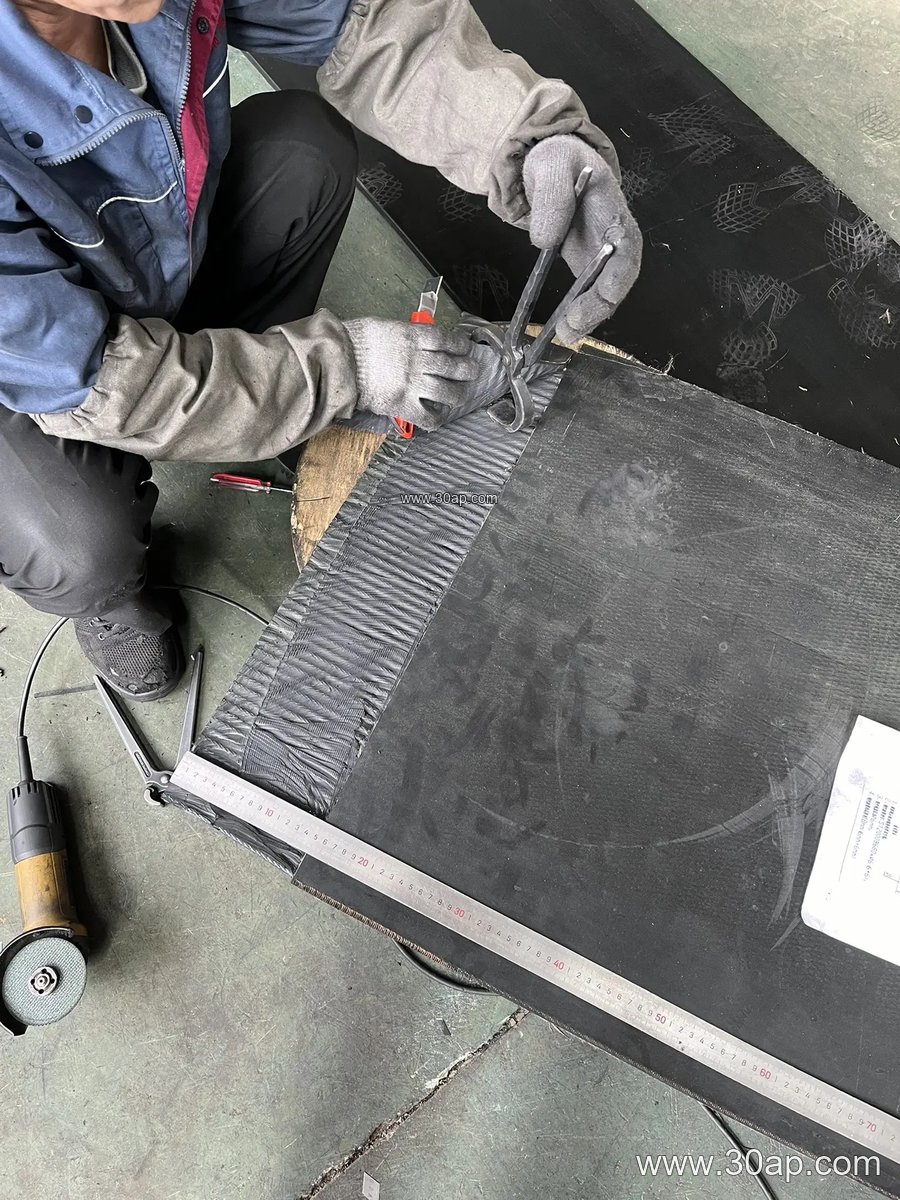
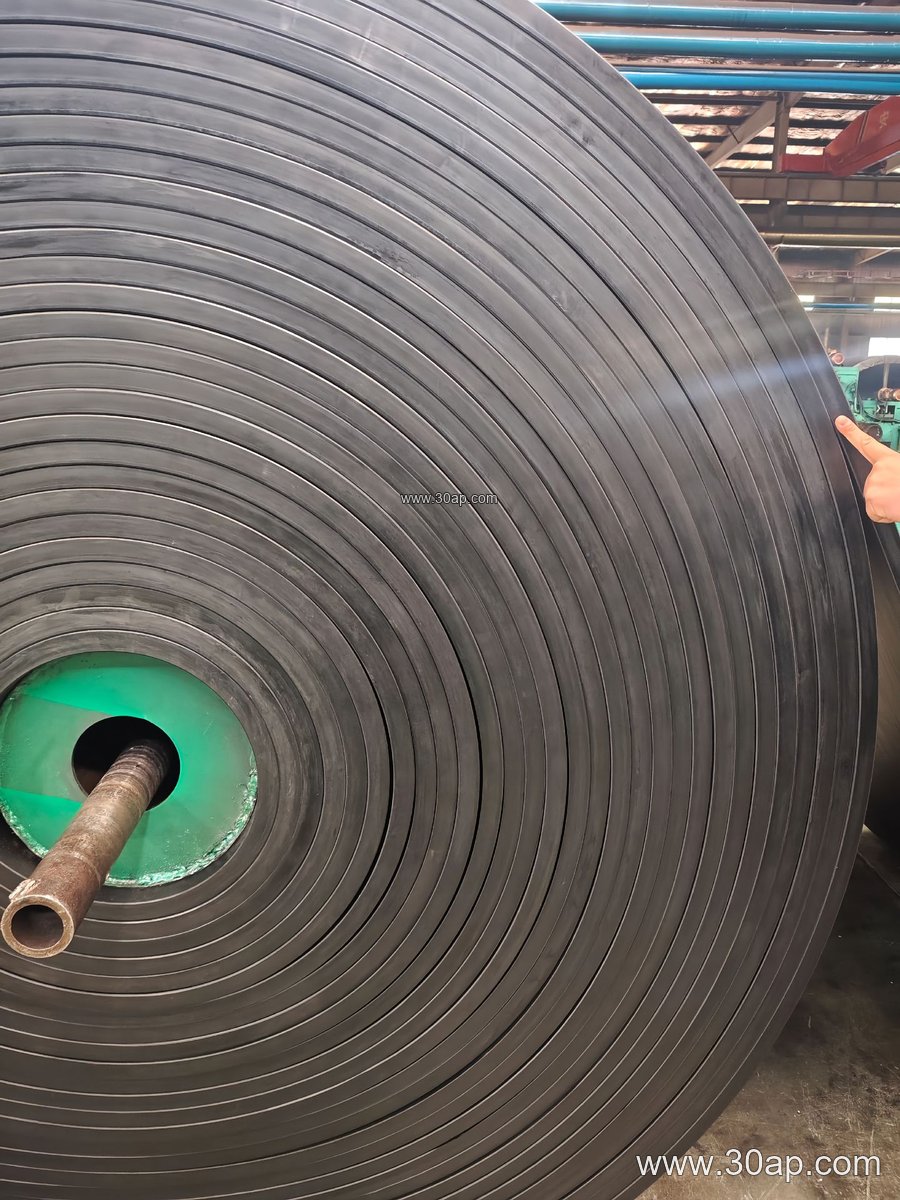
The carcass provides tensile strength and troughability; the covers protect it from impact, abrasion and heat. Common carcass options for power plant service include EP conveyor belt (polyester warp, nylon weft), NN conveyor belt (all-nylon), and steel cord conveyor belt for the highest tension and longest runs. Multi-ply fabric core construction is still widely used on medium-duty lines, while pipe conveyor belt and corrugated sidewall designs suit routes with tight curves or steep inclines.
- Fabric cores: typically 2 to 6 plies, with EP200 to EP1000 common in coal handling.
- Steel cord: ST1000 to ST2500 grades appear on main trunk lines and long overland sections.
- Covers: 3+1.5, 4+2, 5+2, 6+2 and 8+3 mm top/bottom combinations are usual, chosen by lump size and drop height.
Special compounds answer specific plant conditions: heat resistant conveyor belt near boiler feed and hot ash, oil resistant conveyor belt where lubricants or fuel oil may drip, cold resistant grades for outdoor yards in winter, and abrasion resistant conveyor belt on crusher discharge where sharp coal or clinker cuts the cover.
Typical Specifications at a Glance
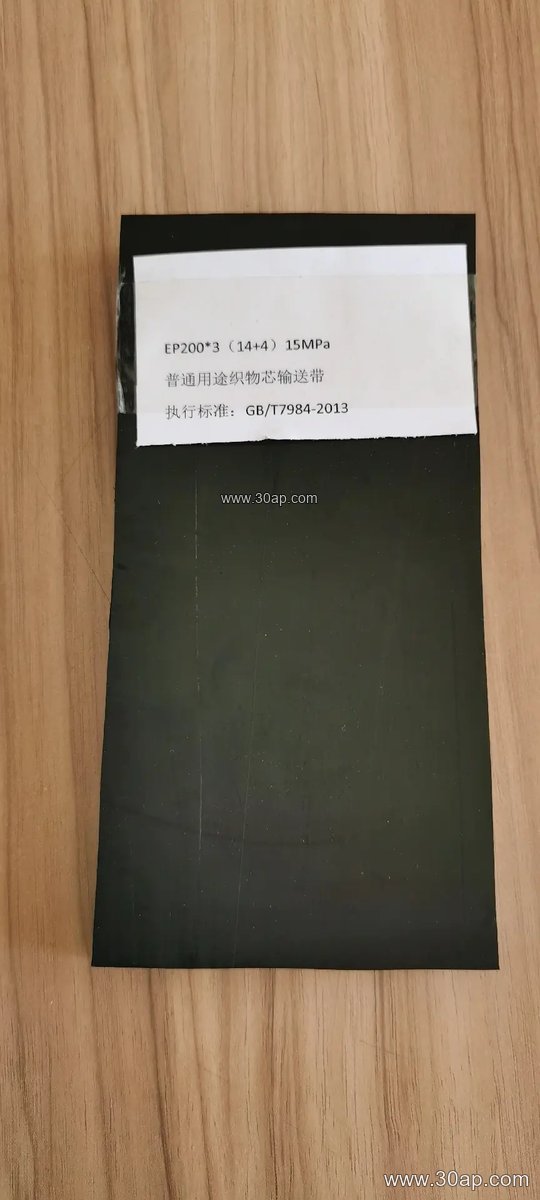
Belt width follows the tonnage and lump size, and the figures below are common references rather than fixed rules. A plant may run B800 on a small transfer and B1800 or B2000 on a main coal line.
| Parameter | Common reference values |
|---|---|
| Belt width | B500, B650, B800, B1000, B1200, B1400, B1600, B1800, B2000 |
| EP strength grades | EP200, EP315, EP400, EP500, EP630, EP800, EP1000, EP1250, EP1600, EP2000 |
| Steel cord grades | ST1000, ST1250, ST1600, ST2000, ST2500 |
| Cover thickness | 3+1.5, 4+2, 5+2, 6+2, 8+3 mm |
| Carcass plies | 2 to 6 layers, by design |
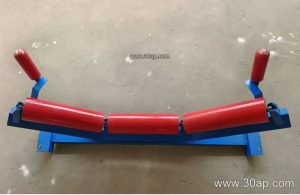
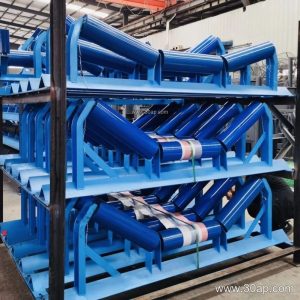
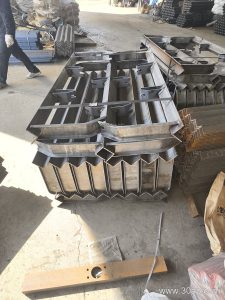
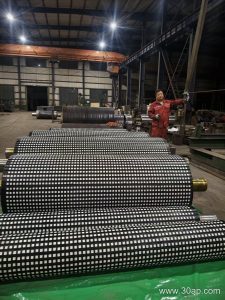
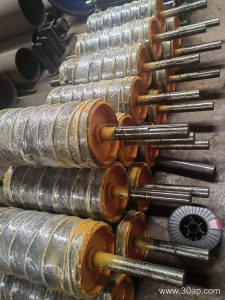
Selection pairs the belt with conveyor pulley diameters, idler roller spacing and conveyor bracket geometry so that the carcass can flex without cracking. Drive, tail and bend pulleys each load the belt differently, so the pulley schedule should be checked against the belt’s minimum bend radius rather than assumed from width alone.
Where It Fits in the Plant
In a coal yard the belt works alongside conveyor pulleys at the head and tail, impact idler roller sets under the loading chute, and conveyor brackets that hold the frame aligned. Dust, moisture and spontaneous heating risk make flame retardant conveyor belt and anti-static properties important, and underground coal mining conveyor belt specs are sometimes borrowed for enclosed galleries. Cement plant conveyor belt users face hot clinker and fine dust, while quarry conveyor belt and aggregate conveyor belt operators worry more about impact and edge damage.
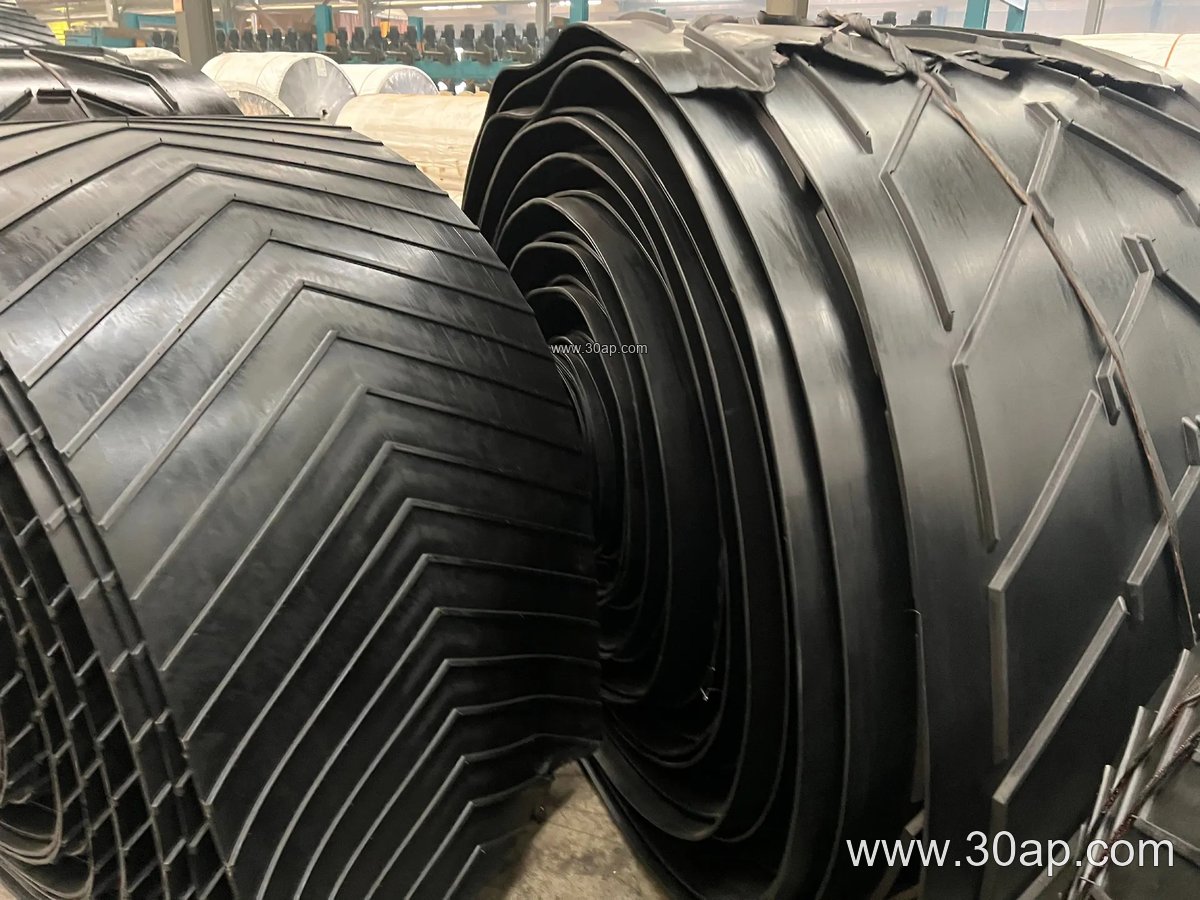
For long, curved routes a pipe conveyor belt encloses the material and limits spillage; for steep inclines a chevron conveyor belt or skirted conveyor belt keeps the load from sliding back. Belt cleaners, splicing method and pulley lagging all influence belt life as much as the compound itself.
Buyer Checklist
- Confirm the duty: fuel type, lump size, drop height, temperature and presence of oil or chemicals.
- State the required flame retardant and anti-static performance for coal service in writing.
- Match strength grade and ply count to the calculated tension, not to the widest belt available.
- Check pulley diameters and idler roller trough angles against the carcass flexibility.
- Agree cover thickness and splice type, and keep spare belt and fasteners on site.
At www.chinaconveyorbelt.com a power plant conveyor belt enquiry should include width, strength grade, cover thickness, length and the environment of each conveyor. For general plant spares, the same specification sheet can cover rubber conveyor belt, EP conveyor belt and steel cord conveyor belt items so that maintenance stores order correctly the first time.