What a Dustproof and Waterproof Idler Does
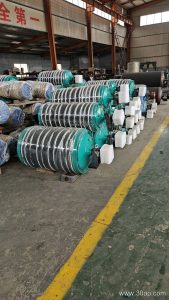
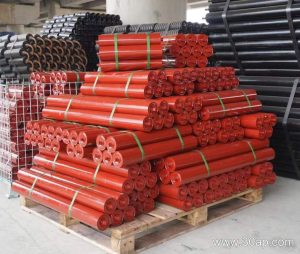
A dustproof and waterproof idler is a conveyor roller built with sealed bearings and protected end caps so that fine powder and water cannot reach the rotating parts. In a limestone quarry or a cement plant, the conveyor belt carries material that releases dust at every transfer point, and washdown hoses add moisture. A standard idler may keep turning for a while, but once grit and moisture enter the bearing, the roller drags, the belt wears, and maintenance climbs. The sealed design of a dustproof and waterproof idler addresses both problems at the same time.
This product is still an idler roller, and it sits in the same frames and brackets as other rollers. What changes is the sealing system and the surface protection, not the basic role of supporting the belt. For abrasive bulk streams, pairing sealed rollers with an abrasion resistant conveyor belt helps the whole line last longer.
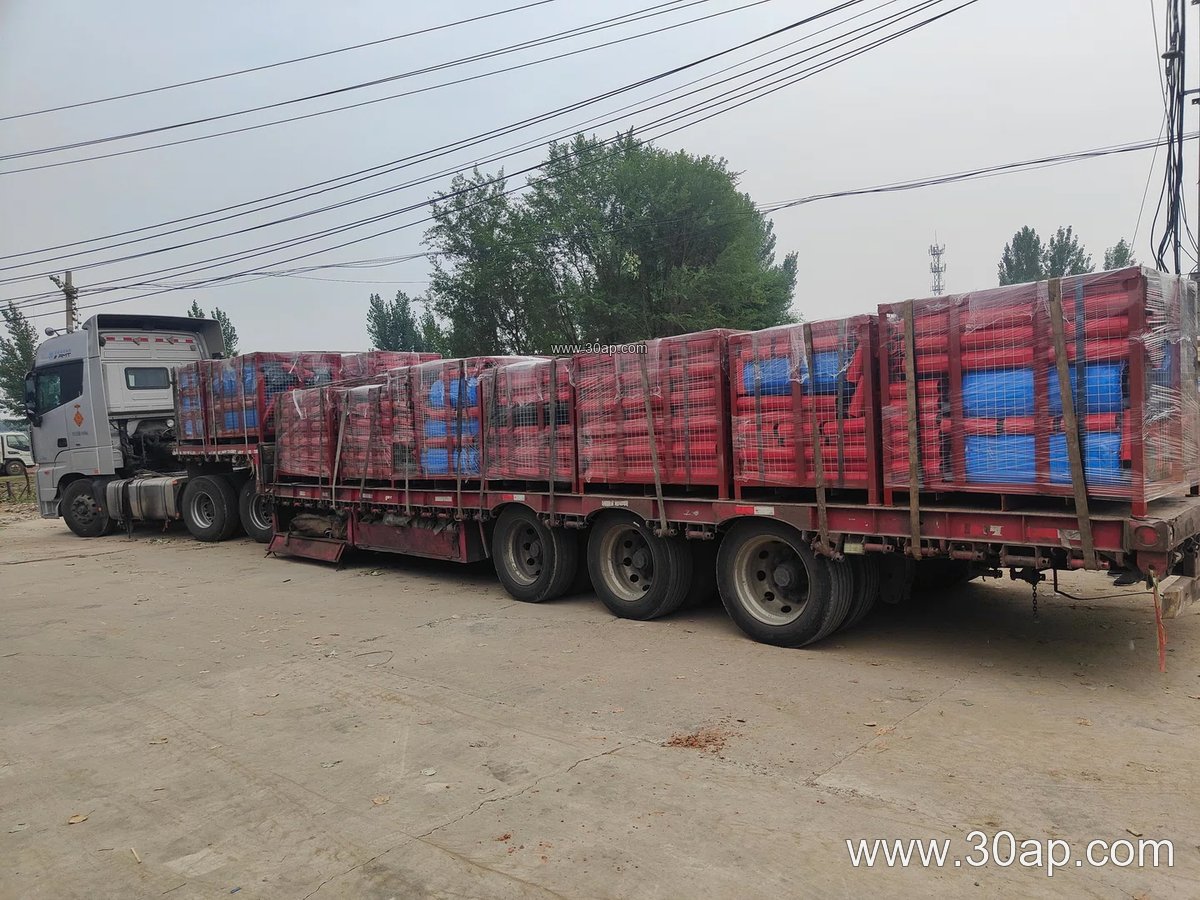
How the Sealing and Shell Are Built
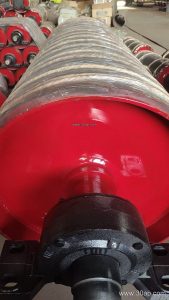
Inside a dustproof and waterproof idler, the bearing is usually a deep-groove ball bearing such as 6204, 6205, 6305, 6306, 6308 or 6310. The bearing is not left open to the airstream. A combination of a labyrinth seal, a contact lip seal, and a protective end cap keeps dust out and holds grease in. The end cap may be press-fit or welded, and the gap between cap and shell is kept small so that water running along the roller cannot pass.
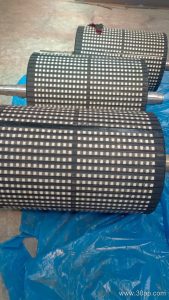
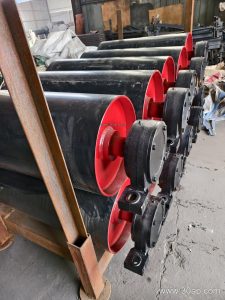
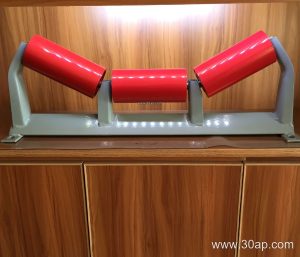
The shell is commonly steel tube, and the surface can be plain steel, nylon, ceramic, or rubber rings depending on the duty. A rubber-ring version is useful on impact zones, while a ceramic surface resists sticky fines. Shaft ends are machined to fit standard conveyor brackets, and the roller length follows the belt width, trough angle, and idler group form. A three-roll troughing set on a B800 belt often uses rolls around 315 mm long, while a B1200 set may use rolls near 465 mm. These are common examples, not fixed rules; side rolls and center rolls can differ, and the final length is set by the conveyor design.
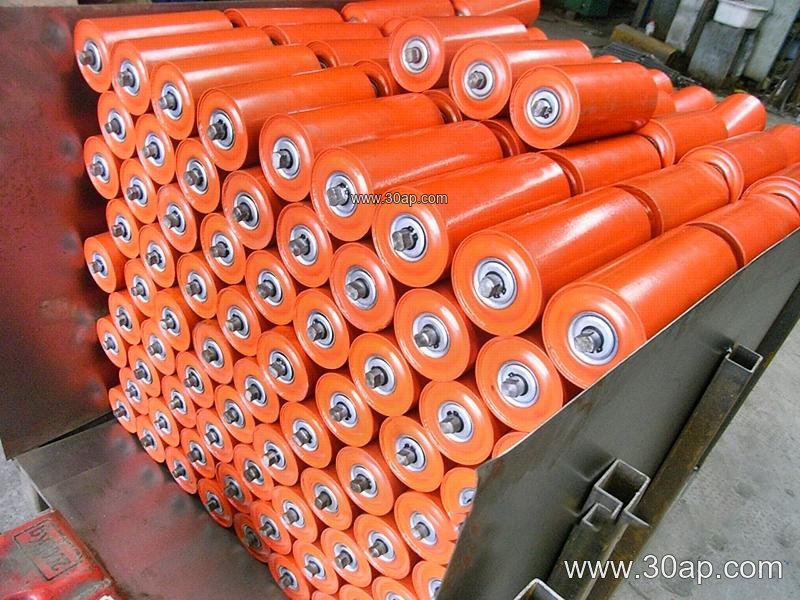
Where It Fits on the Conveyor
Dustproof and waterproof rollers are most often used in troughing idlers on the carrying side, in return idlers under the belt, and in transition zones where the belt changes shape. In a coal handling system at a power plant, sealed rollers on the return run reduce buildup of coal dust and moisture. In a sand and gravel line or a crushing and screening circuit, they protect bearings from stone powder and rain. The same roller type appears in fertilizer plants and grain facilities where washdown is routine.
They are not a replacement for a drive pulley, tail pulley, or bend pulley. Those are conveyor pulleys that transmit power or change belt direction, and they have their own shaft, lagging, and bearing arrangements. A dustproof and waterproof idler only supports the belt. When a conveyor needs both sealed rollers and a strong belt, a steel cord conveyor belt or an EP conveyor belt may be selected for the main haul, and a flame retardant conveyor belt is common in underground coal mining conveyor systems.
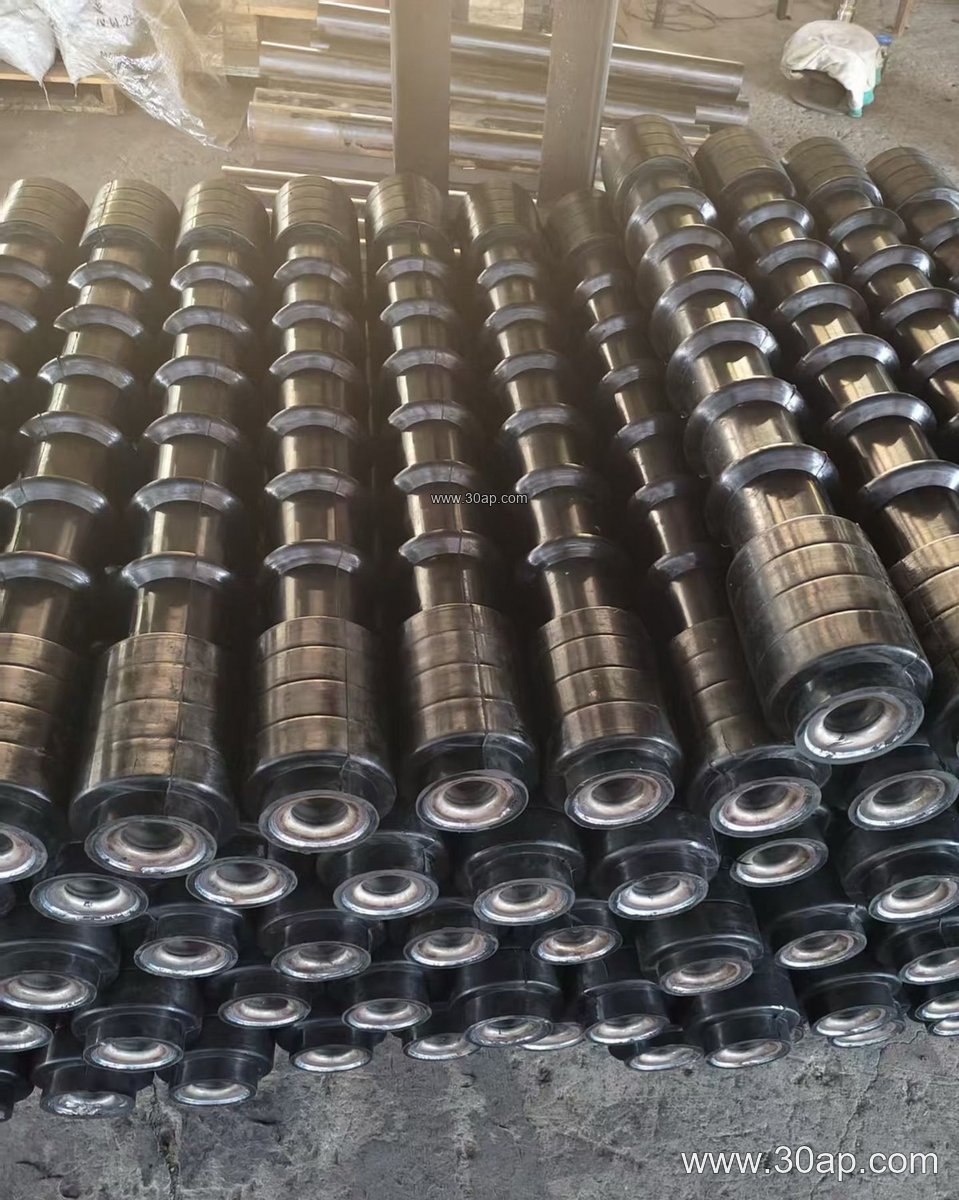
Common Sizes and Arrangements
Roller diameter and belt width are chosen together with the conveyor capacity and the idler group. The table below shows typical reference values, not a supply promise.
- Roller diameters: Ø63, Ø76, Ø89, Ø102, Ø108, Ø127, Ø133, Ø159, Ø178, Ø194, Ø219
- Belt widths: B400, B500, B650, B800, B1000, B1200, B1400, B1600, B1800, B2000, B2200, B2400
- Trough angles: 20, 30, 35, 45 degrees; forward tilt about 1.5 to 2 degrees on self-aligning sets
- Idler groups: single roll, two-roll, three-roll troughing
A three-roll troughing set on B500 may use rolls around 200 mm long, B650 around 250 mm, B1000 around 380 mm, and B1400 around 530 mm. The exact roll length is confirmed by the trough angle and frame design. For a quarry conveyor belt or an aggregate conveyor belt, the buyer should state the belt width, the trough angle, the roll diameter, and the bearing size rather than assume one size fits all.
What a Buyer Should Check
Ask for the seal type and the bearing number, because two rollers with the same shell diameter can have very different sealing. Confirm the shaft end dimensions and the bracket spacing so the roller fits the existing conveyor bracket. Check whether the shell is plain steel, nylon, ceramic, or rubber-ring, and whether the application needs extra impact protection. For wet or dusty service, a sealed dustproof and waterproof idler is a practical choice, but it should be matched to the belt speed, load, and environment. On a long overland line with a heavy-duty mining conveyor belt, the roller spacing and the belt tension also affect roller life, so the idler layout should be reviewed as part of the whole conveyor design.