What a Mining Conveyor Bracket Does
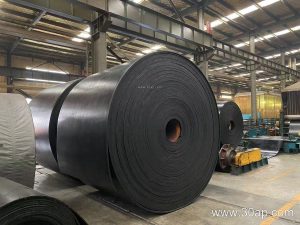
A mining conveyor bracket is the structural component that holds idler rollers in the correct position along a conveyor system. In quarry, coal, and ore handling operations, these brackets keep the belt properly supported and aligned, which directly affects uptime and maintenance costs. While often overlooked, the bracket design influences how well a mining conveyor belt tracks and how evenly loads are distributed.
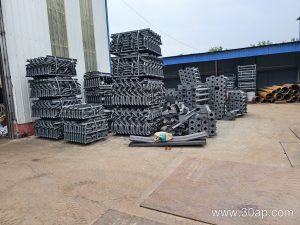
Brackets are typically fabricated from angle steel, channel steel, or folded steel plate. They are designed to match specific belt widths and idler diameters, and they may be fixed or adjustable. The choice depends on the conveyor profile, the material being carried, and the level of control needed over belt training.
Common Bracket Types and Their Roles
Different positions along the conveyor call for different bracket designs. The main types include:
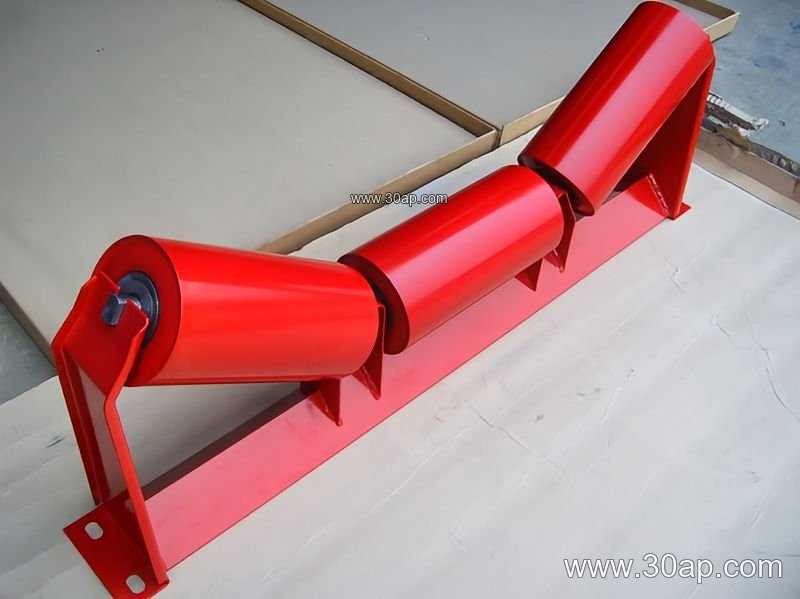
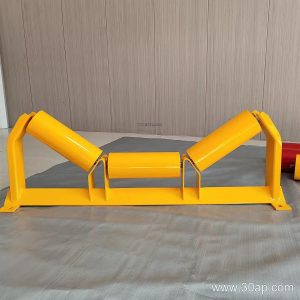
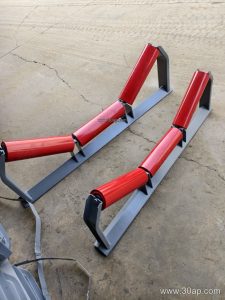
- Troughing bracket – supports the carrying side with three idlers, forming a trough that keeps bulk material centered.
- Transition bracket – used near pulleys to gradually change the belt from flat to troughed, reducing stress on the belt edges.
- Return bracket – supports the empty side of the belt, often with a flat or V-shaped configuration.
- Impact bracket – reinforced to absorb shock at loading points, frequently used with impact idlers.
- Self-aligning bracket – allows slight rotation to correct belt misalignment.
- Adjustable bracket – permits changes to trough angle on site, useful when material characteristics vary.
For example, a V-return bracket is sometimes chosen over a flat return bracket when extra belt guidance is needed on the return strand. Each type serves a distinct purpose and should not be substituted without considering the conveyor design.
Key Dimensions and Selection Factors
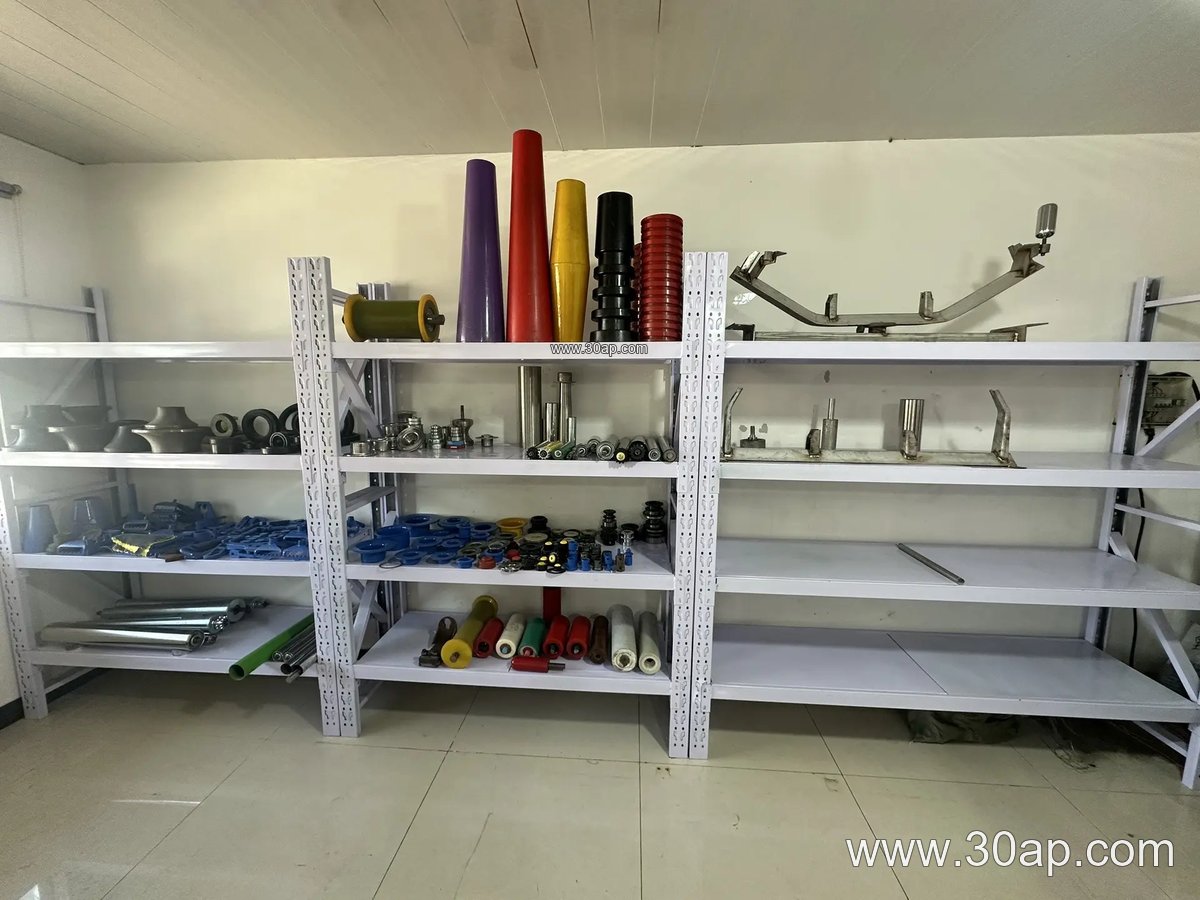
Bracket dimensions are tied to belt width, idler diameter, and trough angle. Common belt widths for mining applications range from B500 to B2200, with B800, B1000, and B1200 being frequent choices in aggregate and coal handling. Idler diameters such as Ø89, Ø108, Ø133, Ø159, and Ø194 are matched to load and speed requirements. Trough angles of 20°, 30°, 35°, and 45° are standard, and adjustable brackets can often be set within this range. A typical combination might be B800 with 35° trough and Ø108 idlers, or B1200 with 45° trough and Ø133 idlers. However, these are examples only—actual selection depends on the conveyor’s capacity, belt type, and operating conditions.
Mounting hole spacing and crossbeam length are not fixed; they vary with belt width and trough angle. Buyers should confirm these details with the conveyor designer or bracket manufacturer to ensure compatibility with existing idlers and structure.
Installation and Maintenance Notes
Proper installation is critical for bracket performance. Brackets must be aligned squarely to the conveyor centerline, and fasteners should be tightened to the specified torque. On adjustable brackets, the trough angle should be set according to the material’s angle of repose and the belt’s training behavior. Regular inspection helps identify worn or bent brackets, which can cause belt mistracking and premature idler failure. In dusty environments such as cement plants or coal preparation plants, keeping brackets free of buildup reduces the risk of misalignment.
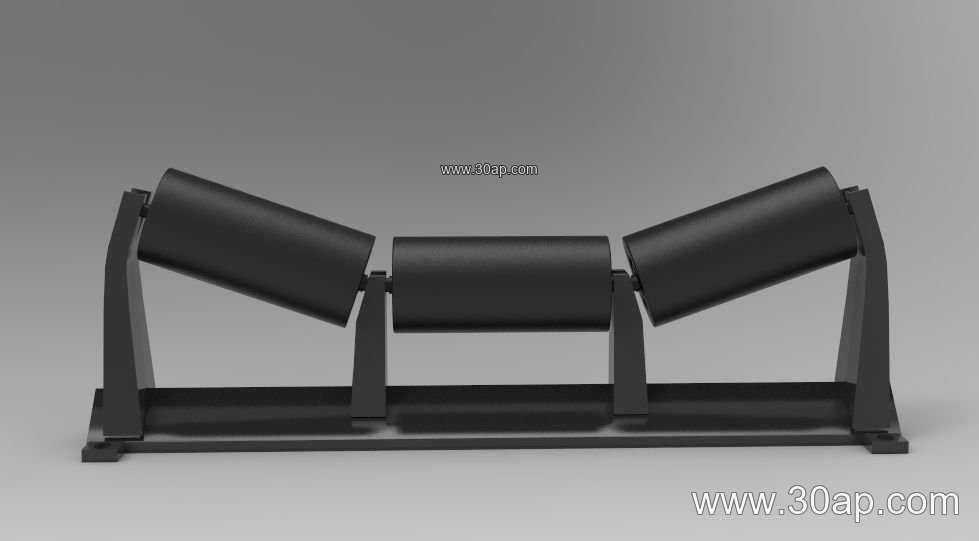
When replacing brackets, it is important to match the original specifications or consult the conveyor manufacturer. Mixing bracket types or using incorrect dimensions can lead to poor belt support and increased wear on the conveyor belt and idler roller.
Buying Considerations
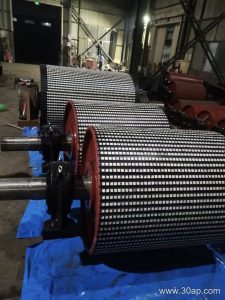
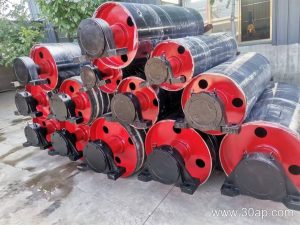
Purchasers should provide the conveyor’s belt width, idler diameter, trough angle, and mounting dimensions when ordering brackets. Material of construction—often angle steel or channel steel—should suit the environment, with consideration for corrosion resistance in wet or chemical-exposed areas. For heavy-duty mining applications, reinforced brackets may be necessary at transfer points. It is also wise to verify that the bracket design is compatible with the selected conveyor pulley and belt type, whether a steel cord conveyor belt or a fabric core belt such as EP or NN.
Finally, buyers should request dimensional drawings and load ratings from suppliers to ensure the brackets meet the conveyor’s structural requirements. This step helps avoid costly downtime and ensures the system operates as intended.