What a 1000mm Drive Pulley Is
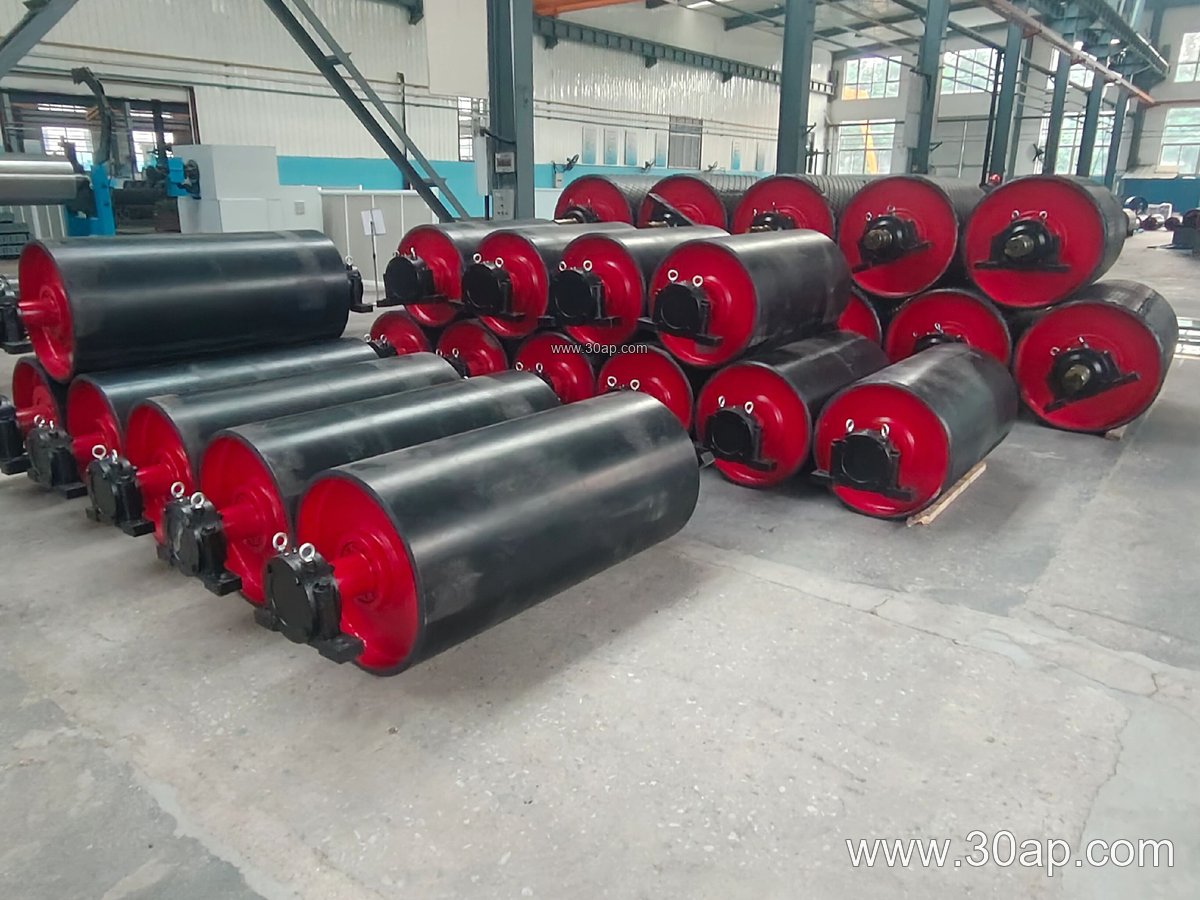
A 1000mm drive pulley is a head pulley with a nominal diameter of 1000 mm, used to transmit power from the drive unit to the conveyor belt. The diameter is a key reference dimension, but it is not the only factor in selection. This pulley is often paired with belt widths around 1000 mm to 1400 mm, depending on the conveyor design and the required belt wrap angle. In a typical bulk handling system, the drive pulley sits at the discharge end and works together with the conveyor belt, idler roller, and conveyor bracket to keep material moving.
Construction and Surface Options
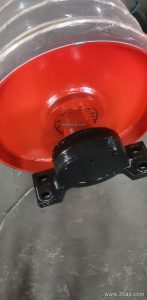
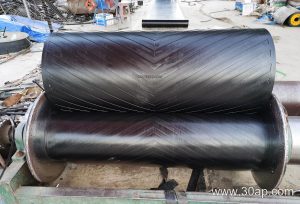
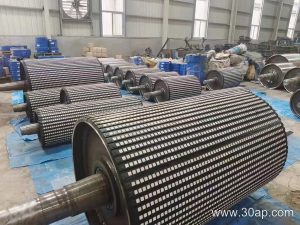
The pulley body is usually a welded steel drum with a shaft, hub, and bearing housing. Surface treatment matters for grip and wear life. Common surface forms include plain, cast rubber, cold-bonded rubber, hot-vulcanized rubber, diamond grooving, herringbone grooving, and ceramic lagging. Lagging thickness is often 8, 10, 12, 15, or 20 mm, selected according to the duty. For a 1000mm drive pulley, the shell width is normally greater than the belt width; for example, a B1000 belt may use a pulley face around 1150 mm, while B1200 may use about 1400 mm. These are common references, not fixed rules.
Where It Fits in the Conveyor
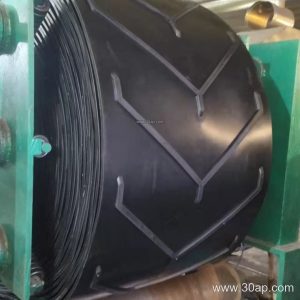
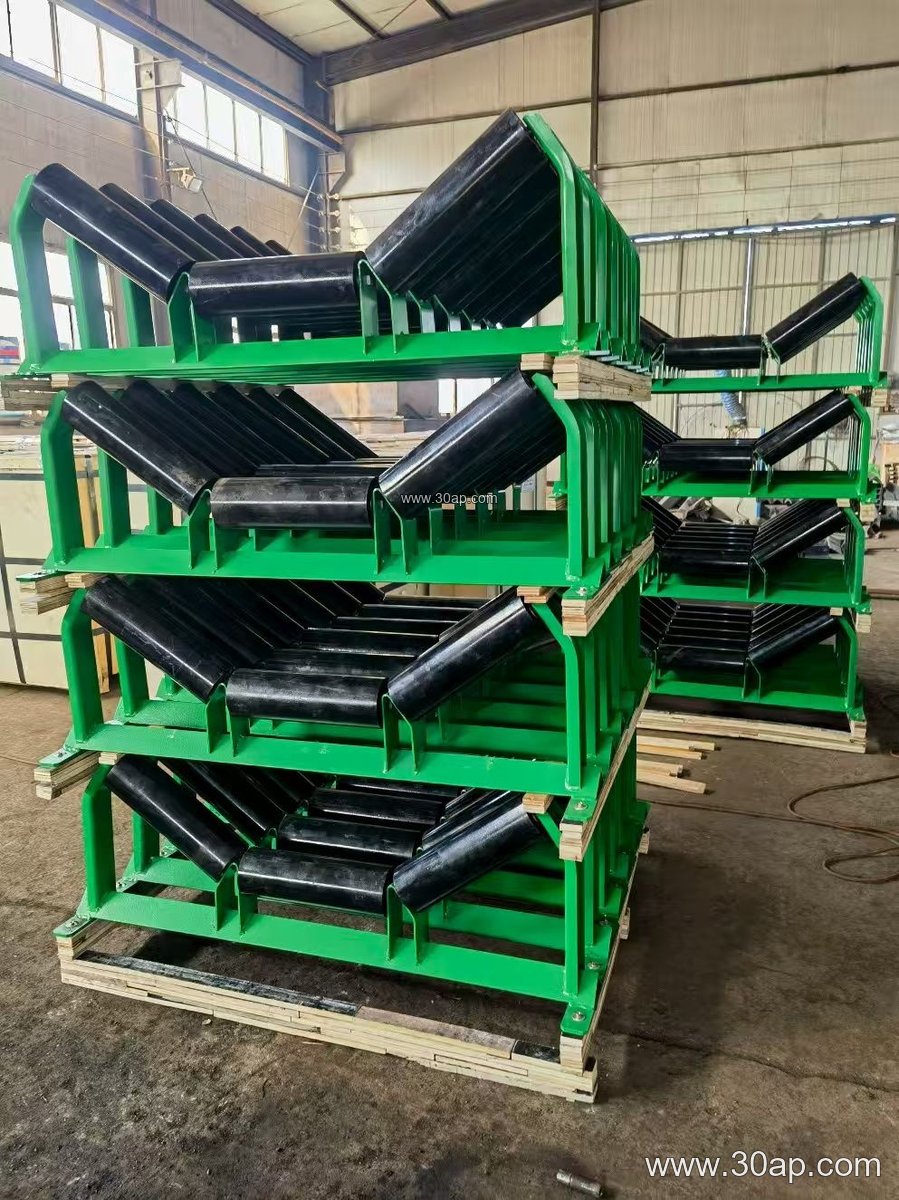
A drive pulley is not interchangeable with a tail pulley or a bend pulley. The drive pulley delivers torque; the tail pulley returns the belt; the bend pulley changes belt direction. In a quarry or aggregate line, a 1000mm drive pulley may be used on the main haulage conveyor, while a smaller bend pulley handles the return path. In a coal mining conveyor or a cement plant clinker line, the drive pulley is often specified with flame retardant conveyor belt and abrasion resistant conveyor belt to match the environment. The pulley also works with the conveyor belt tension and the idler roller spacing to maintain stable tracking.
Common Applications
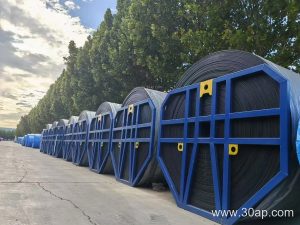
This size of drive pulley appears in mining, coal preparation, power plant coal handling, steel plant sinter lines, and port bulk terminals. It is also found in stone crushing plants and sand making lines where a heavy-duty conveyor belt carries rock and aggregate. In underground mining, a 1000mm drive pulley may be paired with a fire resistant conveyor belt or an anti-static conveyor belt. For long overland systems, a steel cord conveyor belt may be used, while shorter lines often use an EP conveyor belt or NN conveyor belt. The pulley diameter should be checked against the belt’s minimum pulley recommendation, but no single belt width dictates one fixed diameter.
Selection Points for Buyers
Buyers should confirm the belt width, the required shaft diameter, the lagging type, and the bearing arrangement. Shaft diameter is determined by torque and load, not by belt width alone; common shaft sizes range from Ø50 to Ø200 mm, but the final value comes from the drive calculation. The pulley face width, lagging thickness, and surface pattern should match the conveyor belt and the material. For example, a diamond lagging may suit a wet or dusty environment, while plain surface may be used in a cleaner section. A 1000mm drive pulley can be combined with B800, B1000, or B1200 belts in different designs, but the combination should be confirmed by the conveyor designer.
Maintenance and Matching Equipment
Regular inspection of lagging wear, shaft alignment, and bearing condition helps avoid belt slip and tracking problems. The drive pulley should be checked together with the conveyor bracket and idler roller, because misalignment at one point can affect the whole conveyor. In a cement plant or a power plant, keeping the pulley surface clean improves friction and reduces wear on the conveyor belt. When replacing a pulley, verify the diameter, face width, shaft size, and lagging specification against the original design. The 1000mm drive pulley remains a practical choice for medium to heavy duty conveyors when the whole system is considered together.