What the Ø89 Rubber Disc Idler Does
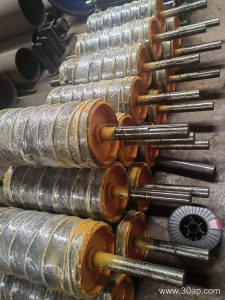
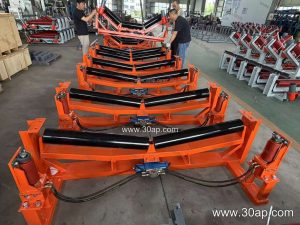
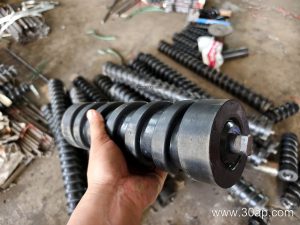
The Ø89 Rubber Disc Idler is a roller built around an 89 mm shell diameter and fitted with a series of rubber discs instead of a plain steel face. On a belt conveyor, this rubber disc idler roller sits under the loading zone or along a run where the belt needs cushioning, grip, or self-cleaning action. The rubber rings absorb part of the impact from falling material, and the gaps between discs let fines, dust, and small debris fall away rather than pack against the shell.
Because the discs are the wearing surface, the Ø89 rubber disc idler is often grouped with impact and cushion idlers. It is not a drive pulley, a tail pulley, or a bend pulley, and it should not be specified as a substitute for any of those components. It is a carrying or return roller within the idler set, chosen for the conditions around it.
Construction and How the Discs Work
The core is normally a steel tube with welded end caps, machined bearing housings, and a shaft that fits the conveyor bracket. Rubber discs are pressed or bonded onto the shell in a repeated pattern, leaving open spaces between them. Bearings are usually sealed for dusty service; common bearing sizes on idler rollers in this diameter class include 6204, 6205, and 6305, though the final choice depends on load and speed rather than on diameter alone.
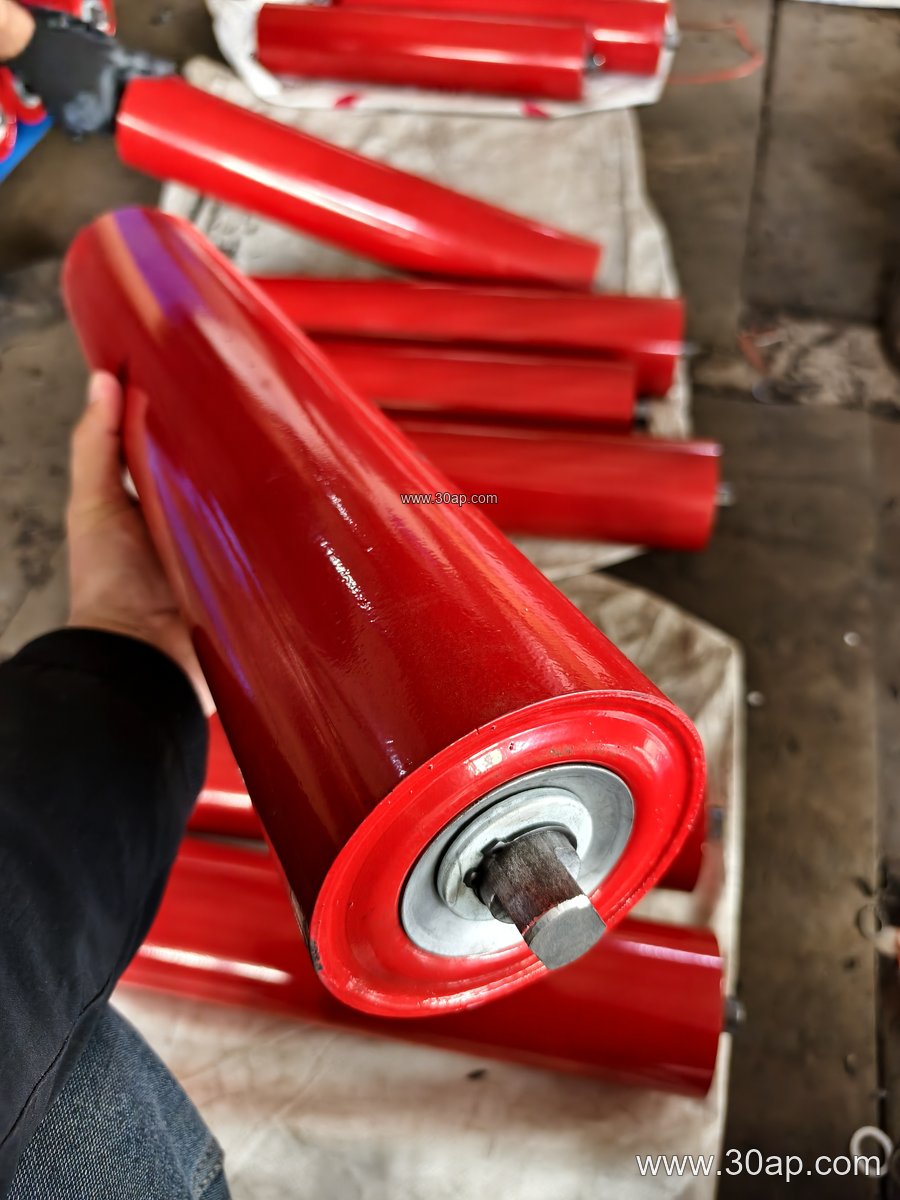
Several design details matter to buyers:
- Disc spacing and thickness affect how much impact energy the roller can absorb and how easily material clears.
- Rubber hardness balances cushioning against wear resistance; softer compounds protect the belt but wear faster in sharp rock service.
- Sealing and bearing protection decide service life in washdown, cement dust, or coal handling.
- Shaft and end-cap fit must match the conveyor bracket so the roller sits square and turns freely.
Where It Fits in a Conveyor Line
The most common position is beneath a transfer point, where ore, aggregate, or clinker drops onto the belt. In a quarry or a sand and gravel plant, the Ø89 rubber disc idler can reduce belt damage at the load chute while helping fines drop out. In a coal handling system or a power plant coal yard, the same cushioning and self-cleaning behavior helps where dust is constant. It also appears on return runs and in sections where sticky material would otherwise build up on a plain roller.
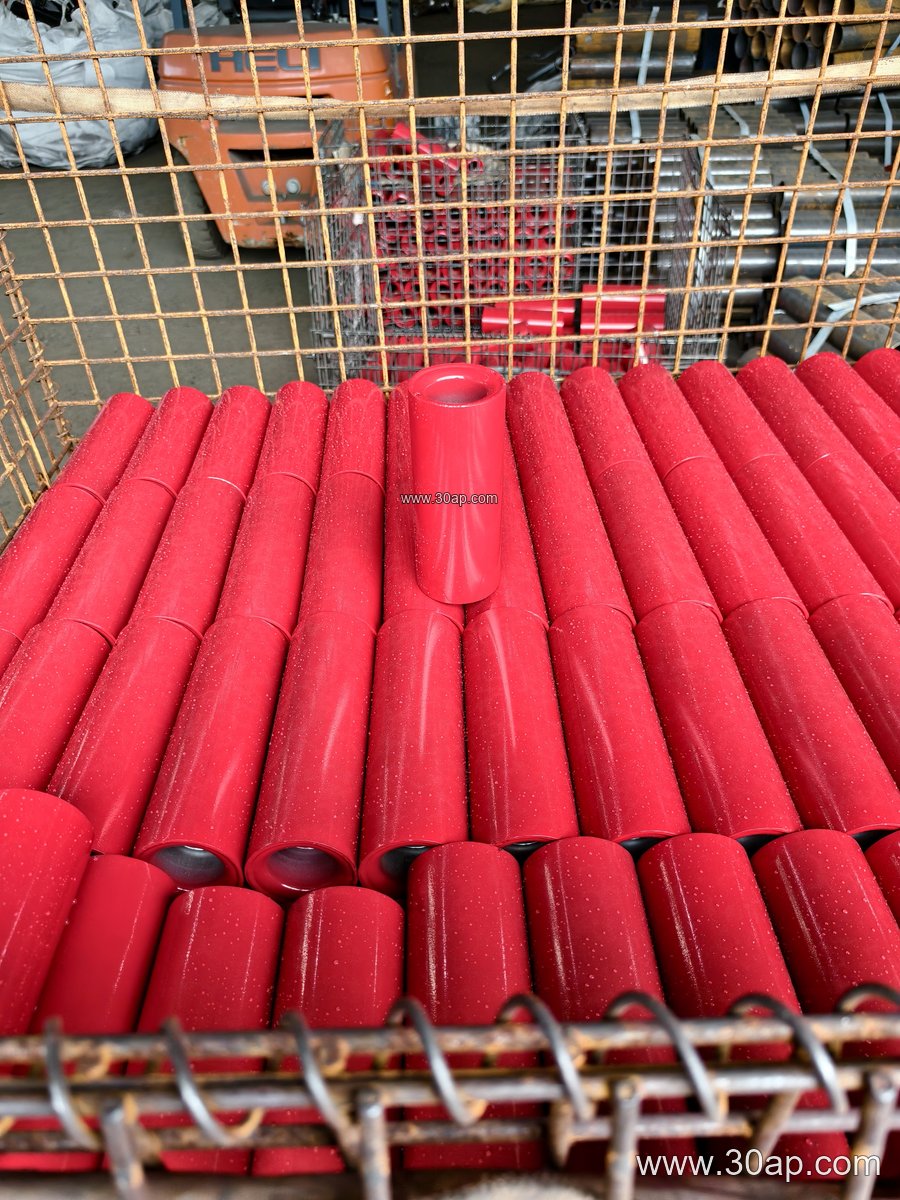
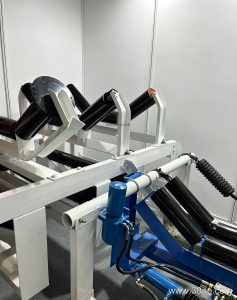
Because the discs are not a continuous surface, this idler is generally not used as a training roller. For belt alignment, friction training idlers or conical training idlers are the proper choice, and for a normal carrying run, three-roll troughing sets are standard. A rubber disc roller is a focused solution for impact and buildup, not a replacement for every idler in the frame.
Sizing the Ø89 Roller Against the Belt
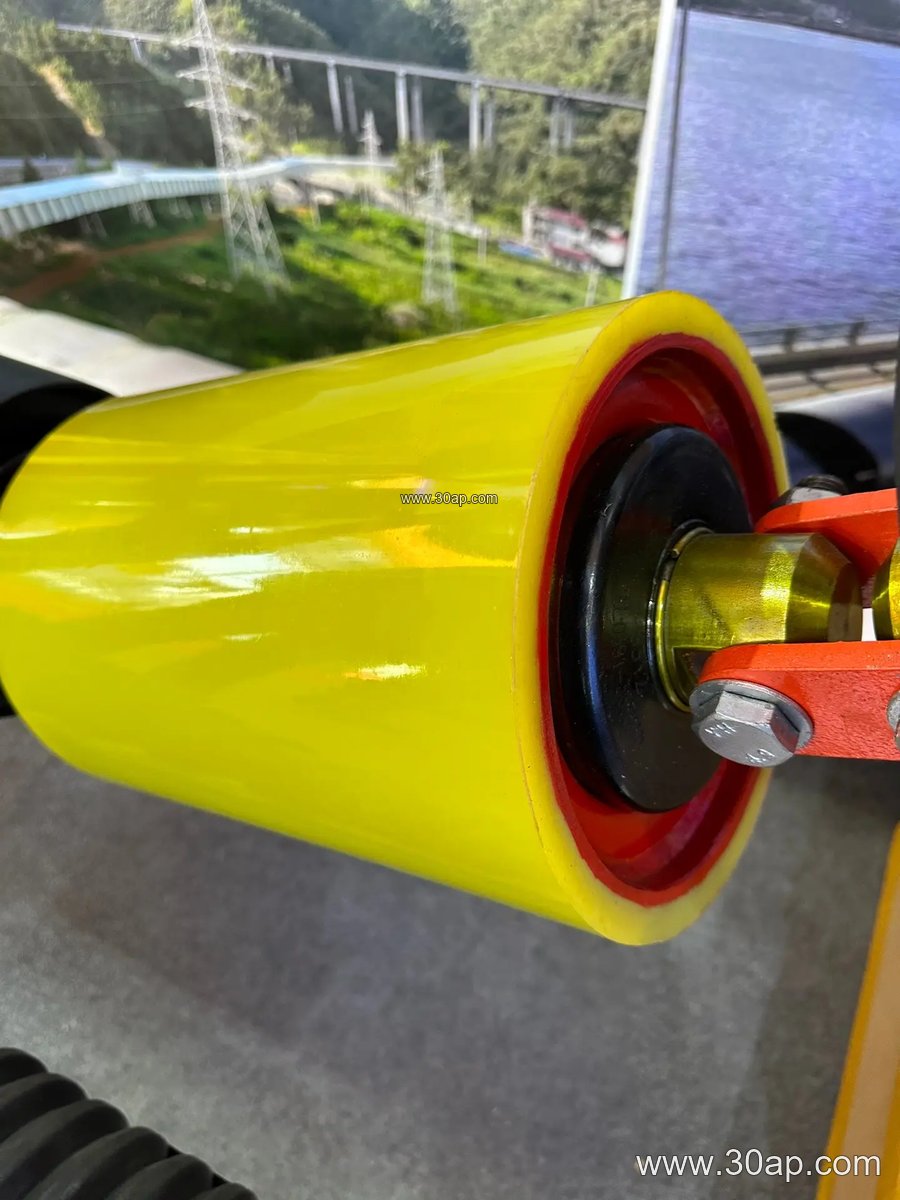
Diameter is only one part of the selection. Roller length follows belt width, trough angle, and whether the idler is a single-roll, two-roll, or three-roll arrangement. The table below shows typical roller length references for three-roll troughing sets; side rolls and center rolls can differ, so treat these as common examples rather than fixed pairings.
| Belt width reference | Typical roller length in a three-roll troughing set |
|---|---|
| B500 | About 200 mm |
| B650 | About 250 mm |
| B800 | About 315 mm |
| B1000 | About 380 mm |
| B1200 | About 465 mm |
| B1400 | About 530 mm |
| B1600 | About 600 mm |
Trough angles of 20, 30, 35, and 45 degrees are common, and the angle changes the load profile and the side-roll geometry. A Ø89 shell can appear on narrow and medium belts, but no single belt width is tied to one pulley diameter or one shaft size. Shaft diameter should be confirmed from the conveyor bracket and the load calculation, never assumed from belt width.
Buyer Checklist Before Ordering
Start with the material being carried. Sharp iron ore or copper ore calls for a tougher rubber compound than a light aggregate line. A cement plant handling hot clinker may need a heat-resistant belt and idlers rated for the temperature, while a coal mine may prioritize flame retardant and anti-static properties in the belt and dust-tight bearings in the roller.
Then confirm the mechanical fit: shell diameter, roller length, shaft end shape, bracket spacing, and bearing size. Check whether the roller is for carrying or return service and whether the frame is a single-roll or multi-roll type. Finally, look at maintenance access. Rubber discs that can be replaced or re-rubbered extend service life, and a sealed bearing that can be greased or is lifetime-sealed will suit different maintenance routines.
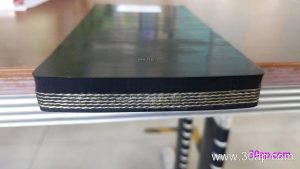
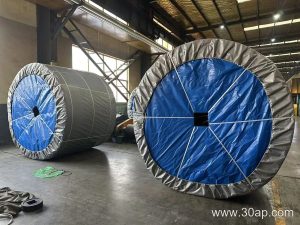
For the belt side of the system, pair the idler choice with the right belt construction, whether that is an abrasion resistant conveyor belt, an EP conveyor belt, or a flame retardant conveyor belt for underground work. A matched belt and idler set keeps the whole conveyor line running with less downtime.