What an EP800 Conveyor Belt Is
An EP800 Conveyor Belt is a fabric-core rubber belt built around polyester and polyamide (EP) warp and weft cords. The number 800 refers to the nominal tensile strength of the carcass, usually expressed in newtons per millimeter of belt width. In practice this places it in the upper-middle range of EP constructions, above EP630 and below EP1000, which is why it often appears on main-haul conveyors rather than on short transfer runs.
Because the carcass is a multi-ply fabric core rather than steel cord, the belt stays relatively light, resists repeated flexing, and can be spliced with conventional hot or cold methods. That combination makes the EP800 Conveyor Belt a common choice where a single flight carries a steady tonnage but the profile still includes several pulleys.
How the Belt Is Constructed
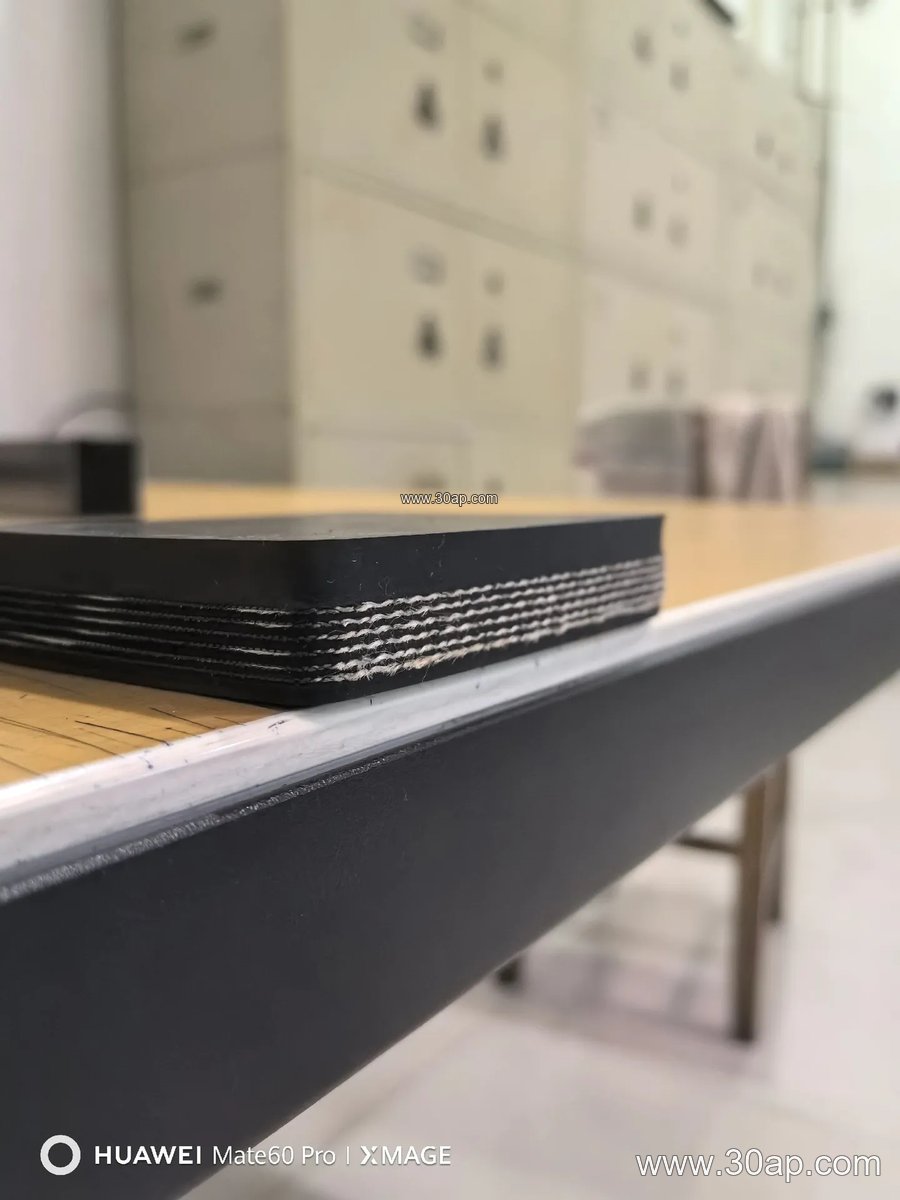
The body of the belt is a layered structure. Each ply carries part of the tension load, and the plies are bonded with friction and skim rubber. Top and bottom covers protect the carcass from abrasion, impact, moisture, and whatever the conveyed material happens to contain.
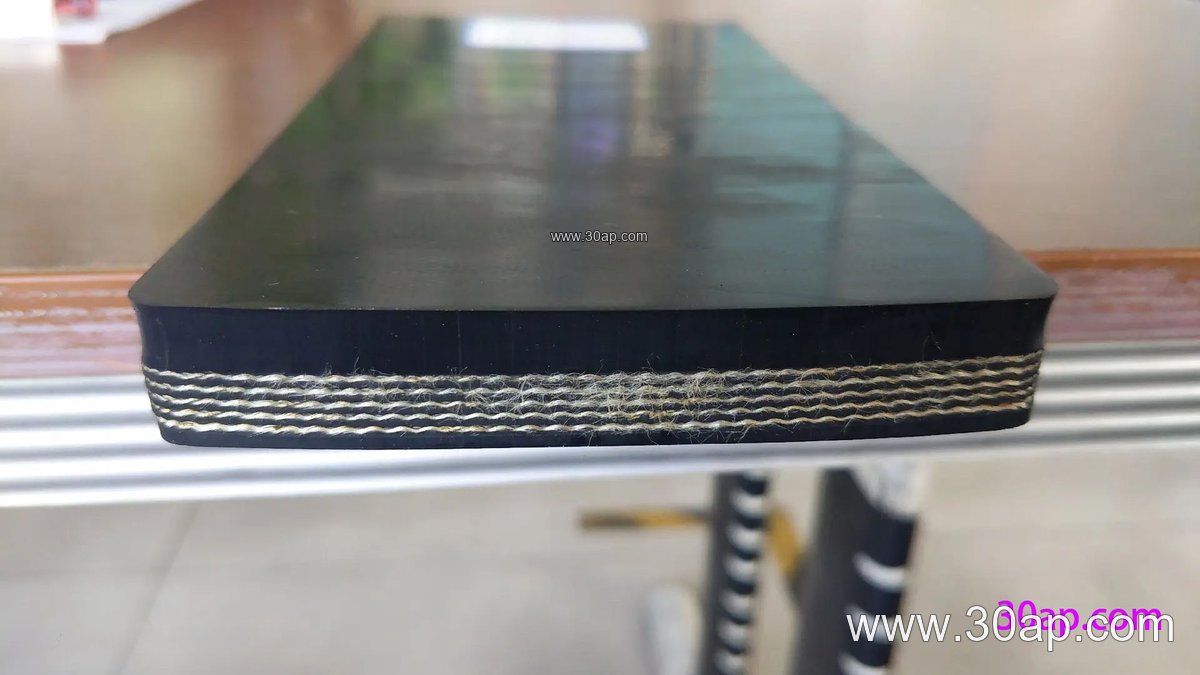
- Carcass: multiple EP fabric plies, typically two to six layers depending on the design load.
- Top cover: often 4 mm, 5 mm, 6 mm, or 8 mm on heavy-duty variants.
- Bottom cover: commonly 1.5 mm, 2 mm, or 3 mm for pulley-side wear protection.
- Edges: cut and sealed, or molded, depending on the manufacturer and application.
Cover grade is chosen from the working environment, not from belt strength alone. An abrasion resistant belt suits crushed stone and sinter; a heat resistant belt suits clinker and cement; a flame retardant or anti-static grade is usual underground. In coal preparation and similar enclosed plants, PVG conveyor belting is also common, but it is a different product family and should not be treated as an EP800 substitute.
Typical Duty and Where It Runs
The belt turns up across mining, coal handling, cement lines, power plant coal yards, quarries, sand and aggregate plants, steel works, ports, and recycling facilities. It handles bulk material such as ore, limestone, clinker, gravel, and coal where the conveyor has enough pulley contact and the load is not concentrated in a single impact zone.
A correctly rated EP800 belt can serve on a heavy-duty mining conveyor, a quarry conveyor, or a crusher discharge line, provided the drive, take-up, and pulley arrangement match the duty. On long overland routes or very high tension demands, an ST conveyor belt with steel cord may be the better fit; the EP carcass has practical limits that steel cord does not share.
Dimensions and Strength Reference
The figures below are common reference values, not fixed supply promises. Final belt construction follows the conveyor design and the manufacturer’s data sheet.
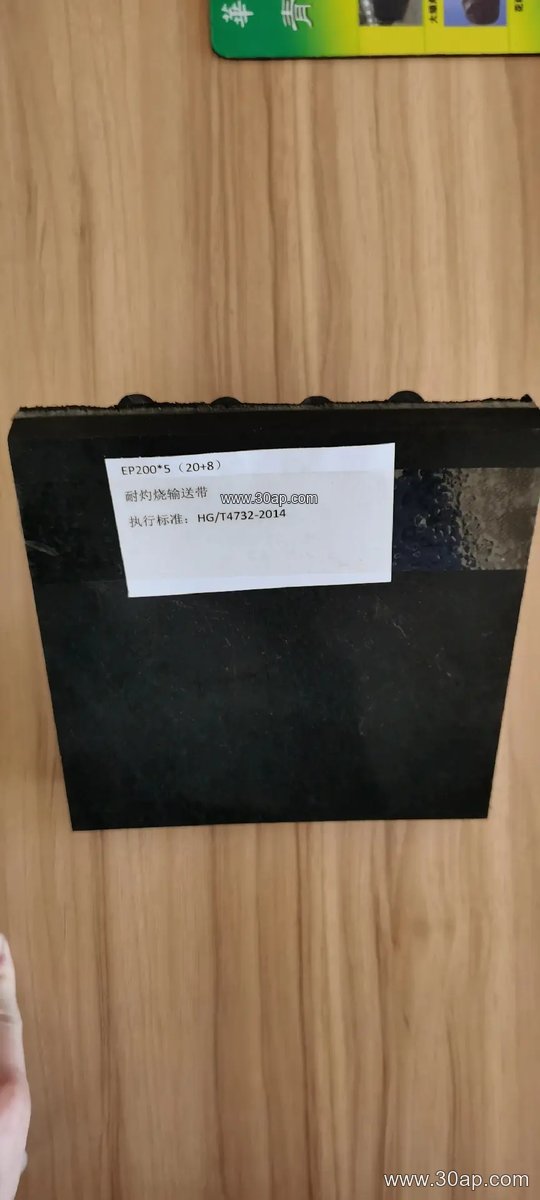
Carcass Grades
| Grade | Nominal Strength | Typical Position in Range |
|---|---|---|
| EP200 | Lower tensile class | Light to medium duty |
| EP400 | Medium class | General conveying |
| EP630 | Upper-medium class | Main haul, moderate |
| EP800 | High fabric class | Heavy main haul |
| EP1000 | Higher class | Demanding main haul |
| EP1250 | Very high fabric class | Long, loaded routes |
Common Belt Widths
| Width | Frequent Use |
|---|---|
| B500 | Small transfer and feeder belts |
| B650 | Aggregate and light plant duty |
| B800 | General plant conveying |
| B1000 | Main plant and quarry lines |
| B1200 | Mining and cement main haul |
| B1400 | High-tonnage bulk handling |
| B1600 | Large mining and port systems |
| B1800 | Very wide bulk conveyors |
| B2000 | Extra-wide, high-capacity routes |
Belt width and pulley diameter are matched through the conveyor design, not by a single fixed rule. A wide belt does not automatically require one particular pulley size, and shaft diameter is determined from the drive and bearing loads rather than from belt width alone.
Selection Points for Buyers
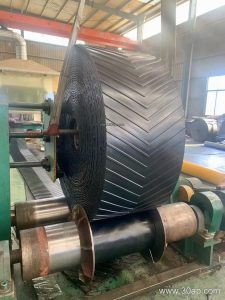
Start with the actual duty: lump size, tonnage per hour, incline, pulley centers, and starting method. Confirm the required tensile grade with the conveyor engineer, then set the cover thickness and grade against the material and climate. Ask whether the edges need sealing, whether a chevron pattern or a corrugated sidewall is needed to hold the load on an incline, and whether a pipe conveyor profile is under consideration for enclosed routing.
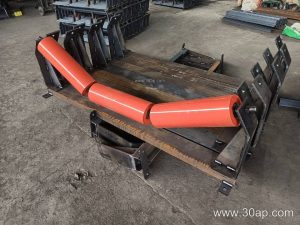
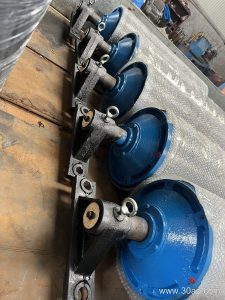
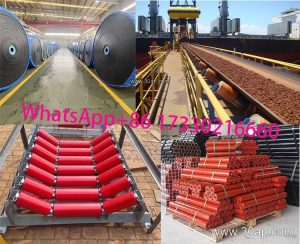
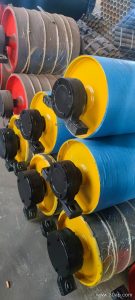
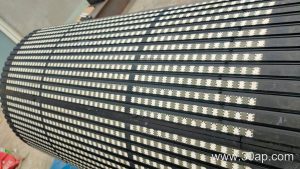
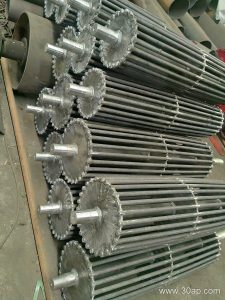
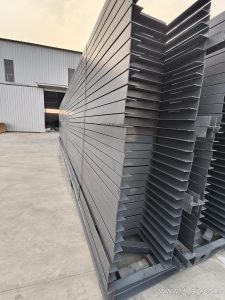
Also check the interface hardware. The drive pulley, tail pulley, and bend pulleys are separate components with their own diameters and lagging, and none of them should be specified as a substitute for another. Idler roller spacing and conveyor bracket dimensions affect belt support and should be confirmed before the belt is ordered. For an endless conveyor belt, splicing method and take-up travel deserve early attention.
Finally, keep spare belt length and splice materials in mind. A belt that matches the conveyor from day one, with a cover grade suited to the site, generally gives more predictable service than a stronger belt with the wrong cover compound.