What the Upper Self-Aligning Idler Does
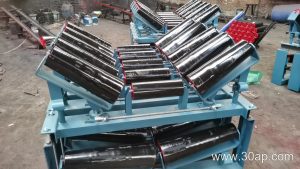
An upper self-aligning idler is a carrying-side idler designed to keep a conveyor belt centered as it moves. Unlike a fixed troughing idler, this idler sits in a rotating frame that responds to belt misalignment, steering the belt back toward the centerline before edge damage or spillage occurs. On a bulk material conveyor, the idler roller works together with the conveyor bracket and frame to correct small tracking errors continuously.
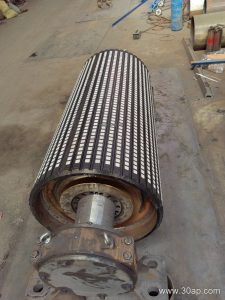
Because it is a carrying-side component, the upper self-aligning idler should not be confused with return-side tracking idlers or with conveyor pulleys. Drive, tail, and bend pulleys are separate components with different functions and are not interchangeable with idlers. A friction self-aligning idler and a tapered self-aligning idler are variations of the same tracking concept, and a plain troughing idler remains a fixed-position carrying idler.
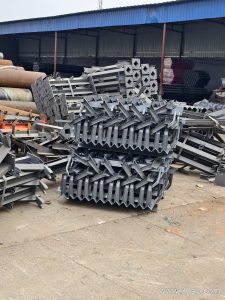
How the Assembly Is Built
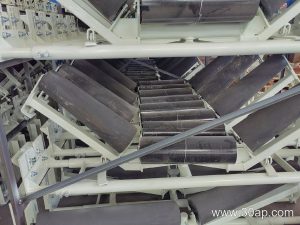
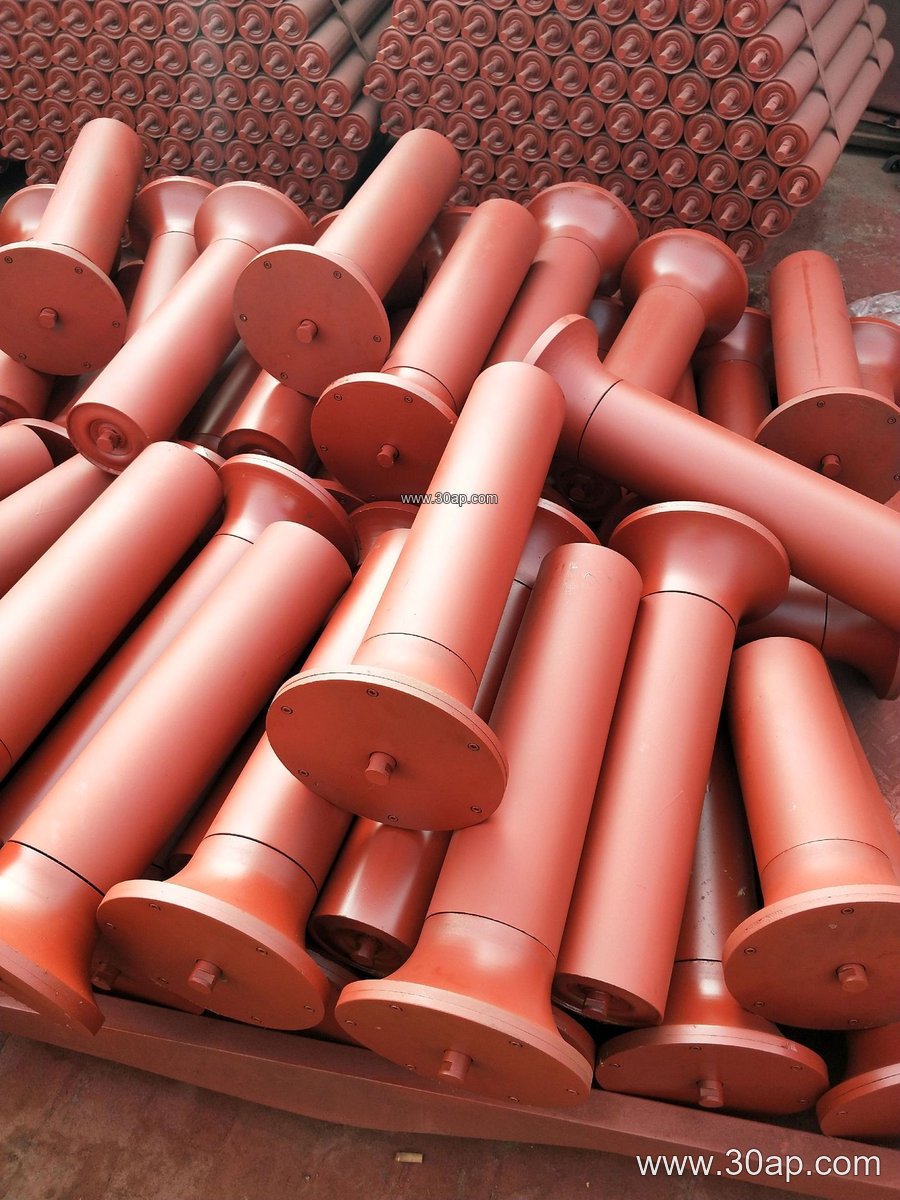
A typical upper self-aligning idler uses a three-roll troughing set mounted on a pivoting base. The rolls rotate in sealed bearing housings, often with 6204, 6205, 6305, 6306, 6308, or 6310 bearings depending on load and roll diameter. Common roll diameters include Ø89, Ø102, Ø108, Ø127, Ø133, and Ø159 mm, though the final choice follows belt width, capacity, and design load.
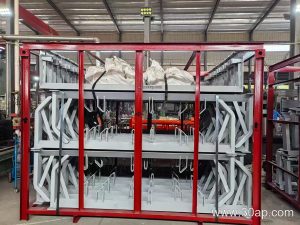
The roll surface may be steel tube, nylon, ceramic, or rubber rings. Rubber rings are useful on impact-heavy loading zones, while ceramic or nylon surfaces can help in wet or sticky service. The frame is usually a steel bracket assembly with a central pivot, and the rolls are set at a trough angle such as 20, 30, 35, or 45 degrees. Many designs use a slight forward tilt of about 1.5 to 2 degrees to improve self-centering action.
Sizing and Common Reference Values
Roll length changes with belt width, trough angle, and the idler set arrangement. The values below are common examples, not fixed rules, and the side rolls may differ from the center roll.
- B500: center roll around 200 mm
- B650: center roll around 250 mm
- B800: center roll around 315 mm
- B1000: center roll around 380 mm
- B1200: center roll around 465 mm
- B1400: center roll around 530 mm
- B1600: center roll around 600 mm
- B1800: center roll around 670 mm
- B2000: center roll around 750 mm
Belt widths from B400 up to B2400 mm appear in bulk handling systems, and the idler frame should be matched to the actual belt width and conveyor layout. The idler roller is selected with the load, belt speed, and material characteristics in mind.
Where It Is Used
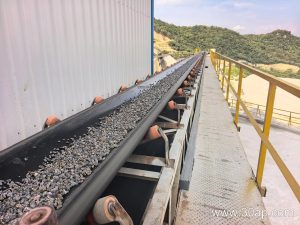
Upper self-aligning idlers are common in quarry and limestone operations where long conveyors carry uneven rock loads. They also appear in coal handling and power plant coal yards, where belt wander can cause edge wear and material spillage. In cement plants and aggregate lines, the idler helps hold the belt steady through transfer points and curves.
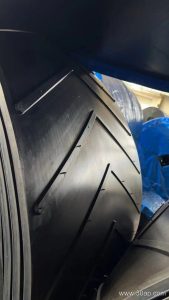
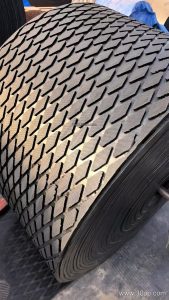
Heavy-duty mining conveyors using abrasion resistant conveyor belt or flame retardant conveyor belt often benefit from tracking idlers at intervals along the carrying run. A steel cord conveyor belt or EP conveyor belt with a wide profile may need careful idler spacing and alignment to avoid edge stress. The idler does not replace a conveyor pulley or a conveyor bracket; it works as part of the complete conveyor structure.
Buyer Checklist
Before ordering, confirm the belt width, trough angle, roll diameter, bearing size, and mounting dimensions. Check whether the frame is fixed or pivoting and whether the rolls use steel, nylon, ceramic, or rubber ring surfaces. Ask how the idler is sealed against dust and water, since dusty quarry or coal yard service shortens bearing life when seals are poor.
Installation matters as much as the part itself. A self-aligning idler should be mounted square to the belt centerline and kept clear of buildup. Inspect roll rotation and frame movement during routine walks, and replace worn rolls before they damage the belt edge. For more conveyor components, including idler roller, conveyor pulley, and conveyor bracket options, match every part to the actual conveyor design rather than to a single nominal size.