What the EP630 Conveyor Belt Is
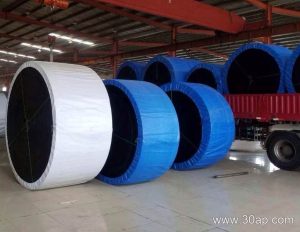
The EP630 Conveyor Belt is a fabric core rubber belt built around polyester warp and nylon weft canvases. In the EP family, the number refers to the nominal tensile strength of the carcass in newtons per millimetre of belt width. EP630 sits in the middle-to-upper range of common EP grades, above everyday EP200 and EP400 belts and below heavier EP800 and EP1000 constructions. It is an EP Conveyor Belt rather than a steel cord or solid-woven product, which matters when a buyer compares tension ratings and splice methods.
The carcass usually contains several plies of EP fabric, commonly two to six layers depending on the duty. Cover rubber is bonded on both faces, and the top cover is generally thicker because it takes the abrasion and impact. Edge construction, skim coats and cover thickness are specified by the manufacturer, so two belts carrying the same EP630 rating can still differ in service life. This is also why an EP Rubber Conveyor Belt should be selected against the actual conveyor duty, not the grade alone.
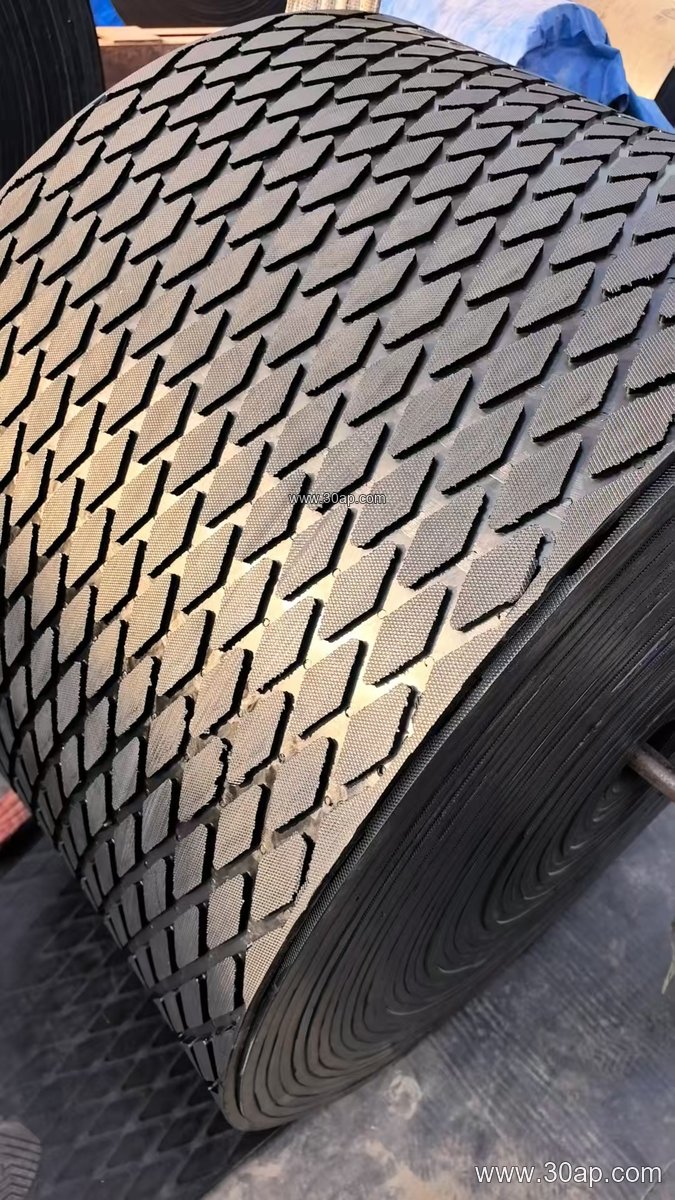
How the Belt Is Built
The polyester-nylon carcass gives low stretch in the running direction and good resistance to tearing and impact. Compared with an NN Conveyor Belt, an EP belt generally shows less elongation under load, which helps where take-up travel is limited. Compared with a Steel Cord Conveyor Belt, the fabric construction is more forgiving of small pulleys, frequent starts and rough loading, though it cannot match the highest tension classes.
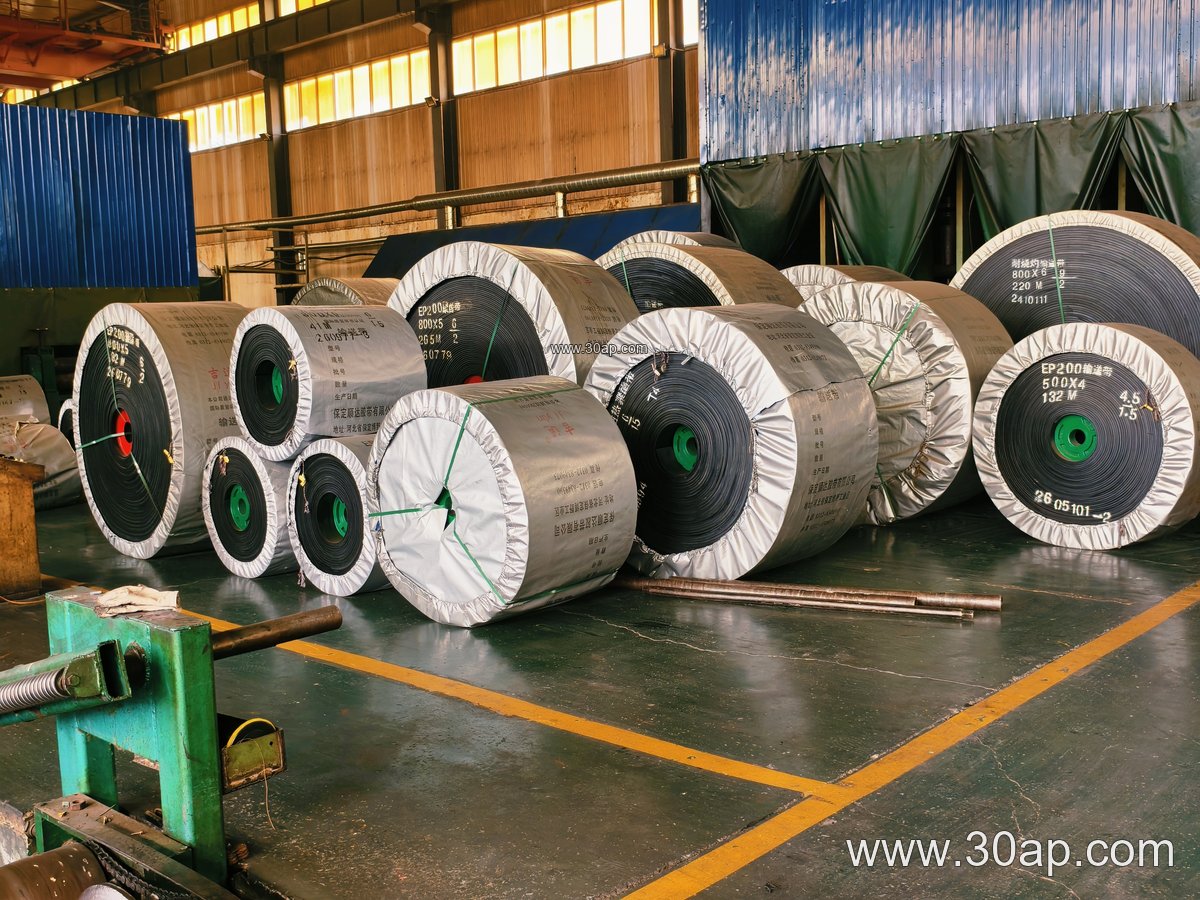
Typical reference data for this grade are shown below. Values are guidance only and should be confirmed against the manufacturer’s data sheet for each order.
| Item | Common reference |
|---|---|
| Grade | EP630 |
| Carcass | Multi-ply EP fabric, usually 3 to 5 plies |
| Cover thickness | 4+2 mm, 5+2 mm or 6+2 mm top and bottom |
| Belt width | B650, B800, B1000, B1200, B1400, B1600 |
| Surface form | Smooth, abrasion resistant, flame retardant, heat resistant |
| Splice | Vulcanised step splice or mechanical fastener, as designed |
Cover compounds decide whether the belt suits a specific environment. An Abrasion Resistant Conveyor Belt cover is common on stone and ore duties, while a Heat Resistant Conveyor Belt cover is chosen for clinker or sinter. Flame Retardant Conveyor Belt and Anti-Static Conveyor Belt versions are often requested for coal handling, and an Oil Resistant Conveyor Belt cover helps where lubricated parts or oily feedstock are present.
Where It Fits in the Plant
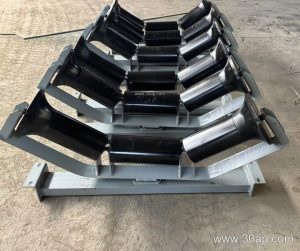
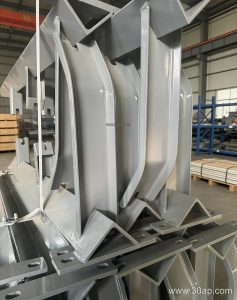
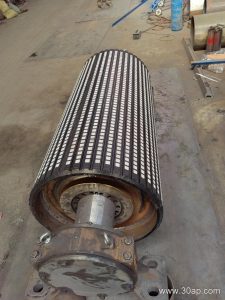
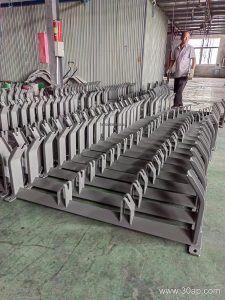
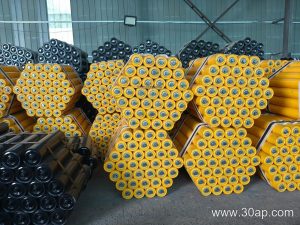
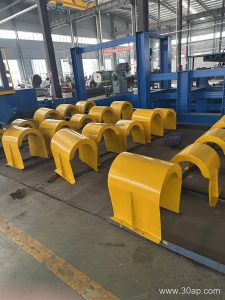
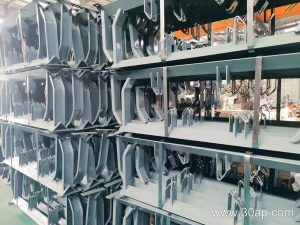
This belt class is widely used in mines, coal preparation plants, cement works, power stations, quarries, sand and gravel yards, steel plants and port loading systems. A typical installation runs on a troughed idler roller set fixed to conveyor brackets, with a conveyor pulley at the drive and tail ends. The belt carries limestone, clinker, coal, coke, crushed rock, aggregate, ore or bulk fertilizer over moderate to long distances.
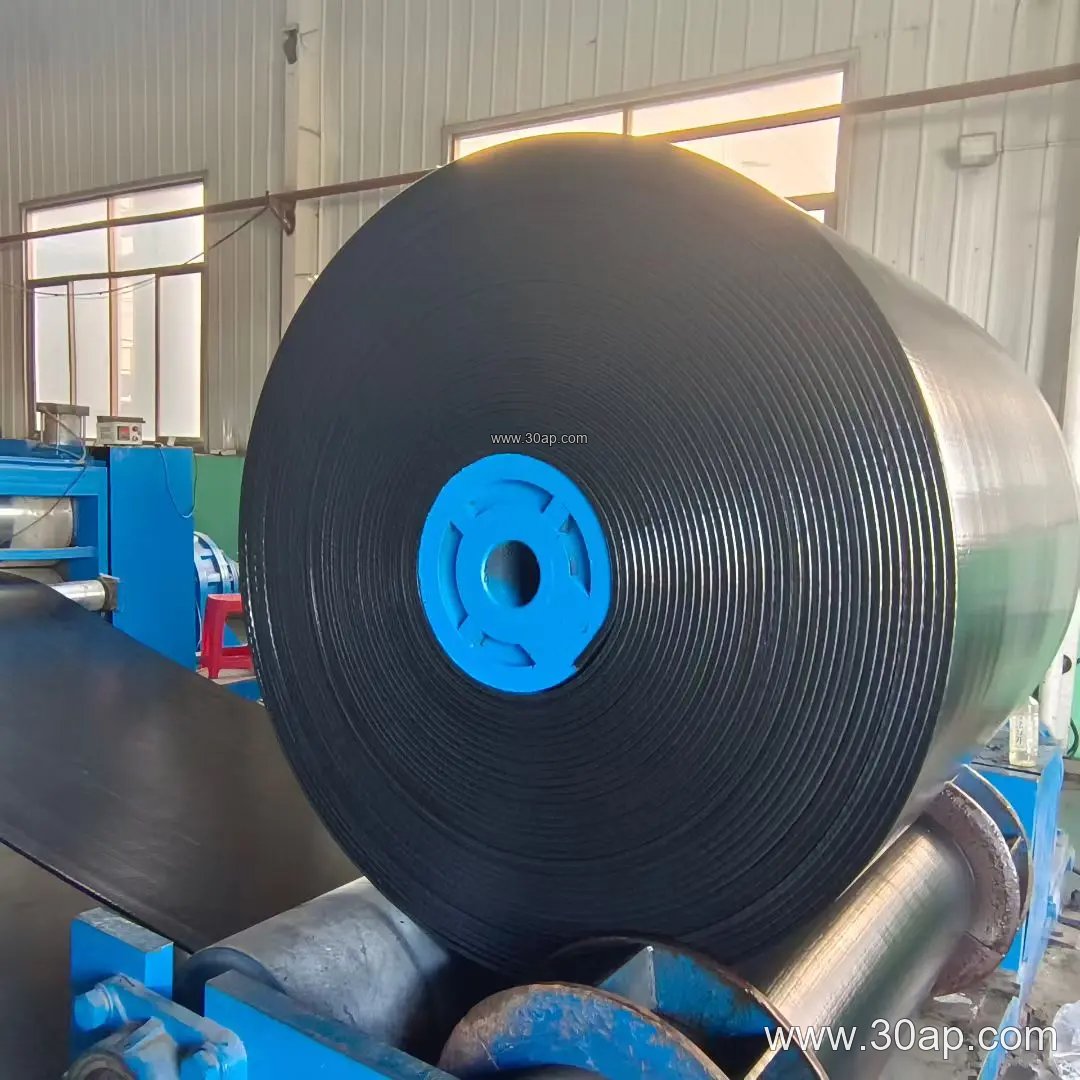
In a quarry or crusher circuit, a belt of this grade often works after primary crushing, where lumps are still heavy but the conveyor length is moderate. In a cement plant it may feed raw meal or clinker, and in a coal yard it may run as part of a Coal Mining Conveyor Belt system with fire-resistant covers. For steep inclines, a Chevron Conveyor Belt or Corrugated Sidewall Conveyor Belt is a separate design choice, not a substitute for a flat EP630 belt on a standard troughed line.
Selection Points for Buyers
- Check the calculated maximum belt tension against the EP630 rating with a safety margin, and confirm the ply number and cover thickness with the supplier.
- Match cover grade to the material: abrasive rock, hot clinker, oily scrap or coal with flame retardant requirements each call for a different compound.
- Confirm belt width, pulley diameters and transition distances together. A wider belt does not automatically require a larger pulley, and shaft size must come from the conveyor design, not from belt width alone.
- State the splice method early. A vulcanised step splice usually gives a smoother joint and longer life than mechanical fasteners on high-tension lines.
- Ask for the actual data sheet, including carcass plies, cover thickness and allowable tension, rather than relying on the grade number.
For users comparing alternatives, an EP Conveyor Belt of this class balances strength, flexibility and cost against heavier steel cord belts and lighter NN belts. Buyers sourcing through a bulk handling supplier should request the full specification, including cover grade and edge type, so the belt matches the conveyor pulley, idler roller and bracket layout already installed on site.