What an Underground Coal Mining Conveyor Belt Has to Handle
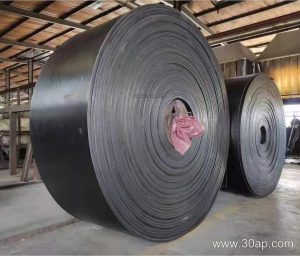
An underground coal mining conveyor belt is the load-carrying element of a haulage system that moves cut coal from a working face or transfer point to a shaft, drift, or surface stockpile. The environment is the hard part. Space is tight, ventilation is limited, dust and moisture are constant, and the material may arrive in lumps rather than a steady stream. A belt that performs well on a surface yard may fail quickly underground if it is not chosen for these conditions.
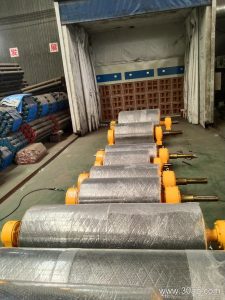
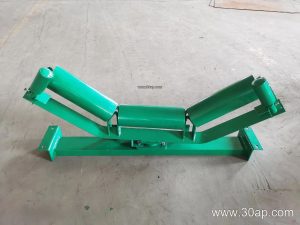
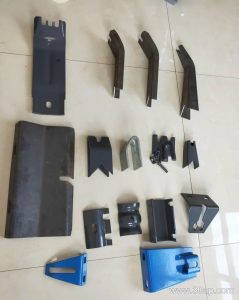
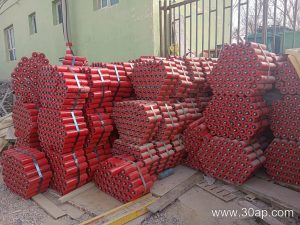
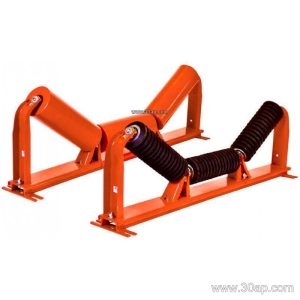
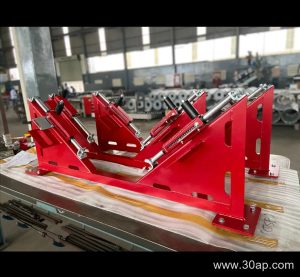
The same product is often called an underground conveyor belt or a coal mining conveyor belt. Those names describe the duty, not a different item. The belt still runs over idler rollers, wraps drive and tail pulleys, and is held by conveyor brackets, but the specification usually leans toward flame resistance, low static build-up, and cut and tear resistance.
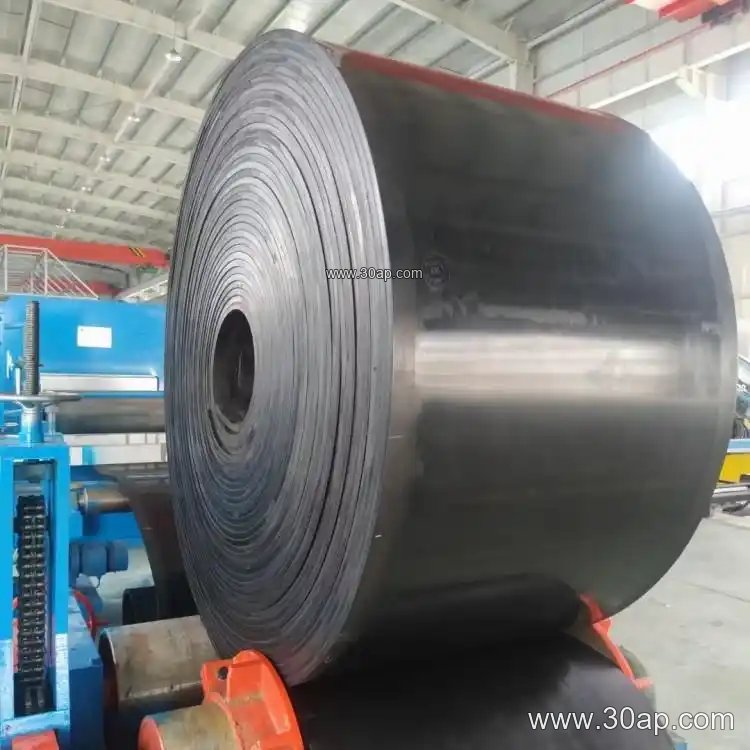
Construction Details That Matter
Most underground coal service belts are fabric-cored. A multi-ply fabric core gives flexibility for small pulleys and tight bends, while an EP conveyor belt or NN conveyor belt carcass provides strength with moderate stretch. Where the route is long and tension is high, a steel cord conveyor belt may be considered, but a stiffer carcass needs larger pulley diameters and careful alignment. PVC and PVG conveyor belts are also common underground because the cover compounds can be formulated for flame retardancy and anti-static performance.
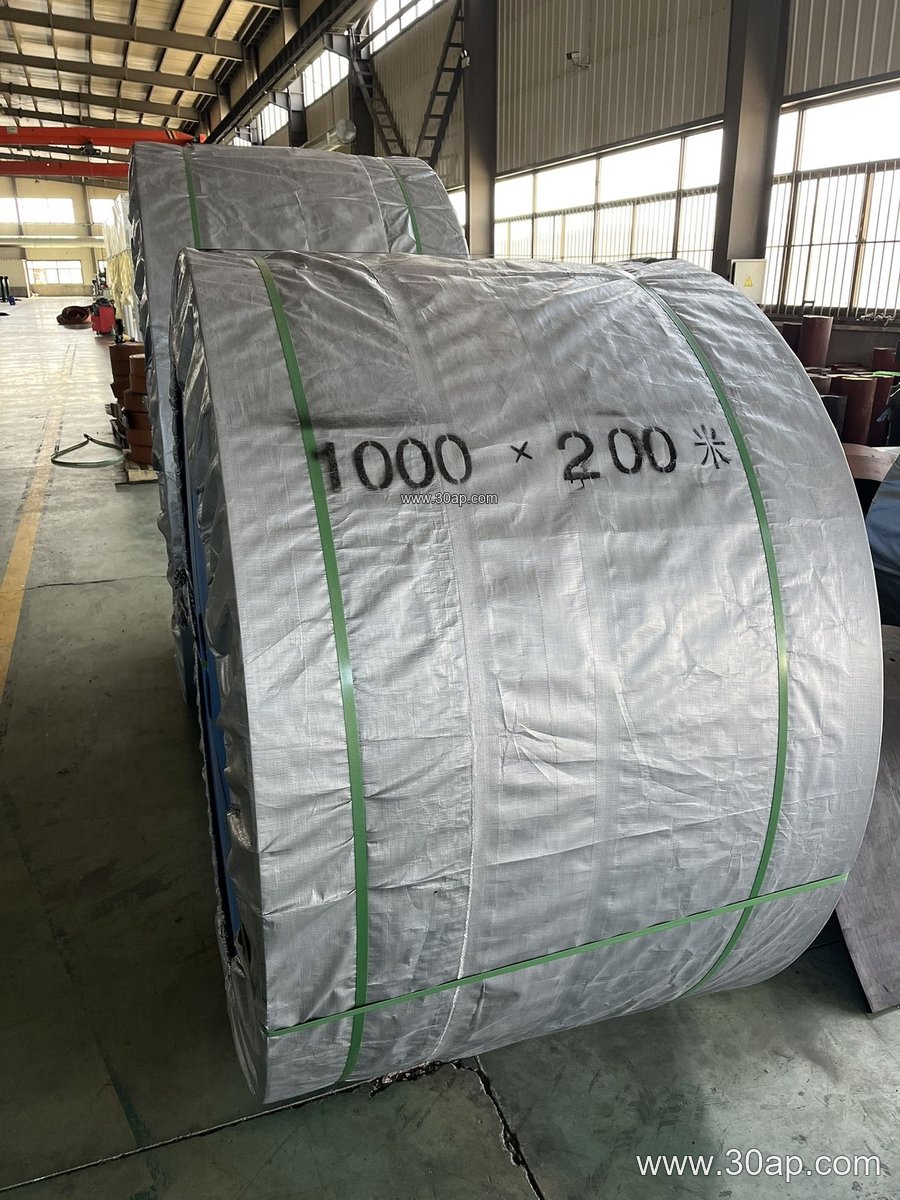
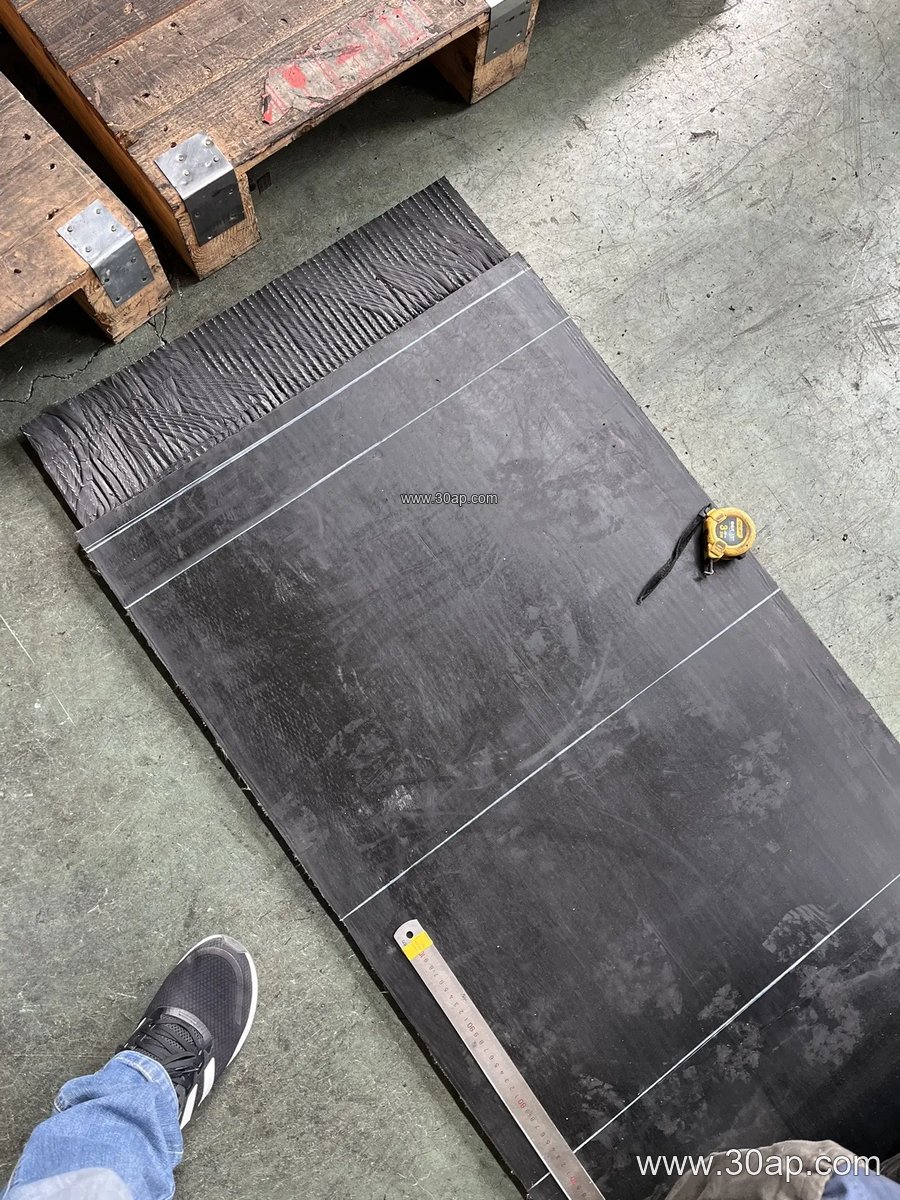
Cover thickness is usually stated as top plus bottom, for example 4+2 mm or 6+2 mm, with carcass layers commonly between two and six. These are design choices, not fixed rules. A thin cover over a heavy carcass suits clean, fine coal; a thicker cover suits run-of-mine coal with rock inclusions.
Common reference values
| Item | Typical range | Note |
|---|---|---|
| Belt width | B650, B800, B1000, B1200, B1400 | Selected by tonnage and lump size |
| Fabric strength grade | EP200 to EP1000 | Higher grades for longer runs |
| Cover thickness | 4+2 mm, 5+2 mm, 6+2 mm | Wear and impact dependent |
| Ply count | 2 to 6 layers | Balanced against pulley size |
Where It Fits in the Mine
Face conveyors, gate roads, trunk haulage, and incline drifts all use this belt type, though the duty differs. A gate road may need a narrower belt with good troughability; a trunk conveyor may use a wider, heavier construction. In coal preparation plants and power plant coal yards, similar belts handle washed coal and fuel feed, while cement plants, quarries, and sand and gravel operations use abrasion resistant conveyor belts for rock and clinker. The underground coal version usually adds flame retardant and anti-static properties that those surface duties may not require.
For steep inclines, a chevron conveyor belt or corrugated sidewall conveyor belt can prevent rollback, and a skirted conveyor belt helps contain material at transfer points. These are alternatives for specific geometry, not replacements for the main flat belt on a normal run.
Buyer Checklist
- Confirm the required flame retardant and anti-static grade for the mine’s ventilation and electrical classification.
- Match belt width and strength to the actual tonnage, incline, and start-up load, not to a catalogue default.
- Check pulley diameters against carcass flexibility; a thick, stiff belt on a small tail pulley will fatigue.
- Review cover thickness and compound for wet coal, oil carry-over, or heat from nearby equipment.
- Ask how splices will be made, since a vulcanized joint is usually preferred underground.
- Keep spare idler rollers, conveyor pulleys, and brackets in the store so a single seized roller does not stop the face.
Maintenance is mostly alignment and cleaning. Misaligned idlers, built-up coal on return rollers, and uneven loading all shorten belt life more than the belt grade itself. Training the belt, checking pulley lagging, and inspecting the splice regularly will do more for availability than upgrading to a higher strength class without fixing the cause of the wear.
For underground coal work, buy on duty rather than on headline strength. A well-matched EP or PVG belt with the right cover, correct pulley sizing, and disciplined maintenance will usually outperform an oversized belt that is poorly installed.