What a Heavy-Load Conveyor Idler Is
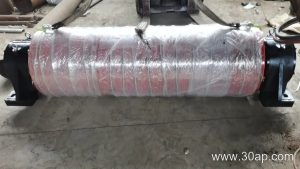
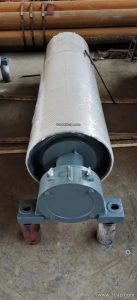
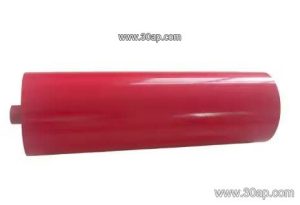
A heavy-load conveyor idler is the rotating support that carries the belt and material in the most punishing sections of a bulk handling system. In practice, it is a reinforced idler roller built with thicker shells, larger shafts, and higher-capacity bearings than a standard roller. The product also appears under the equivalent name heavy-duty conveyor idler, and both terms refer to the same component. The idler does not drive the belt; that is the job of the drive pulley, while the tail and bend pulleys redirect the belt. The idler simply supports the load and keeps the belt tracking smoothly.
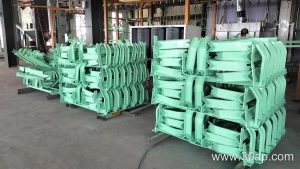
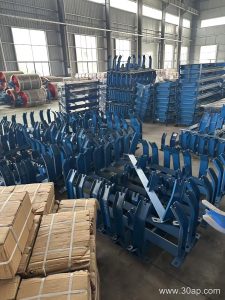
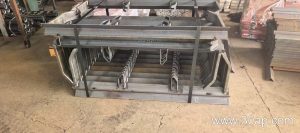
These idlers are common in mines, coal preparation plants, cement works, power station coal yards, and quarry aggregate lines. They are also found on overland conveyors at ports and in crushing and screening circuits where rock and ore arrive in heavy, abrasive lumps. A heavy-load conveyor idler is often paired with a robust conveyor belt such as a heavy-duty mining conveyor belt or an abrasion resistant conveyor belt, and the complete conveyor frame includes the conveyor bracket that fixes each idler station in place.
How a Heavy-Load Conveyor Idler Is Built
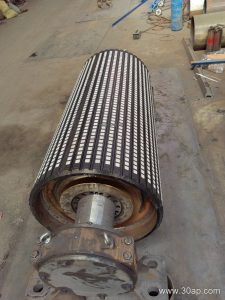
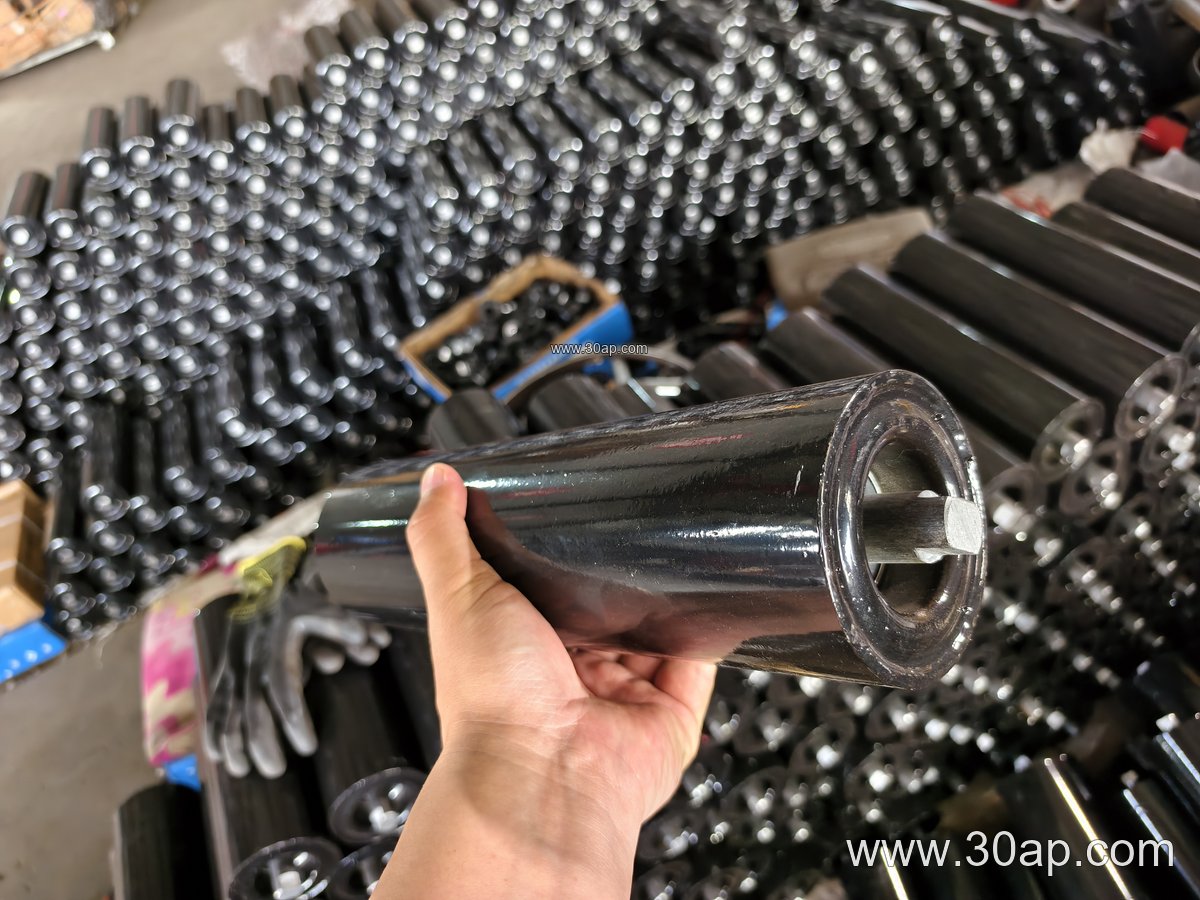
The construction differs from a light-duty roller in several ways. The shell is usually a thick-walled steel tube, sometimes with a rubber or ceramic surface for extra grip or wear protection. The shaft is larger in diameter, and the bearing housing is designed to handle radial loads from deep material beds. Sealing is critical: a heavy-load conveyor idler in a dusty coal yard or a wet quarry needs a labyrinth seal or a multi-stage seal to keep fines out of the bearing.
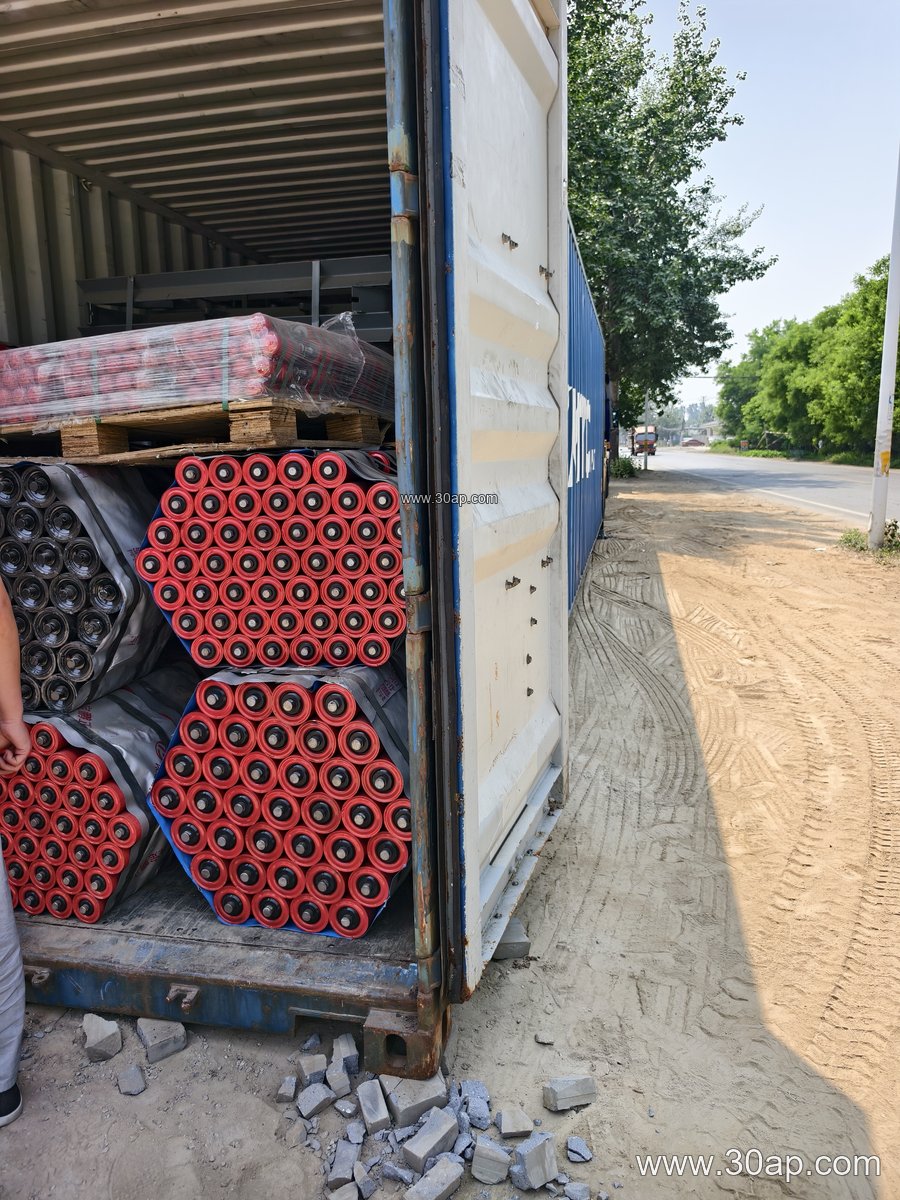
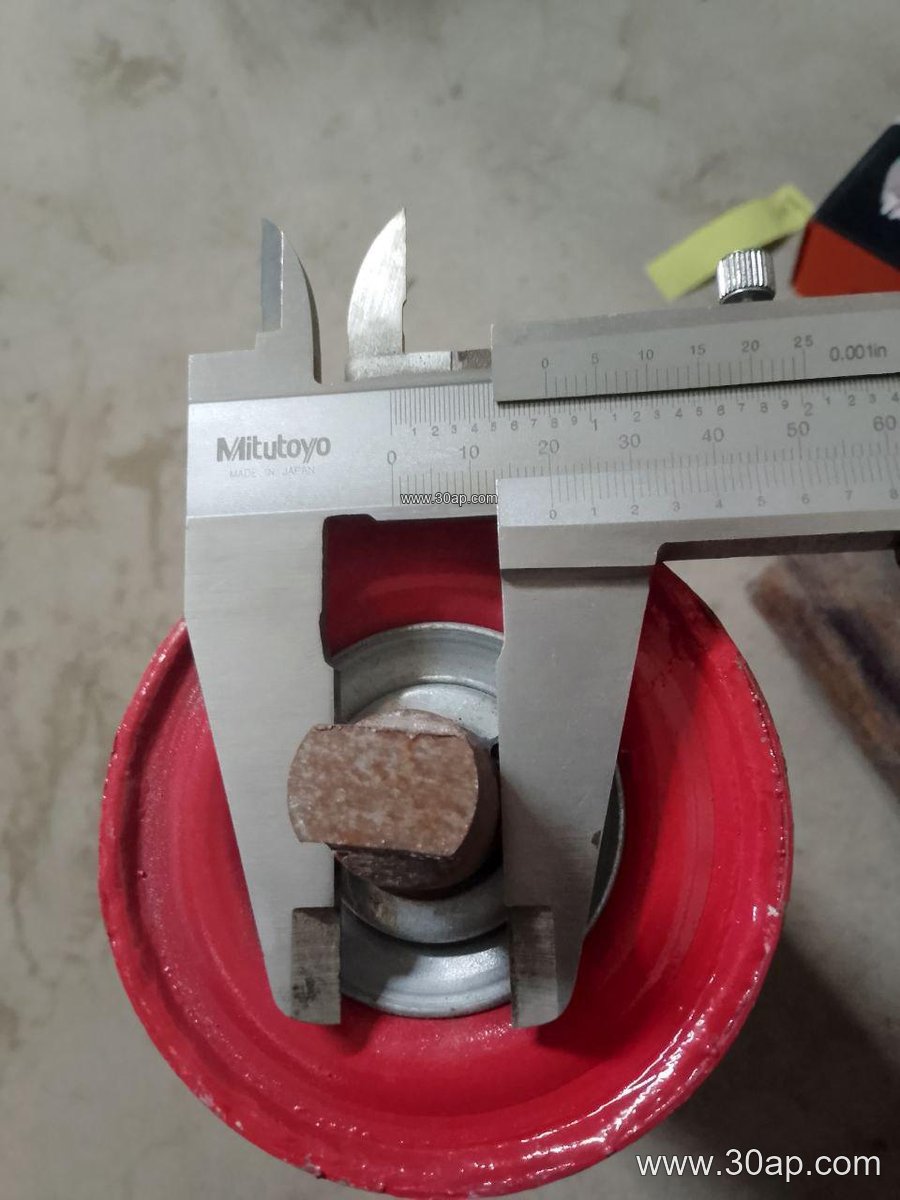
Common bearing sizes for this class of idler include 6205, 6305, 6306, 6308, and 6310, though the exact bearing is selected by the idler manufacturer according to load and speed. Roller diameters typically range from Ø89 up to Ø219, with Ø127, Ø133, Ø159, and Ø178 often seen in heavy-duty stations. These are reference values, not fixed rules. The roller length depends on belt width, trough angle, and the idler arrangement. For a three-roll troughing set, common roller lengths are roughly 200 mm for B500, 250 mm for B650, 315 mm for B800, 380 mm for B1000, 465 mm for B1200, 530 mm for B1400, 600 mm for B1600, 670 mm for B1800, and 750 mm for B2000. Side rollers and center rollers can differ, so these figures should be treated as examples.
Where Heavy-Load Conveyor Idlers Are Used
One typical application is a coal mining conveyor belt system that moves run-of-mine coal from a crusher to a stockpile. The load zone and the curved sections place high stress on the idlers, so heavy-load conveyor idlers are used on the carrying side. Another common site is a limestone quarry where a long overland conveyor carries rock from the pit to the plant. Here the idler must resist abrasion and impact, and it often works with a rubber conveyor belt or an EP conveyor belt that can handle sharp edges.
In a cement plant, heavy-load conveyor idlers support clinker and limestone on belt widths from 800 mm to 1400 mm. In a power plant coal yard, they are used on the coal conveyor belt that feeds the boiler. The same idler type can appear on a pipe conveyor belt system, but the idler geometry is different and should not be confused with a standard troughing idler.
Types and Arrangements That Matter
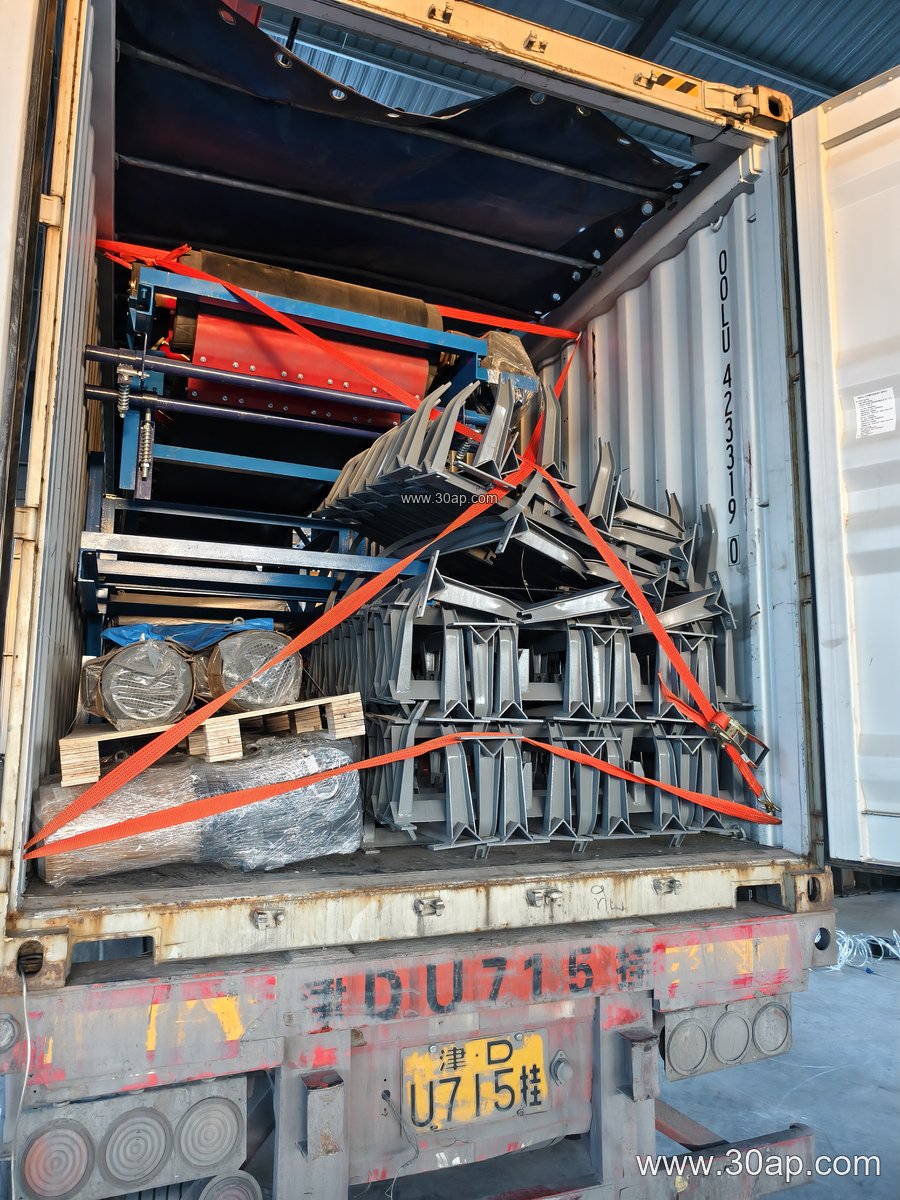
Heavy-load conveyor idlers are not a single shape. The most common arrangement is the three-roll troughing set with a 30 or 35 degree trough angle, which helps center the load. For impact zones under a crusher, rubber-disc impact idlers are used to absorb shock. On the return side, a V-type return idler or a flat return idler may be selected. Transition idlers with a smaller trough angle help the belt move from flat to troughed without stress.
- Troughing idlers: three-roll sets for the carrying side, common trough angles 20, 30, 35, and 45 degrees.
- Impact idlers: rubber-disc or spiral types for load points under a crusher or transfer chute.
- Return idlers: flat or V-type for supporting the empty belt.
- Self-aligning idlers: friction or taper types for keeping the belt centered on long runs.
These subtypes are selected by position and duty, not by belt width alone. A heavy-load conveyor idler can be a troughing idler, an impact idler, or a return idler, but the term always points to the reinforced class of roller.
What a Buyer Should Check
Before ordering, confirm the belt width, the trough angle, and the idler arrangement. Check the shaft diameter and bearing size against the load calculation, and ask for the seal type if the environment is dusty or wet. The roller surface should match the material: rubber for impact, ceramic for high abrasion, and plain steel for general service. Do not assume that one belt width matches one pulley diameter; the drive pulley, tail pulley, and bend pulley are sized separately from the idlers.
For a heavy-load conveyor idler, the quality of the bearing and seal often decides the service life. A well-sealed idler with a thick shell will outlast a cheaper roller in a quarry or a coal yard. Buyers should also check that the idler fits the existing conveyor bracket and that the roller length matches the frame. More information on compatible conveyor belts and idler rollers can be found at www.beltconveyorparts.com, and technical data on conveyor pulleys is available at www.conveyorcomponents.com.