What a 500mm Conveyor Belt Is
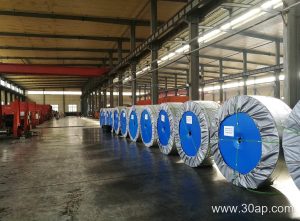
A 500mm conveyor belt is a relatively narrow belt, often designated as B500, used on smaller conveying systems where space is limited or where the material flow does not require a wide carrying surface. It is a complete belt product in its own right, not a trimmed-down version of a larger belt, and it can be supplied in several carcass constructions depending on the duty. Common options include an EP conveyor belt with polyester-polyamide fabric, an NN conveyor belt with nylon fabric, and, for lighter service, PVC or PVG belts. The belt width of 500mm is the nominal carrying width, and the actual cut width and edge condition should be confirmed with the manufacturer.
The same product may also be described as a 500mm wide fabric core conveyor belt or, when steel cord is used, a 500mm steel cord belt. For most 500mm installations, fabric core constructions are the practical choice because the belt runs on relatively small pulleys and the tension demand is modest.
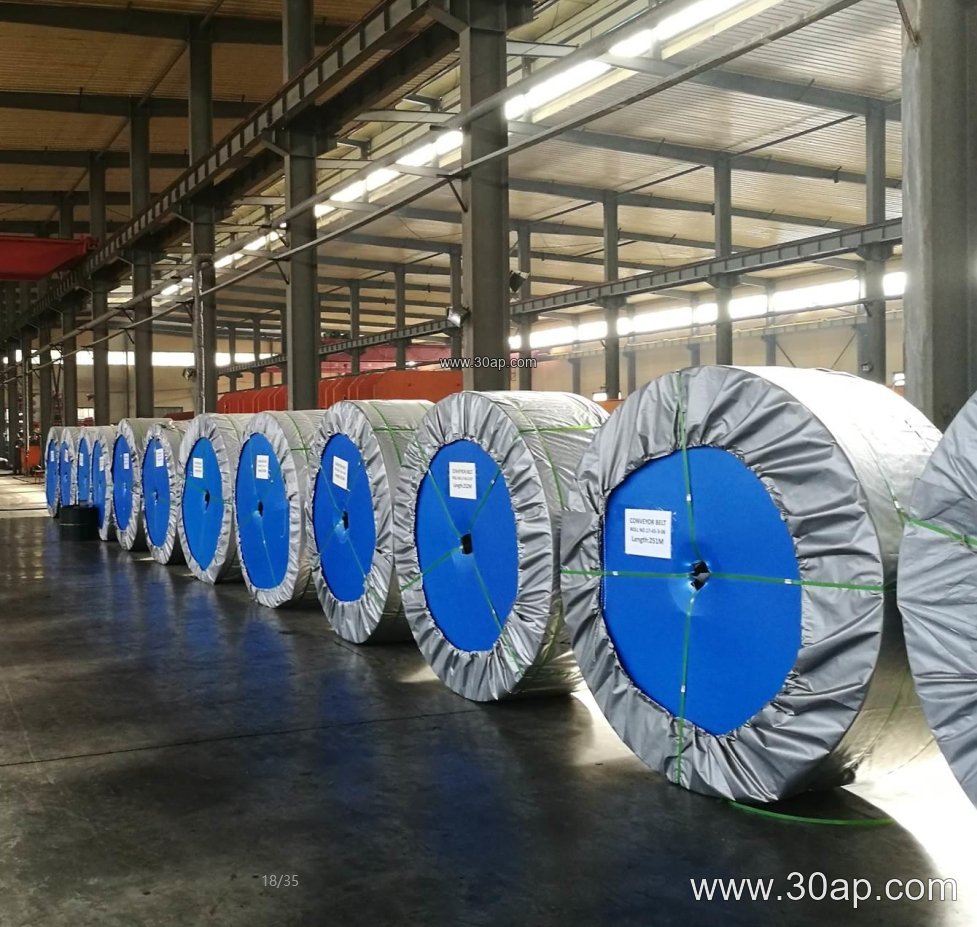
Construction and Typical Specifications
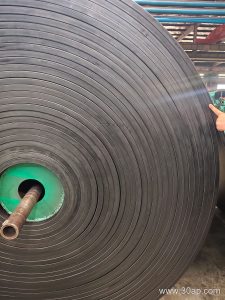
A 500mm belt is built from a carcass, a top cover, a bottom cover, and often an edge treatment. The carcass carries the tension; the covers protect the carcass from abrasion, heat, oil, or moisture. Buyers usually specify the carcass type, the number of plies, the strength grade, and the cover thickness. The following values are common reference points, not fixed supply promises:
Fabric Core Reference Data
| Item | Common Range or Example |
|---|---|
| Belt width | 500mm (B500) |
| Carcass type | EP fabric, NN fabric, multi-ply fabric core |
| Strength grade | EP200, EP315, EP400, EP500; NN100 to NN300 |
| Number of plies | 2 to 5 plies, depending on tension |
| Top cover / bottom cover | 3+1.5mm, 4+2mm, 5+2mm |
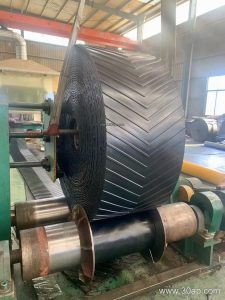
| Surface form | Smooth, chevron, or with corrugated sidewall |
For a 500mm belt, the cover thickness is often kept moderate because the belt runs on smaller pulleys. A thick cover increases stiffness and can affect training on short centers. The pulley diameters, shaft sizes, and idler roller spacing are determined by the conveyor design, not by the belt width alone. A 500mm belt can run on a range of pulley diameters as long as the belt’s minimum pulley requirement is met.
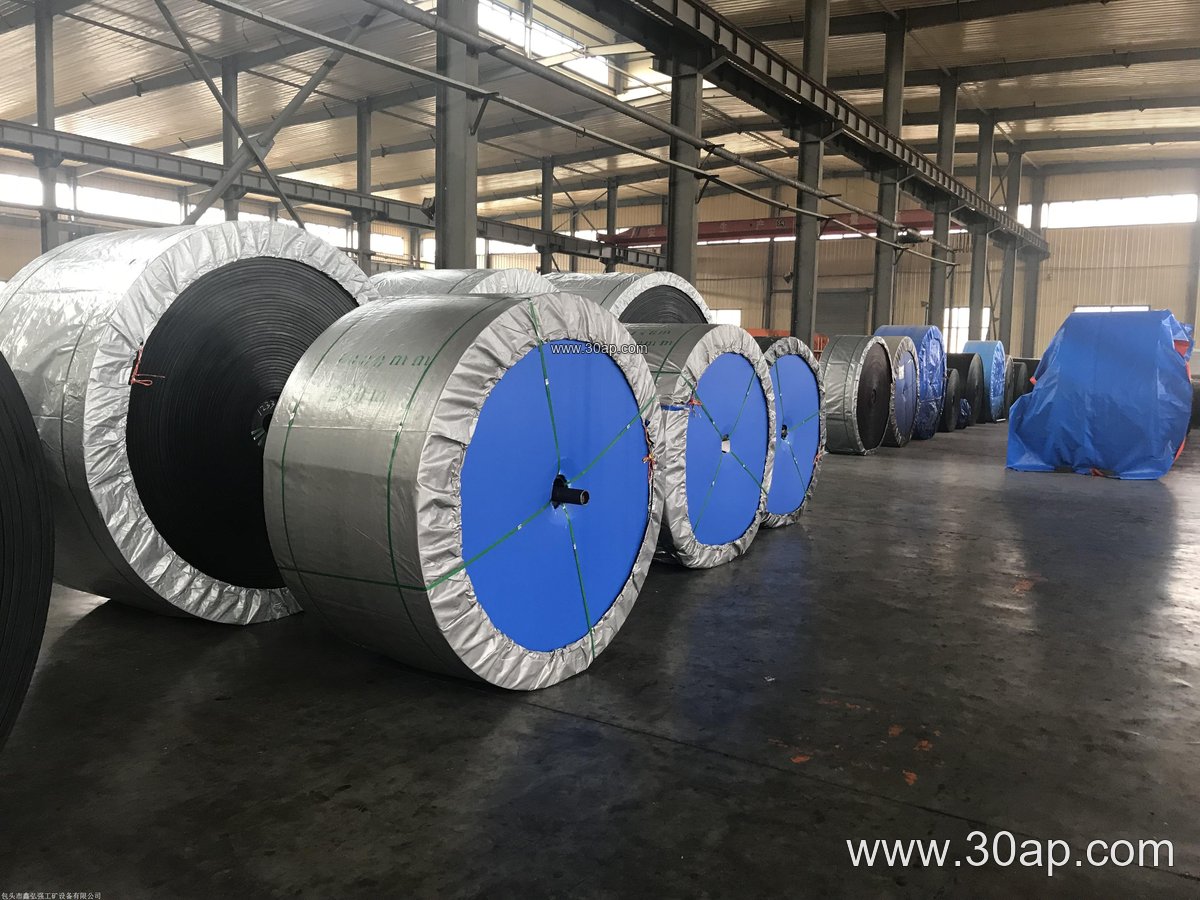
Where the 500mm Width Fits
This width is common in sand and gravel plants, small quarry lines, cement packing areas, and recycling facilities where a compact conveyor moves material between crushers, screens, and stockpiles. It also appears in coal handling auxiliaries, power plant ash systems, and light-duty bulk material lines. In underground mining, a 500mm belt may serve as a secondary or gathering belt rather than a main trunk line.
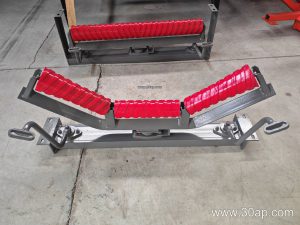
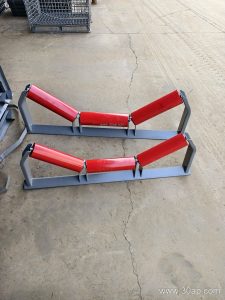
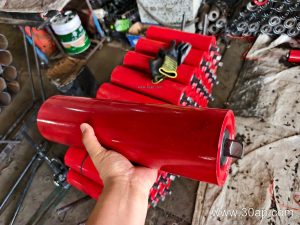
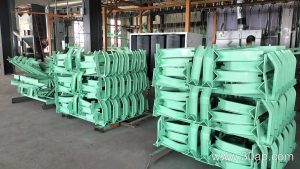
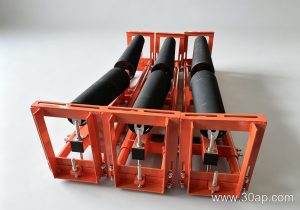
Because the belt is narrow, it suits transfer points with limited headroom and conveyors that must fit into tight plant layouts. It is frequently paired with a conveyor pulley at the drive and tail positions, a series of idler rollers on the carrying side, and a conveyor bracket frame that keeps the whole assembly aligned.
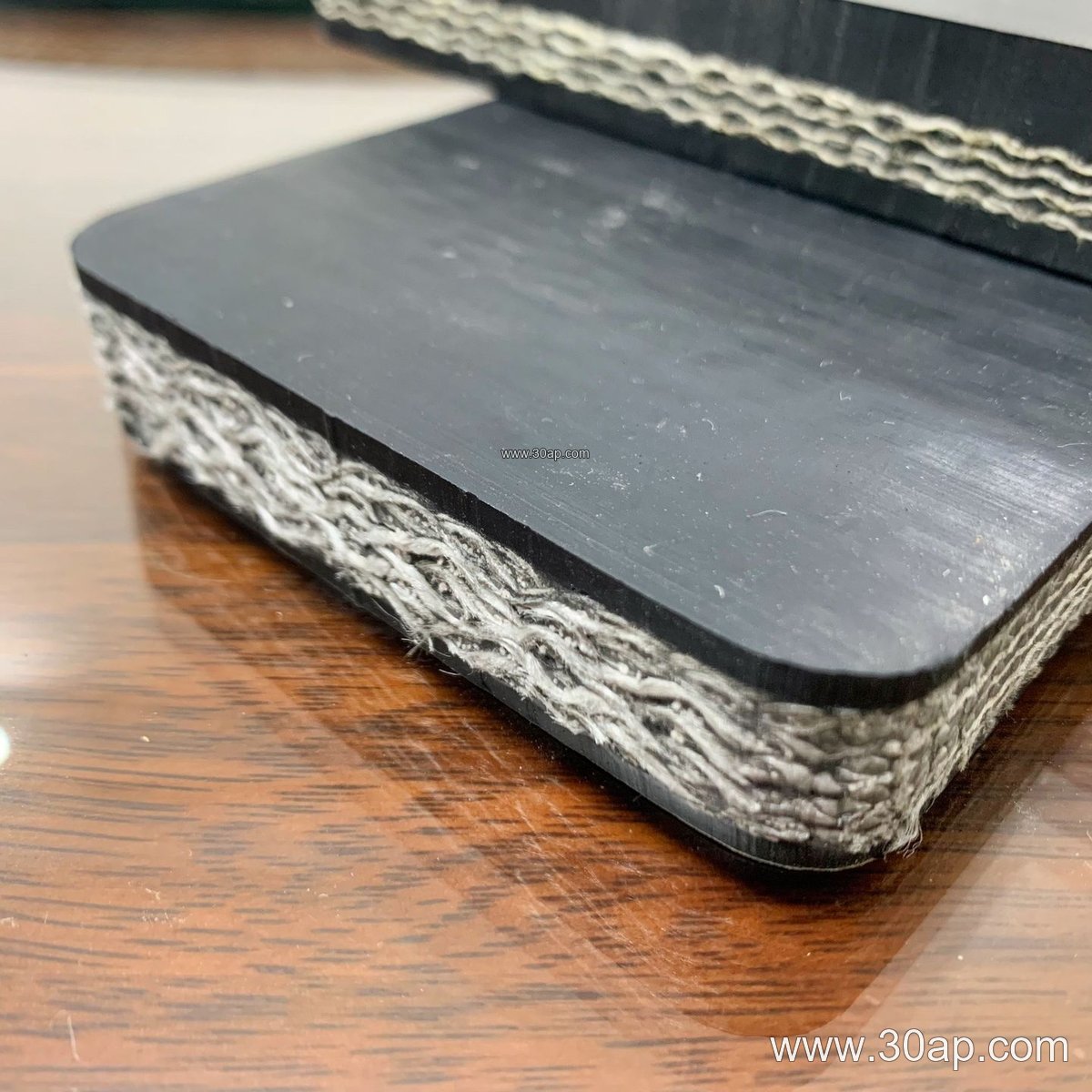
Matching the Belt to the Duty
The right construction depends on the material and the environment. Abrasion resistant conveyor belt grades suit sand, gravel, clinker, and crushed rock. A heat resistant conveyor belt is needed near kilns, dryers, or hot clinker. In coal mining and underground coal mining, a flame retardant conveyor belt or fire resistant conveyor belt with anti-static properties is often specified. For oily scrap or food-related lines, an oil resistant or food grade belt may be appropriate. Cold resistant grades help in freezing climates, while acid and chemical resistant covers protect against corrosive splash.
A chevron conveyor belt or a corrugated sidewall belt can be useful on inclines where material would otherwise slide back. These are surface forms of the same 500mm belt product, not different width classes. Pipe conveyor belt is a separate system and is not a substitute for an open 500mm belt.
Buyer Checklist
- Confirm the actual cut width, not only the nominal 500mm figure.
- State the carcass type and strength grade, for example EP400 or NN200.
- Specify cover thickness and any heat, oil, flame, or abrasion requirements.
- Provide the minimum pulley diameter and the idler roller spacing so the belt can be matched to the conveyor pulley and frame.
- Ask about edge condition, splice type, and whether an endless conveyor belt is required.
- Check that the conveyor bracket and pulley alignment are correct before tensioning.
For plant operators sourcing a 500mm conveyor belt, the practical approach is to treat width as one parameter among several. The carcass, cover, and surface form determine how the belt performs in a specific industry, whether that is a quarry, a cement plant, a power station, or an underground coal mine. Matching those details to the conveyor pulley and idler roller layout is what keeps a narrow belt running straight and lasting through its service life.