What a Four-Roll Idler Bracket Does
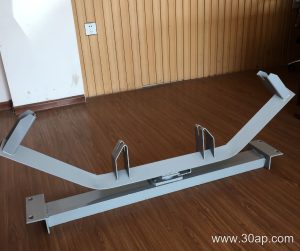
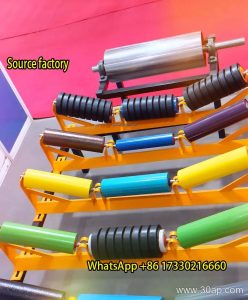
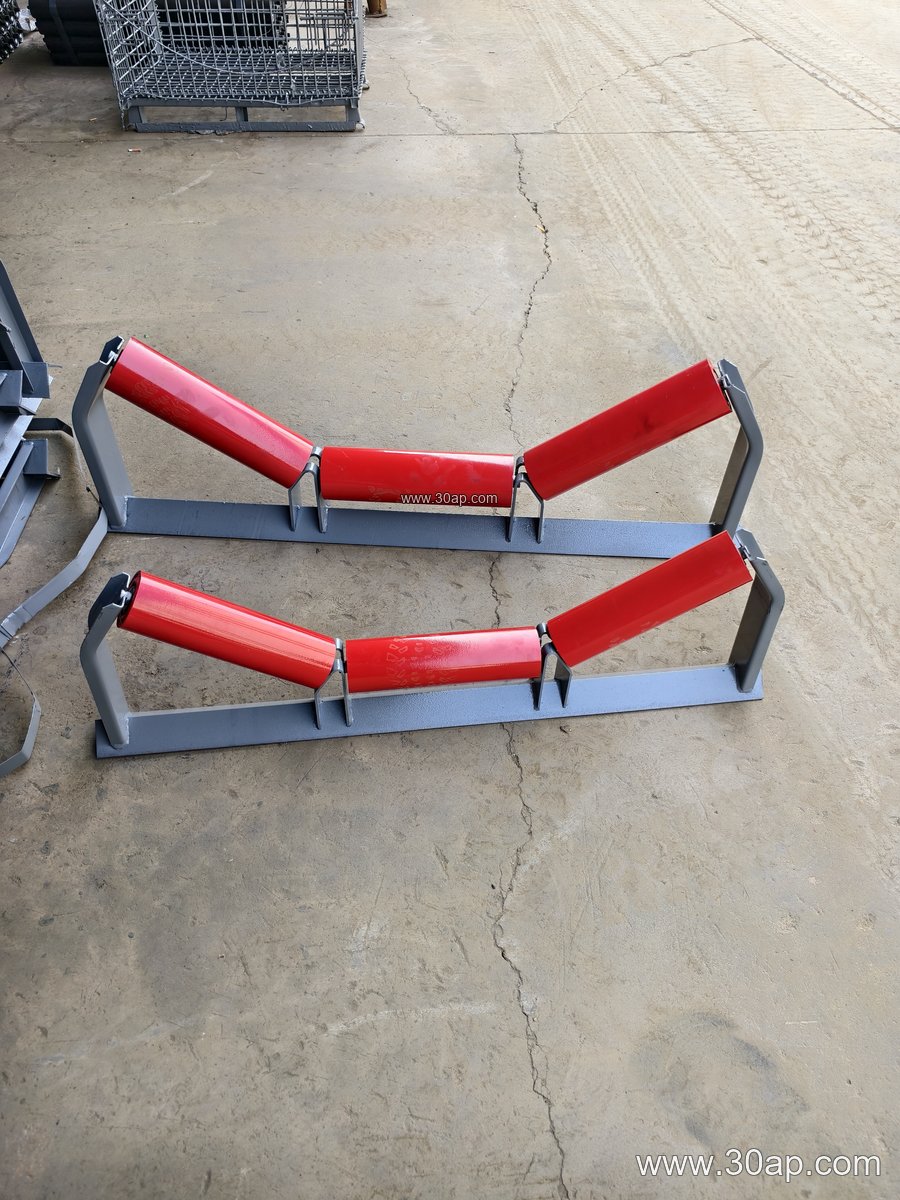
A four-roll idler bracket is a support frame that carries four idler rollers under the belt line. Unlike a standard three-roll troughing set, this bracket uses two outer rolls and two inner rolls to form a deeper, more stable trough. The arrangement spreads the load across more contact points, which helps control belt sag and keeps bulk material centered on wide or heavily loaded conveyors. In a quarry, a cement plant, or a coal handling system, this bracket is often chosen where a conventional three-roll set would struggle with belt width or material surge.
The bracket is part of the upper idler assembly, not the pulley system. Drive pulleys, tail pulleys, and bend pulleys are separate components that transmit or redirect belt tension. The four-roll idler bracket works with the conveyor belt and the idler rollers to shape the belt profile along the carrying side.
Construction and Mounting Details
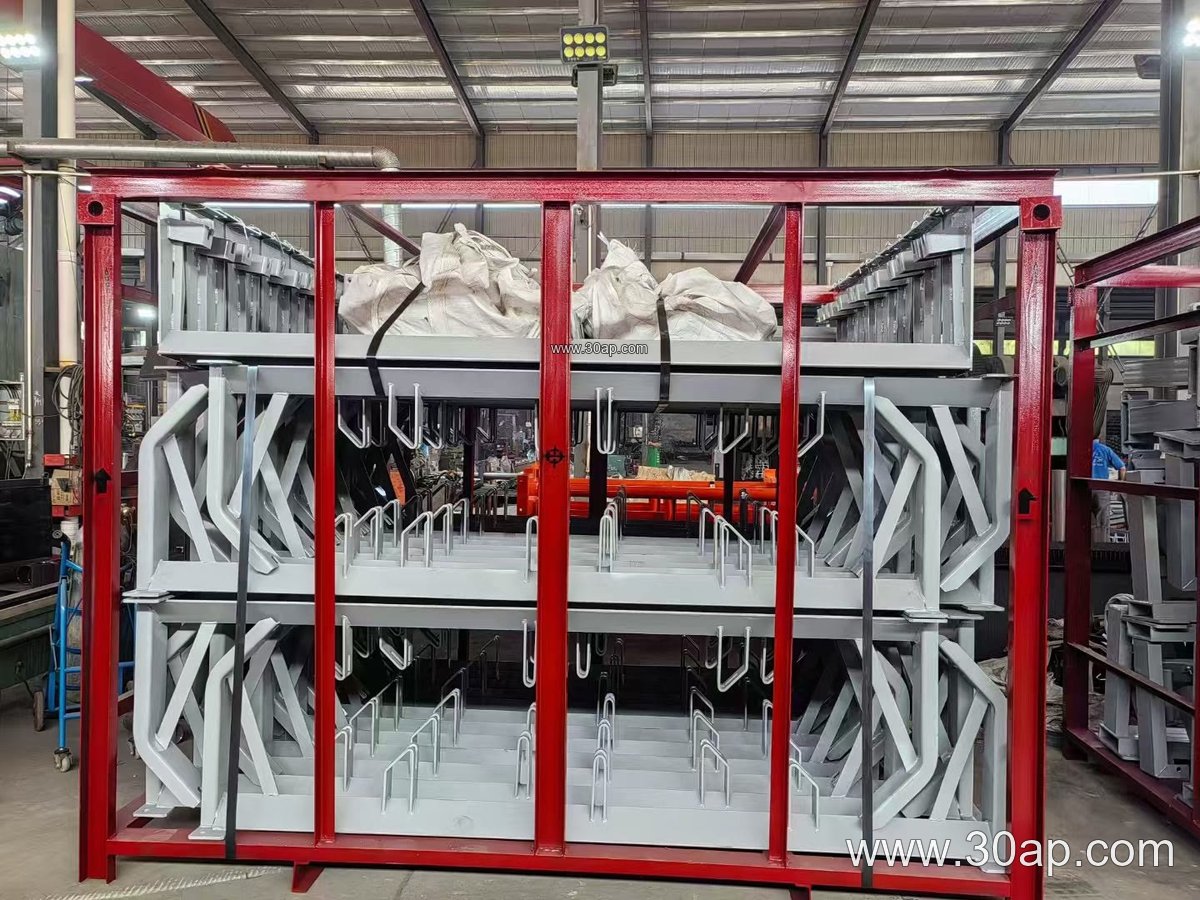
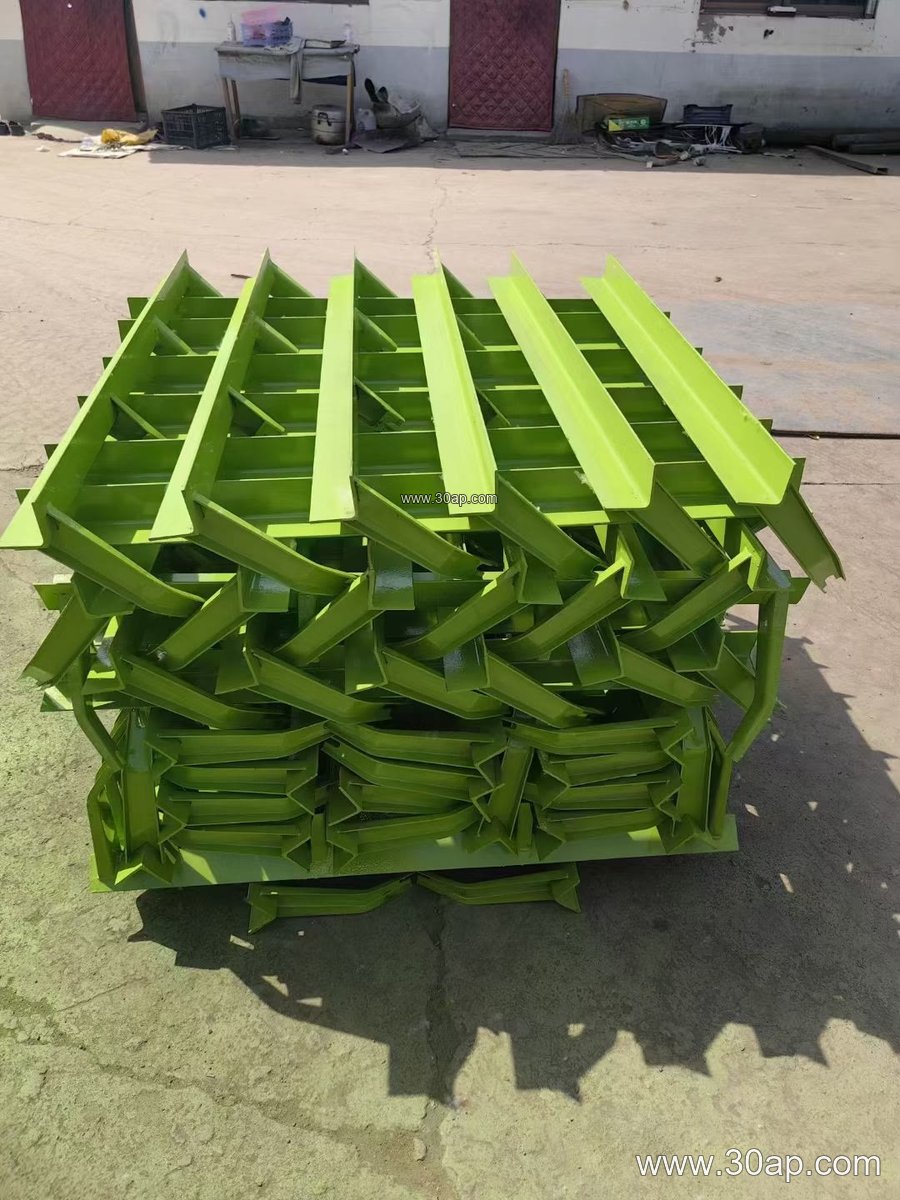
Most four-roll brackets are fabricated from angle steel, channel steel, or folded steel plate. The frame includes mounting slots or holes that align with the conveyor stringer. The roll stations are positioned to create a specific trough angle, commonly 20, 30, 35, or 45 degrees. Adjustable versions allow the trough angle to be changed on site, which is useful when a conveyor handles different material types or when the belt needs fine tracking adjustment.
Typical belt width ranges for this bracket include B500, B650, B800, B1000, B1200, B1400, B1600, B1800, B2000, B2200. Roller diameters often used are Ø89, Ø108, Ø133, Ø159, and Ø194. A common combination might be B800 with a 35-degree trough and Ø108 rollers, or B1200 with a 45-degree trough and Ø133 rollers. These are reference examples, not fixed rules. The mounting hole spacing and crossbeam length change with belt width and trough angle, so they should be confirmed from the conveyor design.
Where It Fits in the Conveyor System
Four-roll idler brackets are used in bulk material handling where belt stability matters. In a limestone mine or aggregate conveyor line, they support the belt after the crusher and before the transfer point. In a power plant coal yard, they help keep a wide belt trained under high tonnage. In a cement plant, they may appear on clinker or raw material conveyors where dust and heat are present. The bracket is also relevant in sand and gravel plants, steel mills, and port loading systems.
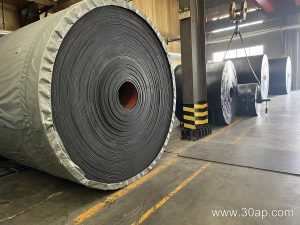
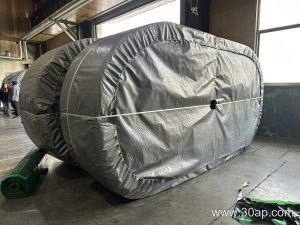
For abrasive or heavy loads, the bracket may be paired with an abrasion resistant conveyor belt or a heavy-duty mining conveyor belt. In underground coal mining, a flame retardant conveyor belt is often required, and the bracket must be selected to match the belt width and roller diameter. The bracket itself does not determine fire resistance, but it must provide stable support so the belt runs without excessive edge wear.
Selection and Maintenance Notes
Buyers should match the bracket to the belt width, trough angle, and roller diameter specified for the conveyor. The bracket should also suit the stringer spacing and the mounting method used on site. For transition zones near a conveyor pulley, a transition idler bracket may be needed instead of a standard four-roll set. For return side support, a V-return bracket or flat return bracket is a different subtype and should not be substituted for the carrying-side four-roll bracket.
Inspect the bracket for loose bolts, bent crossbeams, and worn mounting slots. Replace damaged brackets promptly, because a misaligned frame can cause the idler roller to skew and the conveyor belt to mistrack. Keep the roller stations clean so material buildup does not change the trough profile. When ordering, confirm the belt width, trough angle, roller diameter, and mounting dimensions with the conveyor layout.