What a Construction Industry Conveyor Belt Actually Does
A construction industry conveyor belt is the moving wear surface that carries sand, gravel, crushed stone, cement, recycled concrete and excavated spoil from one processing point to the next. It is not a generic piece of rubber; it is a engineered laminate of cover rubber, fabric or steel reinforcement and a bonding layer, selected around the material being moved and the geometry of the conveyor frame. On a quarry face, a batching plant or a tunnel muck line, the belt is often the component that decides how many tonnes per hour the whole system can sustain.
The same product is also described as a construction conveyor belt or a bulk material conveyor belt. Those are accurate equivalents for this article, but the duty remains specific: abrasive aggregates, variable loading, dust, weather and frequent starts and stops.
How the Belt Is Built
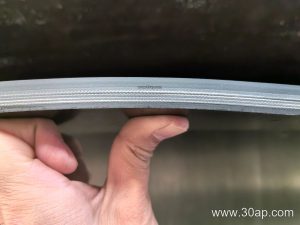
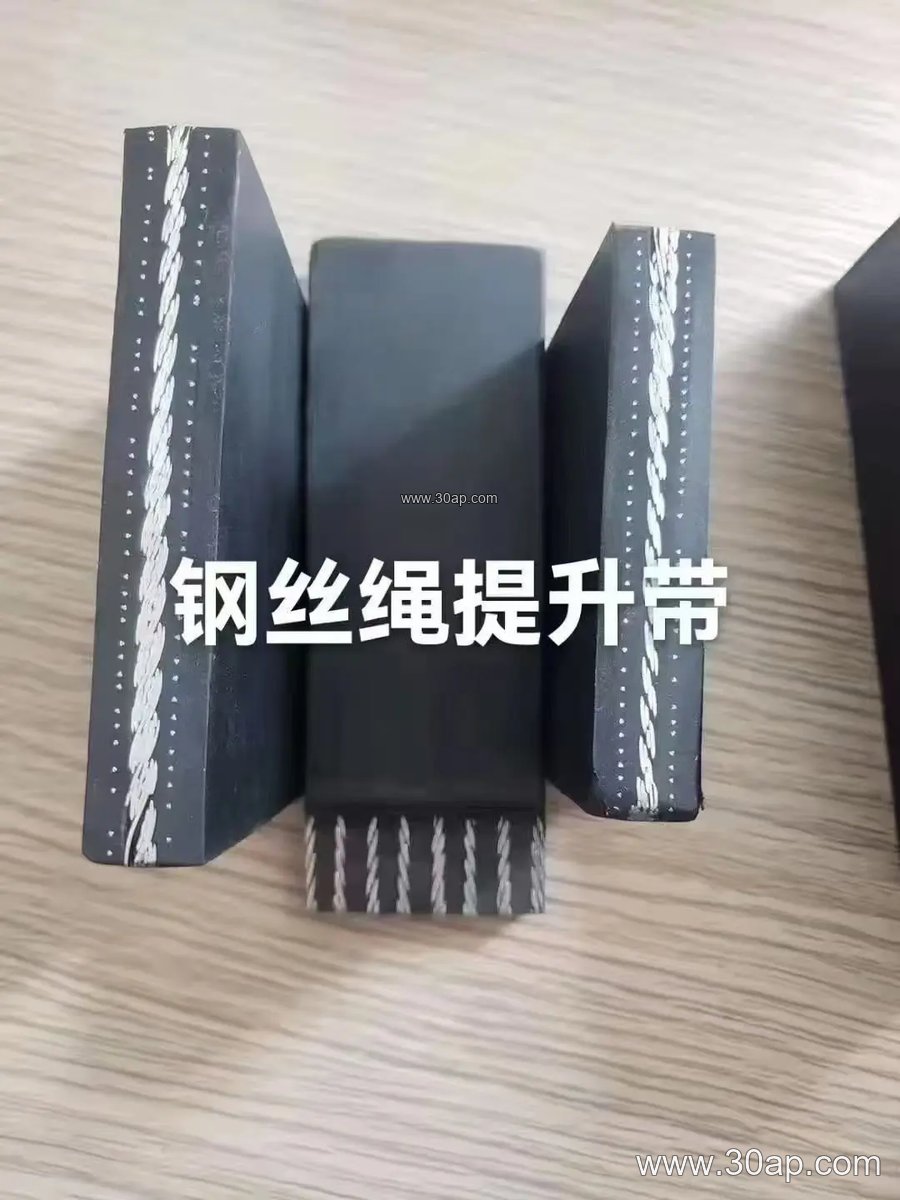
Most belts used in construction are fabric-cored or steel-reinforced. A fabric core conveyor belt uses multiple plies of EP or NN fabric to carry tension, while a steel cord conveyor belt uses brass-plated wires for long, high-tension runs such as overland haulage from a crushing plant to a stockpile. The cover rubber is the part that meets the stone, and its grade matters more than many buyers expect.
- Carcass: EP (polyester-nylon) or NN (nylon-nylon) plies, typically 2 to 6 layers, or steel cord.
- Top cover: abrasion resistant, heat resistant, oil resistant, flame retardant or anti-static grades.
- Bottom cover: usually a thinner abrasion resistant layer that runs over the idler roller and conveyor pulley.
- Edges: cut or moulded, sometimes with a corrugated sidewall or skirted profile for steep inclines.
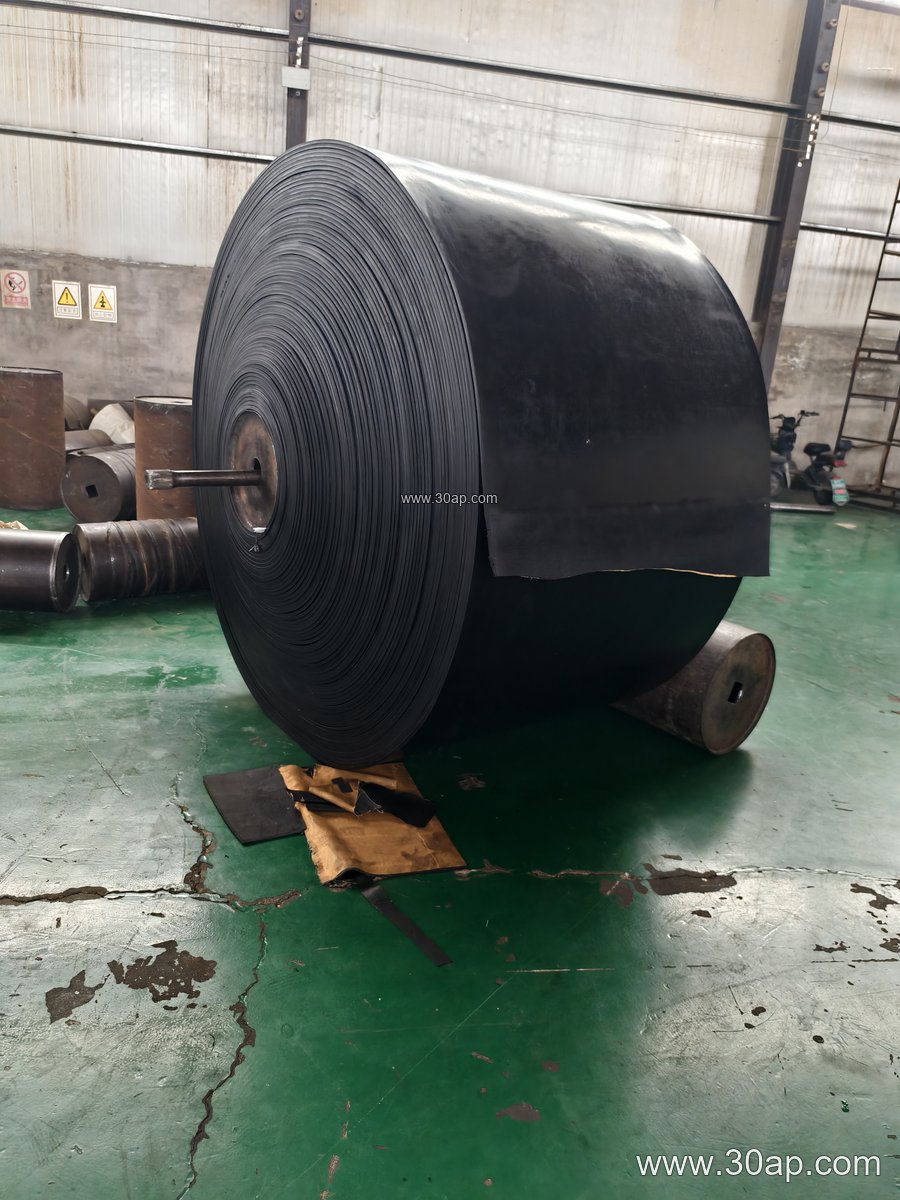
Common cover combinations include 3+1.5 mm, 4+2 mm, 5+2 mm and 6+2 mm, with 8+3 mm used on heavier primary crushing duty. These are reference figures, not universal specifications; the final construction should follow the conveyor design.
Where It Is Used
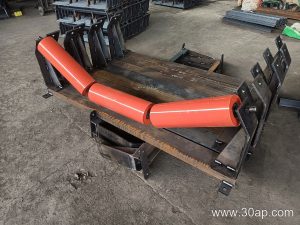
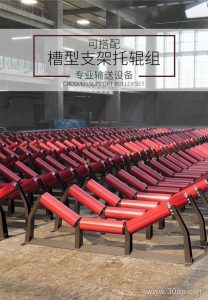
In a sand and gravel pit, an abrasion resistant conveyor belt moves washed aggregate from the screen to the stockpile. At a cement plant, a heat resistant conveyor belt may handle clinker-adjacent material, while a separate line uses a flame retardant conveyor belt in enclosed galleries. Underground coal mining conveyors typically call for PVG or PVC fire resistant grades with anti-static properties, and the belt must work with the conveyor bracket and idler roller set to keep training stable.
Concrete batching plants, recycling yards, power plant coal yards, ports and stone crushing lines all rely on the same family. A chevron conveyor belt or a corrugated sidewall conveyor belt is chosen where the incline is too steep for a smooth surface, and a pipe conveyor belt is used where dust control and a curved route matter.
Common Grades and Reference Sizes
Buyers frequently compare EP and NN belts by tensile strength. The table below shows typical designations; the construction industry conveyor belt for a given line may sit anywhere in this range.
| Grade family | Reference strength | Typical use |
|---|---|---|
| EP200 / EP315 / EP400 | Light to medium tension | Batching plant, screen feed |
| EP500 / EP630 / EP800 | Medium tension | Aggregate and crusher discharge |
| EP1000 / EP1250 | High tension | Long quarry lines |
| EP1600 / EP2000 | Very high tension | Heavy primary haulage |
| ST1000 to ST3150 | Steel cord range | Overland and high-lift conveyors |
Belt widths normally follow the frame: B500, B650, B800, B1000, B1200, B1400, B1600, B1800 and B2000 are common. A 1000mm or 1200mm wide conveyor belt is typical of a mid-size crushing circuit, while a 1800mm or 2000mm wide belt appears on high-capacity port and mine conveyors. Width is matched to the pulley and idler set by the conveyor designer; one belt width does not dictate a single pulley diameter.
What a Buyer Should Check Before Ordering
Start with the material: size, shape, moisture, temperature and chemical exposure. Angular crushed rock at a primary crusher needs an impact resistant and high abrasion resistant cover; hot material needs a heat resistant grade; oily scrap needs an oil resistant belt. Then confirm the carcass strength against the calculated tension, not against a neighbouring line.
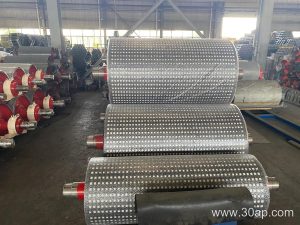
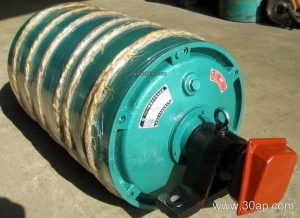
Ask how the belt will be joined. An endless conveyor belt spliced on site avoids mechanical fasteners and suits long runs, but it requires the right vulcanising equipment and trained crew. Check that the conveyor pulley lagging, the idler roller spacing and the conveyor bracket condition are all sound before fitting a new belt, because a worn frame will damage even a premium cover.
Finally, keep spare length and a matching splice kit. A construction site rarely stops at a convenient moment, and a belt that matches the original specification is faster to replace than one re-engineered under pressure.