What the Ø76 Conveyor Idler Is
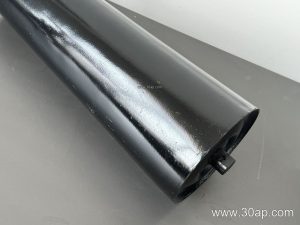
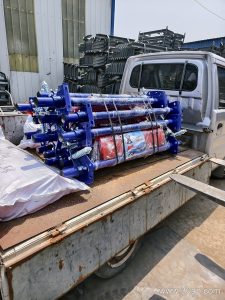
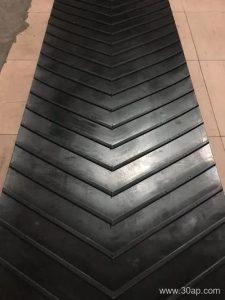
The Ø76 conveyor idler is a carry or return roller with a 76 mm shell diameter, widely used in bulk handling systems to support and guide the conveyor belt. This idler roller sits in a frame or bracket and rotates as the belt moves, reducing friction and keeping the belt aligned. In a typical three-roll troughing set, the Ø76 idler works alongside side rollers to form a trough that holds material on the belt. Because the diameter is moderate, it suits medium-duty conveyors in quarries, sand and gravel lines, and cement plants where a balance between weight and load capacity matters. The idler is often paired with a rubber conveyor belt or an EP conveyor belt, and its selection should match the belt width and the load profile rather than follow a fixed rule.
Construction and Key Components
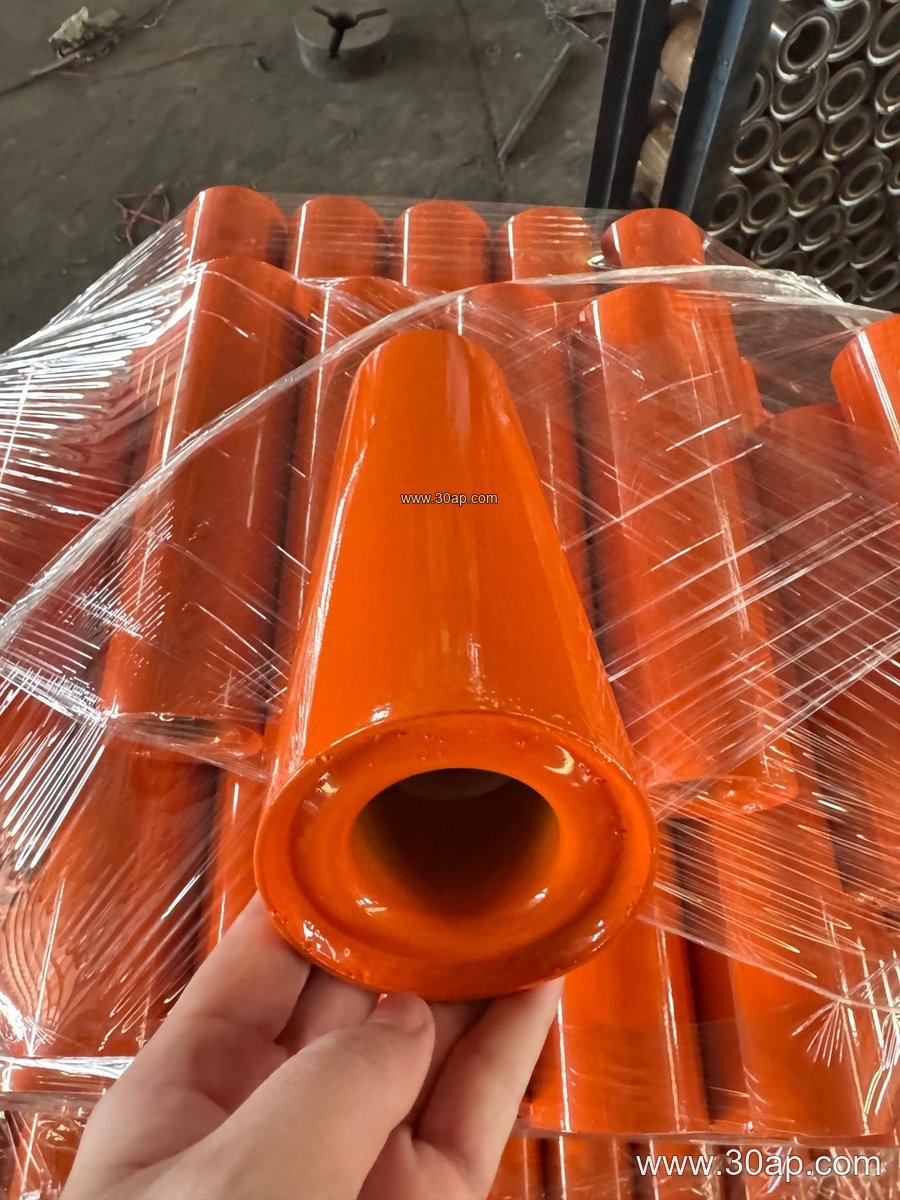
A Ø76 conveyor idler usually consists of a steel tube shell, bearing housings, a shaft, and seals. The shell may be plain steel, nylon-coated, or fitted with rubber rings for impact absorption. Bearings such as 6204, 6205, or 6305 are common in this size range, but the exact bearing is determined by the load and speed requirements of the conveyor. Sealing is critical in dusty environments like coal mining or aggregate handling, where fine particles can penetrate and shorten bearing life. The idler fits into a conveyor bracket or frame, and the assembly must allow free rotation while resisting axial movement. For abrasive materials, a high abrasion resistant conveyor belt may be used together with well-sealed idlers to reduce wear on both components.
Where It Fits in a Conveyor System
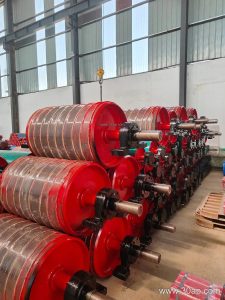
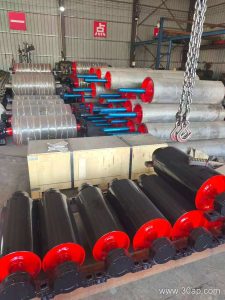
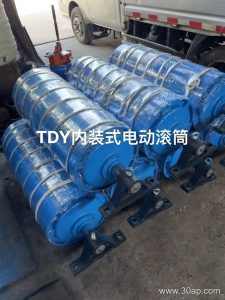
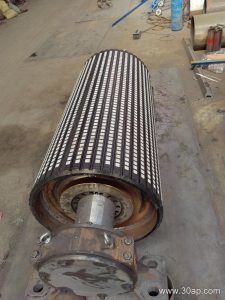
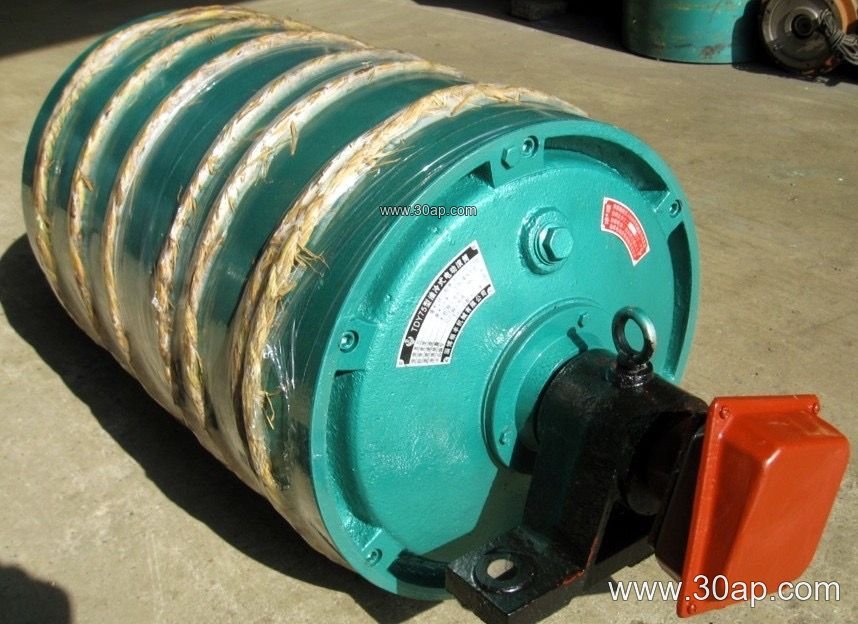
The Ø76 idler appears in several positions along a conveyor. In the carrying run, three-roll troughing sets with 20, 30, or 35 degree trough angles are common; the 76 mm roll diameter is often seen on medium belt widths such as B650, B800, and B1000, although it can also appear on other widths depending on the design. In the return run, flat or V-return idlers with the same diameter help support the empty belt. Transition idlers near the tail pulley or drive pulley may also use this size to ease the belt from flat to troughed. In crushing and screening circuits, impact idlers with rubber rings are sometimes specified at load points to cushion the belt. The Ø76 idler is not a substitute for a drive pulley, tail pulley, or bend pulley; those are different components with distinct functions. A conveyor pulley drives or redirects the belt, while the idler simply supports it.
Typical Applications and Industry Use
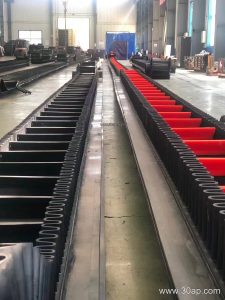
You will find Ø76 conveyor idlers in quarry conveyor belts, aggregate conveyor belts, and crusher conveyor belts where moderate loads and moderate belt speeds are typical. In cement plants, they support clinker and raw material transport. In power plant coal handling, flame retardant conveyor belt and fire resistant conveyor belt grades are often used together with sealed idlers to handle dusty, potentially hazardous conditions. Sand and gravel plants favor this diameter for its reasonable weight and ease of maintenance. In fertilizer and grain handling, smooth idler surfaces help prevent material buildup. The idler also appears in recycling and construction waste lines, where a heavy-duty conveyor belt may run over the same 76 mm rolls. While it is less common in very high-tonnage primary crushing stations that use larger diameters, it remains a practical choice for many secondary and tertiary conveying duties.
Specifications and Selection Notes
When specifying a Ø76 conveyor idler, several parameters should be considered together. The table below lists common reference values; these are examples, not fixed combinations, and final dimensions should be confirmed with the conveyor design.
| Parameter | Common Range or Example |
|---|---|
| Roll diameter | Ø76 mm |
| Belt width examples | B500, B650, B800, B1000, B1200 |
| Roll length for three-roll troughing (example) | B500 about 200 mm; B650 about 250 mm; B800 about 315 mm; B1000 about 380 mm; B1200 about 465 mm |
| Trough angle | 20°, 30°, 35°, 45° |
| Bearing examples | 6204, 6205, 6305, 6306 |
| Shell surface | Steel, nylon, ceramic, rubber ring |
Belt width and idler diameter are not linked by a single rule. A 76 mm idler can be used on several belt widths, and the roll length changes with belt width, trough angle, and frame type. The shaft diameter is determined by load and bearing selection, not by belt width alone. For dusty or wet conditions, seals and bearing protection deserve extra attention. In coal mining conveyor belt systems, anti-static conveyor belt and flame retardant conveyor belt properties may be required, and the idler should be compatible with the overall safety approach. Buyers should also consider the conveyor bracket dimensions to ensure proper fit and easy replacement.
Maintenance and Buyer Checklist
Regular inspection of idler rotation, seal condition, and shell wear helps prevent belt damage and downtime. A seized idler can wear through a belt quickly, especially with an abrasive conveyor belt or a heavy-duty mining conveyor belt. Spare idlers should match the original diameter, roll length, and bearing arrangement. When replacing, check that the new Ø76 idler fits the existing bracket and that the trough angle matches the frame. For impact zones, rubber-ring idlers may extend service life. Buyers should request dimensional drawings and material details, and confirm that the idler is suitable for the site conditions, whether that is a quarry, a cement plant, or a port terminal. The goal is a reliable idler roller that supports the belt without adding unnecessary weight or maintenance burden.