What a Cold Resistant Conveyor Belt Is
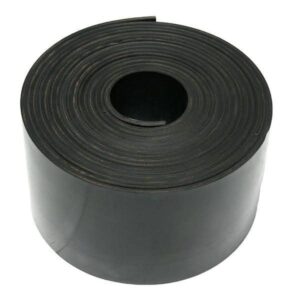
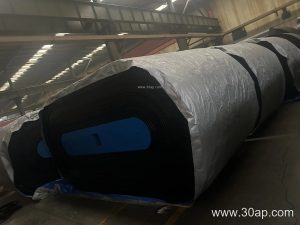
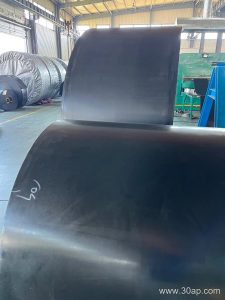
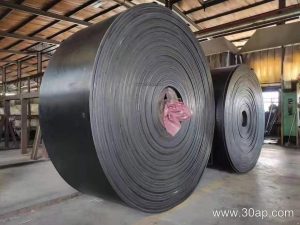
A cold resistant conveyor belt is a fabric or steel reinforced rubber belt engineered to stay flexible when ambient temperatures drop below freezing. Standard rubber compounds stiffen in cold weather, which makes them hard to train on pulleys and prone to cracking at the edges. A belt built for low temperature service uses a rubber compound that keeps a lower brittle point, so it can wrap around a tail pulley and run through a bend pulley without splitting. Buyers often describe the same product as a low temperature conveyor belt or winter grade rubber belt; both refer to the same cold resistant conveyor belt.
Construction and Compound Design
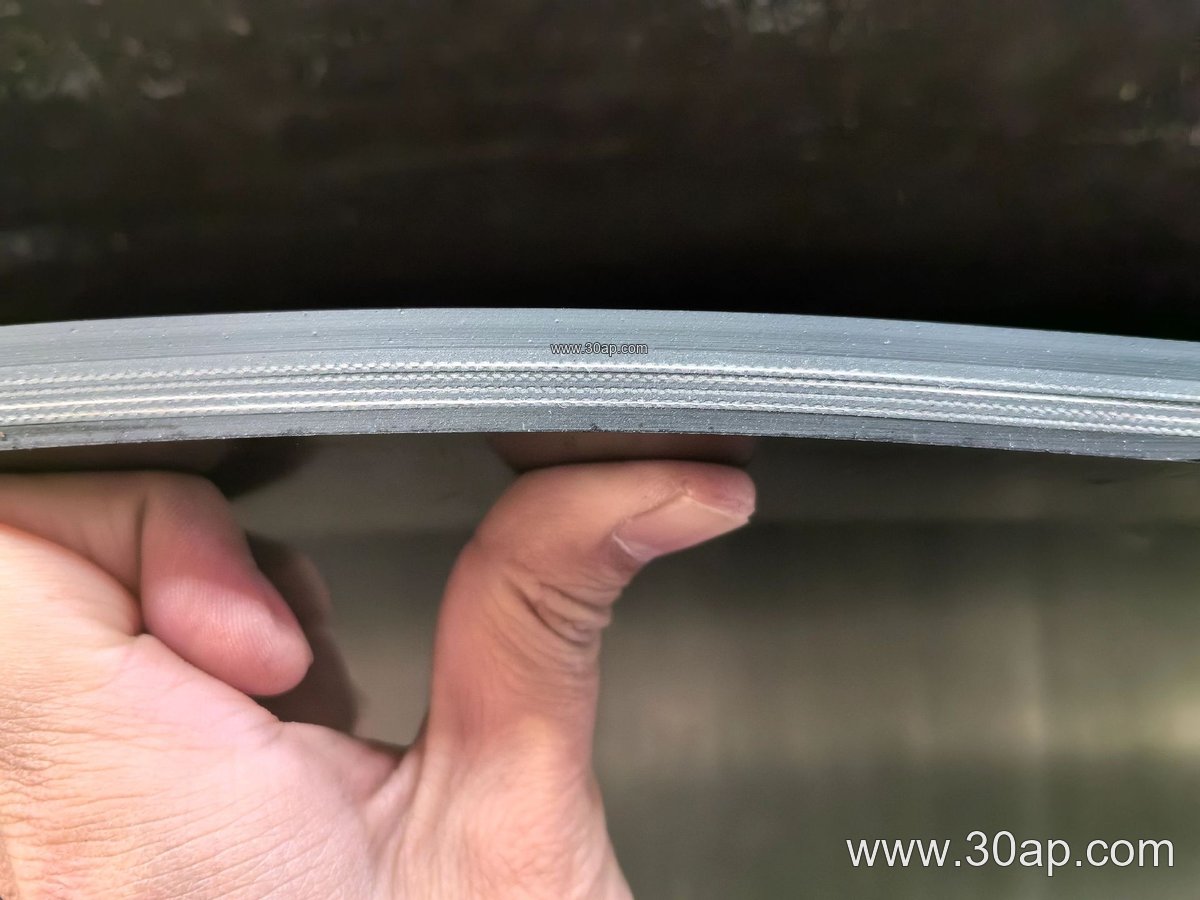
The carcass and the cover rubber both matter. The cover is usually a blend of natural and synthetic rubber with plasticizers chosen to reduce crystallization at low temperature. The fabric core may be EP (polyester warp, polyamide weft) or NN (nylon warp and weft), and the number of plies is set by the duty. A multi-ply fabric core conveyor belt is common in cold climates because the layered carcass tolerates flexing on small diameter bend pulleys better than a very stiff single structure.
For long overland lines, a steel cord conveyor belt can also be supplied in a cold resistant compound, although the splice and pulley geometry need more attention. Cover thickness is normally stated as top plus bottom, for example 4+2 mm or 5+2 mm, and thicker covers help where frozen lumps or sharp ice are present.
Typical construction reference
| Item | Common range (reference only) |
|---|---|
| Belt width | B500 to B2000 mm, with 800 mm and 1200 mm widely used |
| Strength class | EP200 to EP1000 for fabric belts; higher classes by design |
| Cover thickness | 3+1.5, 4+2, 5+2, 6+2, 8+3 mm |
| Ply count | 2 to 6 plies, set by load and impact |
These figures are reference data, not a promise of any particular supply. Actual values are confirmed by design for each conveyor.
Where Cold Resistant Belts Are Used
Open pit mines in northern regions, coal handling plants, cement plants, power plants and sand and gravel yards all face freezing conditions. A quarry conveyor belt that runs all winter needs a cover that will not shatter when frozen aggregate lands on it. In coal mining, a coal mining conveyor belt may also need flame retardant properties, so the compound has to satisfy two requirements at once.
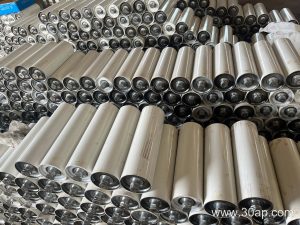
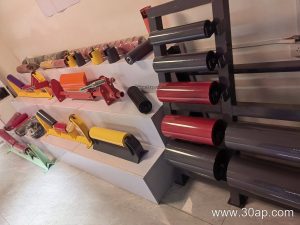
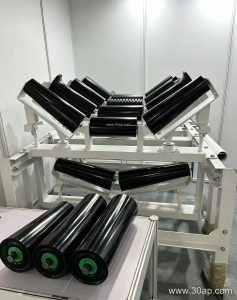
Ports and ship loading terminals in cold climates use wide belts, sometimes 1800 mm or 2000 mm, to move bulk material at high rates. A cold resistant conveyor belt in these systems works with idler rollers, conveyor pulleys and conveyor brackets that are themselves specified for low temperature, because a frozen idler can damage even a good belt.
Selection Points for Buyers
- State the lowest expected ambient temperature and whether the belt starts loaded or empty.
- Give the material, lump size and temperature of the cargo, since frozen ore or clinker can be abrasive and sharp.
- Confirm pulley diameters, including the drive pulley, tail pulley and any bend pulley, so the carcass flex rating is correct.
- Decide whether flame retardant or anti-static properties are required alongside cold resistance.
- Ask how the belt will be spliced in the field, since cold weather makes vulcanizing slower.
Where impact is severe, a thicker cover and a cushion layer help. Where the belt runs on a pipe conveyor route, the cold resistant compound must also suit the forming idlers. For comparison, a heat resistant conveyor belt addresses the opposite condition and cannot substitute in freezing service.
Installation and Maintenance in Cold Weather
Allow the belt to relax at ambient temperature before clamping and splicing. Check that all conveyor pulleys turn freely and that no idler roller is seized, because a frozen roller acts like a brake and scuffs the cover. Keep the belt reasonably centered; a stiff belt that has not yet warmed up may drift on the tail pulley. After startup, inspect edges and splice joints during the first shifts. Snow and ice buildup on return run supports and conveyor brackets should be cleared regularly.
Store spare belts indoors where possible, and avoid sharp bends in a cold belt during handling. If a belt must sit outside, keep it off the ground and covered.
Summary
Choosing a cold resistant conveyor belt is mostly a matter of matching the compound and carcass to the lowest temperature, the load, and the pulley layout. With the right specification and a little winter attention to rollers and pulleys, the belt will keep the plant moving through the coldest months.