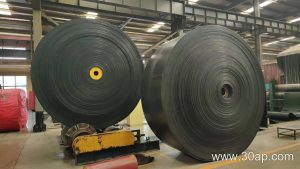
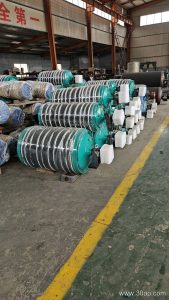
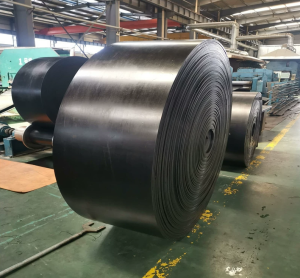
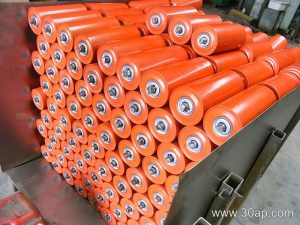
What a Guide Idler Bracket Does
A guide idler bracket is the support component that holds a guide idler in a fixed position relative to the conveyor frame, typically along the edges of the belt path where tracking correction is needed. In practice, the guide idler bracket works as the mounting interface between the idler shaft and the conveyor bracket structure, keeping the roller square to the belt line so the idler can do its job without wandering. On a quarry conveyor or a cement plant transfer house, a loose or misaligned guide bracket is often the reason a belt starts to run off-center.
The part is sometimes called a guide roller bracket or a belt guide bracket, and those names refer to the same component. It should not be confused with a drive pulley, tail pulley, or bend pulley; those are drum components that transmit power or change belt direction, while the guide idler bracket is a stationary support for a small-diameter roller.
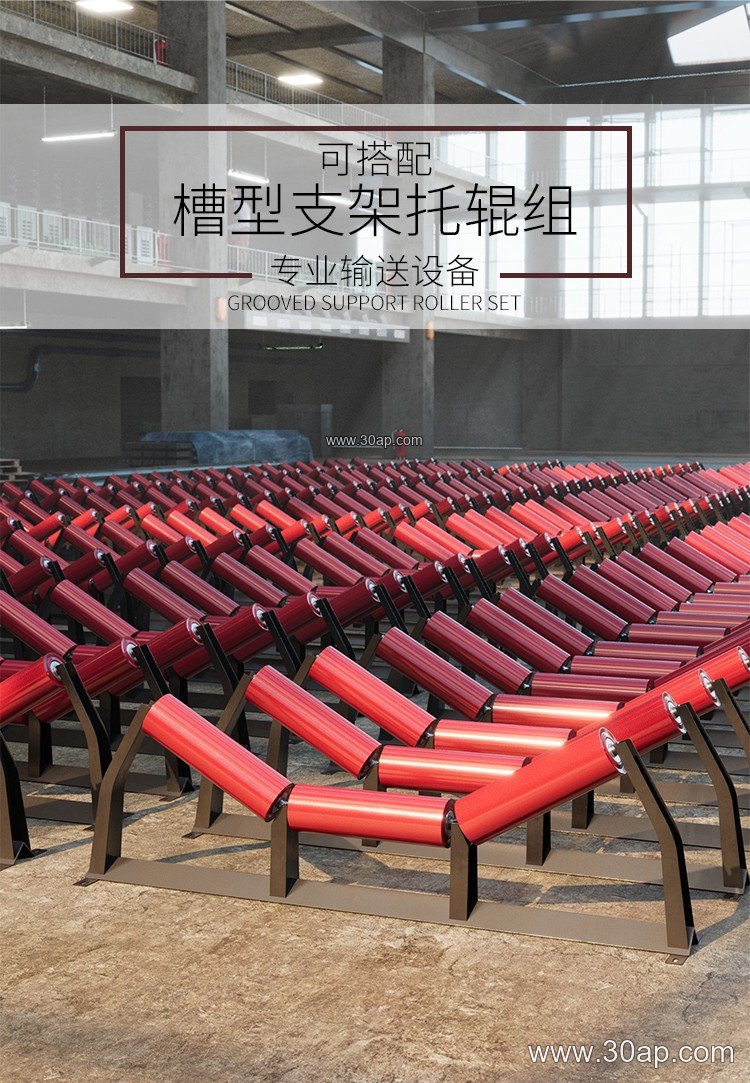
Construction and Mounting
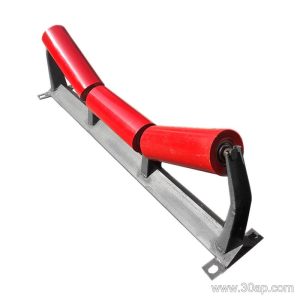
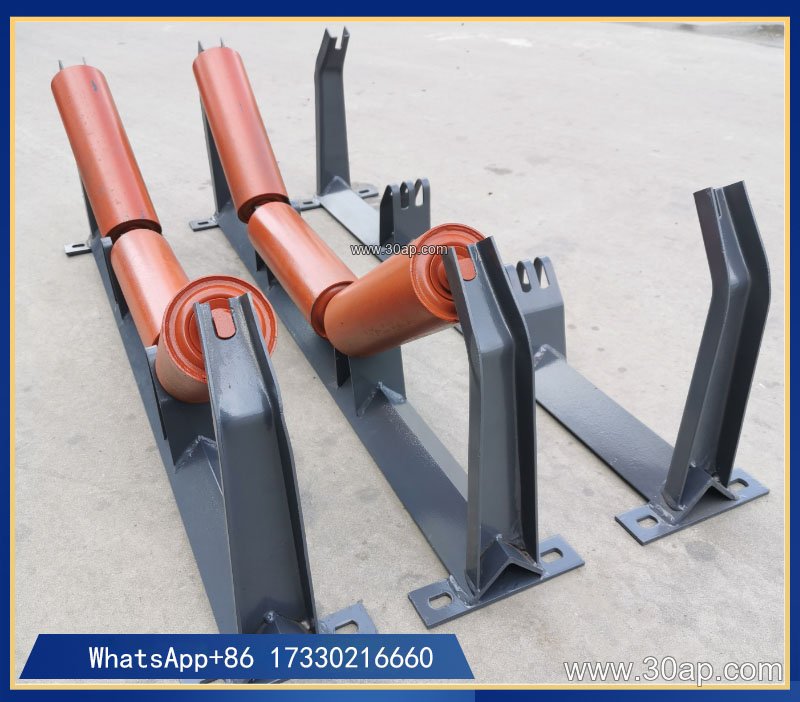
Most guide idler brackets are fabricated from angle steel, channel steel, or bent steel plate, then drilled or slotted for the idler shaft and bolted to the main frame. A typical unit includes a base plate, a vertical or angled arm, and a shaft seat. Slotted holes allow fine adjustment during installation, which matters when the belt must be centered within a few millimeters.
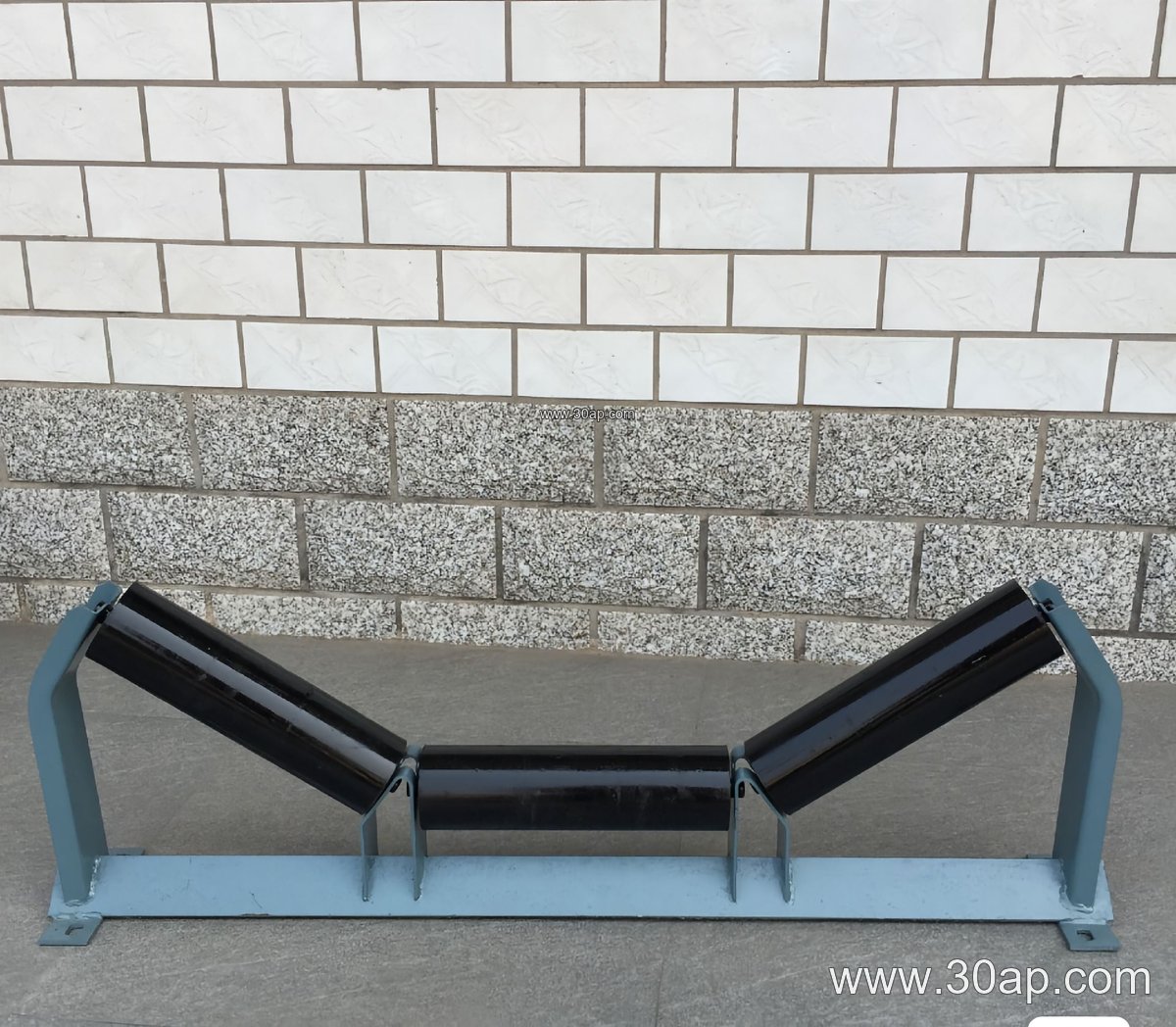
Because the bracket sits close to the belt edge, it usually carries a lighter load than a full carrying idler station, but it still needs enough stiffness to resist vibration. On a coal mining conveyor or an iron ore transfer point, check that the bracket does not collect fines that could push the guide roller out of alignment.
Where It Fits in the Conveyor Line
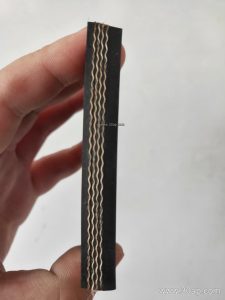
Guide idler brackets are common in bulk handling plants: aggregate conveyor lines, limestone quarries, power plant coal yards, sintering plants, and sand and gravel operations. They are often installed just ahead of a loading point or after a curve, where the belt is most likely to drift. On a long overland system carrying a steel cord conveyor belt or an EP conveyor belt, a few well-placed guide brackets can reduce edge damage and extend belt life.
The bracket is not a substitute for a self-aligning idler station or a training idler. It is a simple, fixed support that works together with the conveyor belt, idler roller, and conveyor pulley to keep the belt path stable.
Matching Bracket to Belt Width and Roller Size
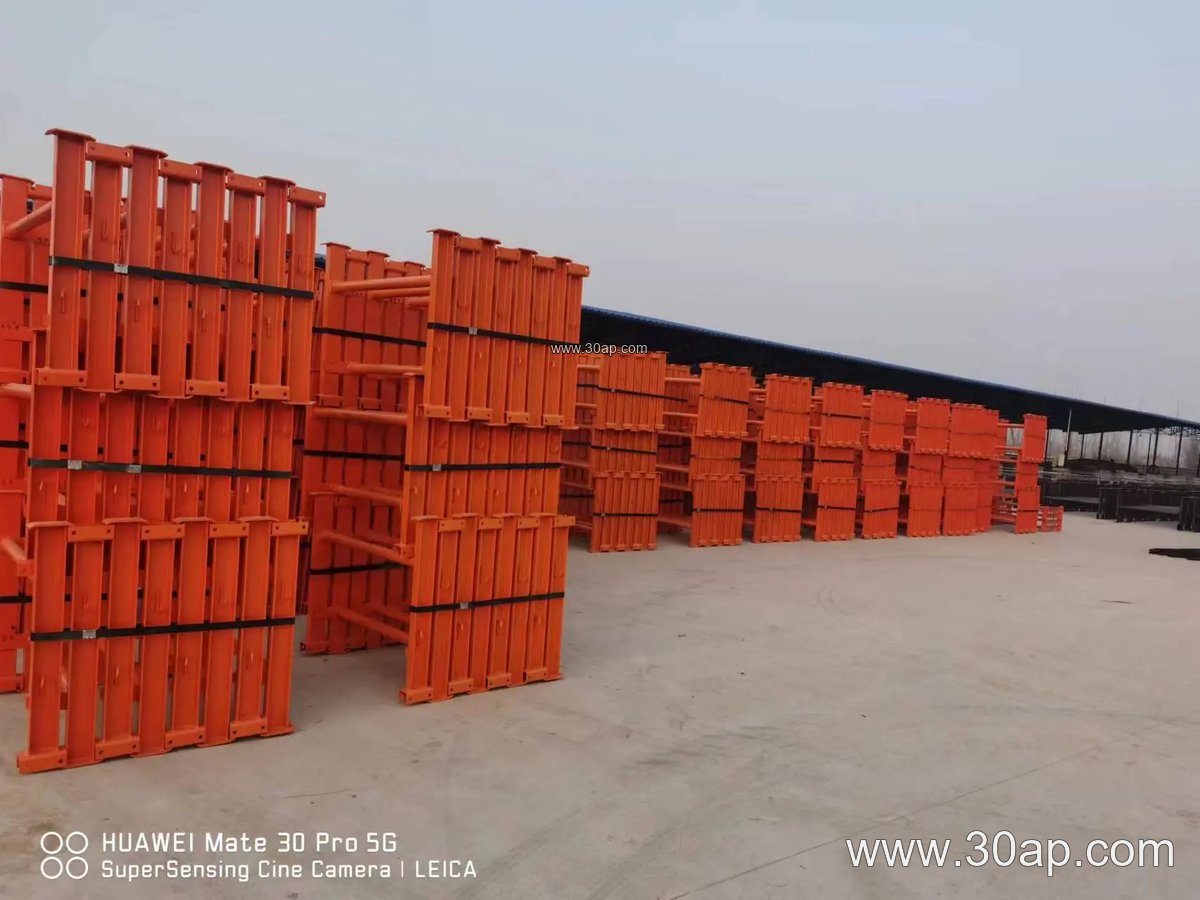
Bracket dimensions follow the belt width, the chosen trough angle, and the roller diameter. Common belt widths run from B500 through B2200, with B800, B1000, and B1200 being frequent in aggregate and cement service. Roller diameters such as Ø89, Ø108, Ø133, Ø159, and Ø194 are typical, and trough angles of 20, 30, 35, and 45 degrees are widely used. These are reference ranges, not fixed pairings; a B1200 belt may run with different roller diameters depending on load and speed.
- B500 to B800: often paired with Ø89 or Ø108 guide rollers in light to medium duty.
- B1000 to B1400: commonly uses Ø108 or Ø133 rollers, with 35 or 45 degree trough angles.
- B1600 to B2200: heavier frames and larger roller seats are typical, with Ø159 or Ø194 rollers.
Installation hole spacing and crossbeam length change with belt width and trough angle, so always confirm dimensions against the actual frame drawing rather than assuming a standard size.
Buyer Checklist
Before ordering, confirm the belt width, the idler diameter, the mounting hole pattern, and the frame material. Ask whether the bracket is fixed or adjustable, and whether the surface is painted or galvanized. For dusty or wet service, specify a design that drains well and resists corrosion. In a coal handling plant, a flame retardant conveyor belt is often specified alongside the conveyor components, and the bracket should be compatible with the same environment.
Finally, treat the guide idler bracket as part of a system. A correctly sized bracket paired with a well-aligned conveyor pulley and properly tensioned belt will outperform a premium bracket installed on a crooked frame.