What the ST2500 Conveyor Belt Is
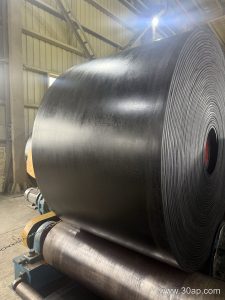
The ST2500 Conveyor Belt is a steel cord conveyor belt with a nominal tensile strength of 2500 N/mm, positioned near the top of the steel cord range. It is built for mainline haulage where a single flight must carry large tonnages over long distances without intermediate transfer points. In mining, cement, power and port applications, this belt class is often specified when ordinary fabric constructions run out of strength and when splice reliability matters as much as raw tension rating.
Because the carcass is made of parallel steel cords rather than woven fabric, the belt resists elongation and keeps a stable trough shape under heavy loads. That behavior suits high-capacity trunk conveyors in iron ore, copper ore and coal mining operations, as well as long overland lines at cement plants and power plants.
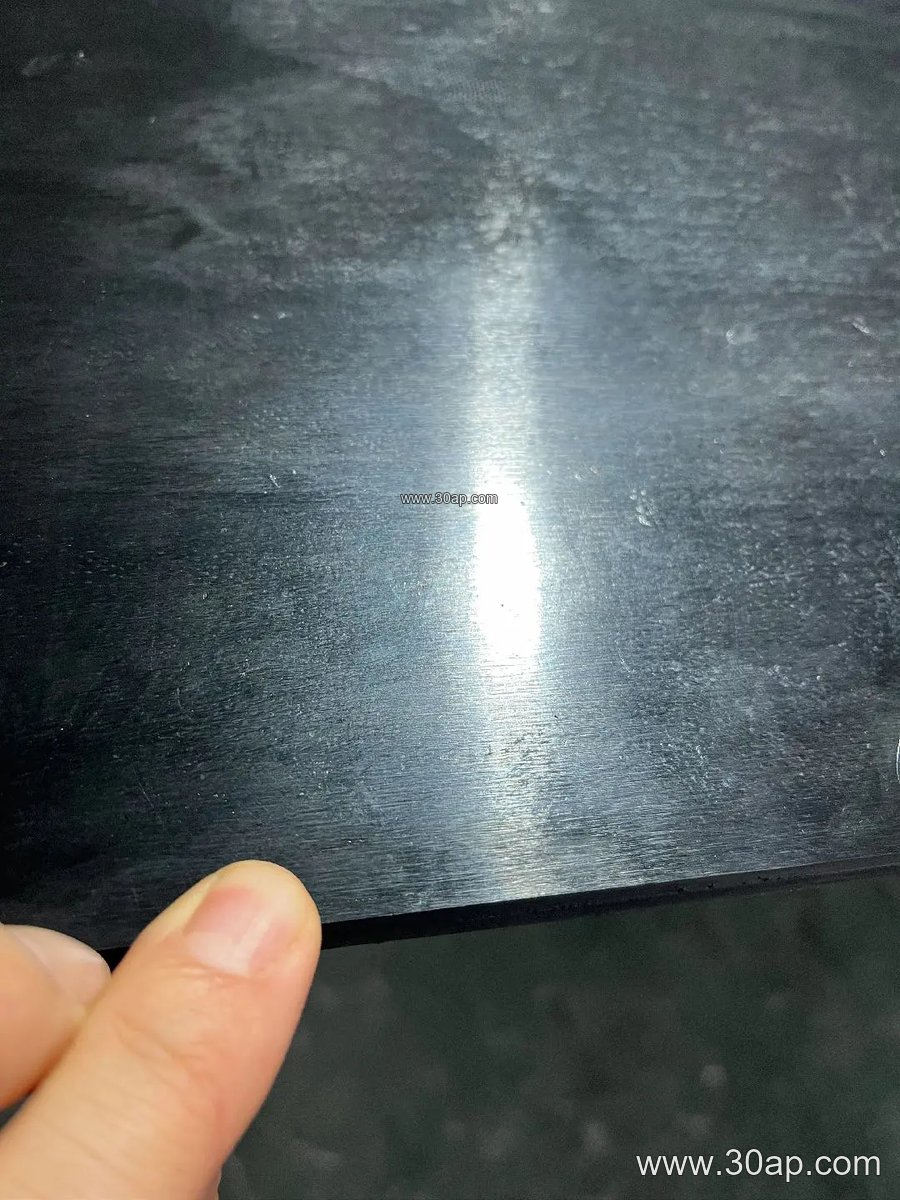
Construction and Key Components
A typical ST2500 belt consists of a steel cord carcass, a top cover, a bottom cover and edge protection. The cords are spaced uniformly and tensioned during manufacture so the belt shares load evenly across its width. Cover compounds are selected for the duty: abrasion resistant grades for crusher conveyor discharge, heat resistant grades for clinker and sinter, flame retardant grades for underground coal mining conveyor duty, and oil resistant grades where lubricants or oily cargo are present.
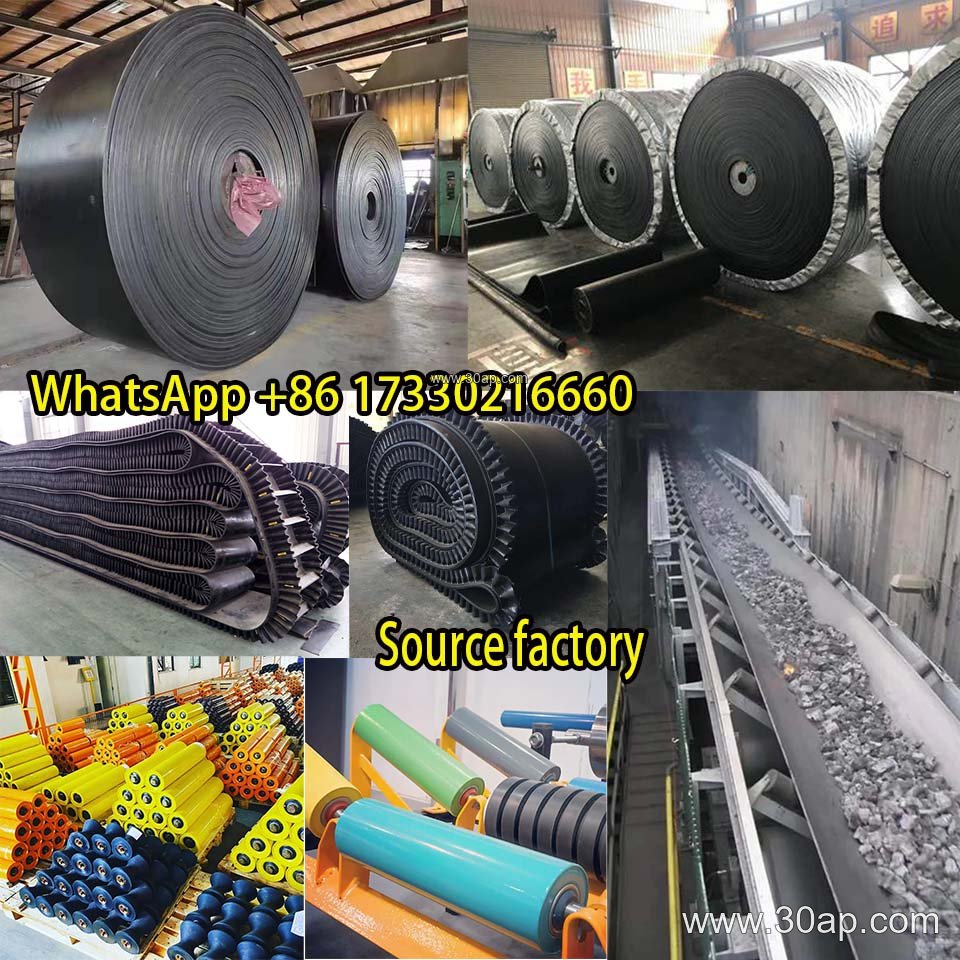
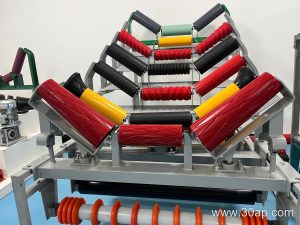
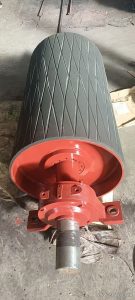
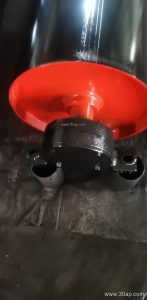
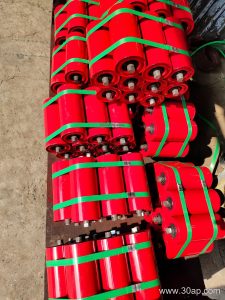
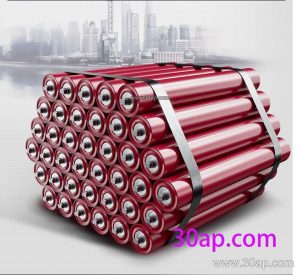
The belt works as part of a system, so matching components matter. Conveyor pulleys at the drive and tail ends, idler rollers along the carry and return sides, and conveyor brackets that hold the idlers all influence belt life. Drive, tail and bend pulleys perform different duties and are not interchangeable; each is sized to its own load case.
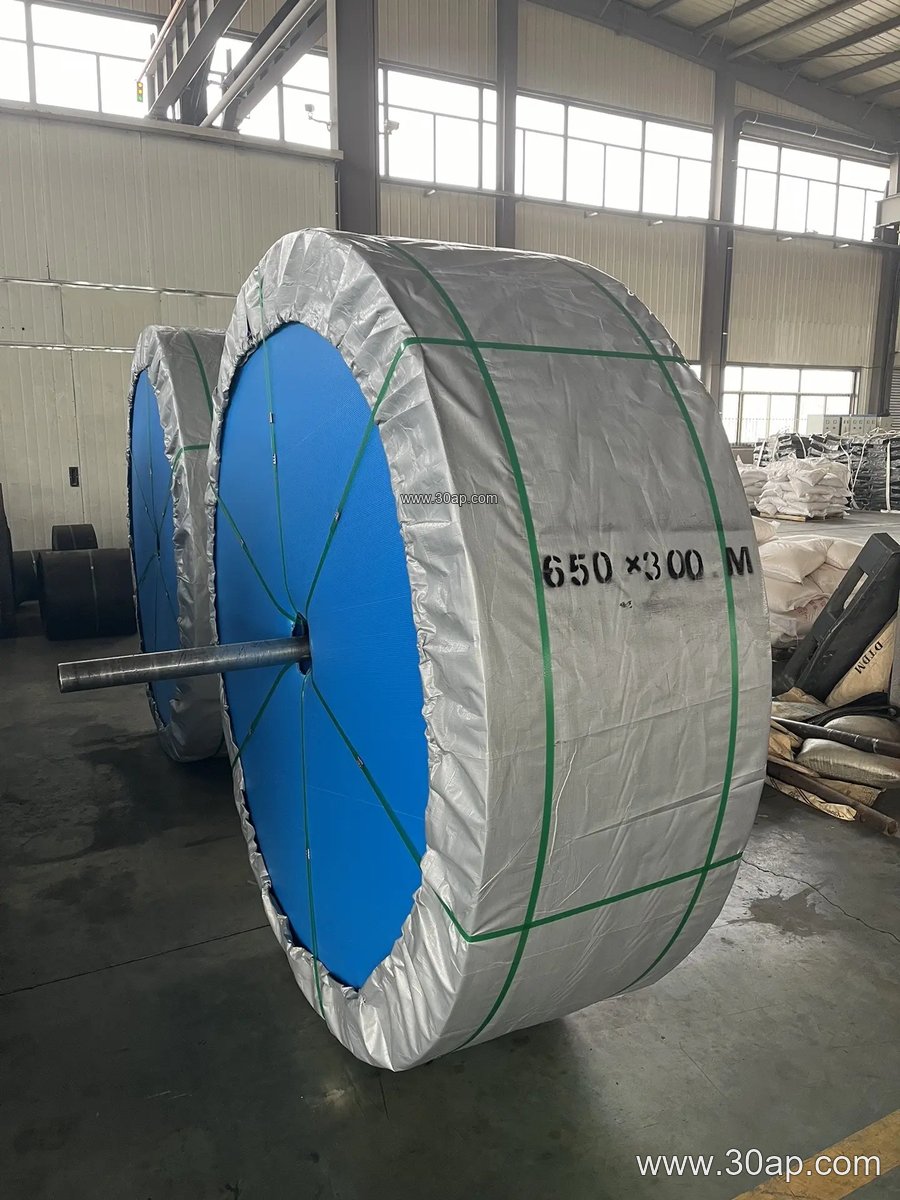
Typical Sizes and Reference Data
Steel cord belts in this strength class are commonly produced in widths from about 800 mm to 2000 mm, with covers selected to suit the material. The table below gives reference values often seen in catalogues; actual supply depends on the manufacturer and the conveyor design.
| Parameter | Common reference range |
|---|---|
| Belt width | B800, B1000, B1200, B1400, B1600, B1800, B2000 |
| Nominal strength | ST2500 (2500 N/mm) |
| Top cover thickness | 6 mm, 8 mm, 10 mm |
| Bottom cover thickness | 2 mm, 3 mm, 4 mm |
| Cover grade options | Abrasion resistant, heat resistant, flame retardant, oil resistant, cold resistant |
These values are not fixed pairings. A 1200 mm wide belt may be built with different cover combinations depending on the load, and belt width alone does not determine shaft or pulley diameter. Those are set by the conveyor designer using tension, arc of contact and safety factors.
Where It Fits in the Plant
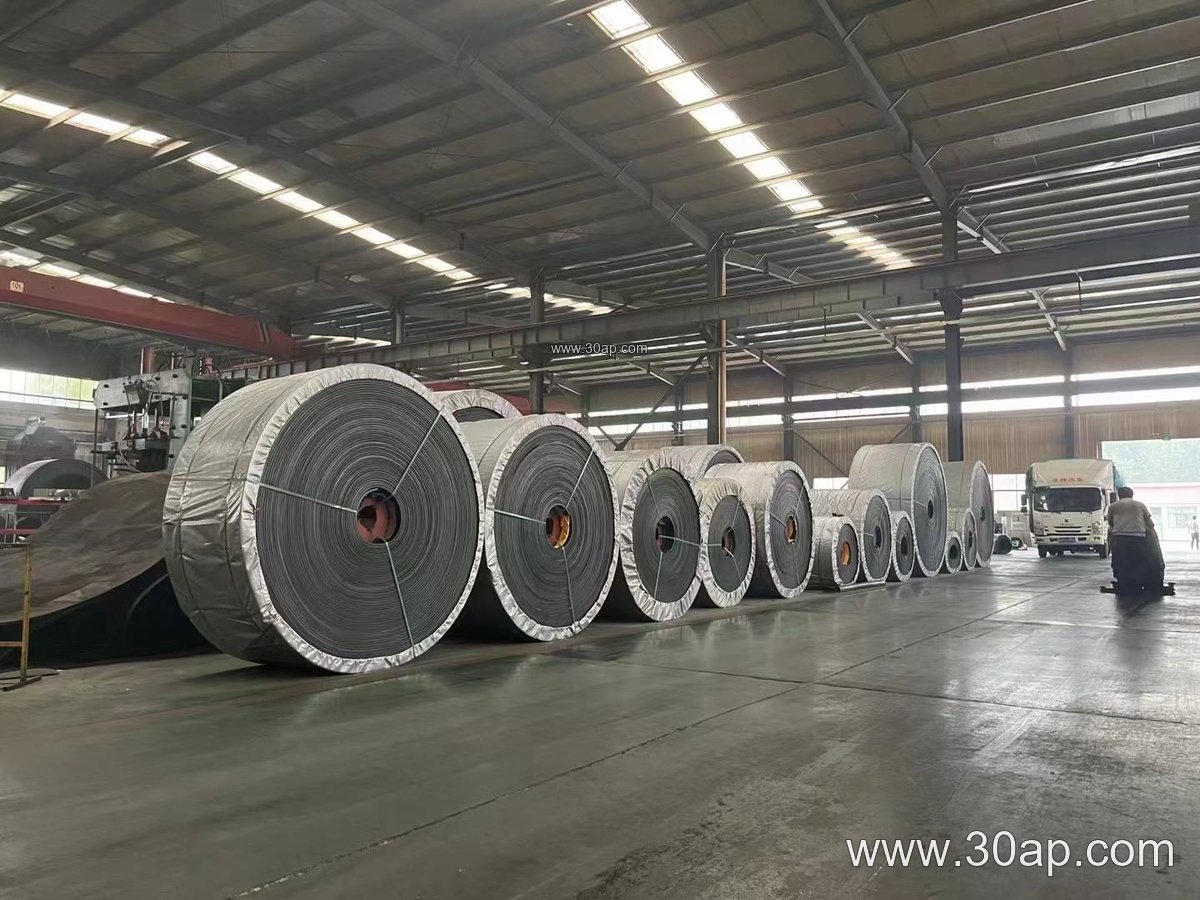
Heavy-duty mining conveyors are the most common home for this belt class. It appears on primary ore haulage from the pit, on overland conveyors linking the mine to the stockyard, and on shiftable conveyors in large open-pit operations. In coal, flame retardant versions are used for underground and surface lines where fire safety is a priority. Cement plants use it for limestone, clinker and additive transport, while power plants apply it to coal yard and ash handling lines. Ports and ship loading terminals rely on wide belts of this strength for high throughput.
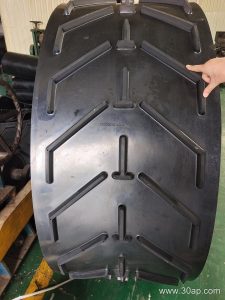
Other constructions serve different duties and should not be confused with this one: EP conveyor belt and NN conveyor belt are fabric carcass types for shorter or lighter lines; chevron conveyor belt and corrugated sidewall conveyor belt handle steep inclines; pipe conveyor belt encloses the cargo for dust control. A steel cord belt such as the ST2500 remains the choice when tension and length are the governing factors.
Selection and Maintenance Notes
- Confirm the calculated maximum tension with the conveyor designer before choosing a strength class; the ST2500 is not automatically the right choice for every long line.
- Match cover grade to the cargo: abrasion resistant conveyor belt covers for sharp rock, heat resistant covers for hot material, and flame retardant covers where regulations require them.
- Check pulley diameters and idler spacing against the cord diameter recommended by the belt maker; too small a pulley can fatigue the cords.
- Inspect splices regularly. Steel cord splices are the most sensitive part of the belt and need trained technicians and the correct splice material.
- Keep loading chutes centered and use impact idlers at transfer points to reduce edge damage and cover wear.
Buyers should ask for the cord construction, cover compound data, and recommended minimum pulley diameters rather than relying on the strength figure alone. For related components, conveyor idler roller selection and conveyor pulley sizing are as important as the belt itself. A well matched ST2500 installation in a quarry, mine or bulk terminal will deliver long service when the whole conveyor system is designed around it.