What Is a Cold Resistant Conveyor Belt
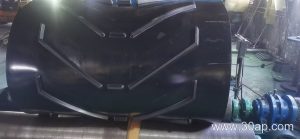
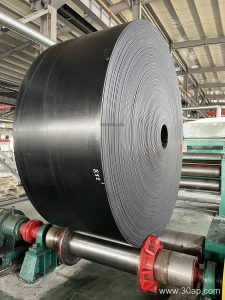
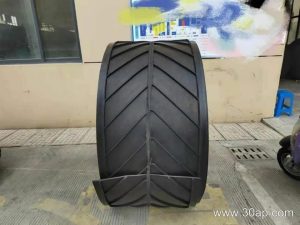
A cold resistant conveyor belt is a specialized rubber conveyor belt designed to remain flexible and functional in low-temperature environments. Unlike standard belts that may stiffen and crack when exposed to freezing conditions, this belt uses rubber compounds formulated to withstand cold without losing elasticity. It is commonly used in mining, coal, cement, power plants, and aggregate operations where winter temperatures or refrigerated processing are present. The product is also known as a low-temperature resistant conveyor belt, and both terms refer to the same essential product.
Construction and Materials
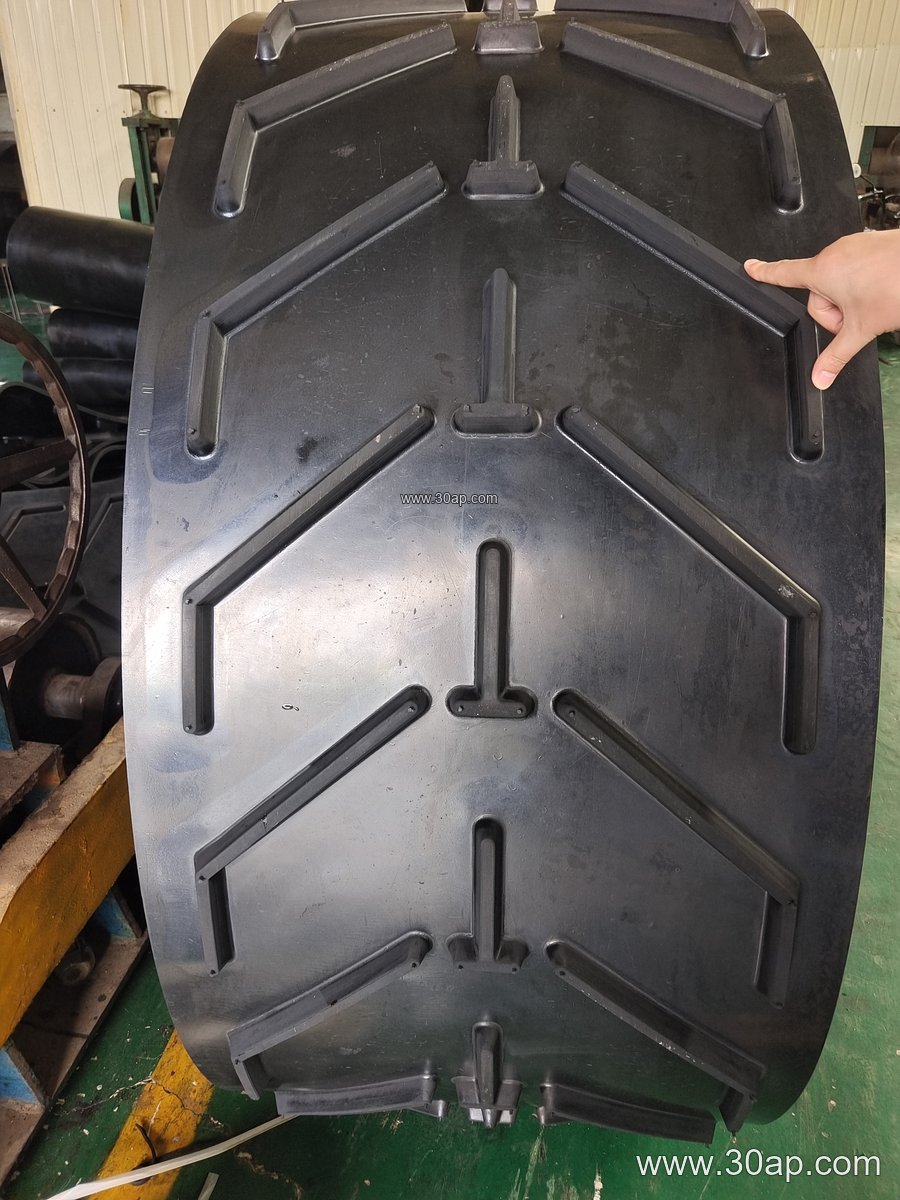
The belt typically consists of a fabric core (such as EP or NN) or steel cord reinforcement, covered with a cold-resistant rubber layer. The cover compound often includes polymers that maintain flexibility at temperatures as low as -40°C to -50°C, depending on the formulation. The carcass may be multi-ply fabric core or steel cord, chosen based on tension requirements. For instance, an EP conveyor belt with cold-resistant cover is common in medium-duty applications, while steel cord belts handle higher tensions in long overland conveyors. The rubber compounds avoid excessive use of plasticizers that can migrate in cold, ensuring durability.
Key Features and Benefits
- Retains flexibility at low temperatures, reducing cracking and breakage.
- Resists hardening and embrittlement, extending service life in freezing climates.
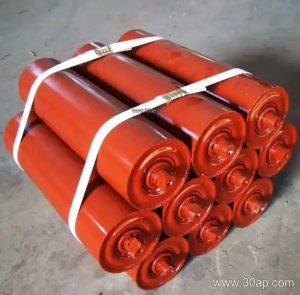
- Works reliably with conveyor pulleys, idler rollers, and brackets without slippage or misalignment.
- Available with additional properties such as flame retardant or abrasion resistance for combined demands.
For example, a cold resistant conveyor belt used in an underground coal mining conveyor may also need flame retardant properties, so a combined cold and flame retardant belt is specified. This is different from a standard heat resistant conveyor belt, which addresses high-temperature conditions.
Typical Applications
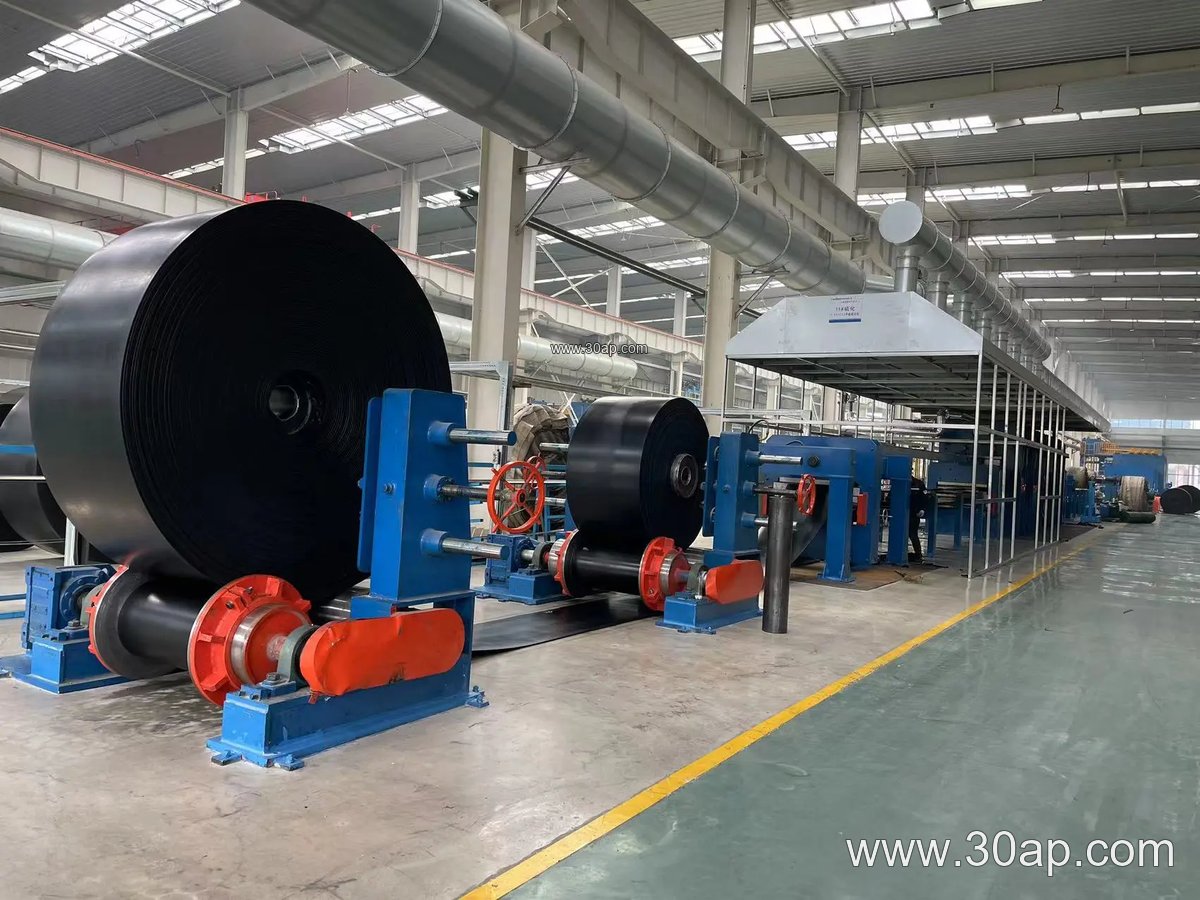
Cold resistant belts are found in outdoor mining operations in cold regions, coal handling at power plants, cement plants with unheated sections, and quarry conveyor systems during winter. They are also used in food processing freezers and cold storage facilities where hygiene and low-temperature flexibility are required. In these settings, the belt works alongside conveyor pulleys, idler rollers, and conveyor brackets to maintain continuous material flow. Industries such as iron ore mining, copper ore transport, and aggregate handling benefit from belts that do not stiffen and cause tracking issues.
Specifications and Selection Considerations
When choosing a cold resistant conveyor belt, buyers should consider belt width, tensile strength, cover thickness, and the number of fabric plies. Common widths include B500, B650, B800, B1000, B1200, B1400, B1600, B1800, and B2000 mm. Tensile grades for fabric belts range from EP200 to EP2000, and steel cord belts from ST1000 to ST3150. Cover thickness options are often 3+1.5 mm, 4+2 mm, 5+2 mm, 6+2 mm, and 8+3 mm, with 2 to 6 plies in fabric cores. The table below gives reference examples; actual values depend on design and manufacturer.
| Parameter | Common Range | Example |
|---|---|---|
| Belt width | 500–2000 mm | 1200 mm |
| Tensile strength (fabric) | EP200–EP2000 | EP1000 |
| Tensile strength (steel cord) | ST1000–ST3150 | ST1600 |
| Cover thickness | 3+1.5 to 8+3 mm | 6+2 mm |
| Number of plies | 2–6 | 4 |
These figures are for reference only; selection should be based on the specific conveyor design, load, and temperature profile. It is important to match the belt to the conveyor pulleys and idler rollers to avoid premature wear. A cold resistant belt may also be supplied as an endless conveyor belt for specific installations.
Maintenance and Handling Tips
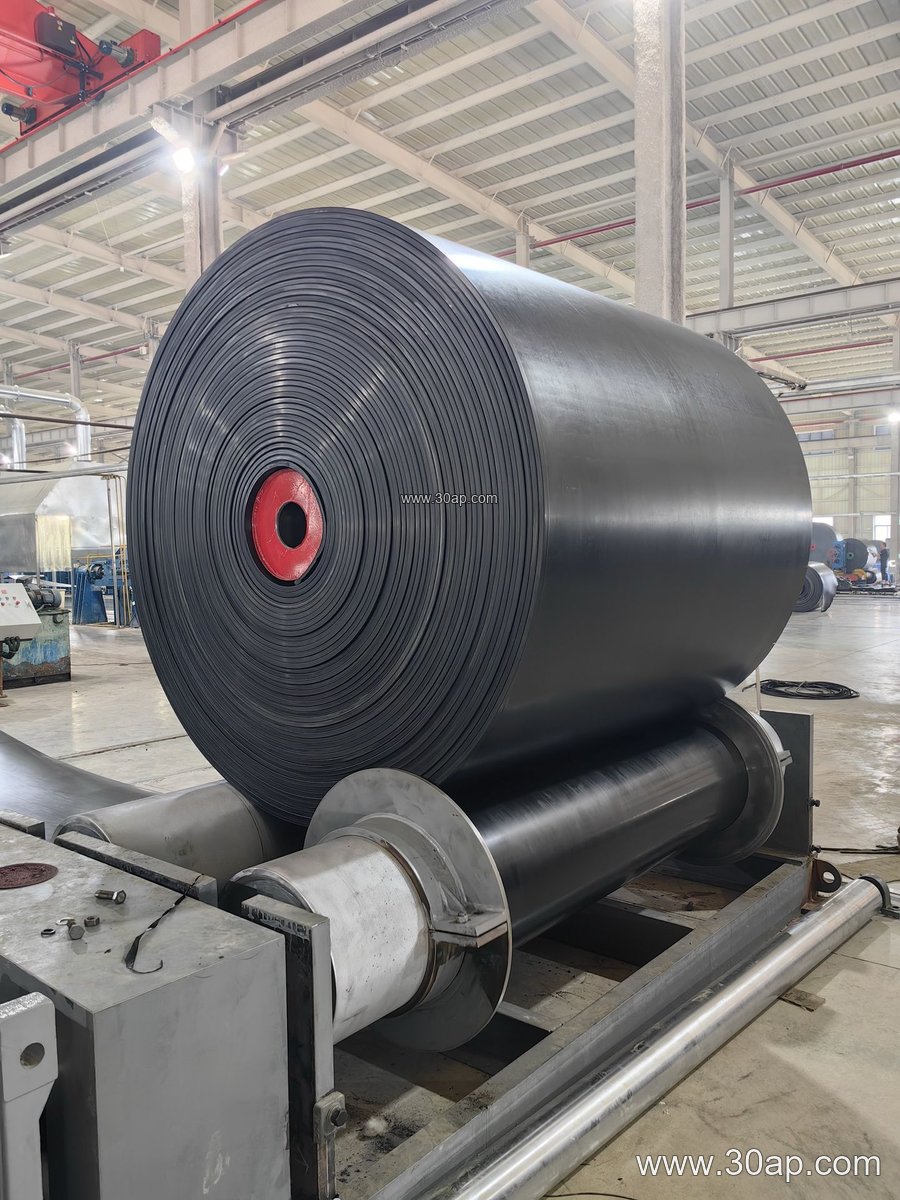
To maximize service life, store cold resistant belts in a dry, temperature-controlled area before installation. Avoid sharp bends during handling, and ensure pulleys and idler rollers are properly aligned to prevent edge damage. Regular inspection for surface cracks or hardening is recommended, especially after extreme cold spells. When splicing, use cold-resistant splicing materials to maintain flexibility at the joint. If the conveyor operates in a mine or cement plant, keep the belt clean from abrasive debris to preserve the cover.
In summary, a cold resistant conveyor belt is a reliable solution for material handling in freezing environments. By understanding its construction, features, and selection criteria, buyers can choose the right belt for their mining, coal, cement, power, or aggregate operation. For more information on conveyor belts, idler rollers, and pulleys, visit our website at www.example.com/conveyor-belt and www.example.com/idler-roller.